Department of Hematology, Tangdu Hospital, Fourth Military Medical University, Xi'an, China.
Front Endocrinol (Lausanne). 2022 May 4;13:873865. doi: 10.3389/fendo.2022.873865. eCollection 2022.
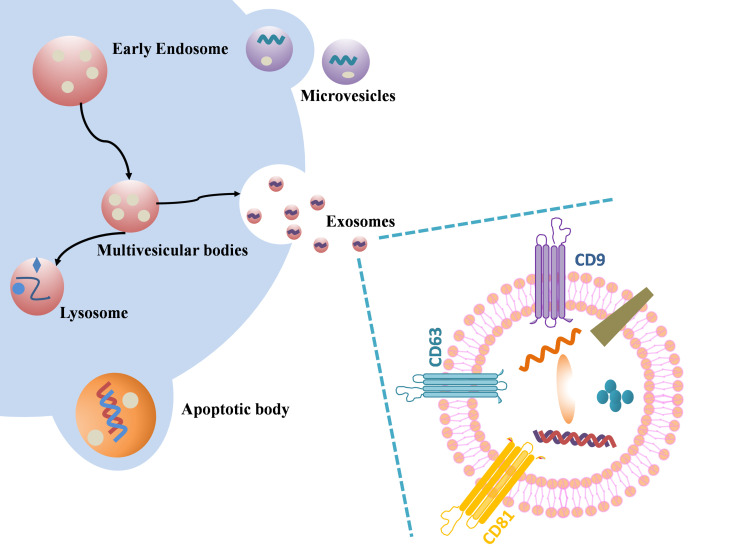
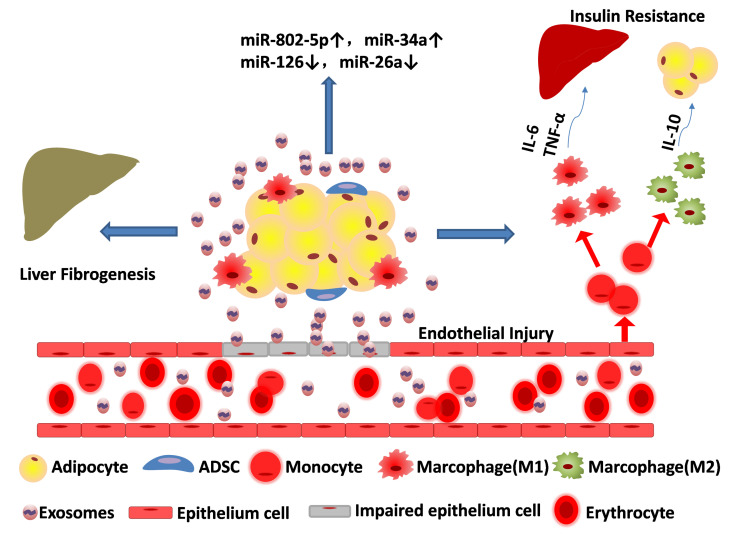
Adipose tissues perform physiological functions such as energy storage and endocrine, whose dysfunction will lead to severe metabolic disorders. Accumulating evidences show that exosomes can meditate communications between different tissues by transporting nucleic acids, proteins and other biological factors. More importantly, exosomes secreted by adipose tissue function as critical contributing factors that elucidate specific mechanisms in metabolic disturbance such as obesity, adipose inflammation and diabetes etc. Adipose tissue is the major source of circulating exosomal miRNAs. miRNA secreted from adipose tissues not only altered in patients with metabolic disease, but also result in an increase in metabolic organ talk. Here we have reviewed the latest progress on the role of adipose tissue derived exosomes roles in metabolic disorders. Moreover, the current obstacles hindering exosome-based therapeutic strategies have also been discussed.
脂肪组织执行着能量储存和内分泌等生理功能,其功能障碍会导致严重的代谢紊乱。越来越多的证据表明,外泌体可以通过运输核酸、蛋白质和其他生物因子来介导不同组织之间的通讯。更重要的是,脂肪组织分泌的外泌体作为关键的促成因素,阐明了肥胖、脂肪炎症和糖尿病等代谢紊乱中的特定机制。脂肪组织是循环外泌体 miRNA 的主要来源。脂肪组织分泌的 miRNA 不仅在代谢疾病患者中发生改变,而且还导致代谢器官之间的交流增加。在这里,我们综述了脂肪组织来源的外泌体在代谢紊乱中的作用的最新进展。此外,还讨论了目前阻碍基于外泌体的治疗策略的障碍。