Chen Siyu, Ali Ikram, Li Xin, Long Danfeng, Zhang Ying, Long Ruijun, Huang Xiaodan
School of Public Health, Lanzhou University, Lanzhou, China.
College of Ecology, Lanzhou University, Lanzhou, China.
Front Nutr. 2022 May 3;9:845086. doi: 10.3389/fnut.2022.845086. eCollection 2022.
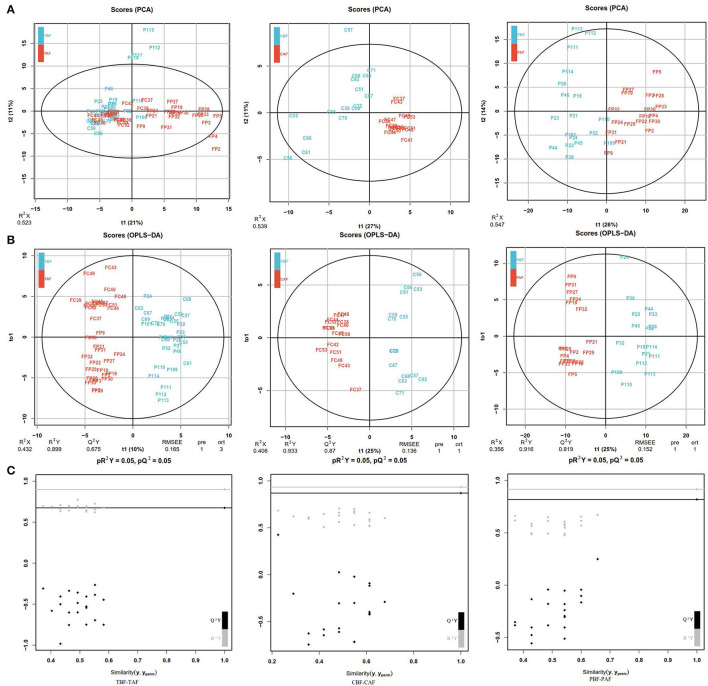
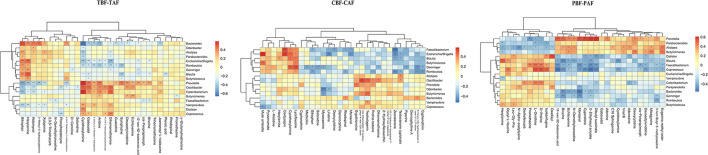
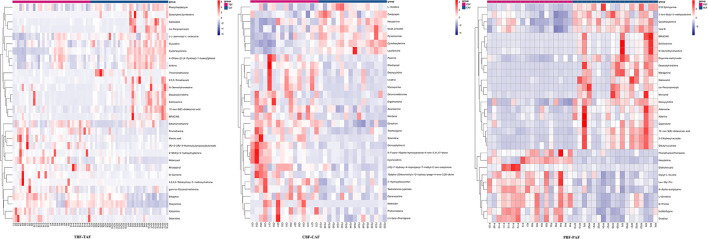
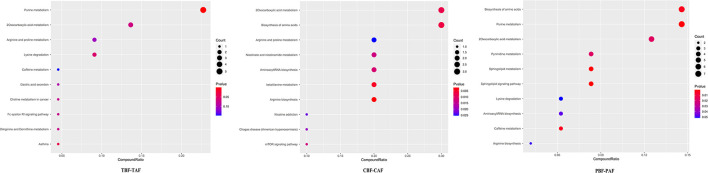
The human gut microbiota has been proposed to serve as a multifunctional organ in host metabolism, contributing effects to nutrient acquisition, immune response, and digestive health. Fasting during Ramadan may alter the composition of gut microbiota through changes in dietary behavior, which ultimately affects the contents of various metabolites in the gut. Here, we used liquid chromatography-mass spectrometry-based metabolomics to investigate the composition of fecal metabolites in Chinese and Pakistani individuals before and after Ramadan fasting. Principal component analysis showed distinct separation of metabolite profiles among ethnic groups as well as between pre- and post-fasting samples. After Ramadan fasting, the Chinese and Pakistani groups showed significant differences in their respective contents of various fecal metabolites. In particular, L-histidine, lycofawcine, and cordycepin concentrations were higher after Ramadan fasting in the Chinese group, while brucine was enriched in the Pakistani group. The KEGG analysis suggested that metabolites related to purine metabolism, 2-oxocarboxylic acid metabolism, and lysine degradation were significantly enriched in the total subject population pre-fasting vs. post-fasting comparisons. Several bacterial taxa were significantly correlated with specific metabolites unique to each ethnic group, suggesting that changes in fecal metabolite profiles related to Ramadan fasting may be influenced by associated shifts in gut microbiota. The fasting-related differences in fecal metabolite profile, together with these group-specific correlations between taxa and metabolites, support our previous findings that ethnic differences in dietary composition also drive variation in gut microbial composition and diversity. This landscape view of interconnected dietary behaviors, microbiota, and metabolites contributes to the future development of personalized, diet-based therapeutic strategies for gut-related disorders.
人类肠道微生物群被认为是宿主新陈代谢中的一个多功能器官,对营养获取、免疫反应和消化健康都有影响。斋月期间的禁食可能会通过饮食行为的改变而改变肠道微生物群的组成,最终影响肠道中各种代谢物的含量。在此,我们使用基于液相色谱-质谱联用的代谢组学方法,研究了中国和巴基斯坦个体在斋月禁食前后粪便代谢物的组成。主成分分析表明,不同种族群体之间以及禁食前后的样本之间,代谢物谱存在明显差异。斋月禁食后,中国和巴基斯坦群体各自的各种粪便代谢物含量存在显著差异。特别是,中国群体在斋月禁食后的L-组氨酸、石蒜碱和虫草素浓度较高,而马钱子碱在巴基斯坦群体中含量丰富。KEGG分析表明,与嘌呤代谢、2-氧代羧酸代谢和赖氨酸降解相关的代谢物在禁食前与禁食后的总体人群比较中显著富集。几种细菌分类群与每个种族群体特有的特定代谢物显著相关,这表明与斋月禁食相关的粪便代谢物谱变化可能受到肠道微生物群相关变化的影响。粪便代谢物谱中与禁食相关的差异,以及这些分类群与代谢物之间特定群体的相关性,支持了我们之前的研究结果,即饮食组成的种族差异也会驱动肠道微生物组成和多样性的变化。这种饮食行为、微生物群和代谢物相互关联的全景视角,有助于未来针对肠道相关疾病制定个性化的、基于饮食的治疗策略。