Institute of Medicinal Plant Physiology and Ecology, School of Pharmaceutical Sciences, Guangzhou University of Chinese Medicine, 232th Waihuangdong Road, Higher Education Mega Center, Panyu District, Guangzhou, Guangdong, China.
Traditional Chinese Medicine Gynecology Laboratory in Lingnan Medical Research Center, Guangzhou University of Chinese Medicine, Guangzhou, 510410, China.
BMC Plant Biol. 2022 May 23;22(1):253. doi: 10.1186/s12870-022-03643-4.
The large genus Ficus comprises approximately 800 species, most of which possess high ornamental and ecological values. However, its evolutionary history remains largely unknown. Plastome (chloroplast genome) analysis had become an essential tool for species identification and for unveiling evolutionary relationships between species, genus and other rank groups. In this work we present the plastomes of ten Ficus species.
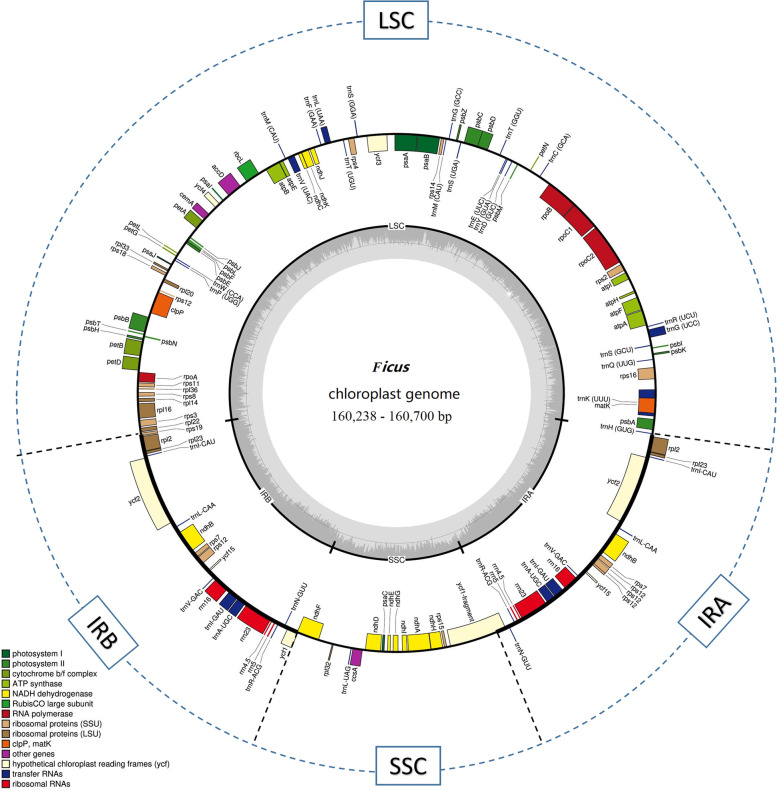
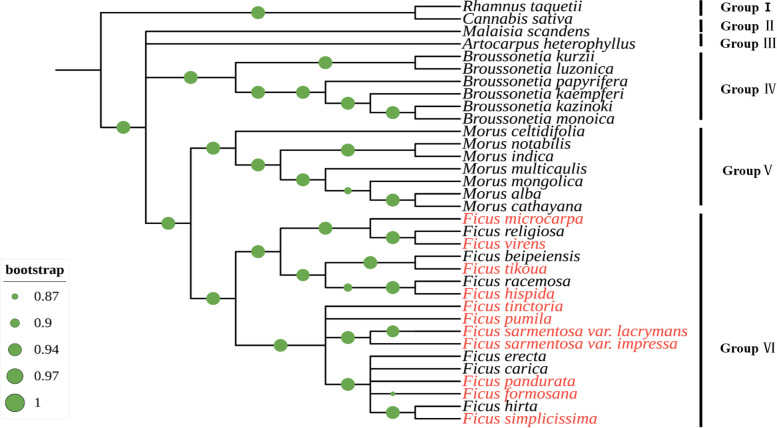
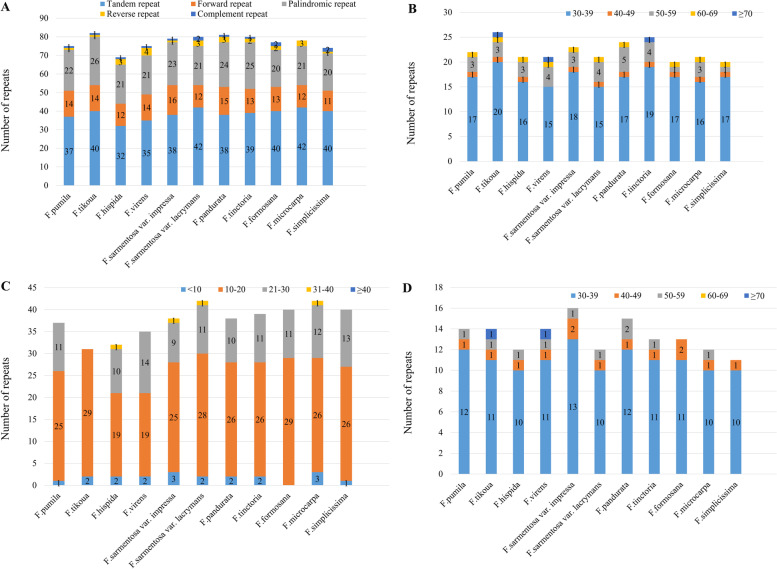
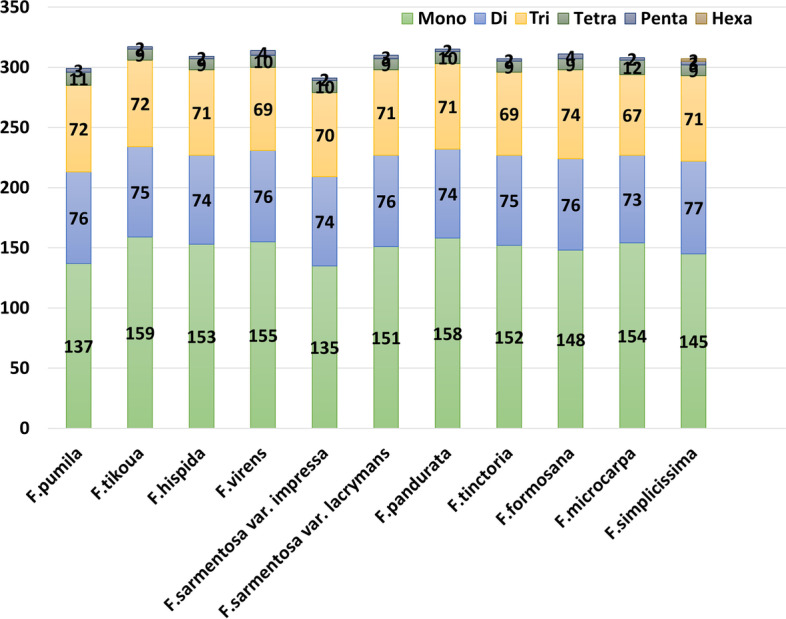
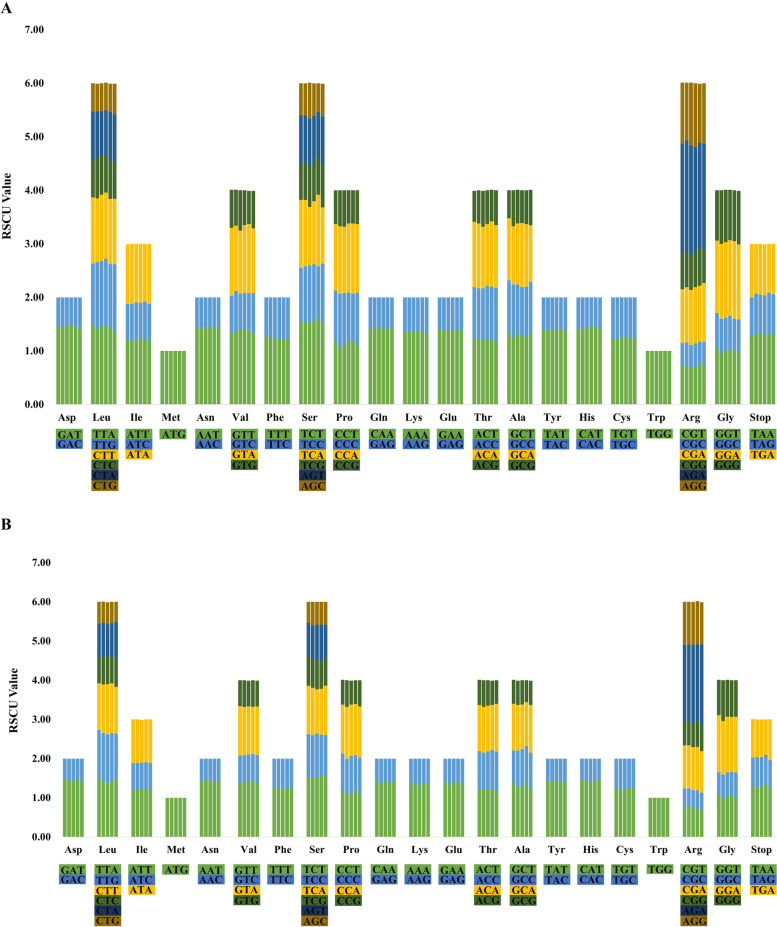
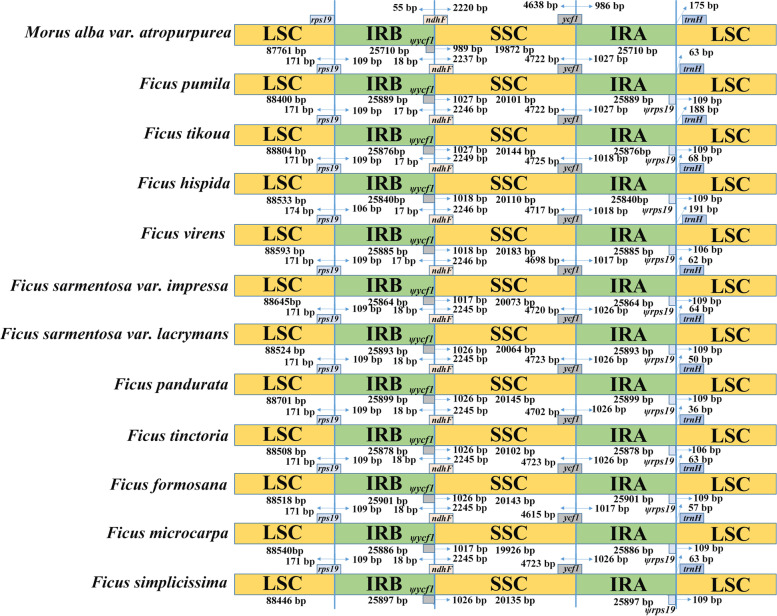
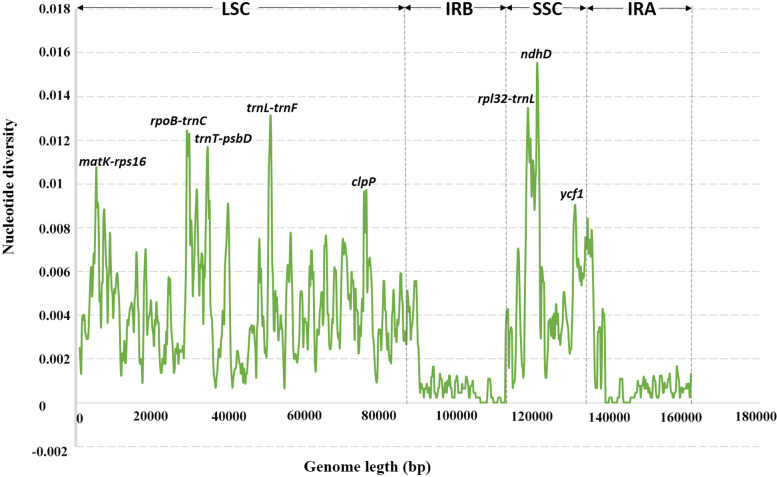
The complete chloroplast (CP) genomes of eleven Ficus specimens belonging to ten species were determined and analysed. The full length of the Ficus plastome was nearly 160 kbp with a similar overall GC content, ranging from 35.88 to 36.02%. A total of 114 unique genes, distributed in 80 protein-coding genes, 30 tRNAs, and 4 rRNAs, were annotated in each of the Ficus CP genome. In addition, these CP genomes showed variation in their inverted repeat regions (IR). Tandem repeats and mononucleotide simple sequence repeat (SSR) are widely distributed across the Ficus CP genome. Comparative genome analysis showed low sequence variability. In addition, eight variable regions to be used as potential molecular markers were proposed for future Ficus species identification. According to the phylogenetic analysis, these ten Ficus species were clustered together and further divided into three clades based on different subgenera. Simultaneously, it also showed the relatedness between Ficus and Morus.
The chloroplast genome structure of 10 Ficus species was similar to that of other angiosperms, with a typical four-part structure. Chloroplast genome sizes vary slightly due to expansion and contraction of the IR region. And the variation of noncoding regions of the chloroplast genome is larger than that of coding regions. Phylogenetic analysis showed that these eleven sampled CP genomes were divided into three clades, clustered with species from subgenus Urostigma, Sycomorus, and Ficus, respectively. These results support the Berg classification system, in which the subgenus Ficus was further decomposed into the subgenus Sycomorus. In general, the sequencing and analysis of Ficus plastomes, especially the ones of species with no or limited sequences available yet, contribute to the study of genetic diversity and species evolution of Ficus, while providing useful information for taxonomic and phylogenetic studies of Ficus.
大榕属(Ficus)包含约 800 个物种,其中大多数具有很高的观赏和生态价值。然而,其进化历史在很大程度上仍是未知的。质体基因组(叶绿体基因组)分析已成为物种鉴定以及揭示物种、属和其他分类群之间进化关系的重要工具。在这项工作中,我们展示了 10 种榕属植物的质体基因组。
确定并分析了 11 个榕属标本的完整叶绿体(CP)基因组,这些标本属于 10 个物种。榕属质体基因组全长近 160 kbp,整体 GC 含量相似,范围在 35.88%至 36.02%之间。每个榕属 CP 基因组中都注释了 114 个独特基因,分布在 80 个蛋白编码基因、30 个 tRNA 和 4 个 rRNA 中。此外,这些 CP 基因组的反向重复区(IR)存在差异。串联重复和单核苷酸简单重复序列(SSR)广泛分布于榕属 CP 基因组中。比较基因组分析显示序列变异性低。此外,还提出了 8 个可作为潜在分子标记的可变区,用于未来的榕属物种鉴定。根据系统发育分析,这 10 种榕属植物聚类在一起,并根据不同的亚属进一步分为 3 个分支。同时,它还显示了榕属与桑属之间的亲缘关系。
10 种榕属植物的叶绿体基因组结构与其他被子植物相似,具有典型的四部分结构。叶绿体基因组大小因 IR 区的扩张和收缩而略有差异。并且叶绿体基因组非编码区的变异大于编码区。系统发育分析表明,这 11 个采样 CP 基因组分为 3 个分支,分别与 Urostigma、Sycomorus 和 Ficus 亚属的物种聚类。这些结果支持 Berg 分类系统,其中榕属进一步分解为 Sycomorus 亚属。总的来说,榕属质体基因组的测序和分析,特别是那些尚无或有限序列的物种的测序和分析,有助于研究榕属的遗传多样性和物种进化,同时为榕属的分类和系统发育研究提供有用信息。