Hospital of Stomatology, Guanghua School of Stomatology, Sun Yat-sen University, South China Center of Craniofacial Stem Cell Research, Guangdong Provincial Key Laboratory of Stomatology, Guangzhou, People's Republic of China.
Beijing Sinogene Biotechnology Co. Ltd, Changping District, Beijing, People's Republic of China.
Stem Cells Transl Med. 2022 Jul 20;11(7):778-789. doi: 10.1093/stcltm/szac028.
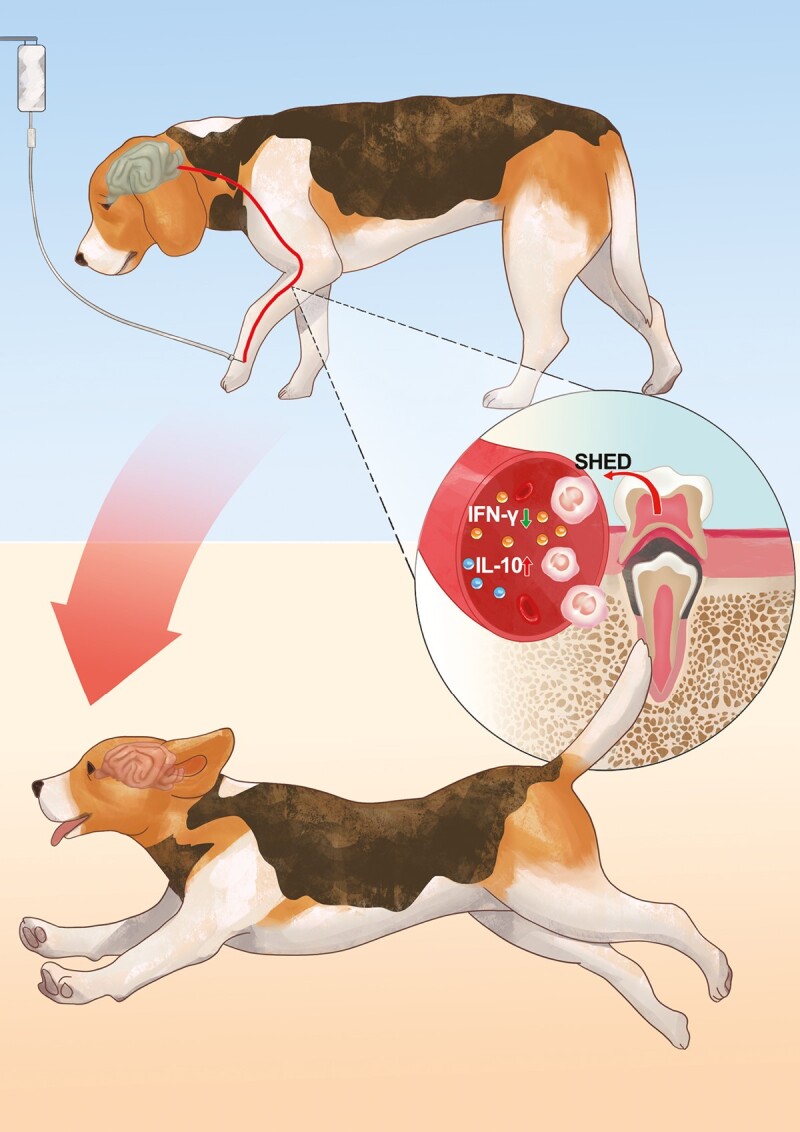
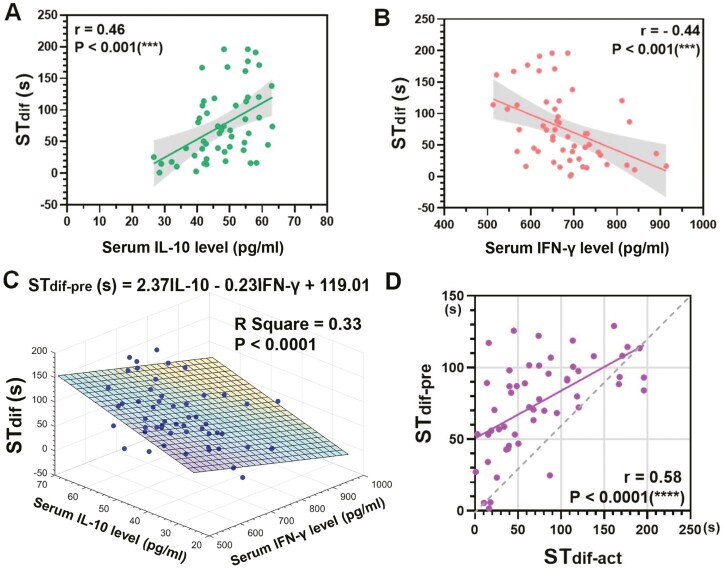
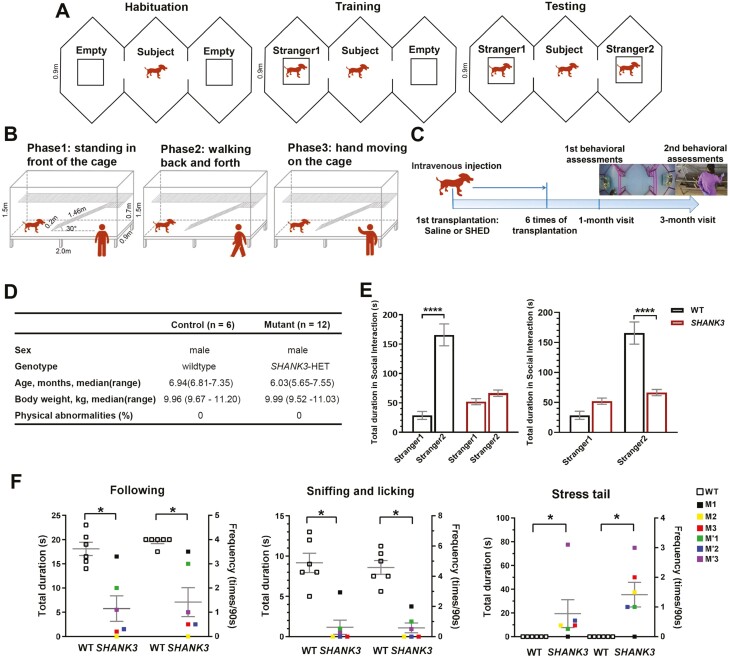
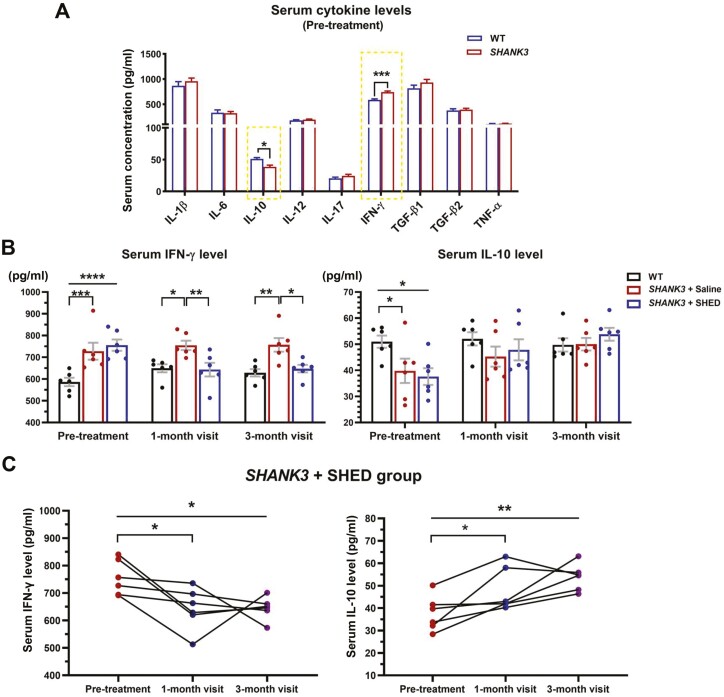
Mesenchymal stem cell-based therapy has emerged as a great potential approach to treat individuals with autism spectrum disorders (ASD), a group of developmental disabilities characterized by impairments in social interaction and communication. Stem cells from human exfoliated deciduous teeth (SHED), holding earlier developing characteristics, have immune-modulatory and anti-inflammatory properties. To investigate whether SHED transplantation can rescue autistic-like symptoms in SHANK3 mutant beagle dogs, 12 SHANK3 mutant beagle dogs were randomly assigned into 2 groups according to their behavior evaluated by social interaction tests. Six mutant dogs received 6 intravenous infusions of SHED and were followed up for 3 months by testing social interaction and inflammatory cytokine levels. We found that infusion of SHED significantly improved impaired social novel preference of SHANK3 mutant beagle dogs at 1- and 3-month follow-ups. Social intimacies (following, sniffing, and licking) between mutant beagle dogs and human experimenters were partly improved. Stressed tail posture, indicating social stress, was also significantly alleviated. In addition, we showed that the levels of serum interferon-γ and interleukin-10 were notably increased and decreased, respectively, in SHANK3 mutant beagle dogs. Infusion of SHED was able to rescue altered interferon-γ and interleukin-10 levels. We failed to observe any serious adverse events after infusion of SHED. In summary, SHED transplantation may be a safe and effective therapy for ASD. The correction in the levels of serum interferon-γ and interleukin-10 may serve as an index to predict autistic severity and therapeutic outcomes.
间充质干细胞为治疗自闭症谱系障碍(ASD)个体提供了一种很有前景的方法,ASD 是一组以社交互动和沟通障碍为特征的发育障碍。具有早期发育特征的人脱落乳牙源性间充质干细胞(SHED)具有免疫调节和抗炎特性。为了研究 SHED 移植是否可以挽救 SHANK3 突变比格犬的自闭症样症状,根据社交互动测试评估的行为,将 12 只 SHANK3 突变比格犬随机分为 2 组。6 只突变犬接受 6 次静脉输注 SHED,并在 3 个月内通过测试社交互动和炎症细胞因子水平进行随访。我们发现,输注 SHED 可显著改善 SHANK3 突变比格犬在 1 个月和 3 个月随访时受损的社交新颖偏好。突变比格犬和人类实验者之间的社交亲昵(跟随、嗅探和舔舐)部分得到改善。应激尾巴姿势,表明社交应激,也得到显著缓解。此外,我们表明血清干扰素-γ和白细胞介素-10 的水平分别显著增加和减少。SHED 输注能够挽救改变的干扰素-γ和白细胞介素-10 水平。输注 SHED 后未观察到任何严重不良事件。总之,SHED 移植可能是治疗 ASD 的一种安全有效的方法。血清干扰素-γ和白细胞介素-10 水平的校正可作为预测自闭症严重程度和治疗效果的指标。