Department of Materials and Environmental Chemistry, Stockholm University, Svante Arrhenius väg 16 C, 10691, Stockholm, Sweden.
Inorganic Chemistry, Bergische Universität Wuppertal, Gaußstraße 20, 42119, Wuppertal, Germany.
ChemSusChem. 2022 Aug 5;15(15):e202200718. doi: 10.1002/cssc.202200718. Epub 2022 Jun 22.
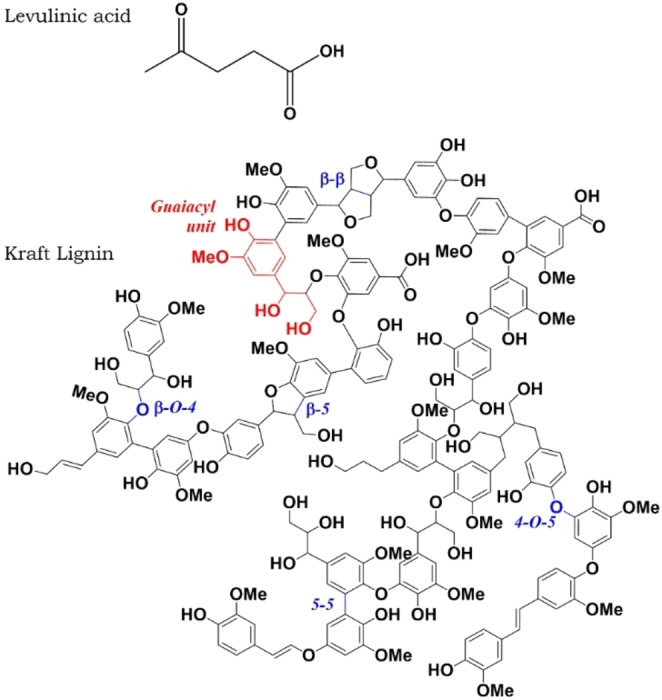
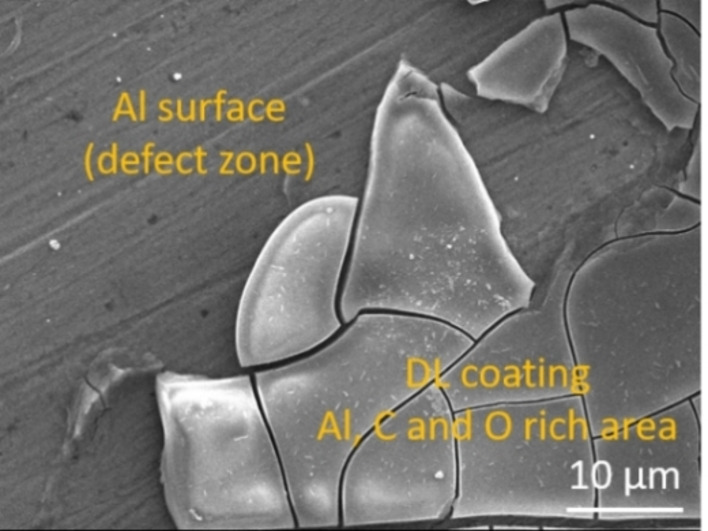
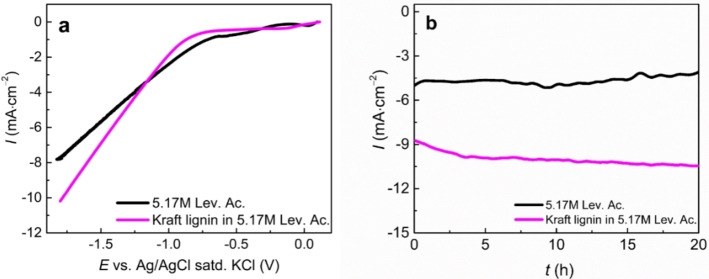
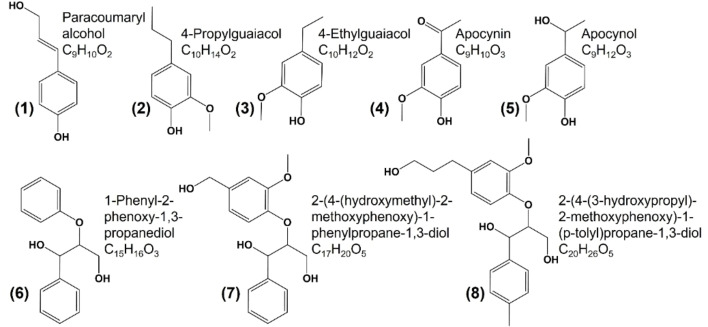
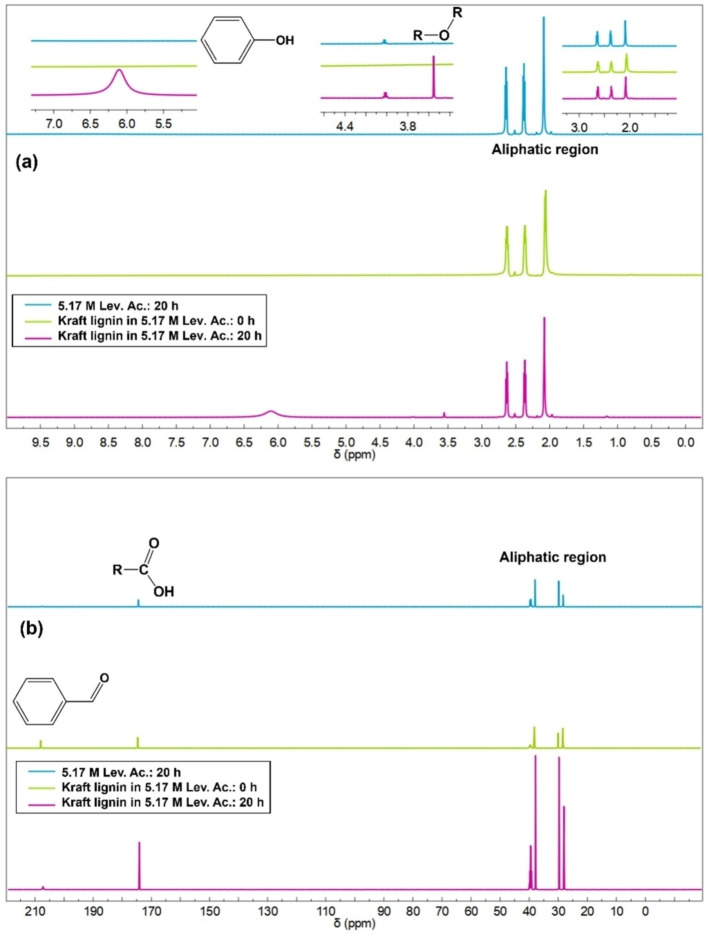
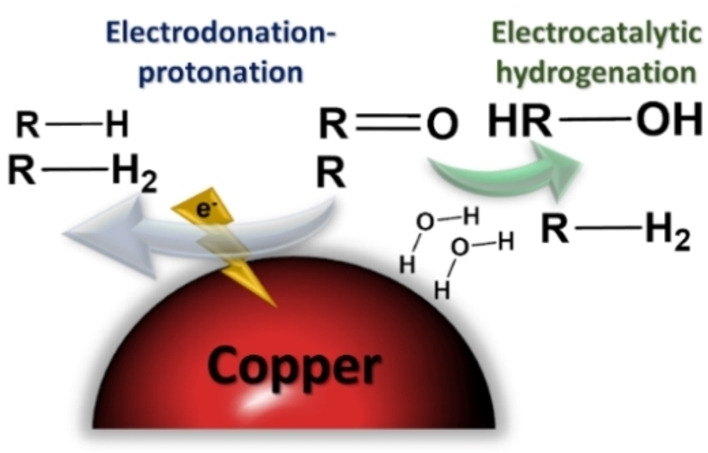
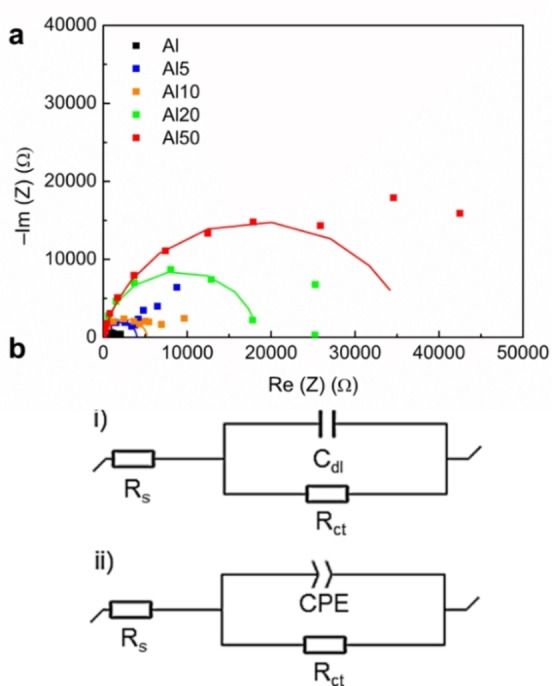
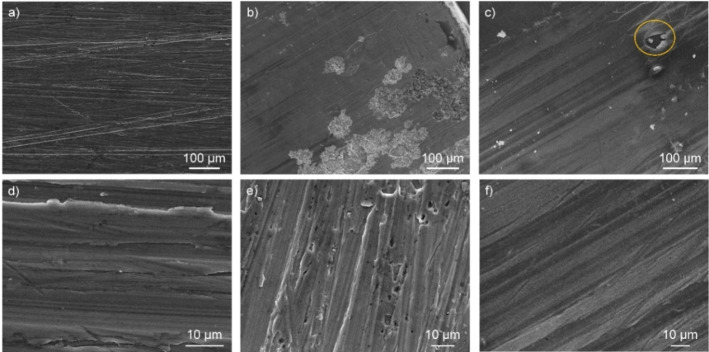
Breaking down lignin into smaller units is the key to generate high value-added products. Nevertheless, dissolving this complex plant polyphenol in an environment-friendly way is often a challenge. Levulinic acid, which is formed during the hydrothermal processing of lignocellulosic biomass, has been shown to efficiently dissolve lignin. Herein, levulinic acid was evaluated as a medium for the reductive electrochemical depolymerization of the lignin macromolecule. Copper was chosen as the electrocatalyst due to the economic feasibility and low activity towards the hydrogen evolution reaction. After depolymerization, high-resolution mass spectrometry and nuclear magnetic resonance spectroscopy revealed lignin-derived monomers and dimers. A predominance of aryl ether and phenolic groups was observed. Depolymerized lignin was further evaluated as an anti-corrosion coating, revealing enhancements on the electrochemical stability of the metal. Via a simple depolymerization process of biomass waste in a biomass-based solvent, a straightforward approach to produce high value-added compounds or tailored biobased materials was demonstrated.
将木质素分解成更小的单位是生成高附加值产品的关键。然而,以环保的方式溶解这种复杂的植物多酚通常是一个挑战。在木质纤维素生物质的水热处理过程中形成的乙酰丙酸已被证明能有效地溶解木质素。在此,乙酰丙酸被评估为木质素大分子的还原电化学解聚的介质。选择铜作为电催化剂,是因为其具有经济可行性和对析氢反应的低活性。解聚后,高分辨率质谱和核磁共振波谱揭示了木质素衍生的单体和二聚体。观察到芳基醚和酚基团占主导地位。进一步将解聚的木质素评估为一种防腐涂层,显示出对金属电化学稳定性的增强。通过在基于生物质的溶剂中对生物质废料进行简单的解聚过程,展示了一种生产高附加值化合物或定制生物基材料的简单方法。