Sadeghi Amir, Rajabnia Mohsen, Bagheri Mohammad, Jamshidizadeh Shaghayegh, Saberi Samane, Shahnazi Paria, Pasharavesh Leila, Pourhoseingholi Mohamad Amin, Mirzaei Mona, Asadzadeh Aghdaei Hamid, Zali Mohammad Reza
Gastroenterology and Liver Diseases Research Center, Research Institute for Gastroenterology and Liver Diseases, Shahid Beheshti University of Medical Sciences, Tehran, Iran.
Gastroenterol Hepatol Bed Bench. 2022 Winter;15(1):66-78.
This study aimed to evaluate the effects of factors like demographic items, comorbidities, and drug history on the inadequacy of colonic preparation before colonoscopy.
Inadequate bowel preparation can lead to lower polyp detection rates, longer procedure times, and lower cecal intubation rates.
This population-based study was conducted on 2476 Iranian adults who were referred to two tertiary centers for elective colonoscopy between 2017 and 2018. Bowel preparation quality was scored by the Boston bowel preparation scale (BBPS). Univariate and multivariate logistic regressions were used to find the independent predictors of bowel preparation inadequacy.
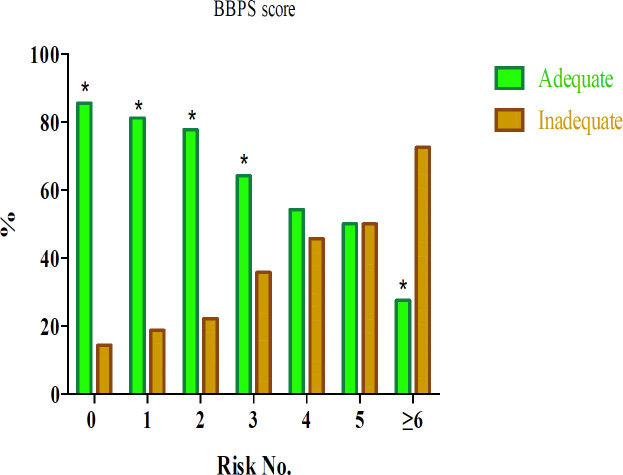
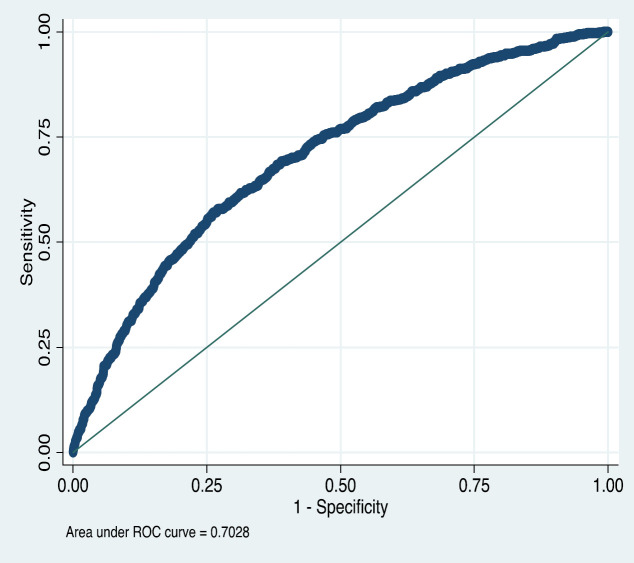
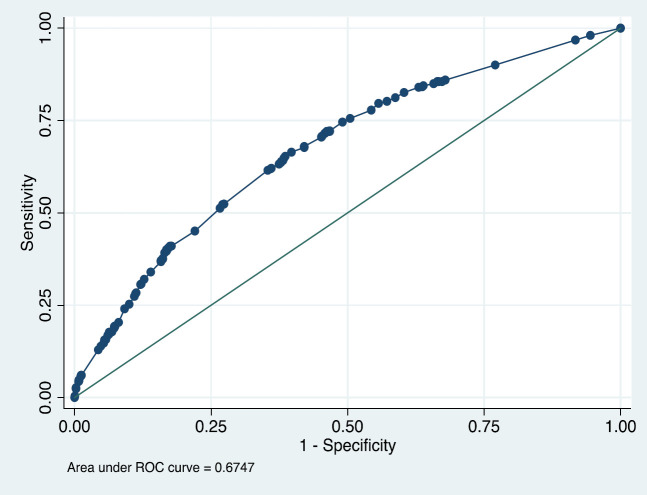
The results showed that 31.8% of patients had inadequate bowel preparation before their colonoscopy. Higher age, BMI>25, abdominal circumference>95 cm, low fruit consumption, and history of smoking were independently correlated with bowel preparation inadequacy. Additionally, using NSAIDs and SSRIs were correlated with bowel preparation adequacy in multivariate regression analysis. Finally, age, gender, ethnicity, BMI, abdominal circumference, fruit consumption, smoking, NSAIDs, SSRIs, education, constipation, physical activity, and diabetes entered the predictive model of this study. The area under the curve (AUC) reached 0.70 in the final step.
The independent risk factors associated with colonic preparation inadequacy were identified, and herein, a predictive model is suggested for identifying patients with a high risk of bowel preparation inadequacy before a colonoscopy so that alternative preparation techniques can be employed among high-risk groups to yield optimal preparation quality.
本研究旨在评估人口统计学项目、合并症和用药史等因素对结肠镜检查前结肠准备不充分的影响。
肠道准备不充分会导致息肉检出率降低、检查时间延长和盲肠插管率降低。
本基于人群的研究对2017年至2018年间转诊至两家三级中心进行择期结肠镜检查的2476名伊朗成年人进行。肠道准备质量采用波士顿肠道准备量表(BBPS)评分。采用单因素和多因素逻辑回归分析来寻找肠道准备不充分的独立预测因素。
结果显示,31.8%的患者在结肠镜检查前肠道准备不充分。年龄较大、BMI>25、腹围>95 cm、水果摄入量低和吸烟史与肠道准备不充分独立相关。此外,在多因素回归分析中,使用非甾体抗炎药(NSAIDs)和选择性5-羟色胺再摄取抑制剂(SSRIs)与肠道准备充分相关。最后,年龄、性别、种族、BMI、腹围、水果摄入量、吸烟、NSAIDs、SSRIs、教育程度、便秘、身体活动和糖尿病进入了本研究的预测模型。最后一步曲线下面积(AUC)达到0.70。
确定了与结肠准备不充分相关的独立危险因素,在此提出一个预测模型,用于识别结肠镜检查前肠道准备不充分风险较高的患者,以便在高危人群中采用替代准备技术,以获得最佳的准备质量。