Department of Medicine, Jagiellonian University Medical College, Krakow, Poland.
Institute of Cardiovascular and Medical Sciences, University of Glasgow, Glasgow, United Kingdom.
J Clin Invest. 2022 Jul 1;132(13). doi: 10.1172/JCI149117.
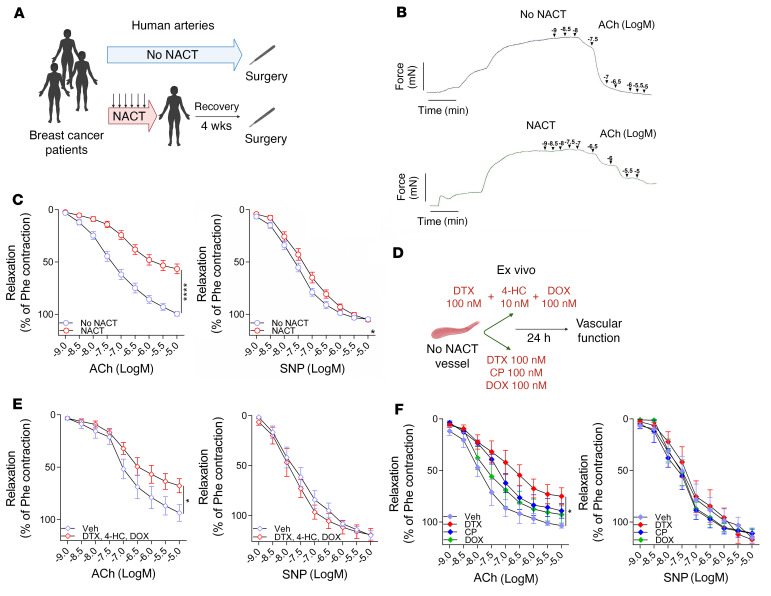
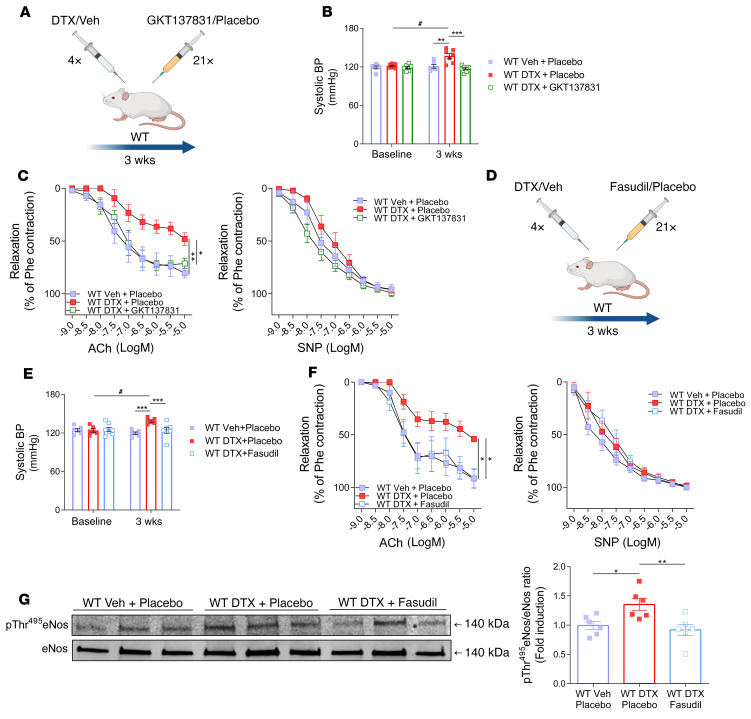
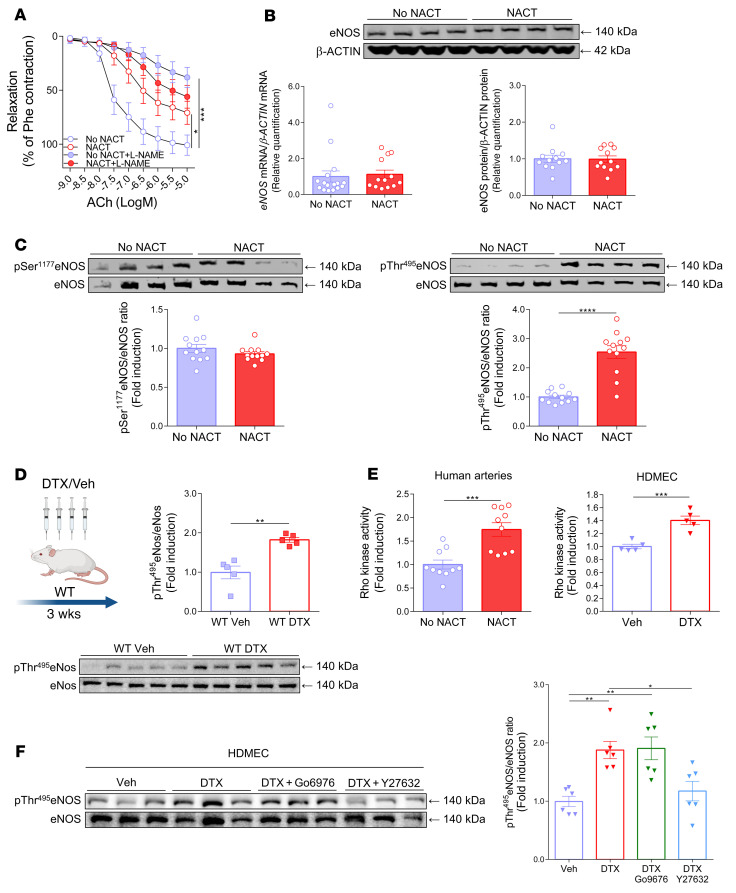
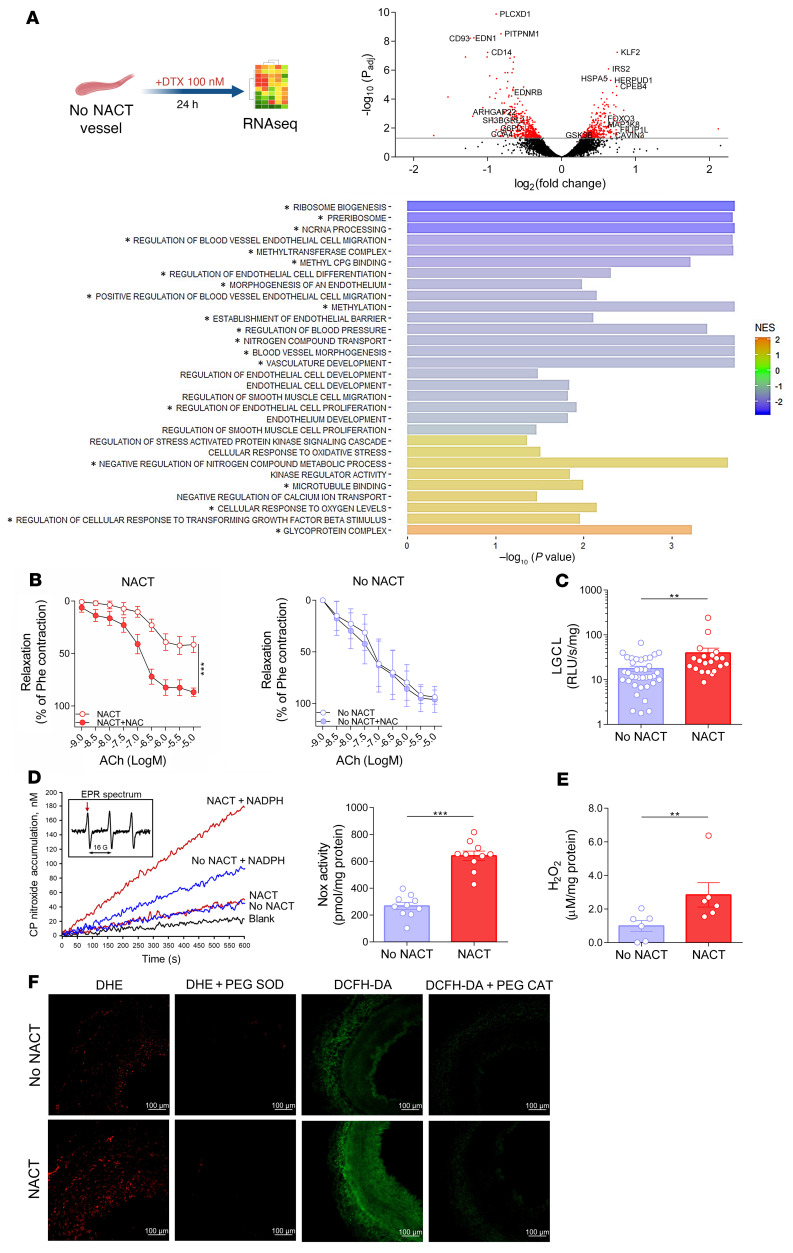
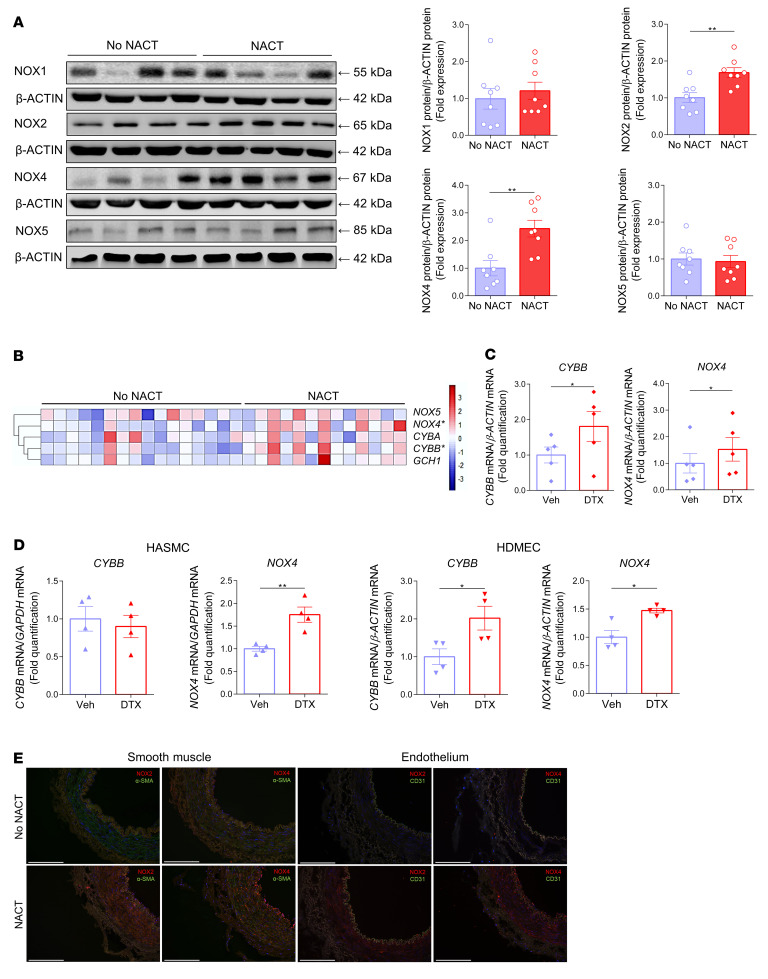
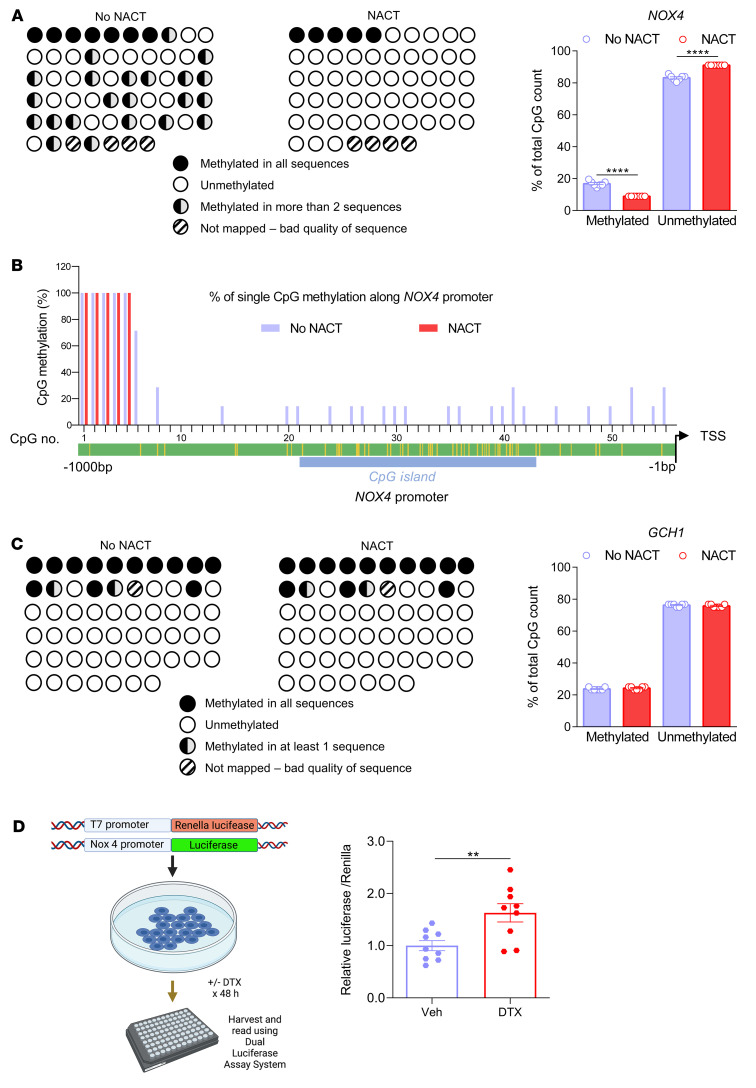
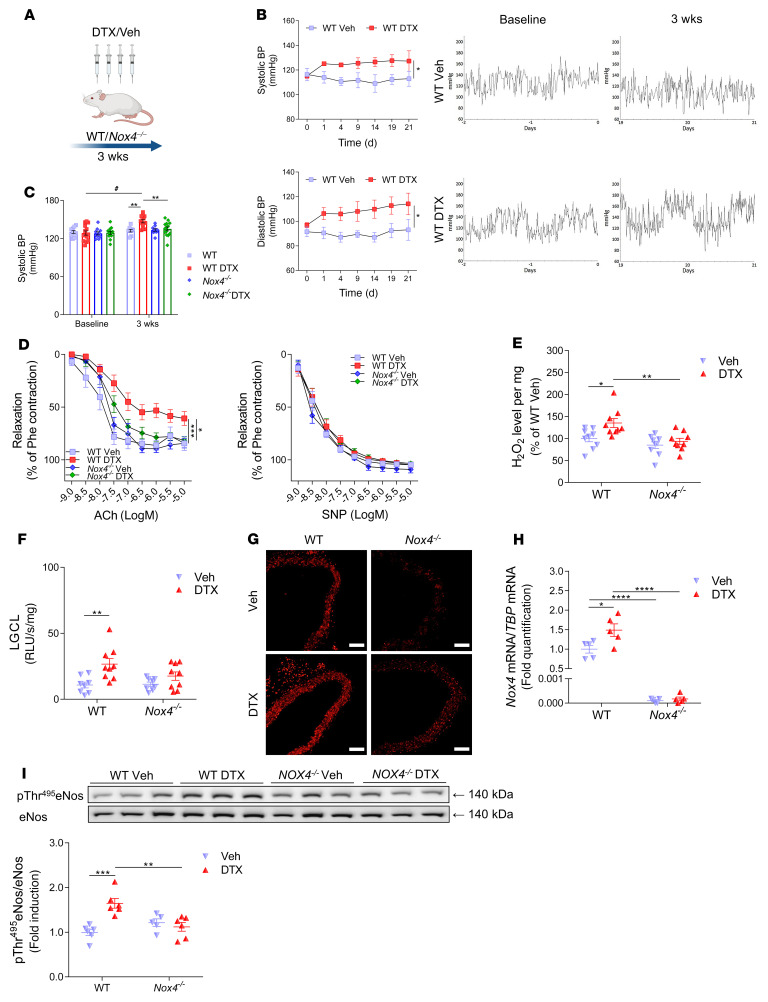
Cardiovascular disease is the major cause of morbidity and mortality in breast cancer survivors. Chemotherapy contributes to this risk. We aimed to define the mechanisms of long-term vascular dysfunction caused by neoadjuvant chemotherapy (NACT) and identify novel therapeutic targets. We studied arteries from postmenopausal women who had undergone breast cancer treatment using docetaxel, doxorubicin, and cyclophosphamide (NACT) and from women with no history of such treatment matched for key clinical parameters. We explored mechanisms in WT and Nox4-/- mice and in human microvascular endothelial cells. Endothelium-dependent, NO-mediated vasodilatation was severely impaired in patients after NACT, while endothelium-independent responses remained normal. This was mimicked by a 24-hour exposure of arteries to NACT agents ex vivo. When applied individually, only docetaxel impaired endothelial function in human vessels. Mechanistic studies showed that NACT increased inhibitory eNOS phosphorylation of threonine 495 in a Rho-associated protein kinase-dependent (ROCK-dependent) manner and augmented vascular superoxide and hydrogen peroxide production and NADPH oxidase activity. Docetaxel increased expression of the NADPH oxidase NOX4 in endothelial and smooth muscle cells and NOX2 in the endothelium. A NOX4 increase in human arteries may be mediated epigenetically by diminished DNA methylation of the NOX4 promoter. Docetaxel induced endothelial dysfunction and hypertension in mice, and these were prevented in Nox4-/- mice and by pharmacological inhibition of Nox4 or Rock. Commonly used chemotherapeutic agents and, in particular, docetaxel alter vascular function by promoting the inhibitory phosphorylation of eNOS and enhancing ROS production by NADPH oxidases.
心血管疾病是乳腺癌幸存者发病率和死亡率的主要原因。化疗会增加这种风险。我们旨在确定新辅助化疗(NACT)引起的长期血管功能障碍的机制,并确定新的治疗靶点。我们研究了接受多西紫杉醇、阿霉素和环磷酰胺(NACT)治疗的绝经后乳腺癌患者以及没有此类治疗史的女性的动脉,这些女性在关键临床参数方面相匹配。我们在 WT 和 Nox4-/- 小鼠以及人微血管内皮细胞中探索了机制。NACT 后患者的内皮依赖性、NO 介导的血管舒张严重受损,而内皮非依赖性反应仍然正常。这与在体外用 NACT 药物对动脉进行 24 小时暴露相模拟。当单独应用时,只有多西紫杉醇会损害人血管的内皮功能。机制研究表明,NACT 以依赖 Rho 相关蛋白激酶(ROCK 依赖)的方式增加抑制性 eNOS 苏氨酸 495 的磷酸化,并增加血管超氧化物和过氧化氢的产生和 NADPH 氧化酶活性。多西紫杉醇增加了内皮和平滑肌细胞中的 NADPH 氧化酶 NOX4 和内皮中的 NOX2 的表达。人动脉中 NOX4 的增加可能通过 NOX4 启动子的 DNA 甲基化减少而受到表观遗传调节。多西紫杉醇在小鼠中诱导内皮功能障碍和高血压,而在 Nox4-/- 小鼠中和通过抑制性 NOX4 或 Rock 的药理学抑制可以预防这些情况。常用的化疗药物,特别是多西紫杉醇,通过促进 eNOS 的抑制性磷酸化和增强 NADPH 氧化酶产生的 ROS 来改变血管功能。