Division of Anaesthesia, School of Clinical Medicine, University of Cambridge, Cambridge, UK.
Department of Clinical Neurosciences, University of Cambridge, Cambridge, UK.
Nat Neurosci. 2022 Jun;25(6):771-782. doi: 10.1038/s41593-022-01070-0. Epub 2022 May 26.
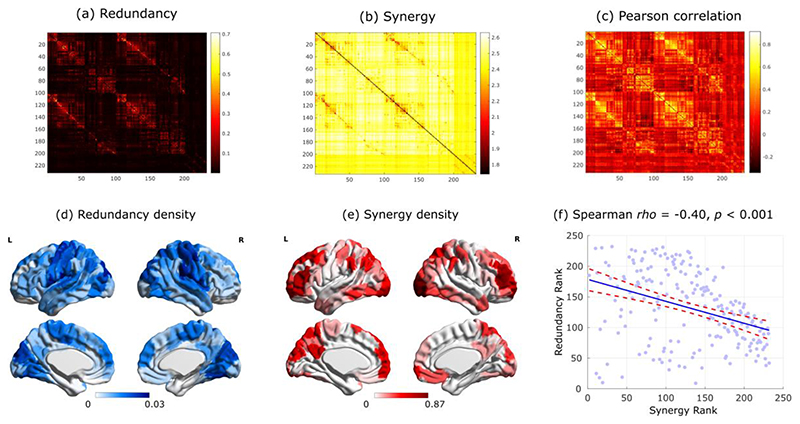
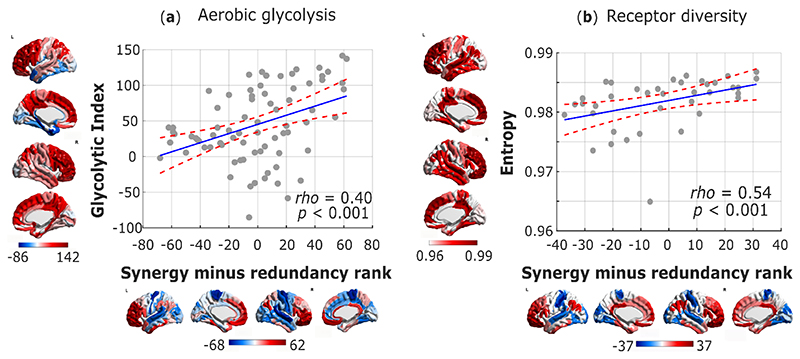
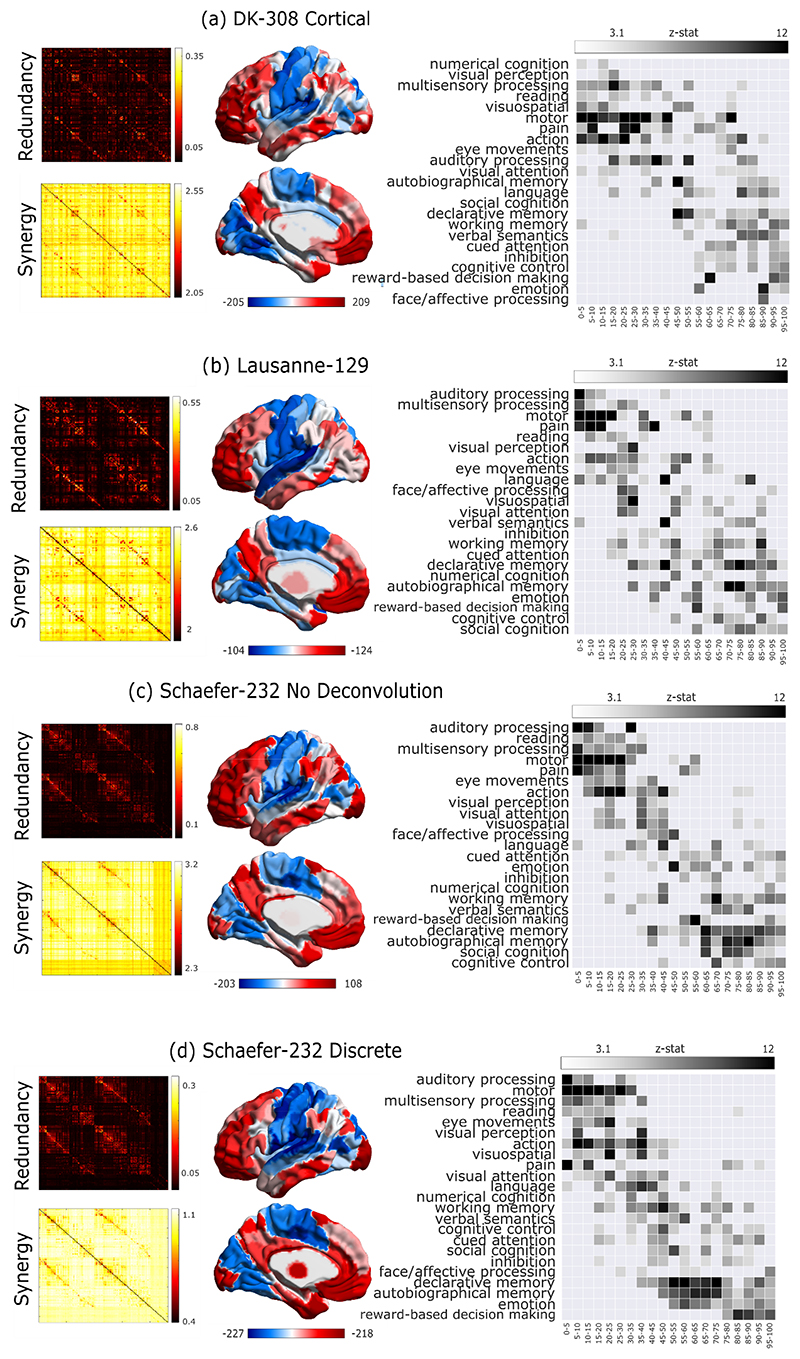
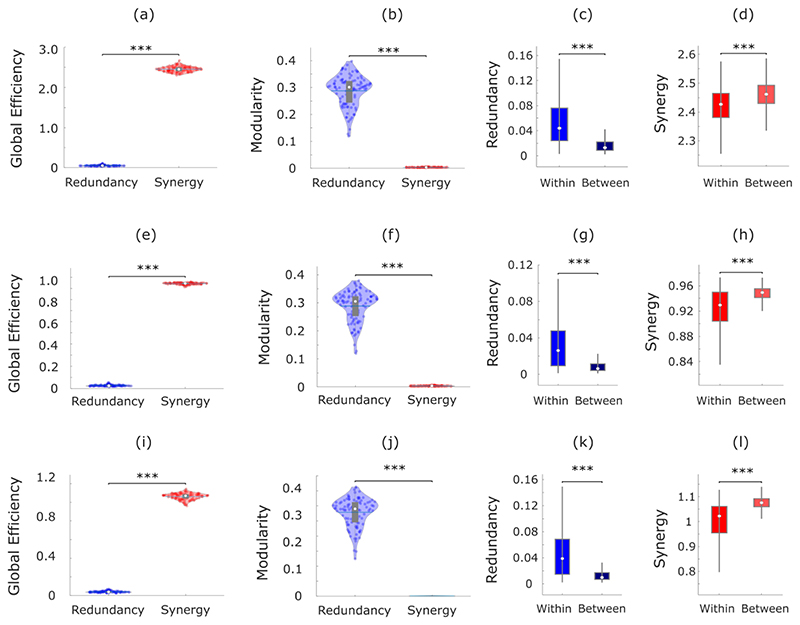
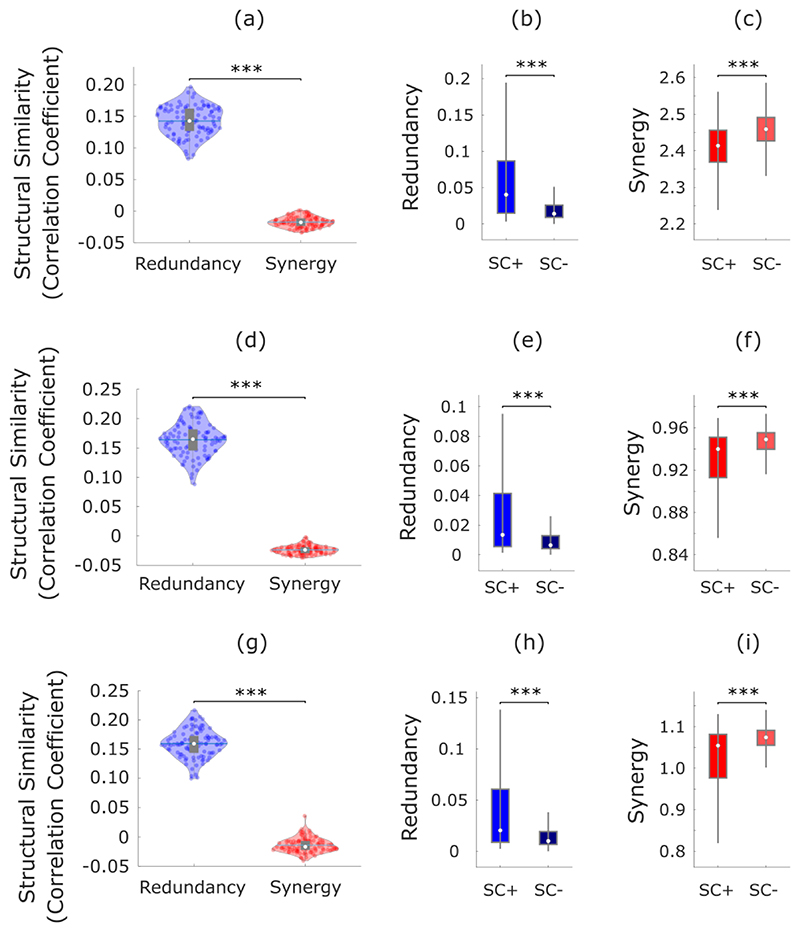
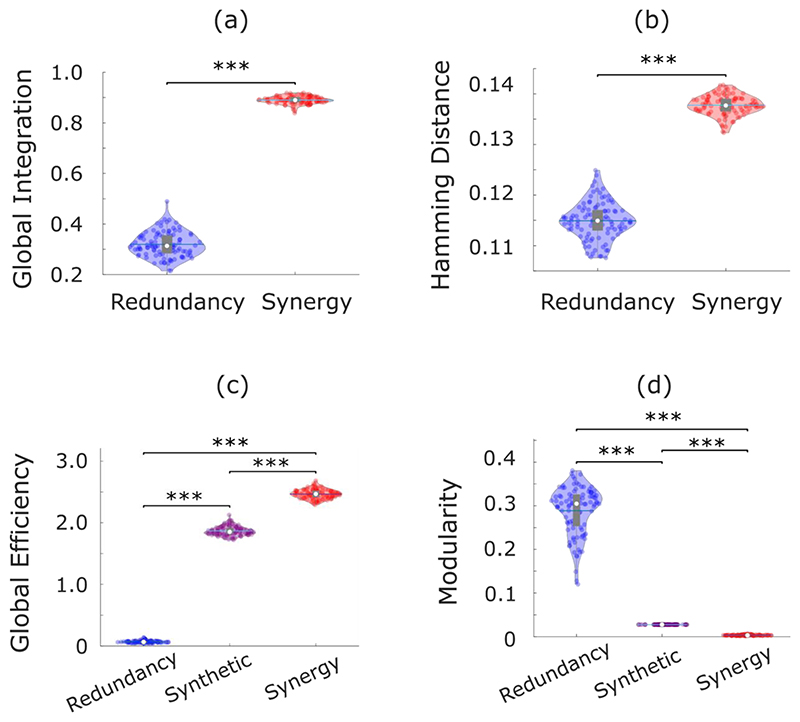
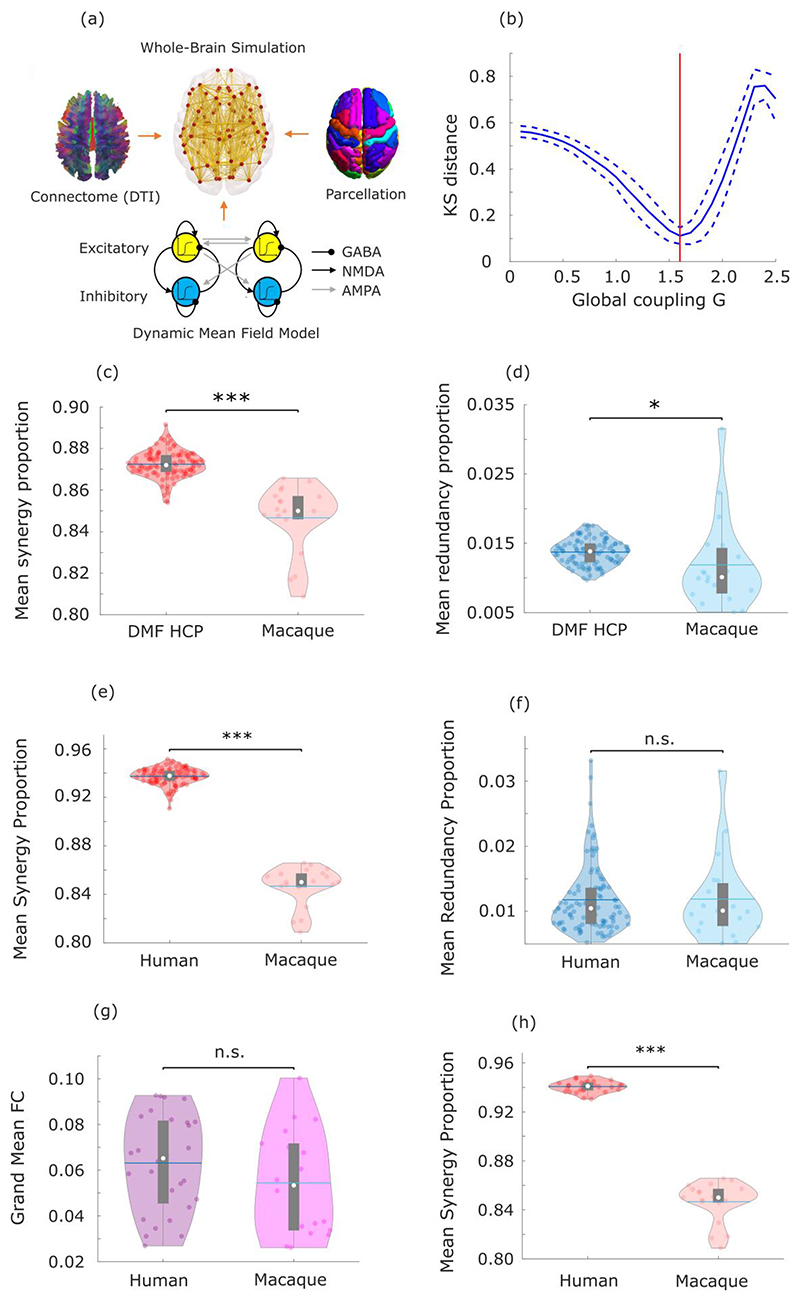
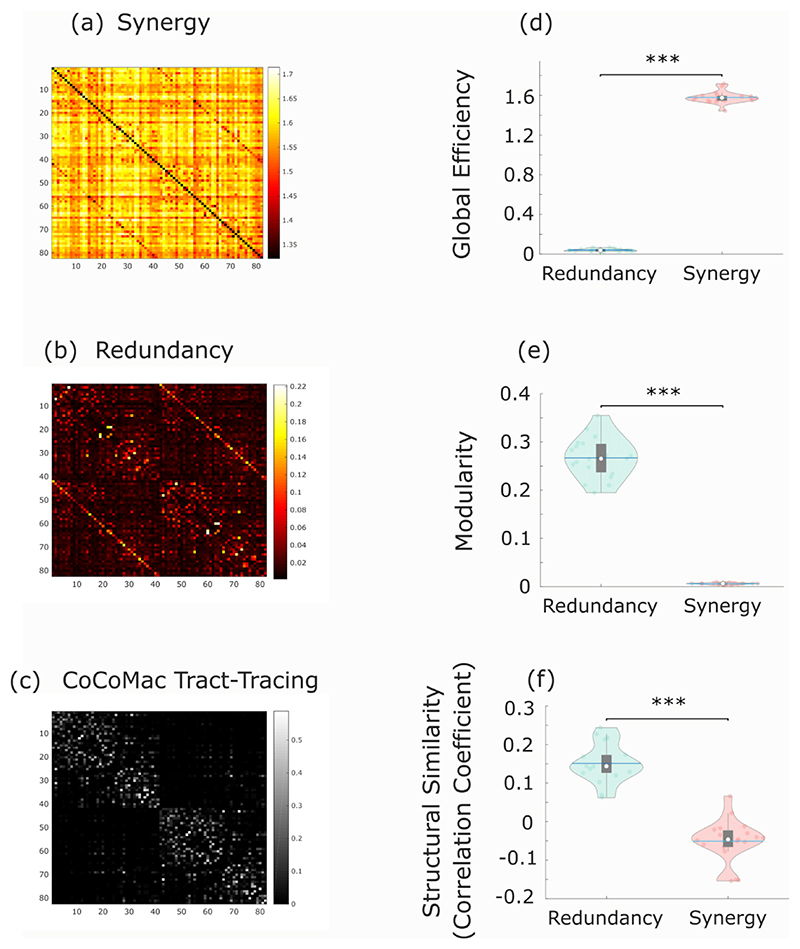
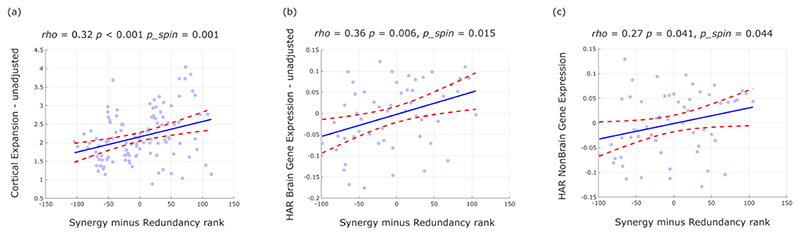
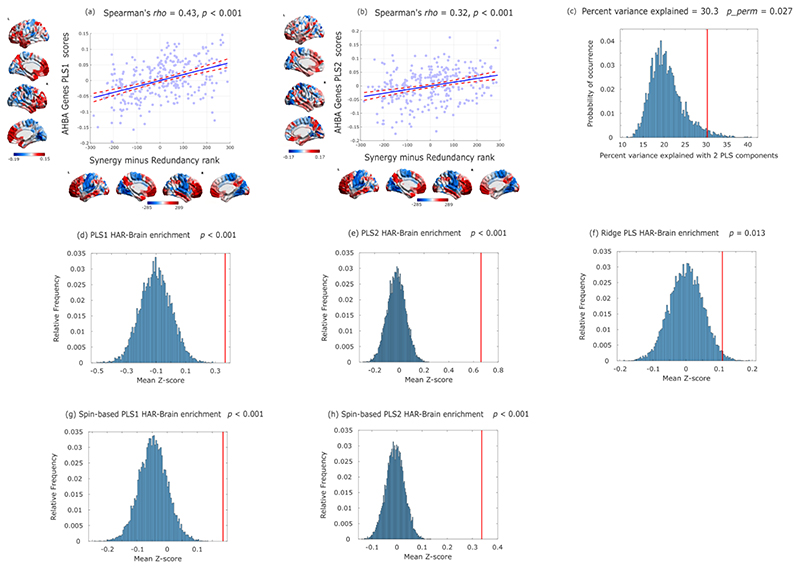
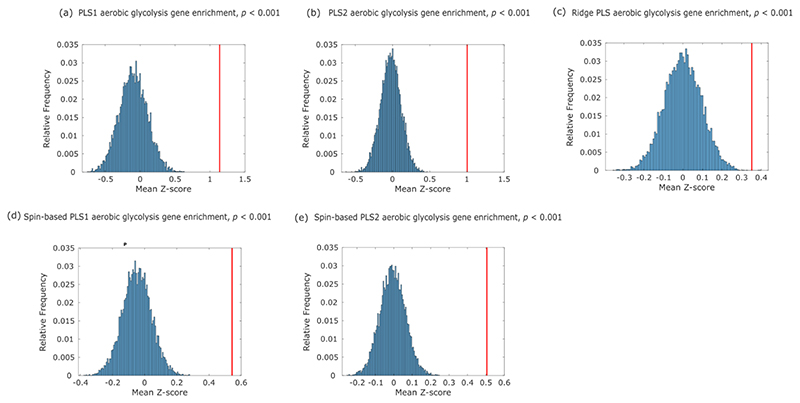
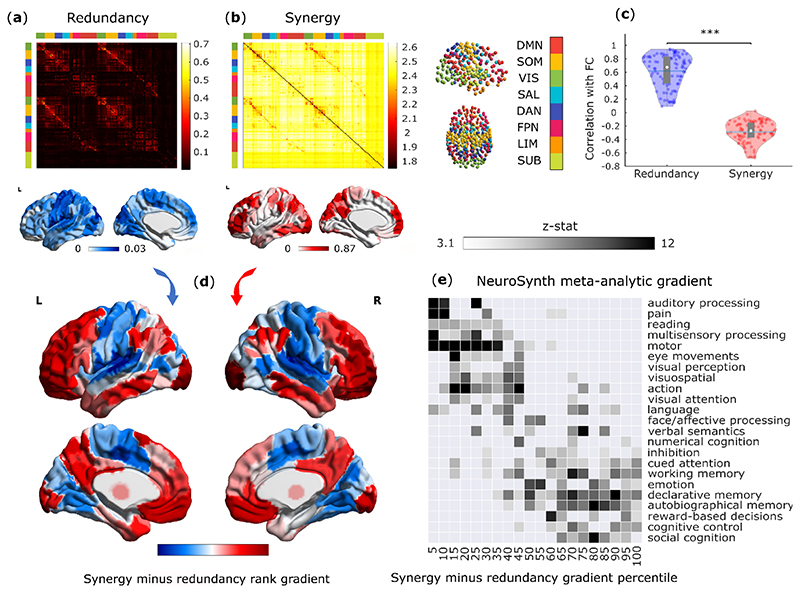
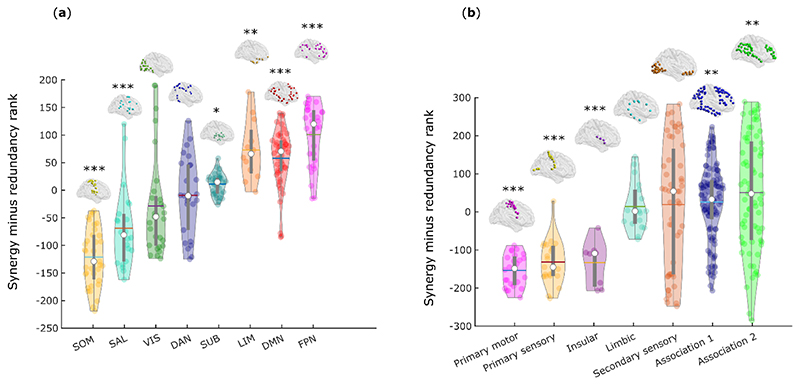
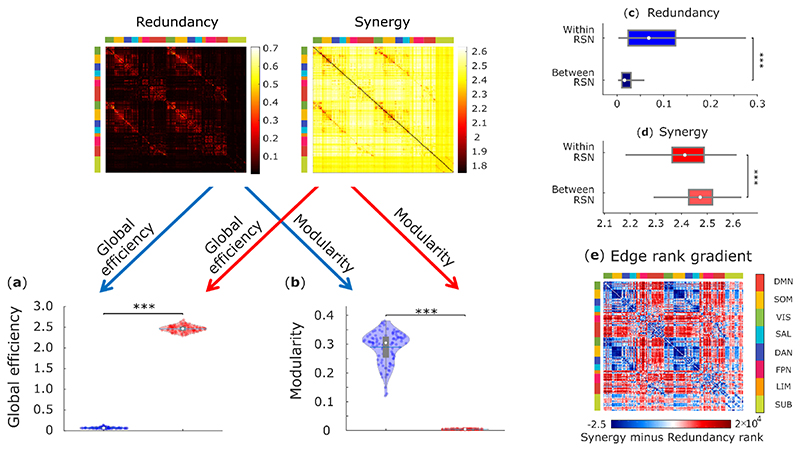
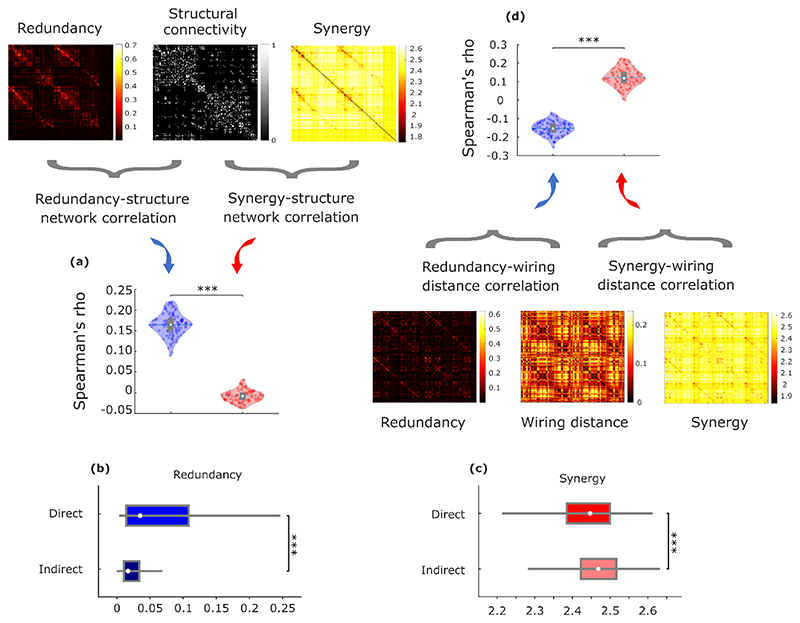
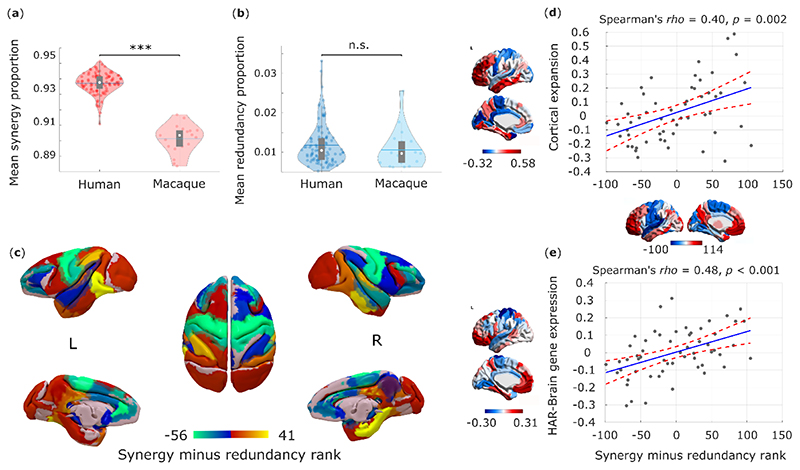
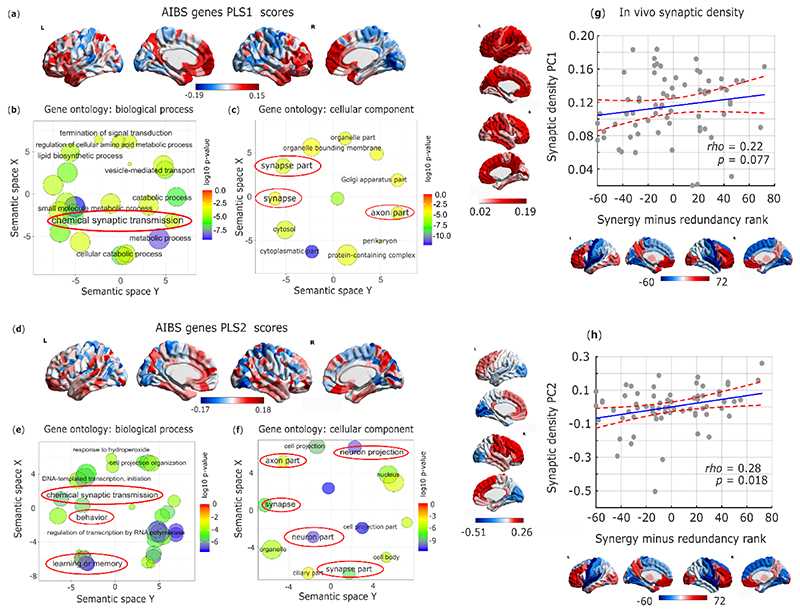
How does the organization of neural information processing enable humans' sophisticated cognition? Here we decompose functional interactions between brain regions into synergistic and redundant components, revealing their distinct information-processing roles. Combining functional and structural neuroimaging with meta-analytic results, we demonstrate that redundant interactions are predominantly associated with structurally coupled, modular sensorimotor processing. Synergistic interactions instead support integrative processes and complex cognition across higher-order brain networks. The human brain leverages synergistic information to a greater extent than nonhuman primates, with high-synergy association cortices exhibiting the highest degree of evolutionary cortical expansion. Synaptic density mapping from positron emission tomography and convergent molecular and metabolic evidence demonstrate that synergistic interactions are supported by receptor diversity and human-accelerated genes underpinning synaptic function. This information-resolved approach provides analytic tools to disentangle information integration from coupling, enabling richer, more accurate interpretations of functional connectivity, and illuminating how the human neurocognitive architecture navigates the trade-off between robustness and integration.
神经信息处理的组织如何使人类拥有复杂的认知?在这里,我们将大脑区域之间的功能相互作用分解为协同和冗余成分,揭示它们不同的信息处理作用。我们结合功能和结构神经影像学以及荟萃分析结果,证明冗余相互作用主要与结构上耦联的、模块化的感觉运动处理相关。协同相互作用则支持高阶脑网络中的整合过程和复杂认知。与非人类灵长类动物相比,人类大脑更多地利用协同信息,高协同性联合皮层表现出最高程度的进化皮层扩张。正电子发射断层扫描的突触密度映射以及趋同的分子和代谢证据表明,协同相互作用由受体多样性和支持突触功能的人类加速基因支持。这种解析信息的方法提供了分析工具,可以将信息整合与耦合区分开来,从而更丰富、更准确地解释功能连接,并阐明人类神经认知架构如何在稳健性和整合之间进行权衡。