Xiong Qiangqiang, Sun Changhui, Shi Hong, Cai Shuo, Xie Hengwang, Liu Fangping, Zhu Jinyan
Jiangxi Irrigation Experiment Central Station, Nanchang 330201, China.
Jiangsu Key Laboratory of Crop Genetics and Physiology/Jiangsu Key Laboratory of Crop Cultivation and Physiology, Agricultural College, Yangzhou University, Yangzhou 225009, China.
Foods. 2022 May 22;11(10):1508. doi: 10.3390/foods11101508.
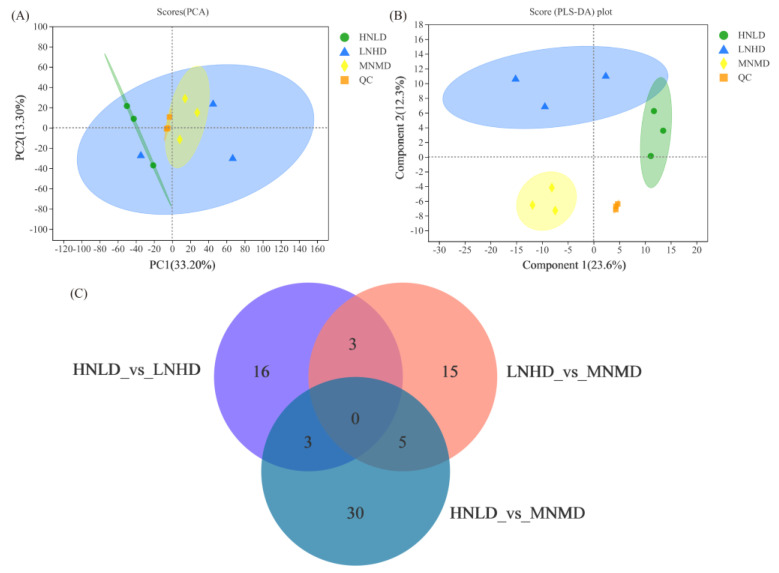
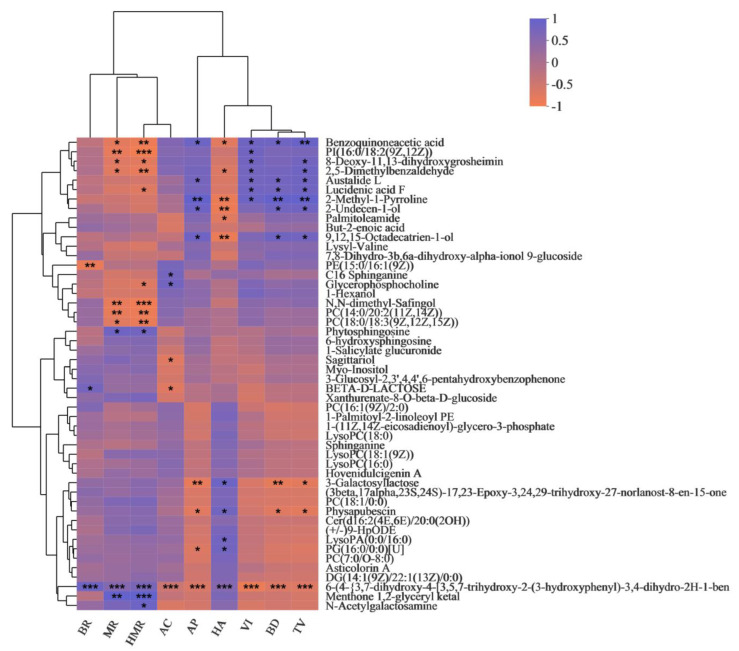
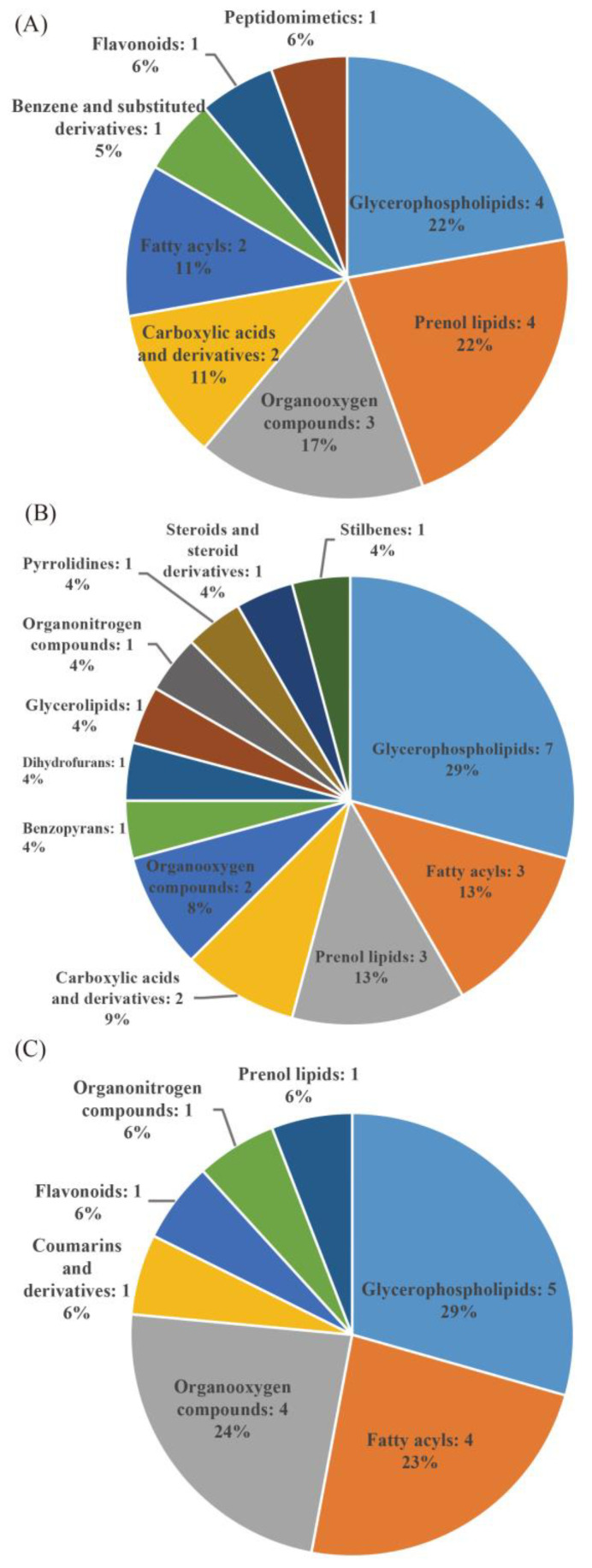
The aim of this study was to explore the differences in metabolites related to rice quality formation under different nitrogen (N) fertilizers and planting densities. In this study, Yangnongxiang 28 was used as the experimental material with the following conditions: high nitrogen and low density (HNLD; high nitrogen: 360 kg·hm, low density: the row spacing of rice plants was 16 cm × 30 cm), medium nitrogen and medium density (MNMD; medium nitrogen: 270 kg·hm, medium density: the row spacing of rice plants was 13 cm × 30 cm), and low nitrogen and high density (LNHD; low nitrogen: 270 kg·hm, high density: the row spacing of rice plants was 10 cm × 30 cm). The rice quality indexes, including the processing quality, amylose content, and taste value, were compared under different treatments, and we analyzed their relationship with the metabolites. The results show that the milled rice rate of HNLD was 13.85% and was 1.89% higher than that of LNHD and MNMD, respectively. The head milled rice rate of HNLD was 32.45% and 6.39% higher than that of LNHD and MNMD, respectively. The milled rice rate and head milled rice rate of HNLD and MNMD were significantly higher than those of LNHD. This study identified 22 differential metabolites (DMs) in HNLD and LNHD, 38 DMs in HNLD and MNMD, and 23 DMs in LNHD and MNMD. Most of the identified differential metabolites were lipid metabolites, which were mainly enriched in the lipid metabolic pathways and amino acid metabolic pathways. The correlation analysis showed that the lipid metabolite physapubescin was significantly negatively correlated with the taste value. The lipid metabolites 2-undecen-1-ol, lucidenic acid F, and 8-deoxy-11,13-dihydroxygrosheimin were significantly positively correlated with the taste value. Lipids may be important substances that lead to differences in taste under different nitrogen fertilizer and density treatments.
本研究旨在探讨不同氮肥和种植密度下与水稻品质形成相关的代谢物差异。本研究以扬农香28为试验材料,设置以下处理:高氮低密度(HNLD;高氮:360 kg·hm,低密度:水稻行距为16 cm×30 cm)、中氮中密度(MNMD;中氮:270 kg·hm,中密度:水稻行距为13 cm×30 cm)和低氮高密度(LNHD;低氮:270 kg·hm,高密度:水稻行距为10 cm×30 cm)。比较不同处理下水稻的品质指标,包括加工品质、直链淀粉含量和食味值,并分析它们与代谢物的关系。结果表明,HNLD的糙米率为13.85%,分别比LNHD和MNMD高1.89%。HNLD的整精米率为32.45%,分别比LNHD和MNMD高6.39%。HNLD和MNMD的糙米率和整精米率显著高于LNHD。本研究在HNLD和LNHD中鉴定出22种差异代谢物(DMs),在HNLD和MNMD中鉴定出38种DMs,在LNHD和MNMD中鉴定出23种DMs。鉴定出的差异代谢物大多为脂质代谢物,主要富集在脂质代谢途径和氨基酸代谢途径中。相关性分析表明,脂质代谢物去氢催吐萝芙木醇与食味值显著负相关。脂质代谢物2-十一碳烯-1-醇、光泽酸F和8-脱氧-11,13-二羟基格罗舍明与食味值显著正相关。脂质可能是导致不同氮肥和密度处理下食味差异的重要物质。