Zhengzhou Research Base, State Key Laboratory of Cotton Biology, School of Agricultural Sciences, Zhengzhou University, Zhengzhou 450001, China.
State Key Laboratory of Cotton Biology, Institute of Cotton Research, Chinese Academy of Agricultural Sciences, Anyang 455000, China.
Genes (Basel). 2022 Apr 26;13(5):765. doi: 10.3390/genes13050765.
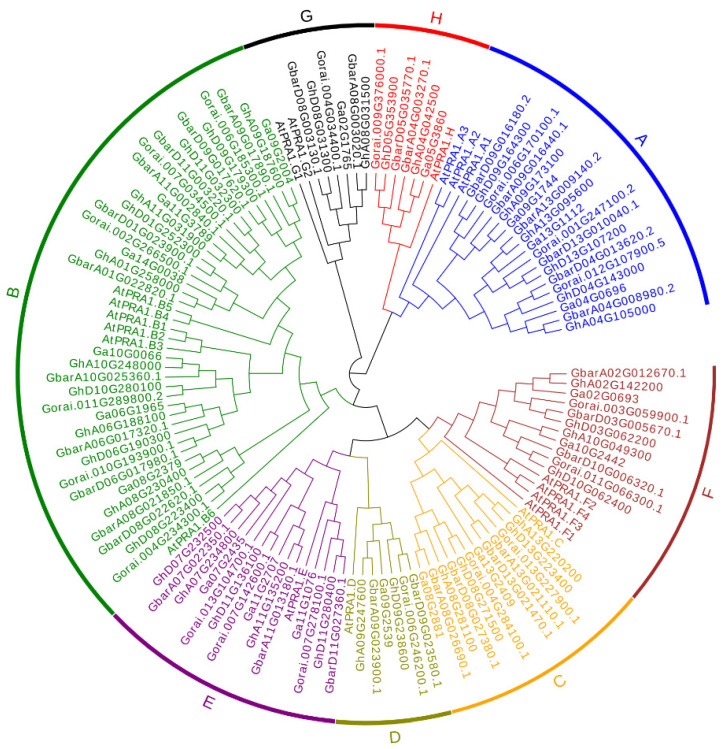
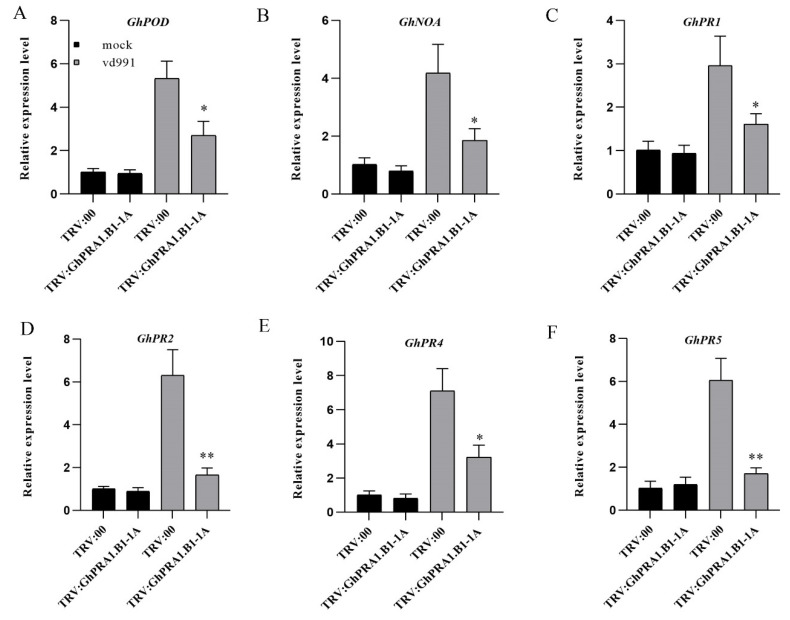
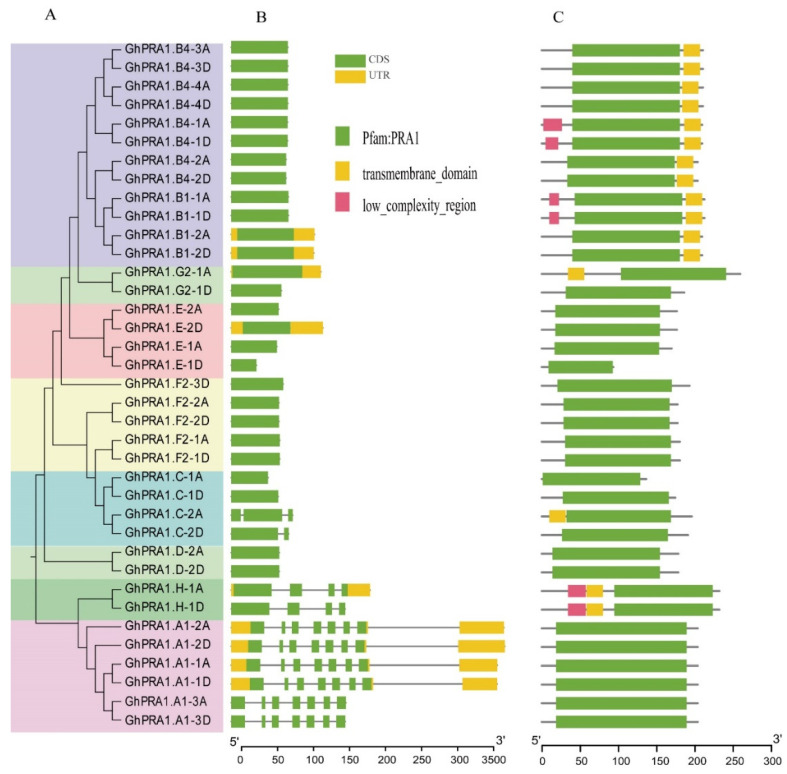
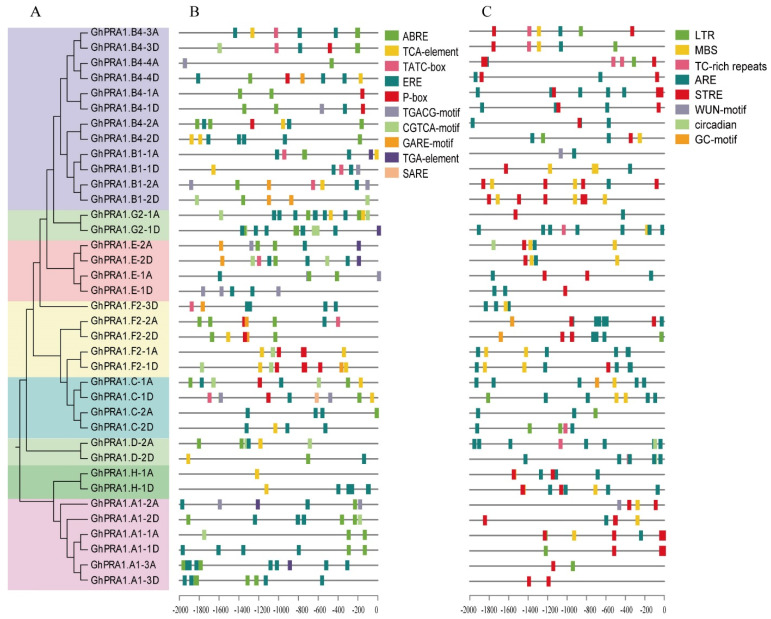
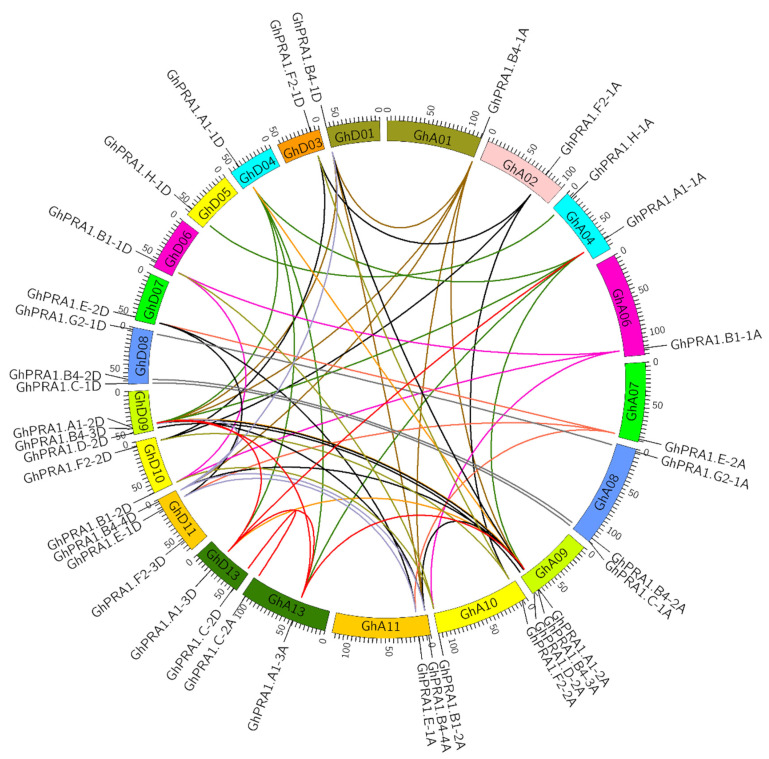
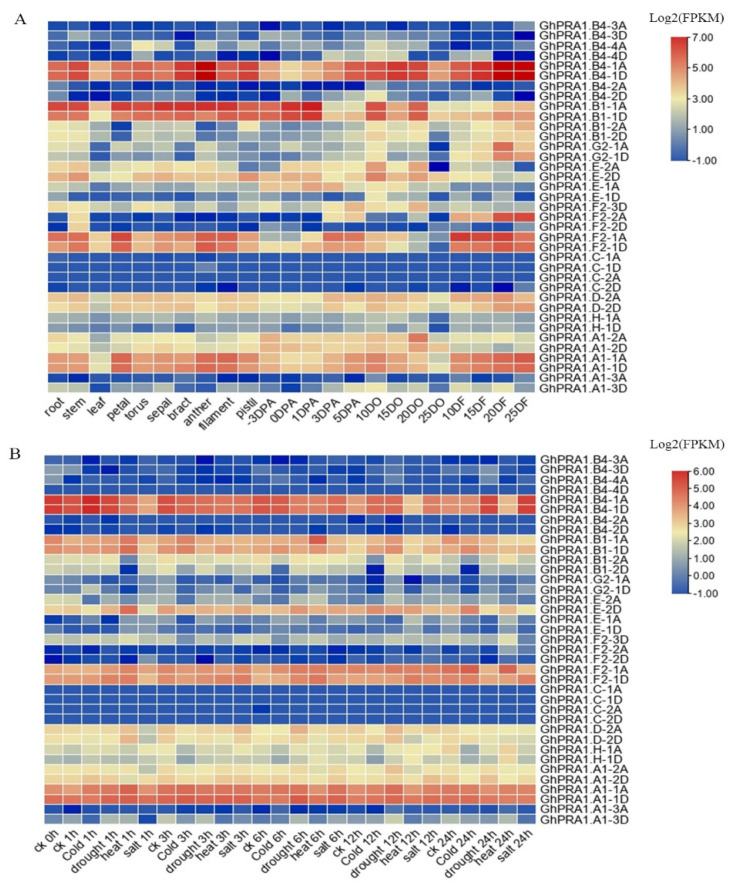
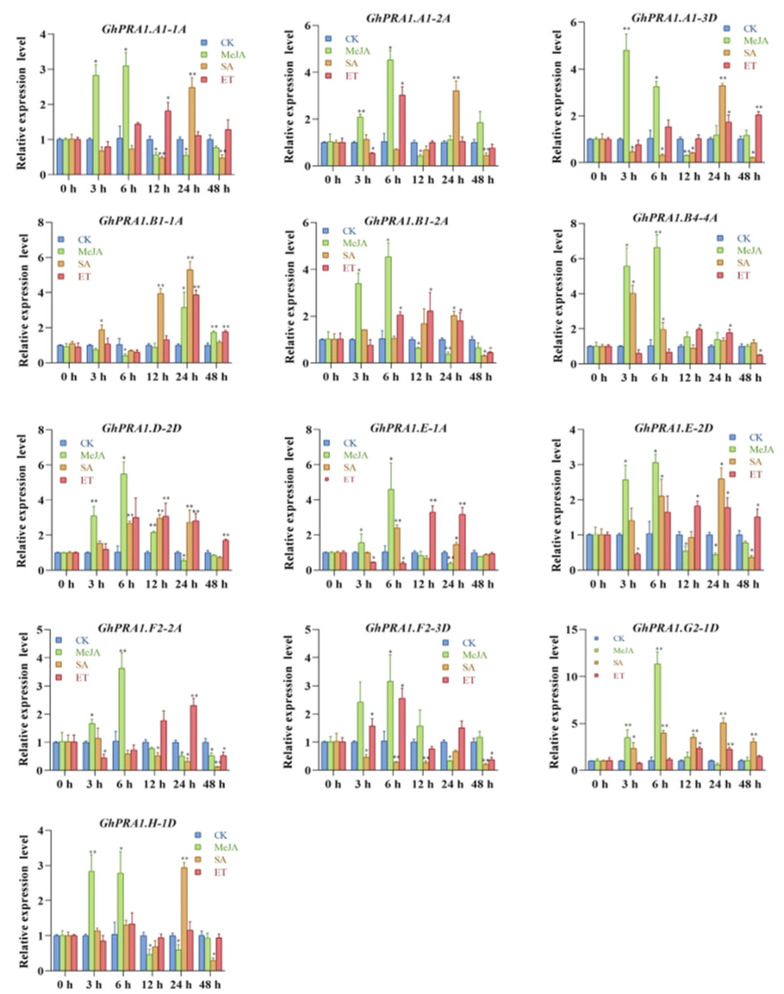
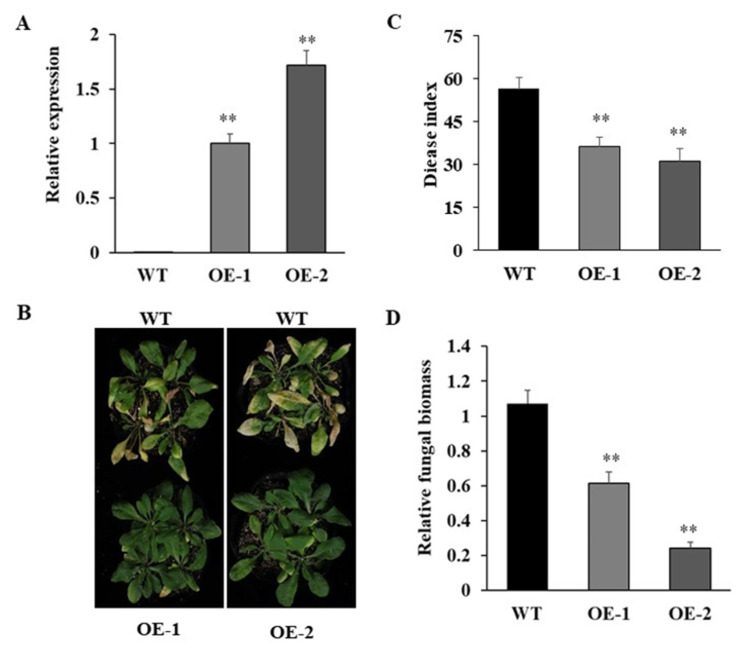
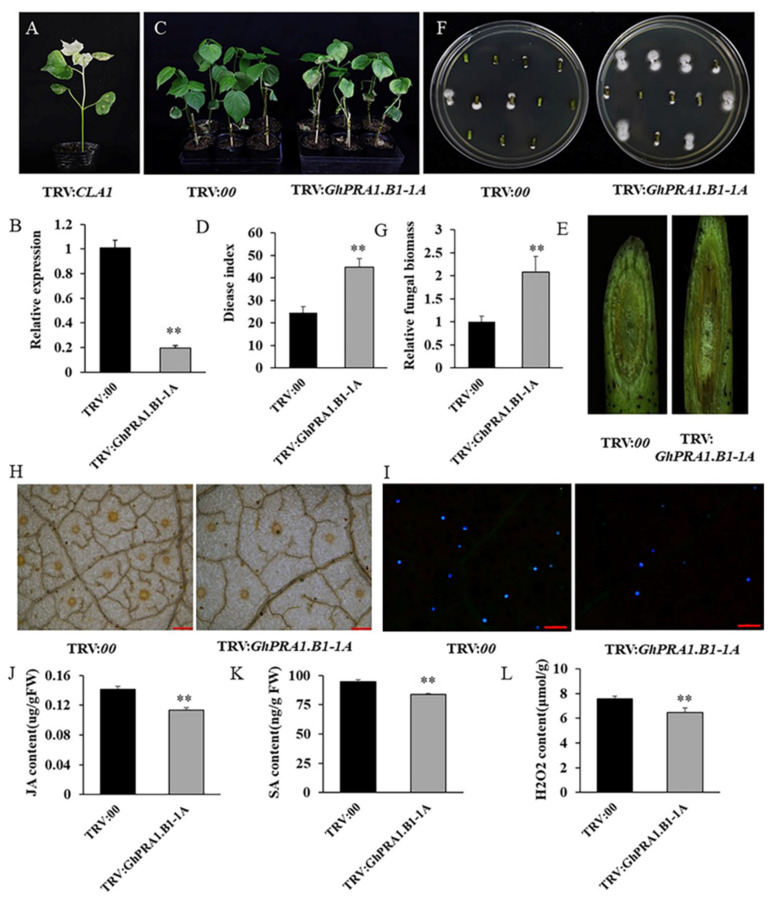
Verticillium wilt in cotton () is primarily caused by . Previous data suggest that prenylated RAB acceptors (PRAs) play essential roles in environmental plant adaptation, although the potential roles of PRA1 in cotton are unclear. Therefore, in this study, PRA1 family members were identified in , and their roles in biotic and abiotic stresses were analyzed. Thirty-seven GhPRA1 family members were identified in upland cotton, which were divided into eight groups. Gene structure and domain analyses revealed that the sequences of GhPRA1 members in each group were highly conserved. Many environmental stress-related and hormone-response -acting elements were identified in the promoter regions, indicating that they may respond to biotic and abiotic stresses. Expression analysis revealed that members were widely expressed in upland cotton. The genes responded to abiotic stress: drought, cold, salt, and heat stress. expression increased after infection. Furthermore, the functional role of was confirmed by overexpression in , which enhanced the resistance to In contrast, resistance was significantly weakened via virus-induced gene silencing of in upland cotton. Simultaneously, reactive oxygen species accumulation; the HO, salicylic acid, and jasmonic acid contents; and callose deposition were significantly decreased in cotton plants with silencing. These findings contribute to a better understanding of the biological roles of proteins and provide candidate genes for cotton breeders for breeding -resistant cultivars.
棉花黄萎病主要由 引起。先前的数据表明,类异戊二烯化 RAB 受体(PRAs)在植物适应环境方面发挥着重要作用,尽管 PRA1 在棉花中的潜在作用尚不清楚。因此,在本研究中,鉴定了陆地棉中的 PRA1 家族成员,并分析了它们在生物和非生物胁迫中的作用。在陆地棉中鉴定出 37 个 GhPRA1 家族成员,它们分为 8 组。基因结构和结构域分析表明,每组 GhPRA1 成员的序列高度保守。在 启动子区域中鉴定出许多与环境胁迫和激素响应相关的元件,表明它们可能对生物和非生物胁迫做出响应。表达分析表明, 成员在陆地棉中广泛表达。这些基因响应非生物胁迫:干旱、寒冷、盐和热胁迫。 感染后表达增加。此外,通过在 中过表达 证实了 的功能作用,这增强了对 的抗性。相比之下,通过在陆地棉中病毒诱导的基因沉默来沉默 ,则显著减弱了 的抗性。同时,沉默 显著降低了棉花植株中活性氧的积累、HO、水杨酸和茉莉酸的含量以及胼胝质的沉积。这些发现有助于更好地理解 蛋白的生物学作用,并为棉花育种者提供了用于培育抗品种的候选基因。