Cannavà Carmela, De Gaetano Federica, Stancanelli Rosanna, Venuti Valentina, Paladini Giuseppe, Caridi Francesco, Ghica Corneliu, Crupi Vincenza, Majolino Domenico, Ferlazzo Guido, Tommasini Silvana, Ventura Cinzia Anna
Laboratory of Immunology and Biotherapy, Department of Human Pathology, University of Messina, Via Consolare Valeria, 1, I-98125 Messina, Italy.
Department of Chemical, Biological, Pharmaceutical and Environmental Sciences, University of Messina, Viale Ferdinando Stagno D'Alcontres 31, I-98166 Messina, Italy.
Pharmaceutics. 2022 Apr 26;14(5):942. doi: 10.3390/pharmaceutics14050942.
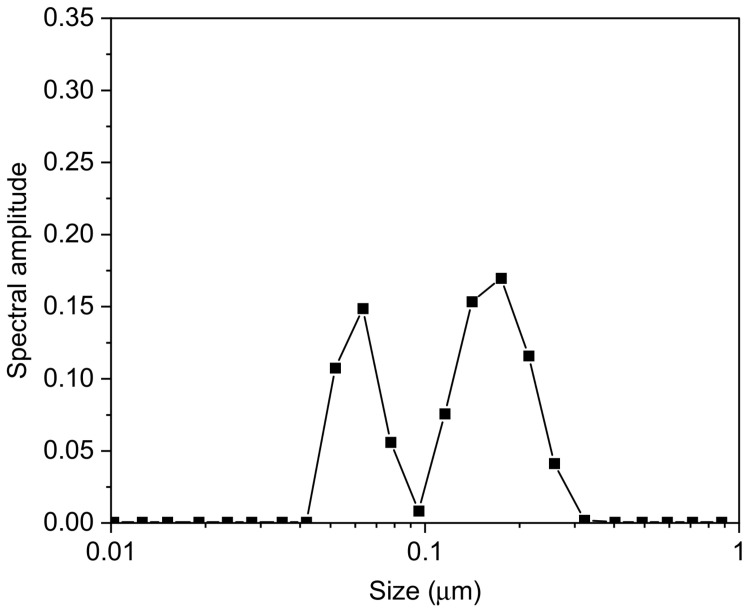
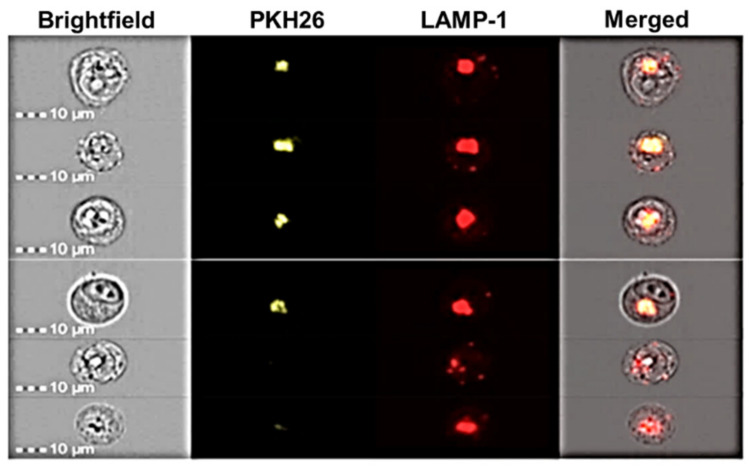
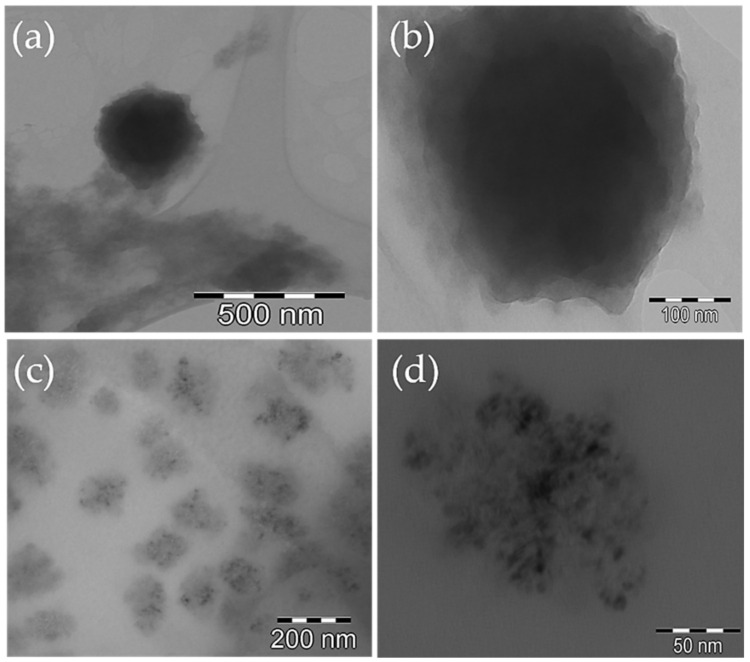
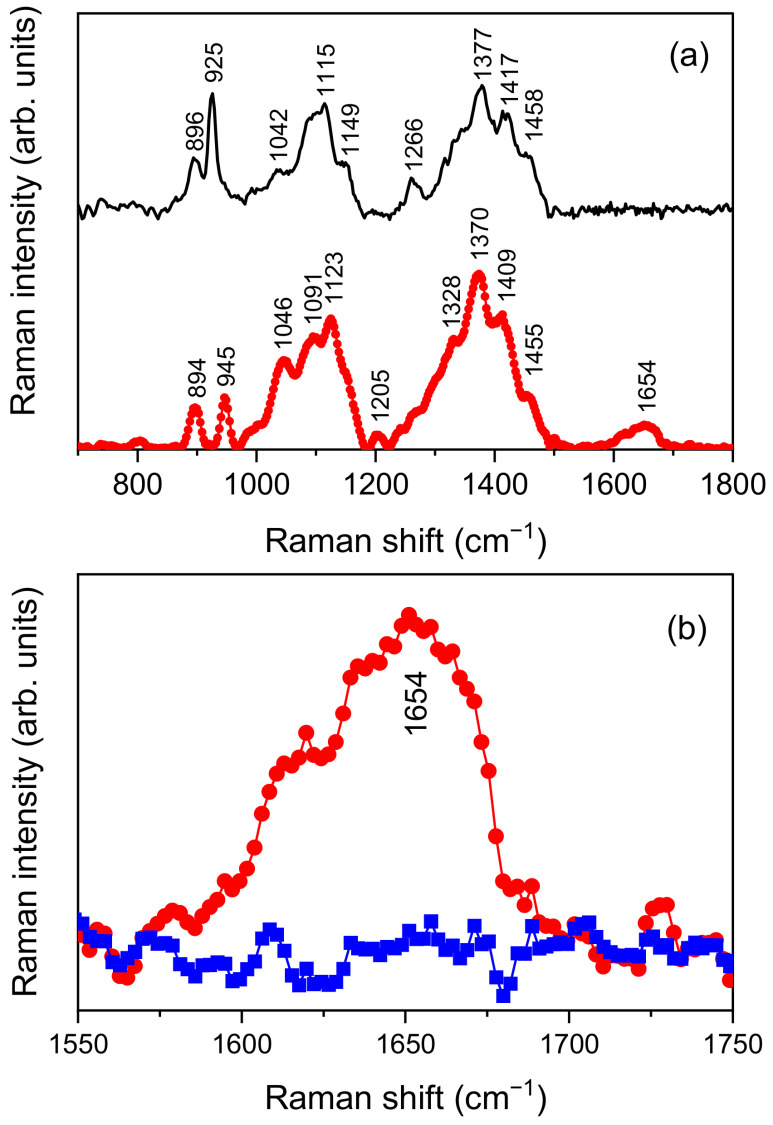
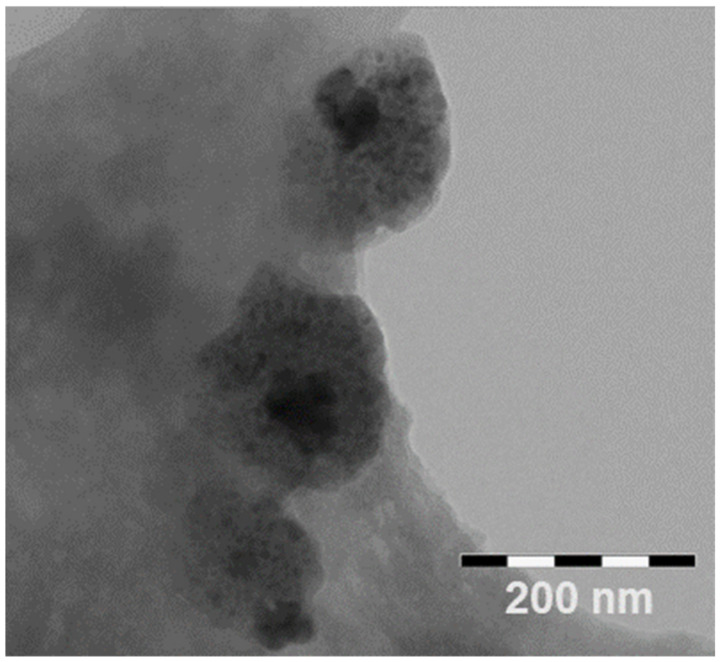
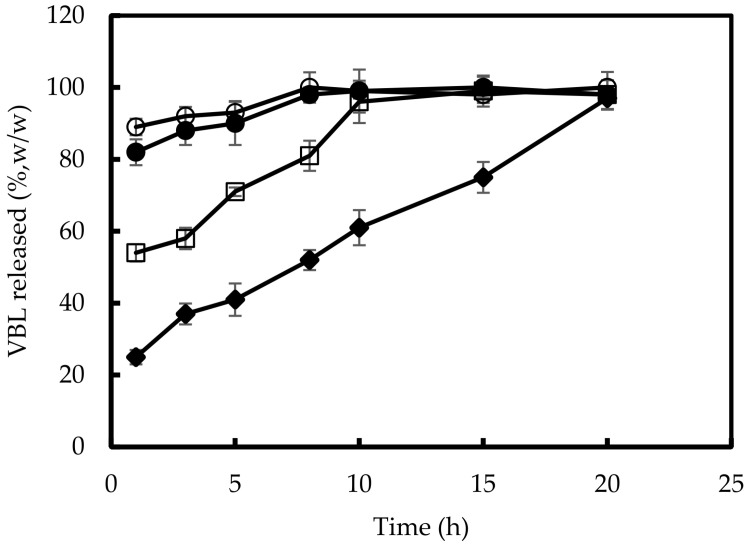
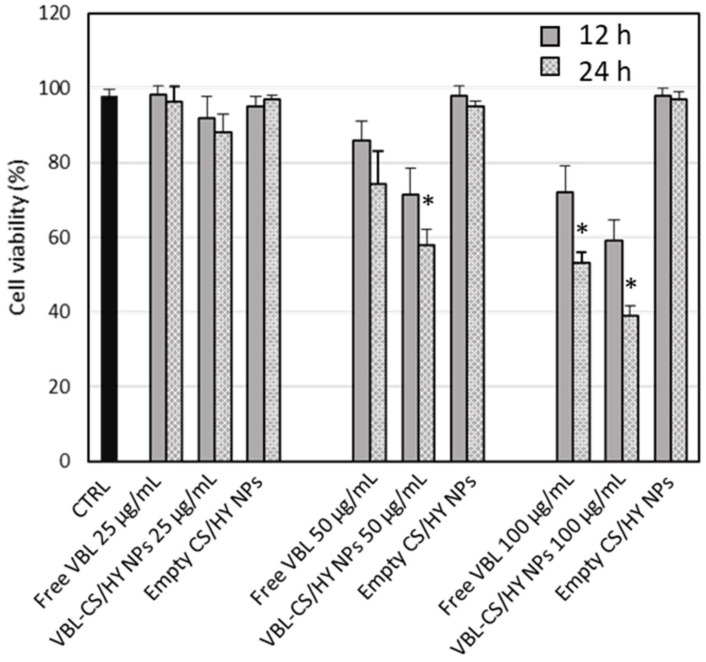
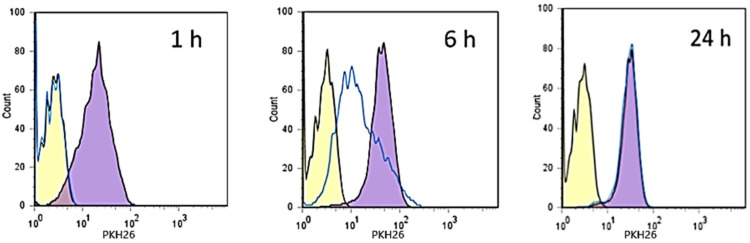
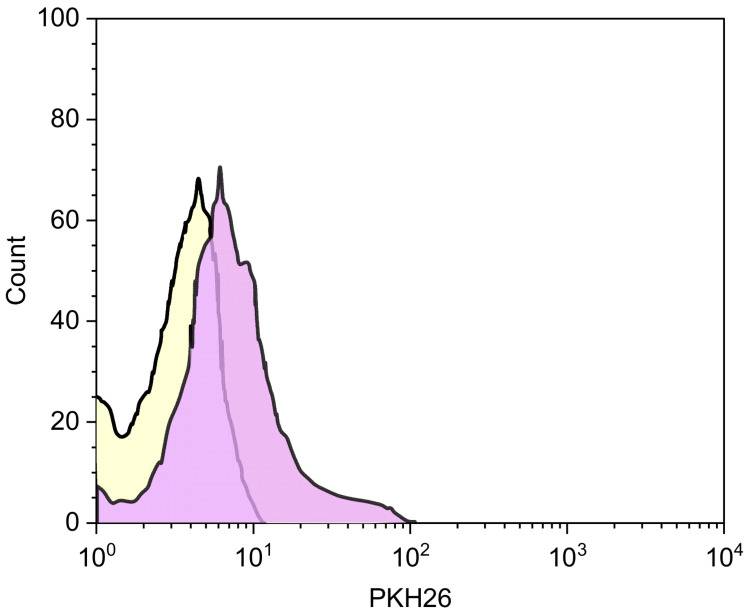
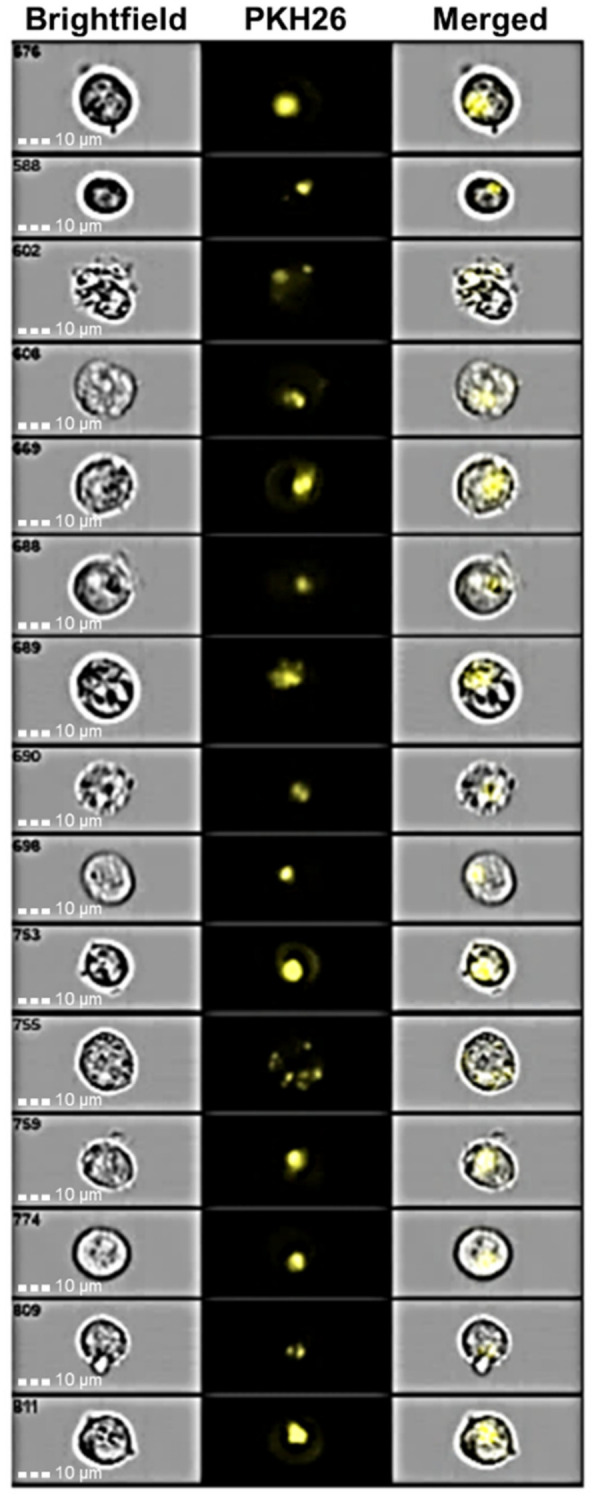
In the present study, we developed chitosan/hyaluronan nanoparticles (CS/HY NPs) for tumor targeting with vinblastine sulfate (VBL), that can be directed to the CD44 transmembrane receptor, over-expressed in cancer cells. NPs were prepared by coating with HY-preformed chitosan/tripolyphosphate (CS/TPP) NPs, or by polyelectrolyte complexation of CS with HY. NPs with a mean hydrodynamic radius (R) of 110 nm, 12% polydispersity index and negative zeta potential values were obtained by a direct complexation process. Transmission Electron Microscopy (TEM) images showed spherical NPs with a non-homogeneous matrix, probably due to a random localization of CS and HY interacting chains. The intermolecular interactions occurring between CS and HY upon NPs formation were experimentally evidenced by micro-Raman (µ-Raman) spectroscopy, through the analysis of the spectral changes of characteristic vibrational bands of HY during NP formation, in order to reveal the involvement of specific chemical groups in the process. Optimized NP formulation efficiently encapsulated VBL, producing a drug sustained release for 20 h. In vitro studies demonstrated a fast internalization of labeled CS/HY NPs (within 6 h) on K-562 human myeloid leukemia cells. Pre-saturation of CD44 by free HY produced a slowing-down of NP uptake over 24 h, demonstrating the need of CD44 for the internalization of HY-based NPs.
在本研究中,我们开发了用于硫酸长春碱(VBL)肿瘤靶向的壳聚糖/透明质酸纳米颗粒(CS/HY NPs),其可靶向癌细胞中过度表达的CD44跨膜受体。纳米颗粒通过用预先形成的透明质酸包被壳聚糖/三聚磷酸钠(CS/TPP)纳米颗粒制备,或通过壳聚糖与透明质酸的聚电解质络合制备。通过直接络合过程获得了平均流体动力学半径(R)为110 nm、多分散指数为12%且zeta电位值为负的纳米颗粒。透射电子显微镜(TEM)图像显示为具有非均匀基质的球形纳米颗粒,这可能是由于壳聚糖和透明质酸相互作用链的随机定位所致。通过微拉曼(µ-Raman)光谱,通过分析纳米颗粒形成过程中透明质酸特征振动带的光谱变化,以揭示特定化学基团在此过程中的参与情况,从而通过实验证明了纳米颗粒形成过程中壳聚糖与透明质酸之间发生的分子间相互作用。优化后的纳米颗粒制剂有效地包封了硫酸长春碱,实现了药物20小时的持续释放。体外研究表明,标记的CS/HY纳米颗粒在K-562人髓系白血病细胞上快速内化(6小时内)。用游离透明质酸预饱和CD44会使纳米颗粒在24小时内的摄取减慢,这表明基于透明质酸的纳米颗粒内化需要CD44。