Abd-Rabboh Hisham S M, E Amr Abdel El-Galil, Almehizia Abdulrahman A, Naglah Ahmed M, H Kamel Ayman
Chemistry Department, Faculty of Science, King Khalid University, P.O. Box 9004, Abha 61413, Saudi Arabia.
Department of Chemistry, Faculty of Science, Ain Shams University, Cairo 11566, Egypt.
Polymers (Basel). 2022 May 10;14(10):1942. doi: 10.3390/polym14101942.
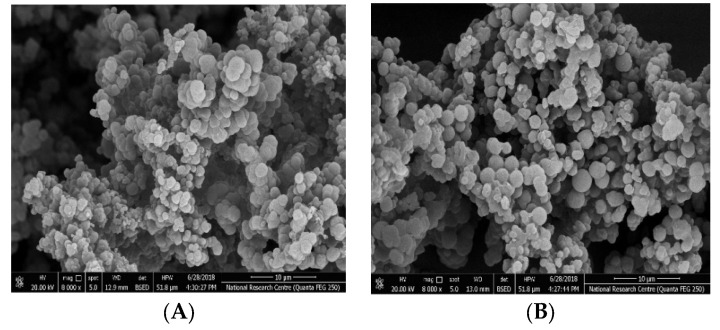
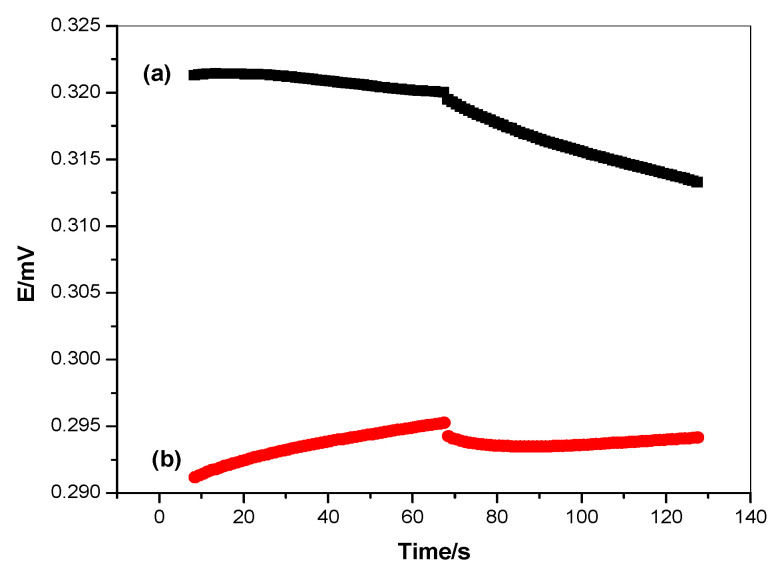
Caffeine is a psychoactive drug that is administered as a class II psychotropic substance. It is also considered a component of analgesics and cold medicines. Excessive intake of caffeine may lead to severe health damage or drug addiction problems. The assessment of normal caffeine consumption from abusive use is not conclusive, and the cut-off value for biological samples has not been established. Herein, new cost-effective and robust all-solid-state platforms based on potentiometric transduction were fabricated and successfully utilized for caffeine assessment. The platforms were modified with reduced graphene oxide (rGO). Tailored caffeine-imprinted polymeric beads (MIPs) based on methacrylic acid (MAA) and ethylene glycol dimethacrylate (EGDMA) were prepared, characterized, and used as recognition receptors in the presented potentiometric sensing devices. In 50 mM MES buffer, the sensors exhibited a slope response of 51.2 ± 0.9 mV/decade (n = 6, R2 = 0.997) over the linear range of 4.5 × 10⁻⁶−1.0 × 10⁻³ M with a detection limit of 3.0 × 10⁻⁶ M. They exhibited fast detection of caffeinium ions with less than 5 s response time (<5 s). The behavior of the presented sensors towards caffeinium ions over many common organic and inorganic cations was evaluated using the modified separate solution method (MSSM). Inter-day and intra-day precision for the presented analytical device was also evaluated. Successful applications of the presented caffeine sensors for caffeine determination in commercial tea and coffee and different pharmaceutical formulations were carried out. The data obtained were compared with those obtained by the standard liquid chromatographic approach. The presented analytical device can be considered an attractive tool for caffeine determination because of its affordability and vast availability, particularly when combined with potentiometric detection.
咖啡因是一种精神活性药物,作为二类精神药品进行管理。它也被认为是镇痛药和感冒药的一种成分。过量摄入咖啡因可能会导致严重的健康损害或药物成瘾问题。区分正常咖啡因摄入与滥用的评估尚无定论,生物样本的临界值也未确定。在此,基于电位传感技术制备了新型的具有成本效益且性能稳定的全固态平台,并成功用于咖啡因评估。这些平台用还原氧化石墨烯(rGO)进行了修饰。制备了基于甲基丙烯酸(MAA)和乙二醇二甲基丙烯酸酯(EGDMA)的定制咖啡因印迹聚合物微球(MIPs),对其进行了表征,并将其用作所提出的电位传感装置中的识别受体。在50 mM MES缓冲液中,传感器在4.5×10⁻⁶−1.0×10⁻³ M的线性范围内呈现出51.2±0.9 mV/十倍浓度变化的斜率响应(n = 6,R2 = 0.997),检测限为3.0×10⁻⁶ M。它们对咖啡因离子的检测速度很快,响应时间小于5秒。使用改进的分别溶液法(MSSM)评估了所提出的传感器对咖啡因离子相对于许多常见有机和无机阳离子的响应行为。还评估了所提出的分析装置的日间和日内精密度。所提出的咖啡因传感器成功应用于商业茶、咖啡和不同药物制剂中咖啡因的测定。将获得的数据与通过标准液相色谱法获得的数据进行了比较。所提出的分析装置因其价格低廉且易于获得,特别是与电位检测相结合时,可被视为一种用于咖啡因测定的有吸引力的工具。