Altan Eray, Karacelebi Yasin, Saatcioglu Elif, Ulag Songul, Sahin Ali, Aksu Burak, Croitoru Alexa-Maria, Codrea Cosmin Iulian, Ficai Denisa, Gunduz Oguzhan, Ficai Anton
Center for Nanotechnology & Biomaterials Application and Research (NBUAM), Department of Metallurgical and Materials Engineering, Faculty of Technology, Marmara University, Istanbul 34722, Turkey.
Center for Nanotechnology & Biomaterials Application and Research (NBUAM), Department of Bioengineering, Faculty of Engineering, Marmara University, Istanbul 34722, Turkey.
Polymers (Basel). 2022 May 12;14(10):1971. doi: 10.3390/polym14101971.
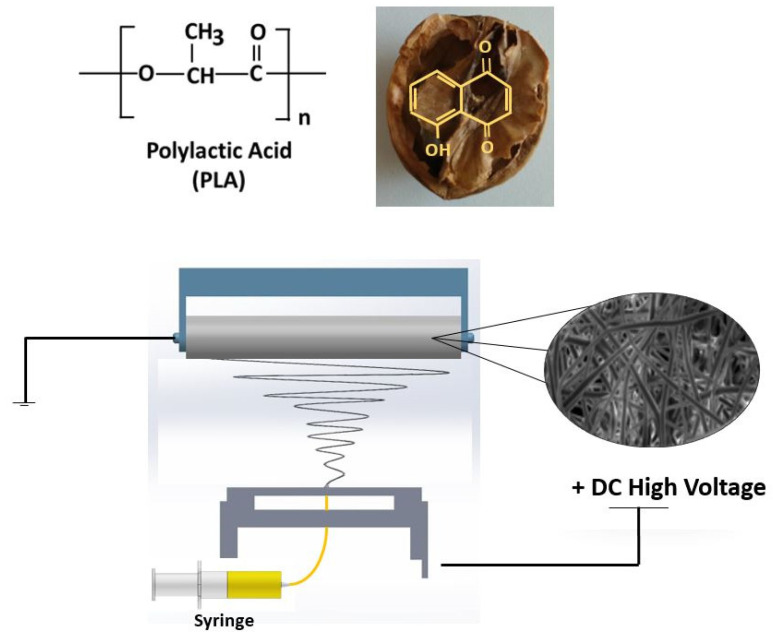
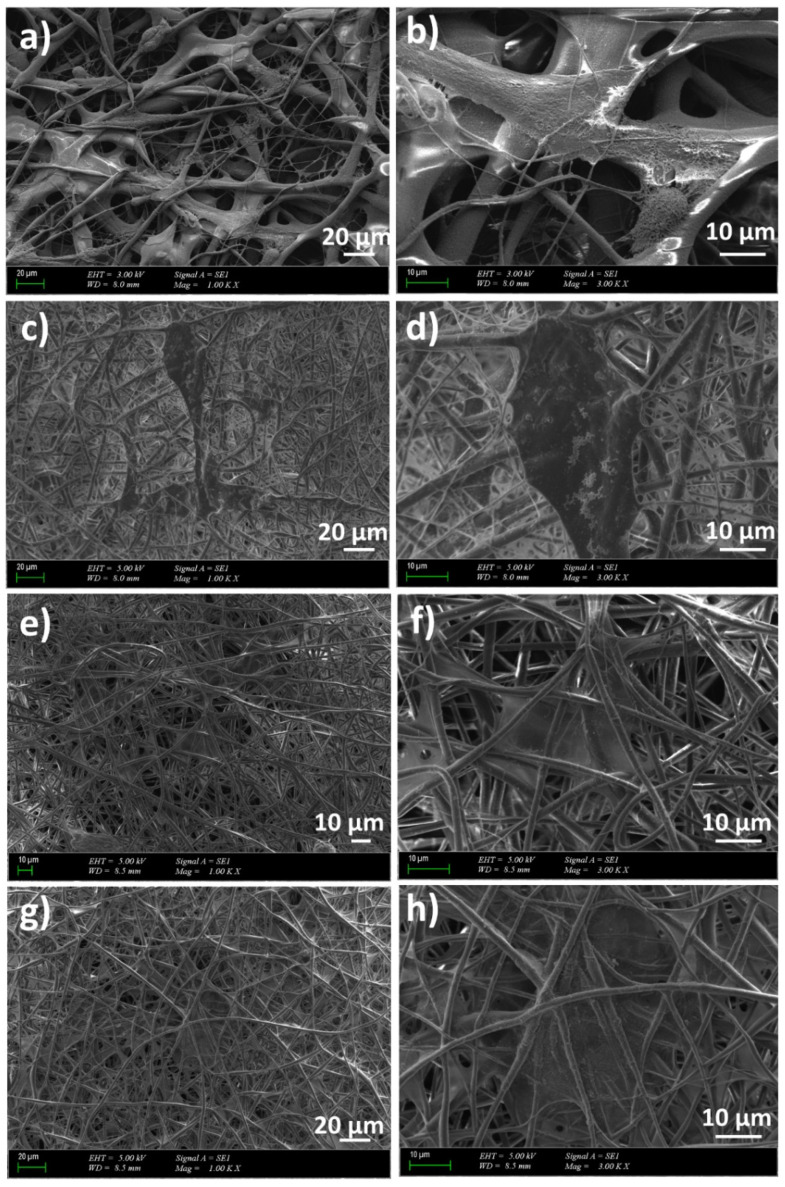
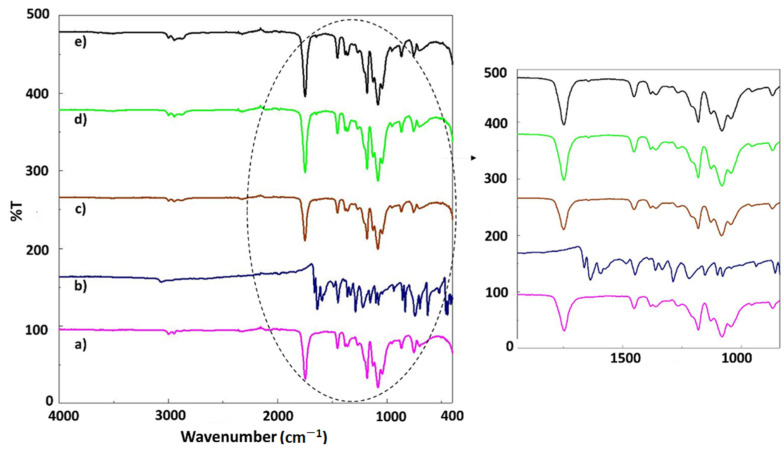
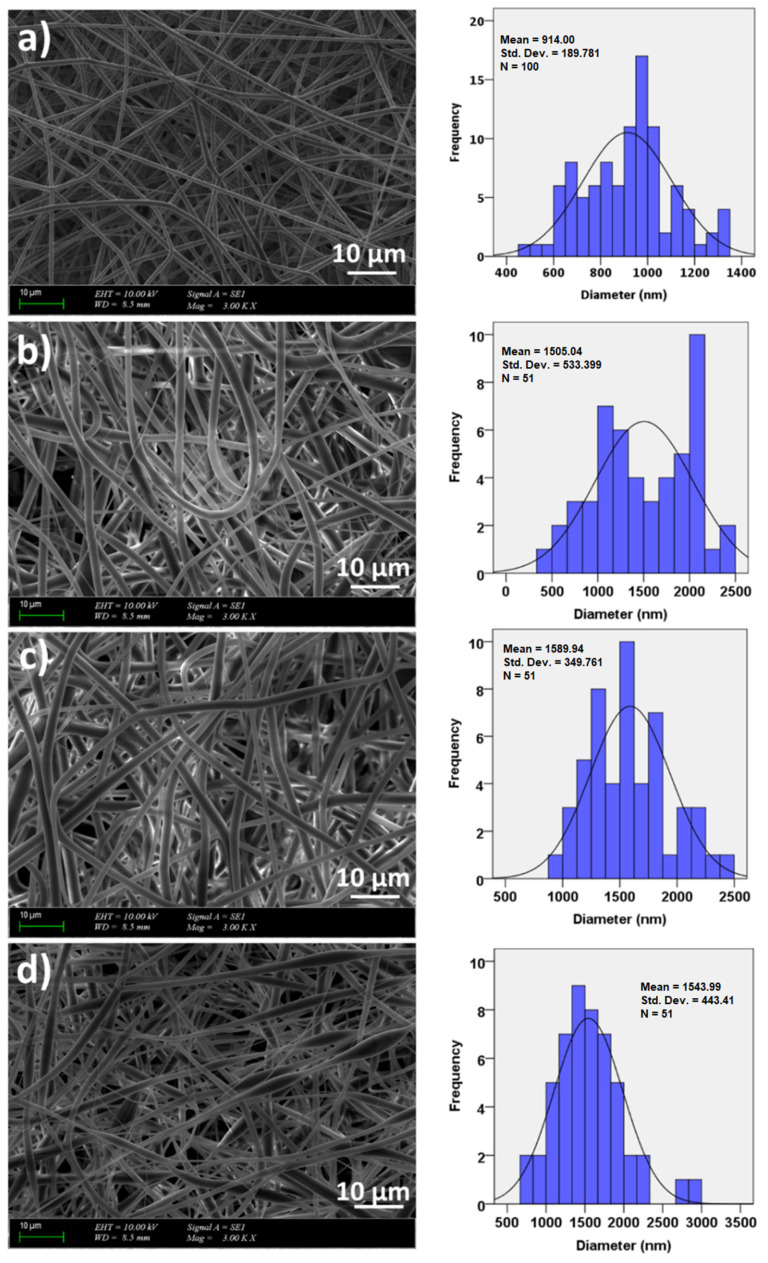
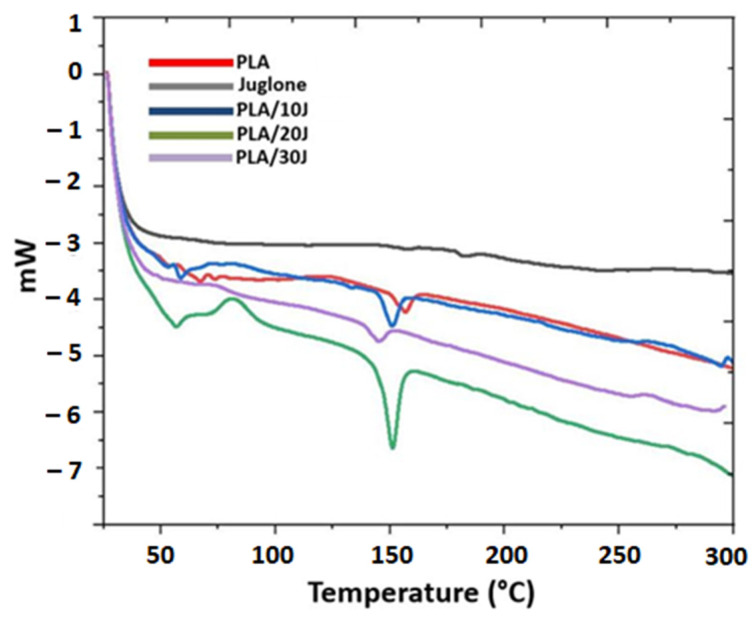
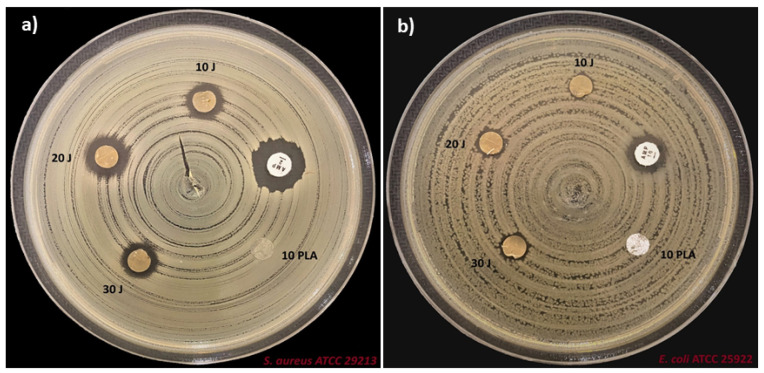
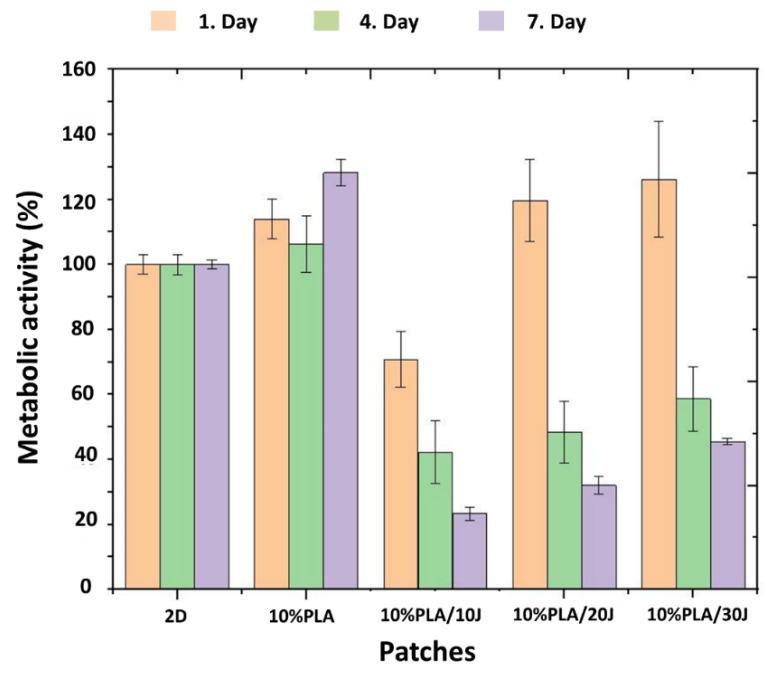
Juglone (5-hydroxy-1,4-naphthoquinone) (J) is a naphthoquinone structured allelochemical that is mostly found in the roots, leaves, nut-hulls, bark, and wood of walnut (). In this study, the biocompatibility, mechanical, thermal, chemical, morphological, and antimicrobial properties of the poly(lactic acid) (PLA) (/)/J (10, 20, 30 mg) electrospun scaffolds were investigated. Based on the results of the study, it was shown that juglone addition increased the antimicrobial properties of the scaffolds against the and , compared to the neat PLA film after 24 h of contact time. According to the tensile test results, the addition of J made the scaffolds more flexible but decreased the mechanical strength. The cytotoxicity properties of the J-added scaffolds demonstrated a toxic behavior on the first day of incubation. However, with an increase in the J ratio, the fibroblast cell metabolic activity increased for all incubation periods.
胡桃醌(5-羟基-1,4-萘醌)(J)是一种萘醌结构的化感物质,主要存在于核桃的根、叶、坚果壳、树皮和木材中。在本研究中,对聚乳酸(PLA)/胡桃醌(10、20、30毫克)电纺支架的生物相容性、力学、热学、化学、形态学和抗菌性能进行了研究。基于研究结果表明,与纯PLA膜在接触24小时后相比,添加胡桃醌增加了支架对[具体菌种1]和[具体菌种2]的抗菌性能。根据拉伸试验结果,添加J使支架更具柔韧性,但降低了机械强度。添加J的支架的细胞毒性特性在培养第一天表现出毒性行为。然而,随着J比例的增加,在所有培养期成纤维细胞的代谢活性均增加。