Meermans Geert, Grammatopoulos George, Innmann Moritz, Beverland David
Bravis Hospital, Roosendaal, The Netherlands.
The Ottawa Hospital, Ottawa, Ontario, Canada.
EFORT Open Rev. 2022 May 31;7(6):365-374. doi: 10.1530/EOR-22-0025.
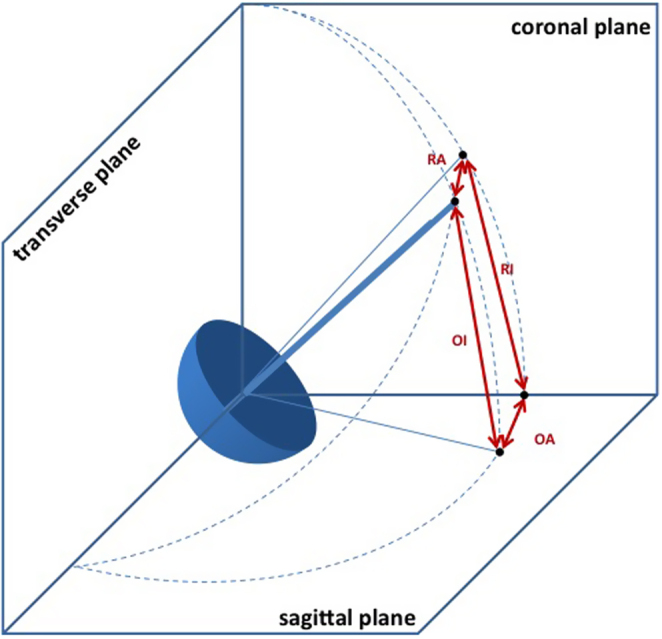
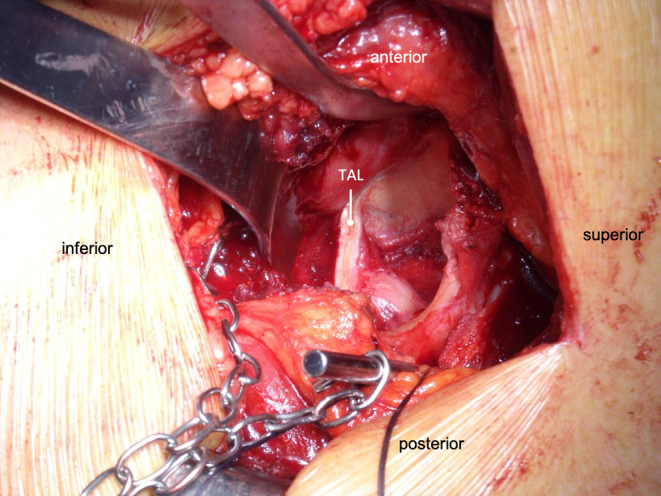
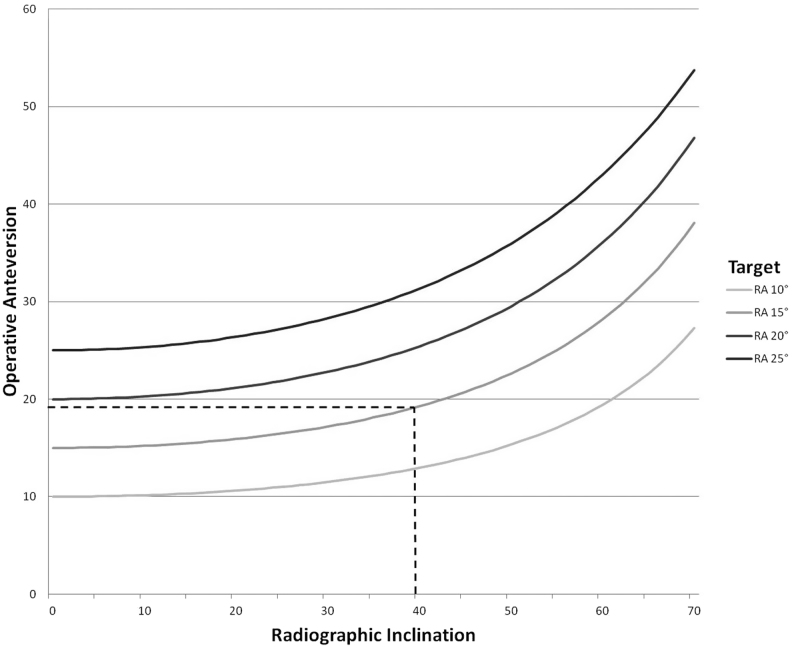
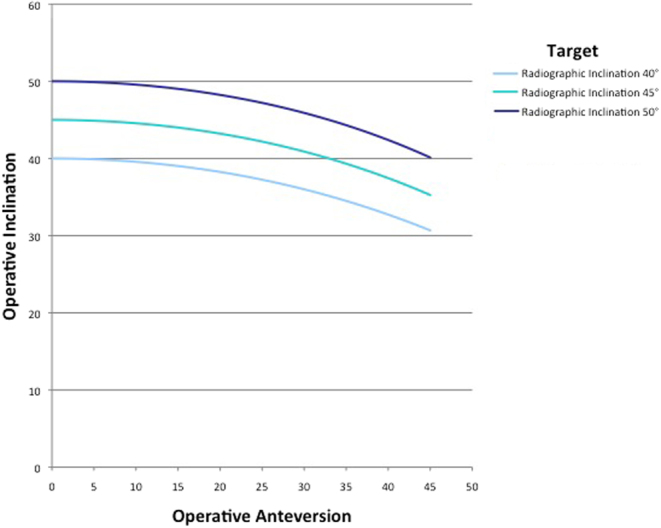
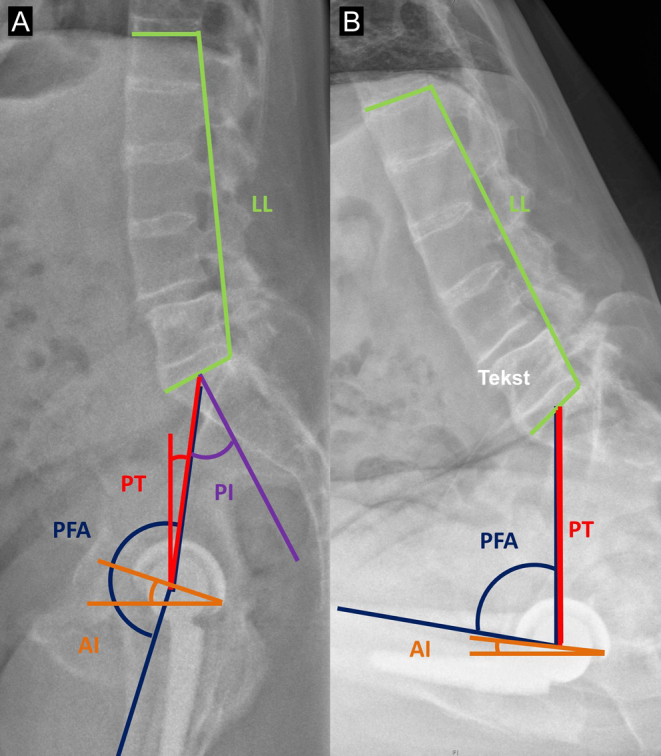
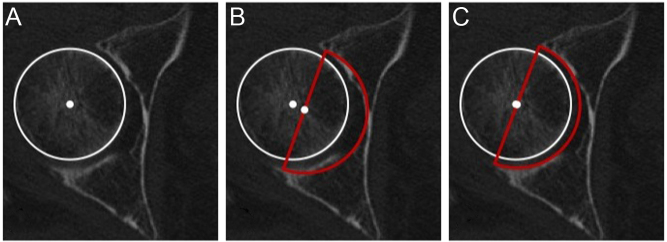
Acetabular component orientation and position are important factors in the short- and long-term outcomes of total hip arthroplasty. Different definitions of inclination and anteversion are used in the orthopaedic literature and surgeons should be aware of these differences and understand their relationships. There is no universal safe zone. Preoperative planning should be used to determine the optimum position and orientation of the cup and assess spinopelvic characteristics to adjust cup orientation accordingly. A peripheral reaming technique leads to a more accurate restoration of the centre of rotation with less variability compared with a standard reaming technique. Several intraoperative landmarks can be used to control the version of the cup, the most commonly used and studied is the transverse acetabular ligament. The use of an inclinometer reduces the variability associated with the use of freehand or mechanical alignment guides.
髋臼假体的方向和位置是全髋关节置换术短期和长期疗效的重要因素。骨科文献中使用了不同的倾斜度和前倾角定义,外科医生应了解这些差异并理解它们之间的关系。不存在通用的安全区。应采用术前规划来确定髋臼杯的最佳位置和方向,并评估脊柱骨盆特征以相应调整髋臼杯方向。与标准扩髓技术相比,周边扩髓技术能更准确地恢复旋转中心,且变异性更小。术中可使用多个标志点来控制髋臼杯的前倾角,最常用且研究最多的是髋臼横韧带。使用倾角仪可减少与徒手或机械对线导向器使用相关的变异性。