Li Shaojie, Wu Qiuji, Liu Jia, Zhong Yahua
Hubei Key Laboratory of Tumor Biological Behaviors, Department of Radiation and Medical Oncology, Hubei Cancer Clinical Study Center, Zhongnan Hospital of Wuhan University, Wuhan, China.
Front Genet. 2022 May 12;13:903634. doi: 10.3389/fgene.2022.903634. eCollection 2022.
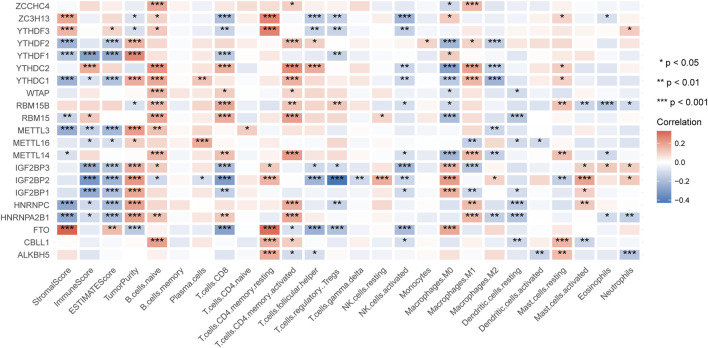
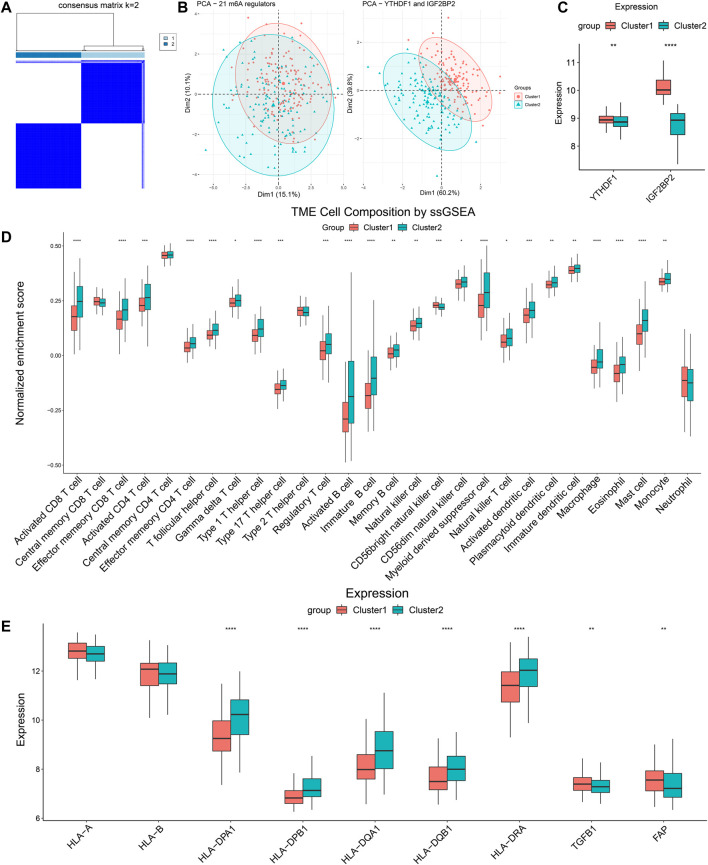
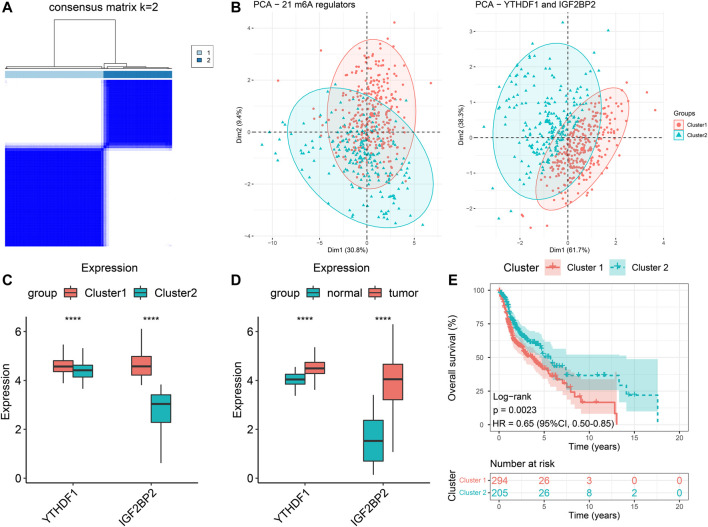
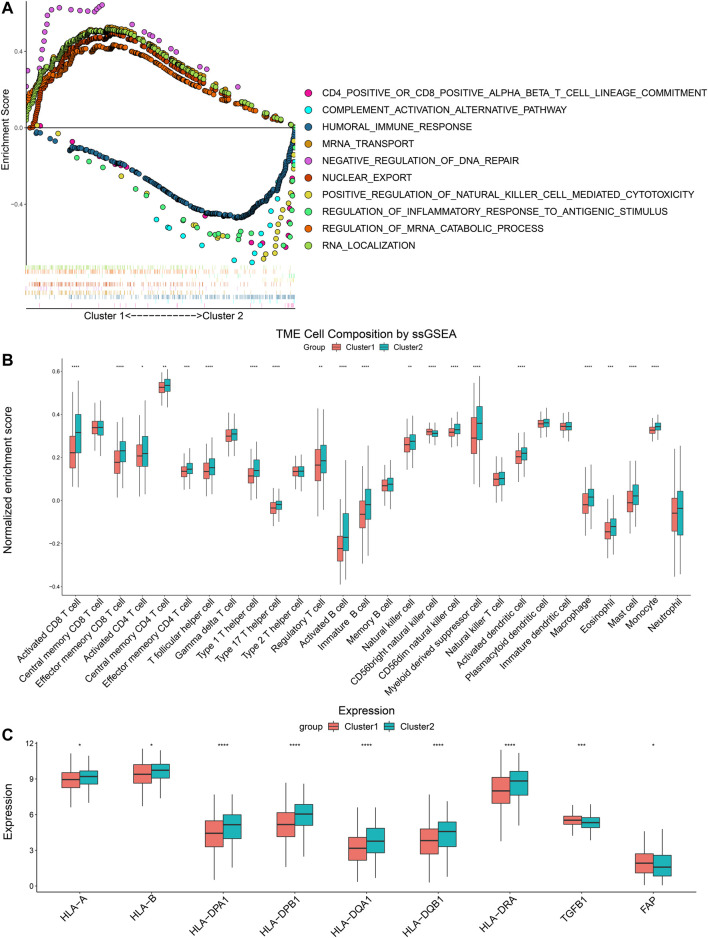
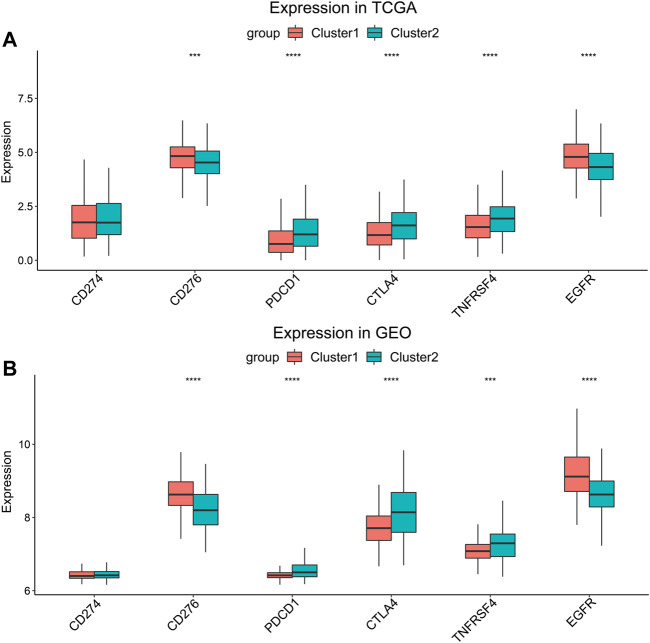
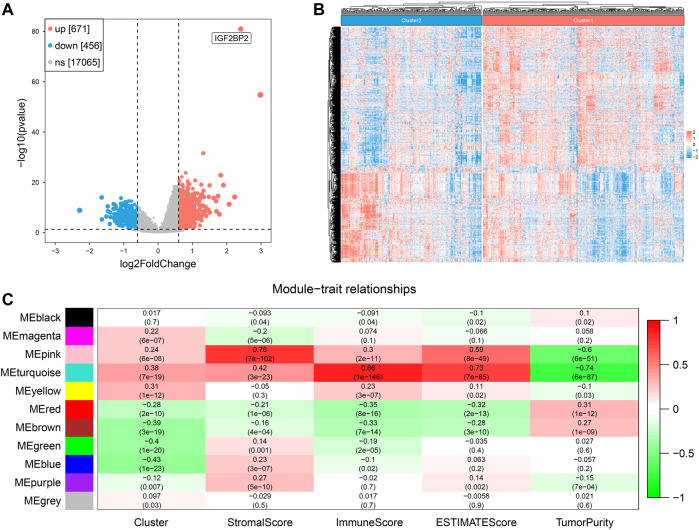
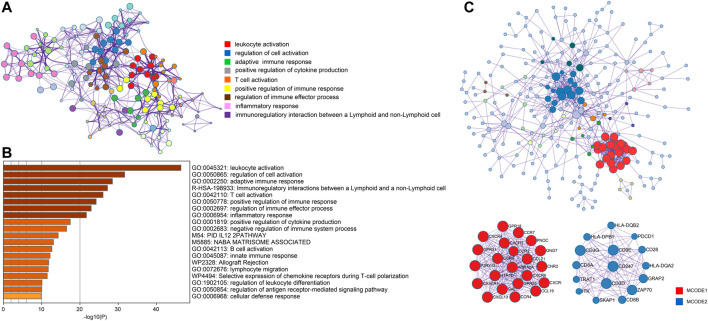
N6-methyladenosine (m6A) is the most abundant internal modification pattern in mammals that a plays critical role in tumorigenesis and immune regulations. However, the effect of m6A modification on head and neck squamous cell carcinoma (HNSCC) has not been clearly studied. We screened m6A regulators that were significantly correlated with tumor immune status indicated by ImmuneScore using The Cancer Genome Atlas (TCGA) dataset and obtained distinct patient clusters based on the expression of these m6A regulators with the R package "CensusClusterPlus." We then performed gene set enrichment analysis (GSEA), CIBERSORT, and single-sample gene set enrichment analysis (ssGSEA) to assess the differences in gene function enrichment and tumor immune microenvironment (TIME) among these clusters. We further conducted differently expressed gene (DEG) analysis and weighted gene co-expression network analysis (WGCNA) and constructed a protein-protein interaction (PPI) network to determine hub genes among these clusters. Finally, we used the GSE65858 dataset as an external validation cohort to confirm the immune profiles related to the expression of m6A regulators. Two m6A readers, and , were found to be significantly associated with distinct immune status in HNSCC. Accordingly, patients were divided into two clusters with Cluster 1 showing high expression of and and Cluster 2 showing low expression levels of both genes. Clinicopathologically, patients from Cluster 1 had more advanced T stage and pathological grades than those from Cluster 2. GSEA showed that Cluster 1 was closely related to the RNA modification process and Cluster 2 was significantly correlated with immune regulations. Cluster 2 had a more active TIME characterized by a more relative abundance of CD8 T cells and CD4 T cells and higher levels of MHC I and MHC II molecules. We constructed a PPI network composed of 16 hub genes between the two clusters, which participated in the T-cell receptor signaling pathway. These results were externally validated in the GSE65858 dataset. The m6A readers, and were potential immune biomarkers in HNSCC and could be potential treatment targets for cancer immunotherapy.
N6-甲基腺苷(m6A)是哺乳动物中最丰富的内部修饰模式,在肿瘤发生和免疫调节中起关键作用。然而,m6A修饰对头颈部鳞状细胞癌(HNSCC)的影响尚未得到明确研究。我们使用癌症基因组图谱(TCGA)数据集筛选了与免疫评分所指示的肿瘤免疫状态显著相关的m6A调节因子,并使用R包“CensusClusterPlus”根据这些m6A调节因子的表达获得了不同的患者聚类。然后,我们进行了基因集富集分析(GSEA)、CIBERSORT和单样本基因集富集分析(ssGSEA),以评估这些聚类之间基因功能富集和肿瘤免疫微环境(TIME)的差异。我们进一步进行了差异表达基因(DEG)分析和加权基因共表达网络分析(WGCNA),并构建了蛋白质-蛋白质相互作用(PPI)网络,以确定这些聚类中的核心基因。最后,我们使用GSE65858数据集作为外部验证队列,以确认与m6A调节因子表达相关的免疫特征。发现两个m6A阅读器与HNSCC中不同的免疫状态显著相关。因此,患者被分为两个聚类,聚类1显示 和 的高表达,聚类2显示这两个基因的低表达水平。在临床病理上,聚类1的患者比聚类2的患者具有更晚期的T分期和病理分级。GSEA显示聚类1与RNA修饰过程密切相关,聚类2与免疫调节显著相关。聚类2具有更活跃的TIME,其特征是CD8 T细胞和CD4 T细胞的相对丰度更高,以及MHC I和MHC II分子的水平更高。我们构建了一个由两个聚类之间的16个核心基因组成的PPI网络,这些基因参与了T细胞受体信号通路。这些结果在GSE65858数据集中得到了外部验证。m6A阅读器 和 是HNSCC中的潜在免疫生物标志物,可能是癌症免疫治疗的潜在治疗靶点。