Song Nazi, Xu Hongjiao, Liu Jiahua, Zhao Qian, Chen Hui, Yan Zhibin, Yang Runling, Luo Zhiteng, Liu Qi, Ouyang Jianmei, Wu Shuohan, Luo Suijia, Ye Shuyin, Lin Runfeng, Sun Xi, Xie Junqiu, Lan Tian, Wu Zhongdao, Wang Rui, Jiang Xianxing
School of Pharmaceutical Sciences, Guangdong Provincial Key Laboratory of Chiral Molecule and Drug Discovery, Sun Yat-sen University, Guangzhou 510006, China.
Department of Parasitology of Zhongshan School of Medicine, Sun Yat-sen University, Guangzhou 510006, China.
Acta Pharm Sin B. 2022 May;12(5):2443-2461. doi: 10.1016/j.apsb.2021.12.016. Epub 2021 Dec 29.
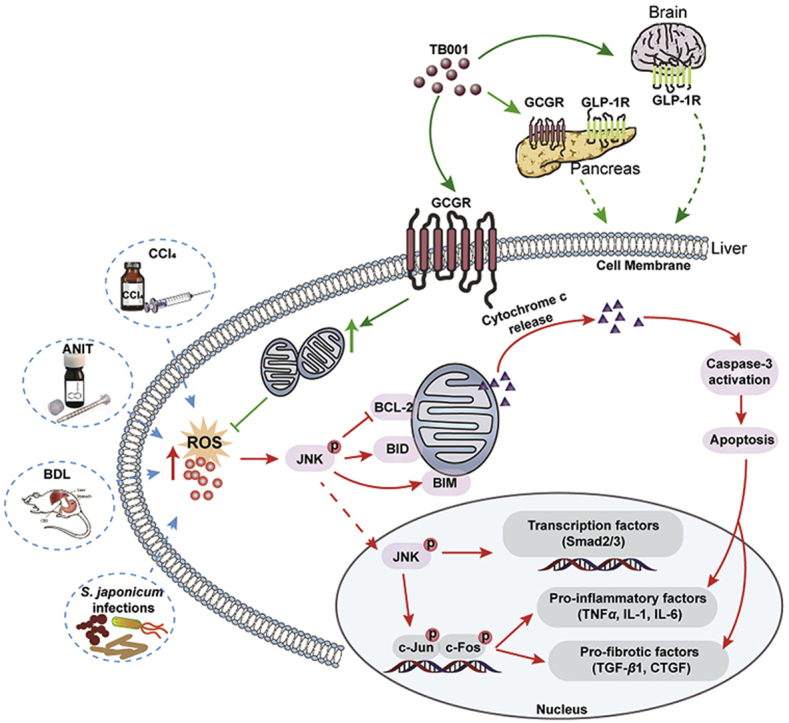
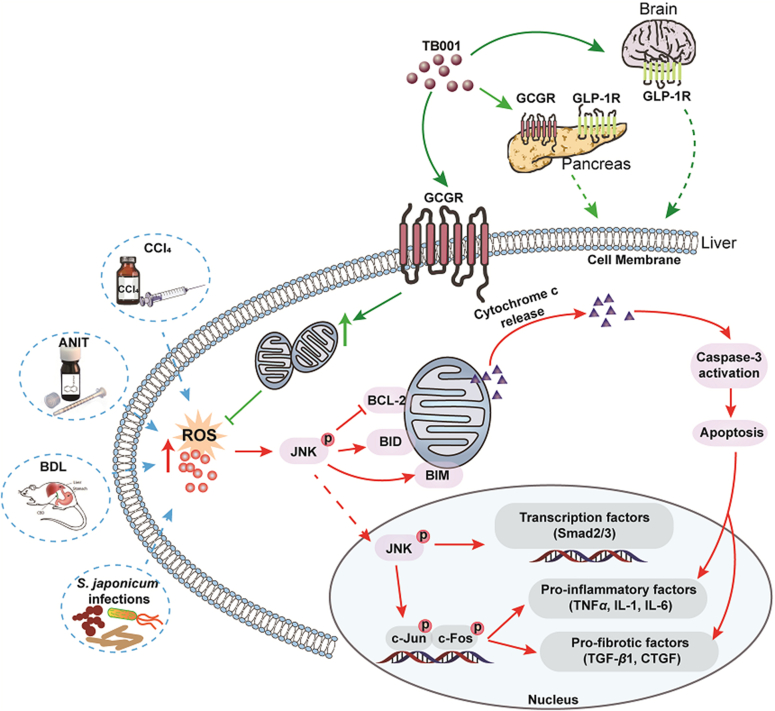
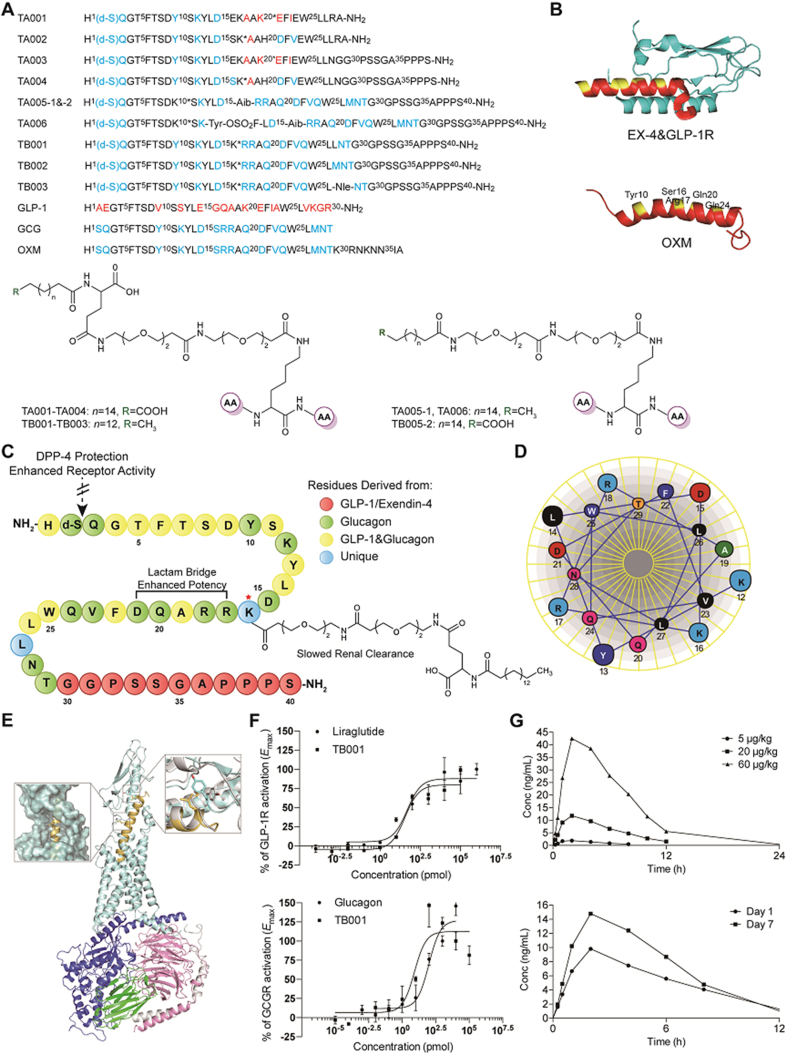
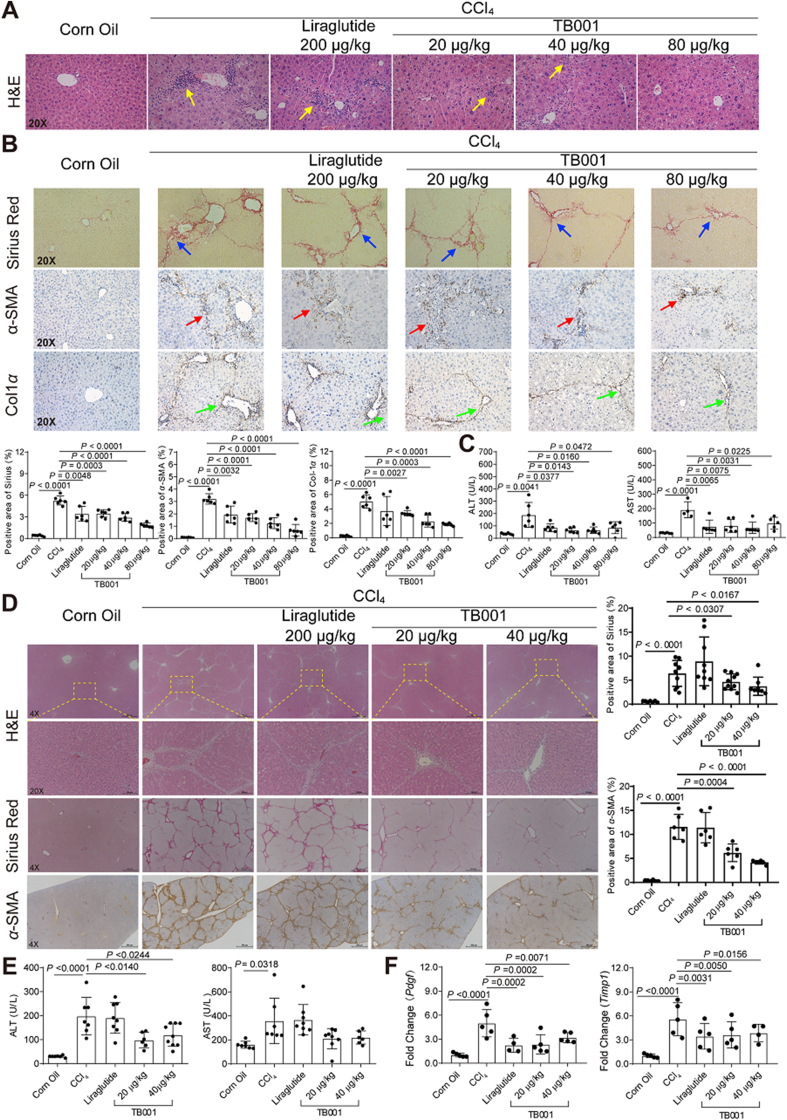
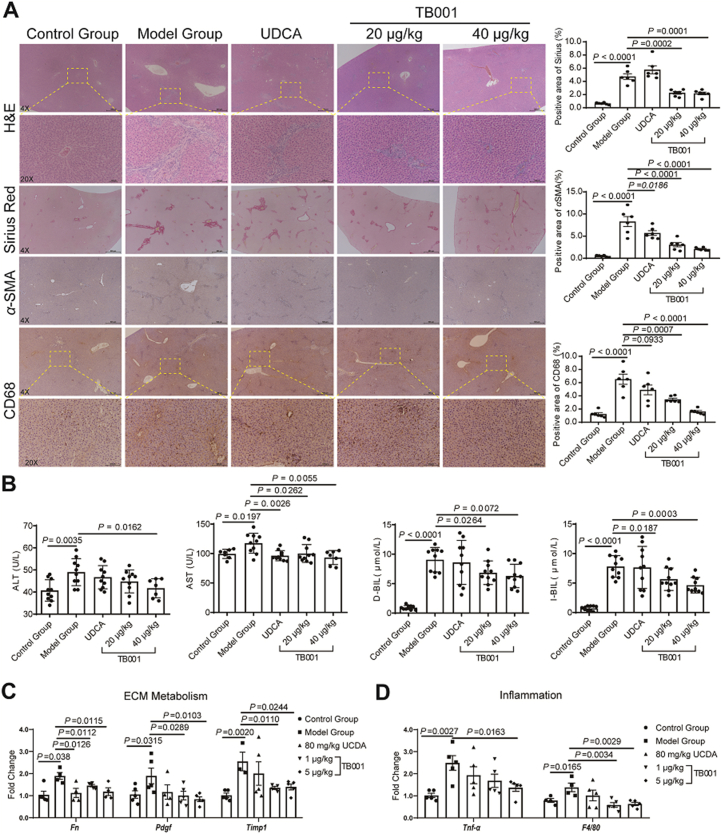
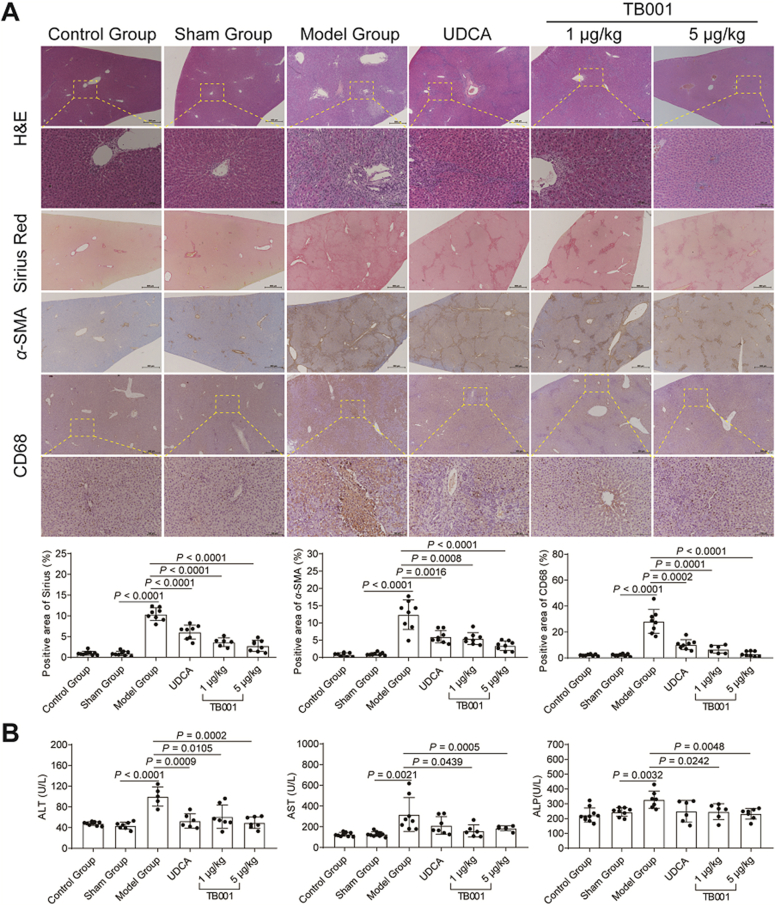
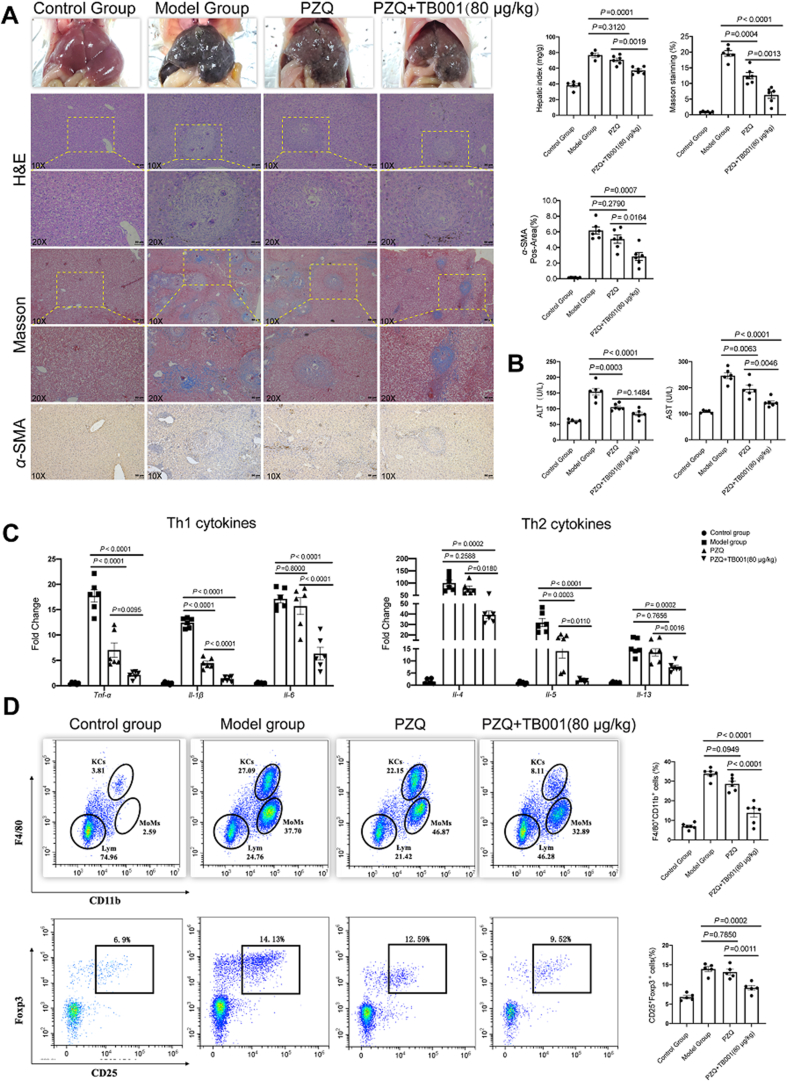
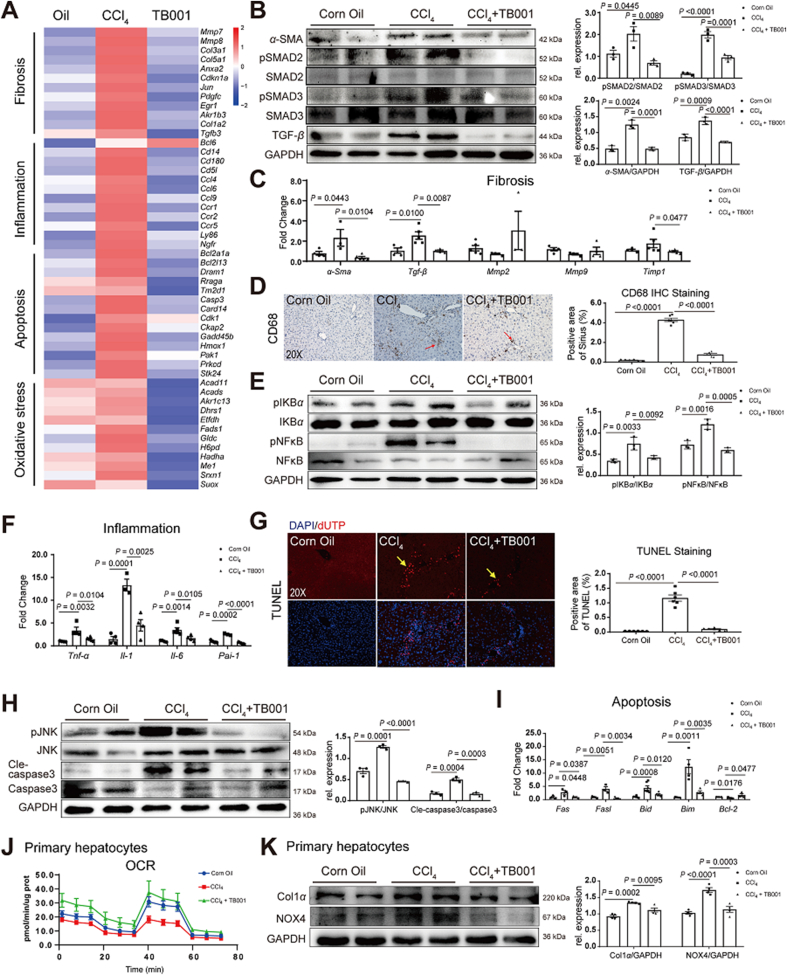
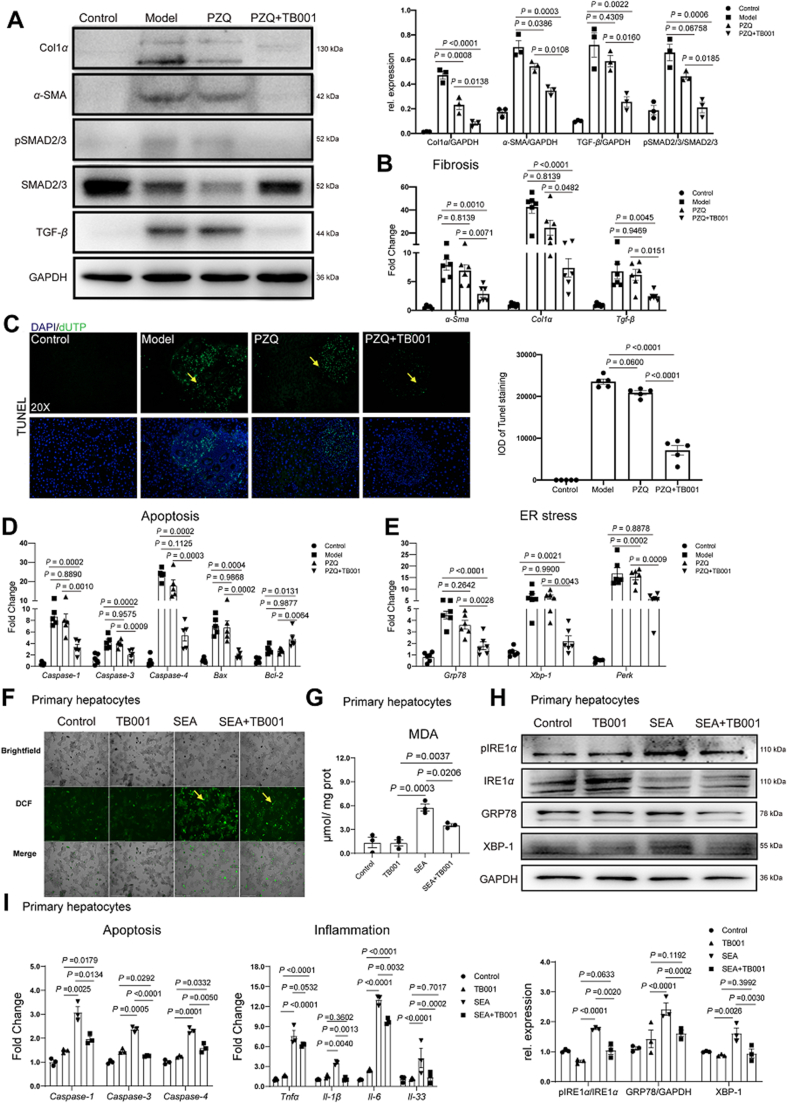
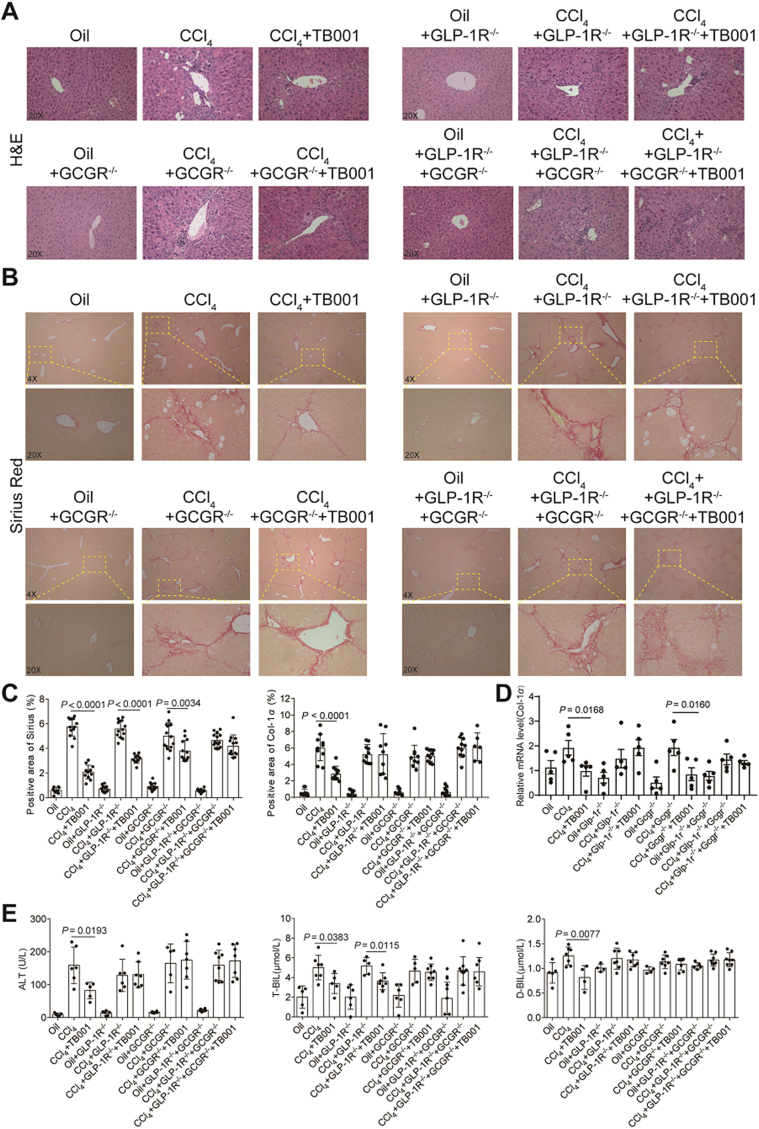
Currently, there is still no effective curative treatment for the development of late-stage liver fibrosis. Here, we have illustrated that TB001, a dual glucagon-like peptide-1 receptor/glucagon receptor (GLP-1R/GCGR) agonist with higher affinity towards GCGR, could retard the progression of liver fibrosis in various rodent models, with remarkable potency, selectivity, extended half-life and low toxicity. Four types of liver fibrosis animal models which were induced by CCl, -naphthyl-isothiocyanate (ANIT), bile duct ligation (BDL) and were used in our study. We found that TB001 treatment dose-dependently significantly attenuated liver injury and collagen accumulation in these animal models. In addition to decreased levels of extracellular matrix (ECM) accumulation during hepatic injury, activation of hepatic stellate cells was also inhibited suppression of TGF- expression as well as downstream Smad signaling pathways particularly in CCl-and -induced liver fibrosis. Moreover, TB001 attenuated liver fibrosis through blocking downstream activation of pro-inflammatory nuclear factor kappa B/NF-kappa-B inhibitor alpha (NFB/IKB) pathways as well as c-Jun N-terminal kinase (JNK)-dependent induction of hepatocyte apoptosis. Furthermore, GLP-1R and/or GCGR knock-down results represented GCGR played an important role in ameliorating CCl-induced hepatic fibrosis. Therefore, TB001 can be used as a promising therapeutic candidate for the treatment of multiple causes of hepatic fibrosis demonstrated by our extensive pre-clinical evaluation of TB001.
目前,对于晚期肝纤维化的发展仍没有有效的治疗方法。在此,我们已经证明,TB001,一种对胰高血糖素受体(GCGR)具有更高亲和力的双胰高血糖素样肽-1受体/胰高血糖素受体(GLP-1R/GCGR)激动剂,能够在各种啮齿动物模型中延缓肝纤维化的进展,具有显著的效力、选择性、延长的半衰期和低毒性。我们的研究使用了由四氯化碳(CCl)、异硫氰酸萘酯(ANIT)、胆管结扎(BDL)诱导的四种肝纤维化动物模型。我们发现,在这些动物模型中,TB001治疗呈剂量依赖性地显著减轻肝损伤和胶原积累。除了肝损伤期间细胞外基质(ECM)积累水平降低外,肝星状细胞的激活也受到抑制,特别是在CCl诱导的肝纤维化中,TGF表达以及下游Smad信号通路受到抑制。此外,TB001通过阻断促炎核因子κB/核因子κB抑制剂α(NFB/IKB)通路的下游激活以及c-Jun氨基末端激酶(JNK)依赖性的肝细胞凋亡诱导来减轻肝纤维化。此外,GLP-1R和/或GCGR基因敲低结果表明GCGR在改善CCl诱导的肝纤维化中起重要作用。因此,通过我们对TB001广泛的临床前评估表明,TB001可作为治疗多种原因引起的肝纤维化的有前景的治疗候选药物。