Chen Yundi, Xu Yongrui, Wang Jing, Prisinzano Peter, Yuan Yuhao, Lu Fake, Zheng Mingfeng, Mao Wenjun, Wan Yuan
The Pq Laboratory of BiomeDx/Rx, Department of Biomedical Engineering, Binghamton University, Binghamton, NY, United States.
Department of Cardiothoracic Surgery, The Affiliated Wuxi People's Hospital of Nanjing Medical University, Wuxi, China.
Front Oncol. 2022 May 12;12:853063. doi: 10.3389/fonc.2022.853063. eCollection 2022.
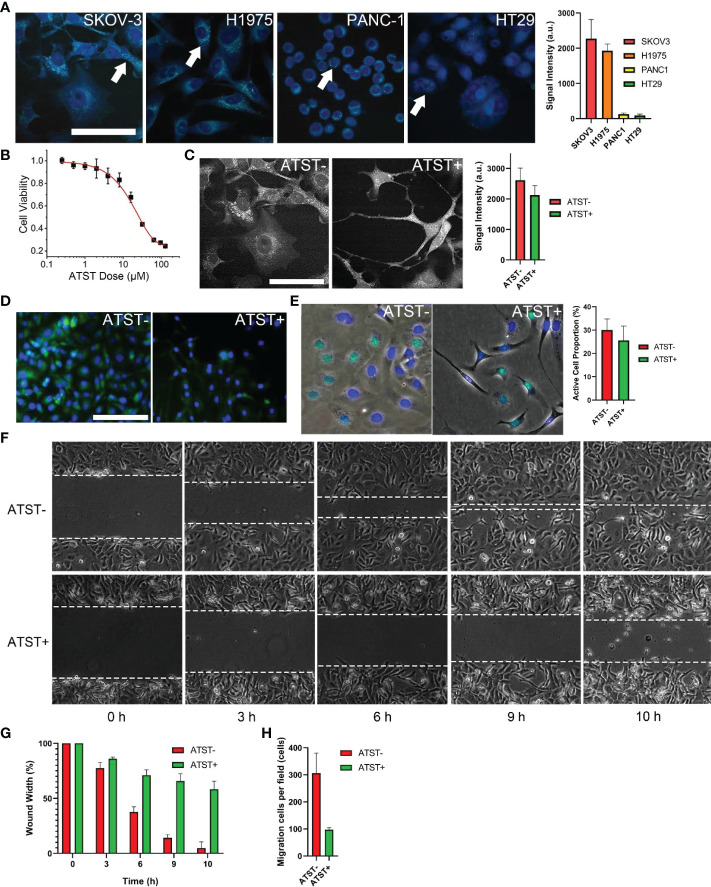
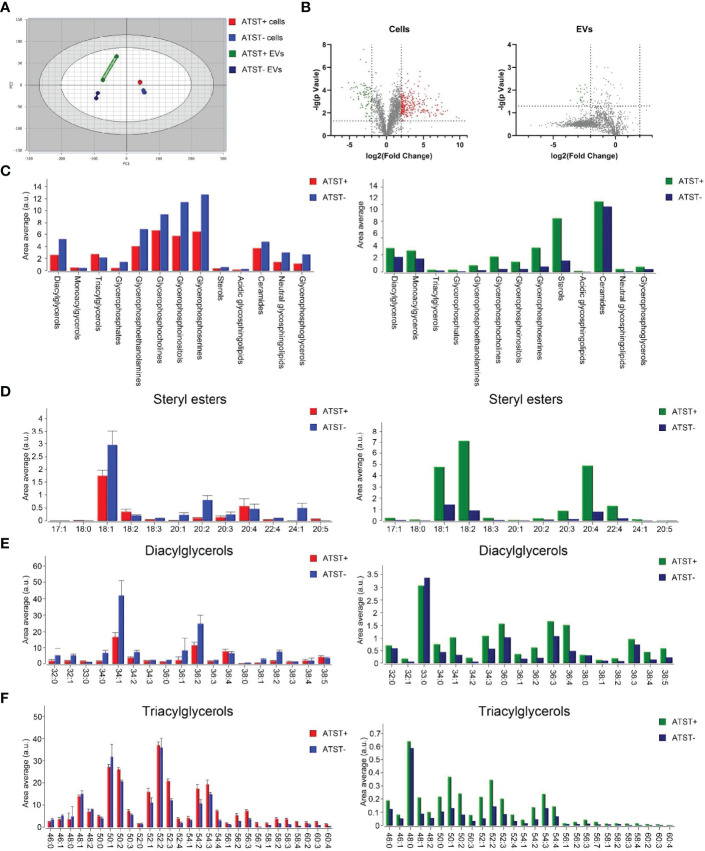
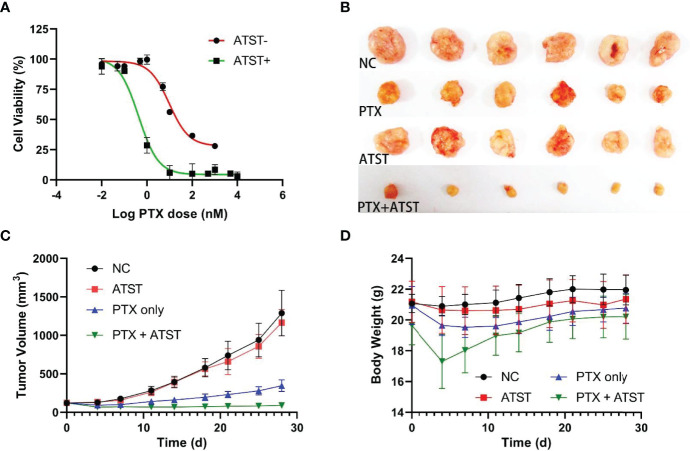
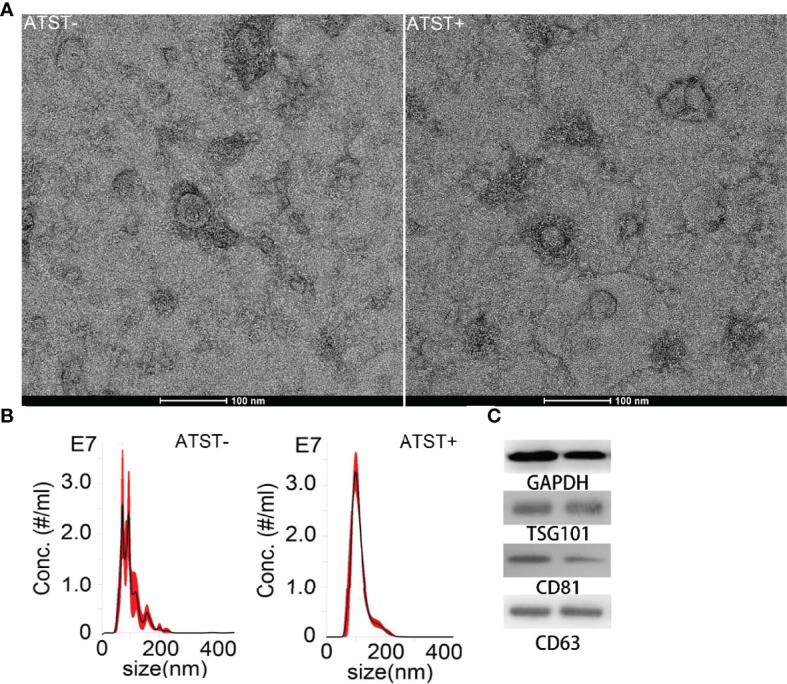
Lipid droplets are lipid-rich cytosolic organelles that play roles in cell signaling, membrane trafficking, and many other cellular activities. Recent studies revealed that lipid droplets in cancer cells have various biological functions, such as energy production, membrane synthesis, and chemoresistance, thereby fostering cancer progression. Accordingly, the administration of antilipemic agents could improve anti-cancer treatment efficacy given hydrophobic chemotherapeutic drugs could be encapsulated into lipid droplets and then expelled to extracellular space. In this study, we investigated whether statins could promote treatment efficacy of lipid droplet-rich ovarian SKOV-3 cells and the potential influences on generation and composition of cell-derived extracellular vesicles and particles (EVP). Our studies indicate that statins can significantly lower lipid biosynthesis. Moreover, statins can inhibit proliferation, migration, and invasion of SKOV-3 cells and enhance chemosensitivity and . Furthermore, statins can lower EVP secretion but enforce the release of cholesterol-enriched EVPs, which can further lower lipid contents in parental cells. It is the first time that the influence of statins on EVP generation and EVP-lipid composition is observed. Overall, we demonstrated that statins could inhibit lipid production, expel cholesterol to extracellular space EVPs, and improve chemosensitivity.
脂滴是富含脂质的胞质细胞器,在细胞信号传导、膜运输及许多其他细胞活动中发挥作用。最近的研究表明,癌细胞中的脂滴具有多种生物学功能,如能量产生、膜合成和化疗耐药性,从而促进癌症进展。因此,鉴于疏水性化疗药物可被包裹进脂滴然后排出到细胞外空间,给予抗脂药可提高抗癌治疗效果。在本研究中,我们调查了他汀类药物是否能提高富含脂滴的卵巢SKOV-3细胞的治疗效果,以及对细胞来源的细胞外囊泡和颗粒(EVP)的产生和组成的潜在影响。我们的研究表明,他汀类药物可显著降低脂质生物合成。此外,他汀类药物可抑制SKOV-3细胞的增殖、迁移和侵袭,并增强化学敏感性。此外,他汀类药物可降低EVP分泌,但会促使富含胆固醇的EVP释放,这可进一步降低亲代细胞中的脂质含量。这是首次观察到他汀类药物对EVP产生和EVP脂质组成的影响。总体而言,我们证明了他汀类药物可抑制脂质产生,将胆固醇通过EVP排出到细胞外空间,并提高化学敏感性。