Biomedical Sciences Graduate Program, University of California San Diego, La Jolla, CA, USA.
Beyster Center for Psychiatric Genomics, University of California San Diego, La Jolla, CA, USA.
Nat Genet. 2022 Sep;54(9):1284-1292. doi: 10.1038/s41588-022-01064-5. Epub 2022 Jun 2.
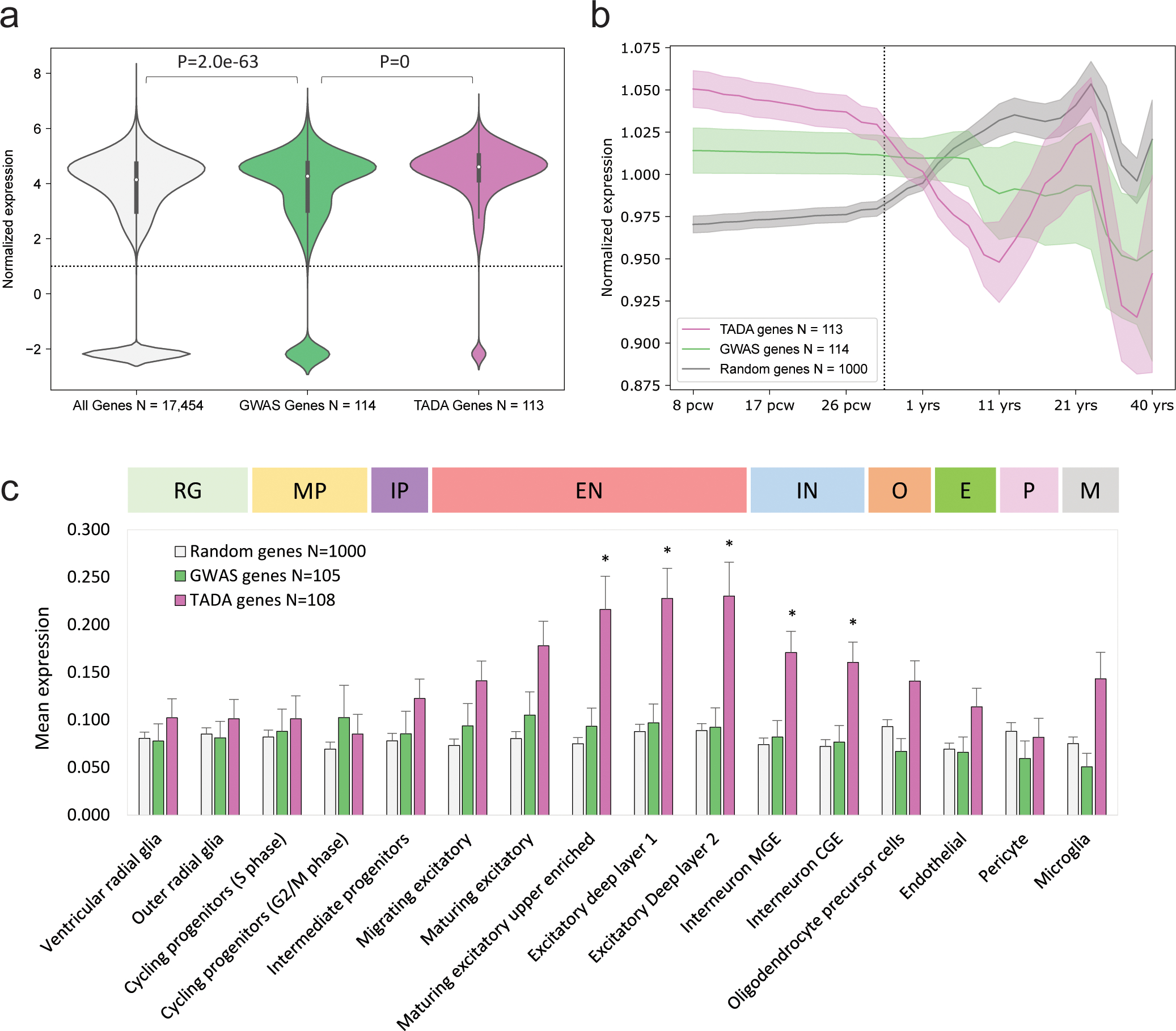
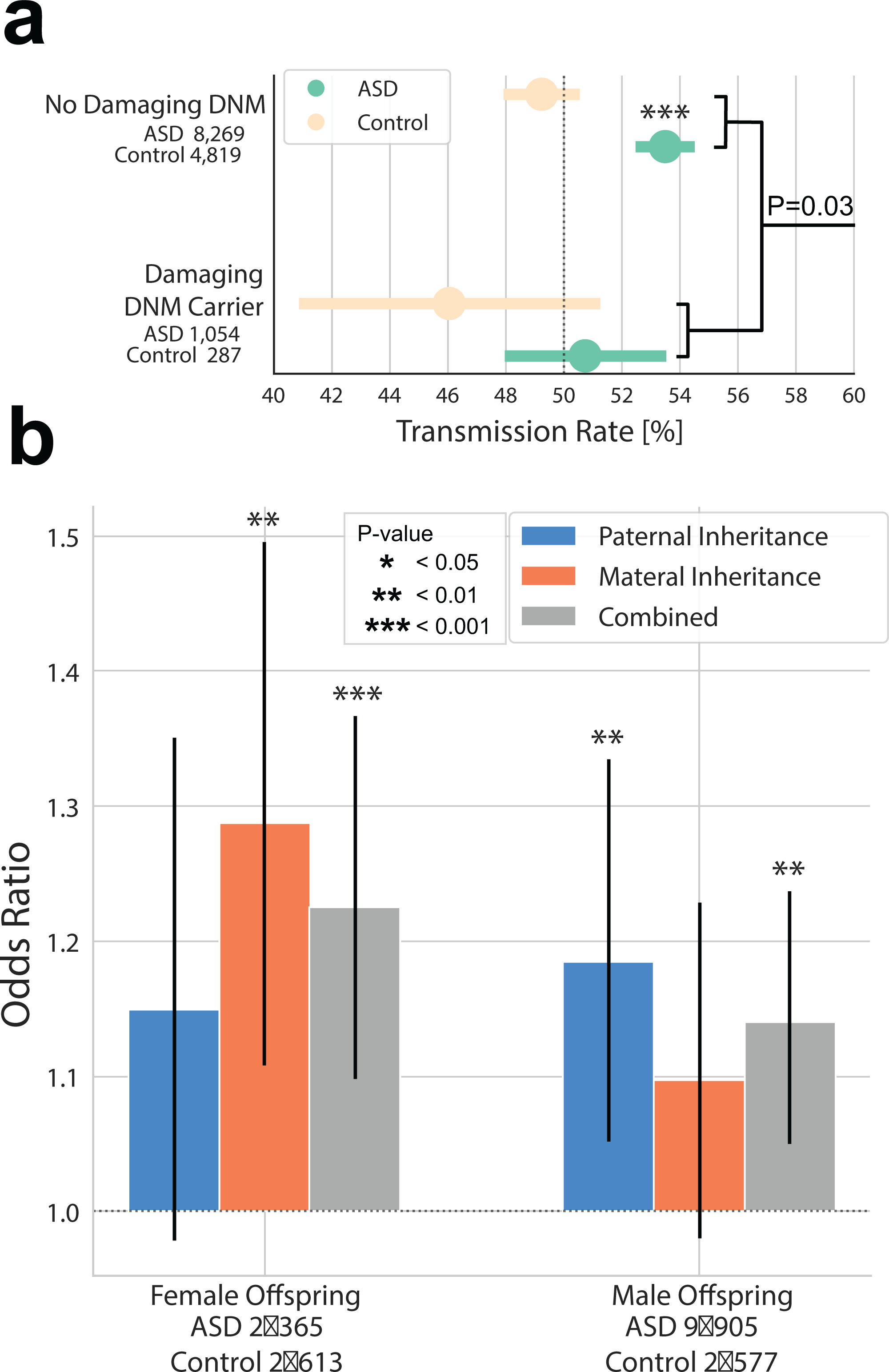
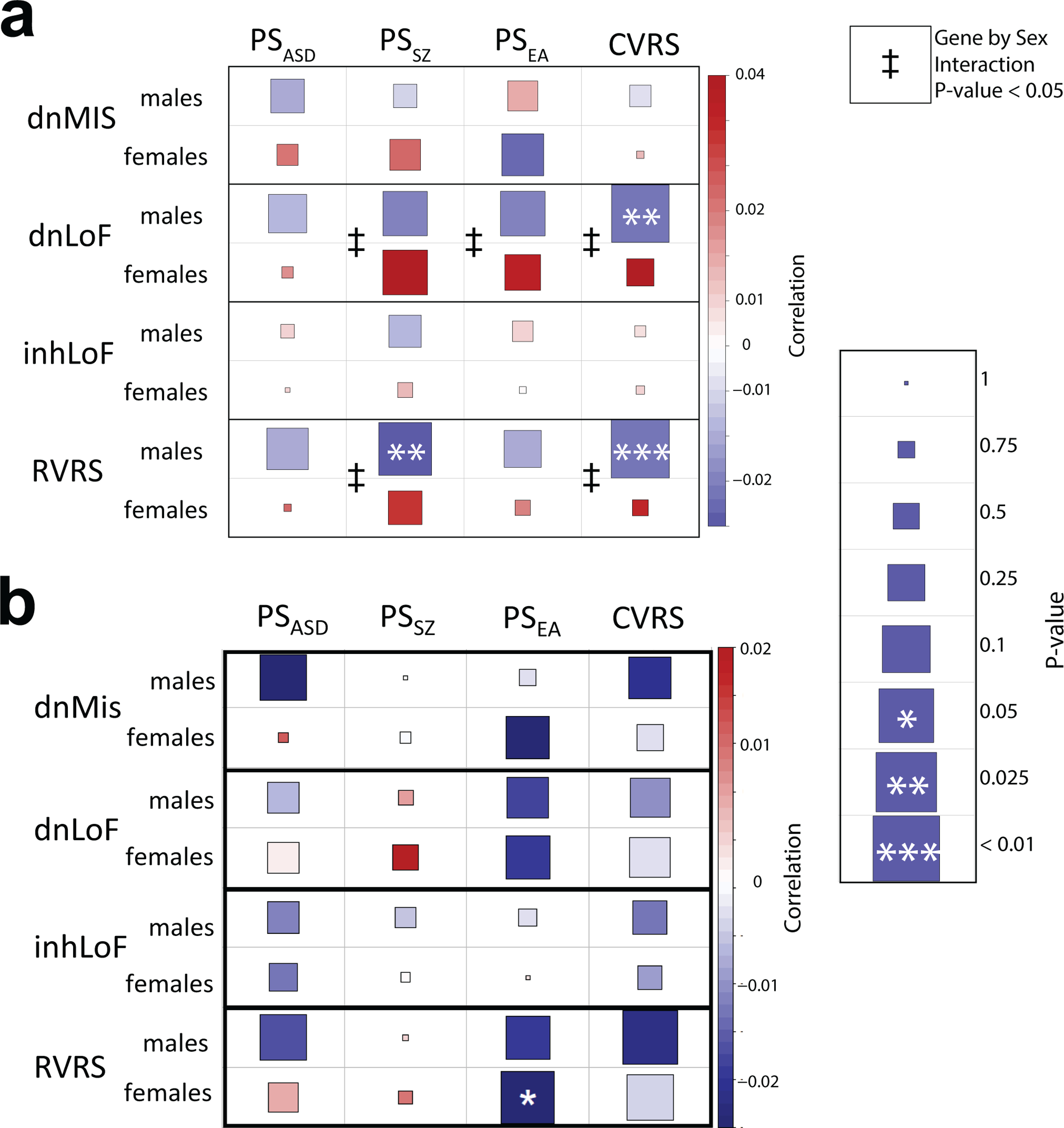
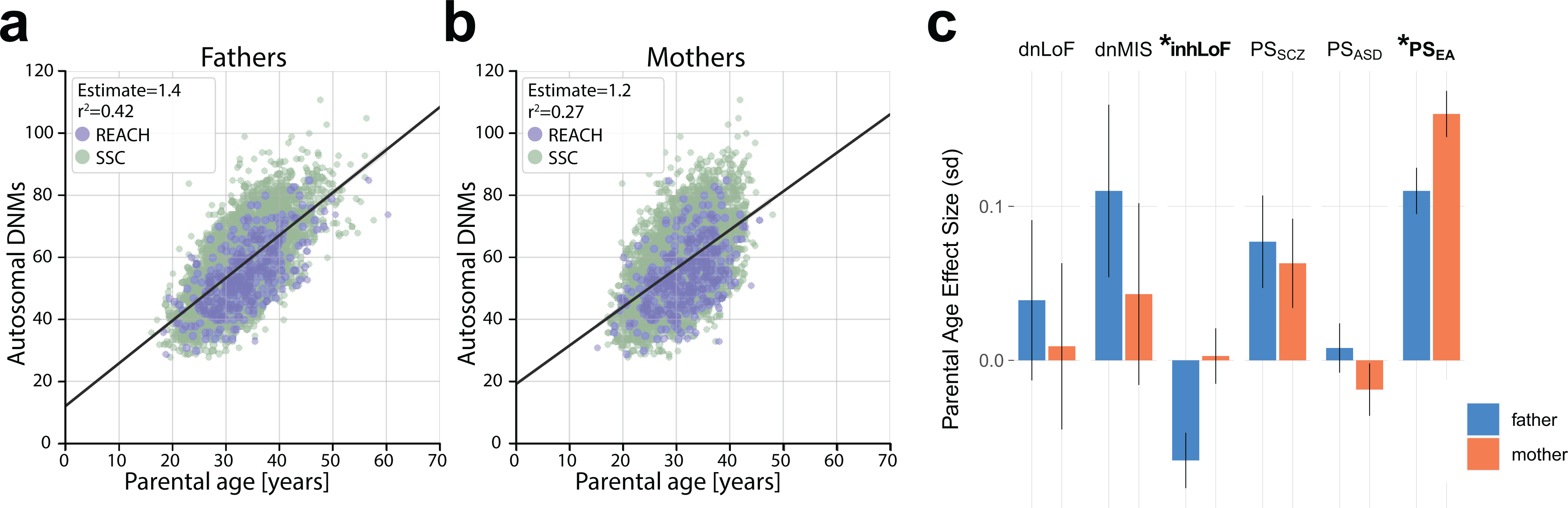
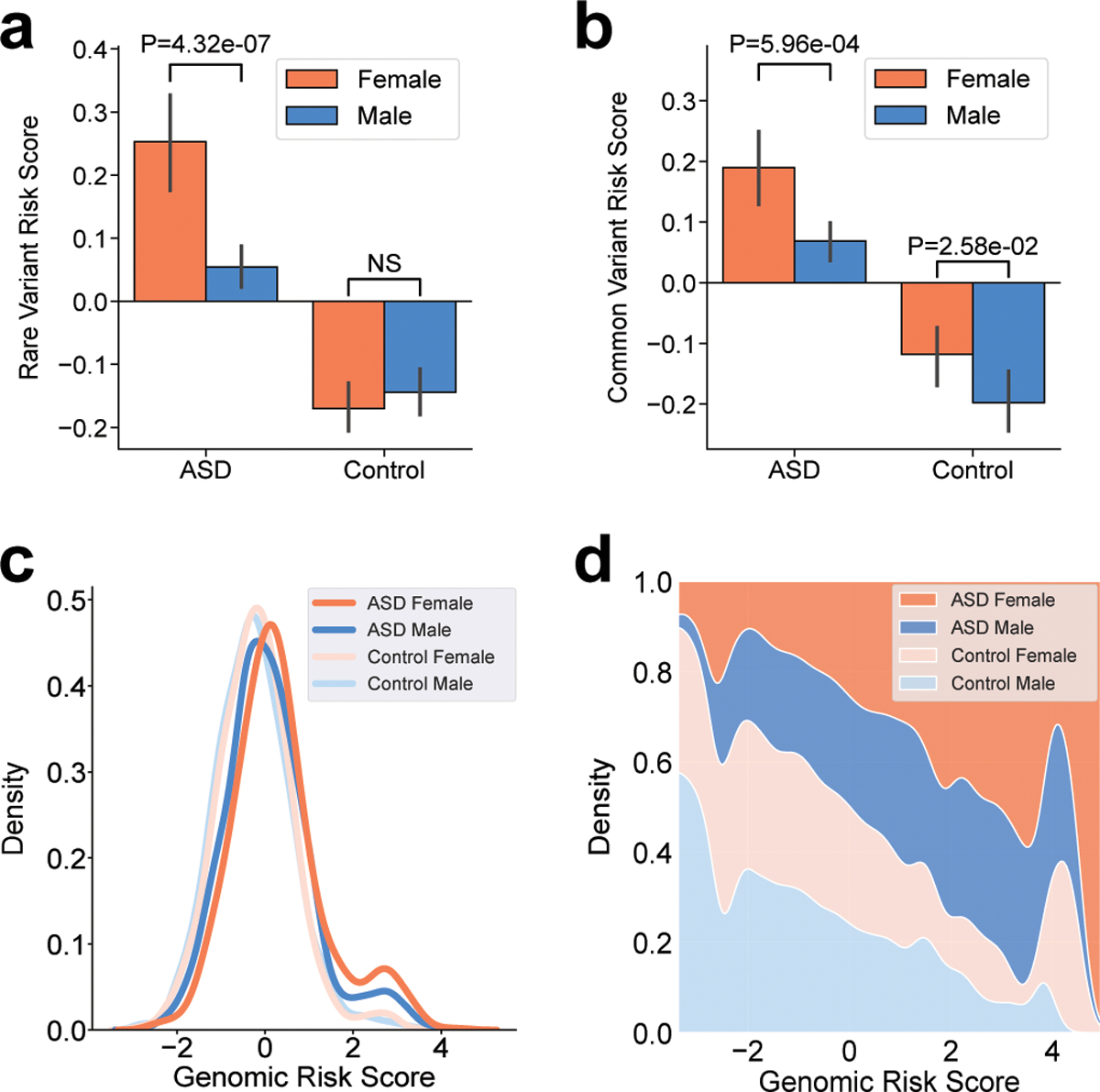
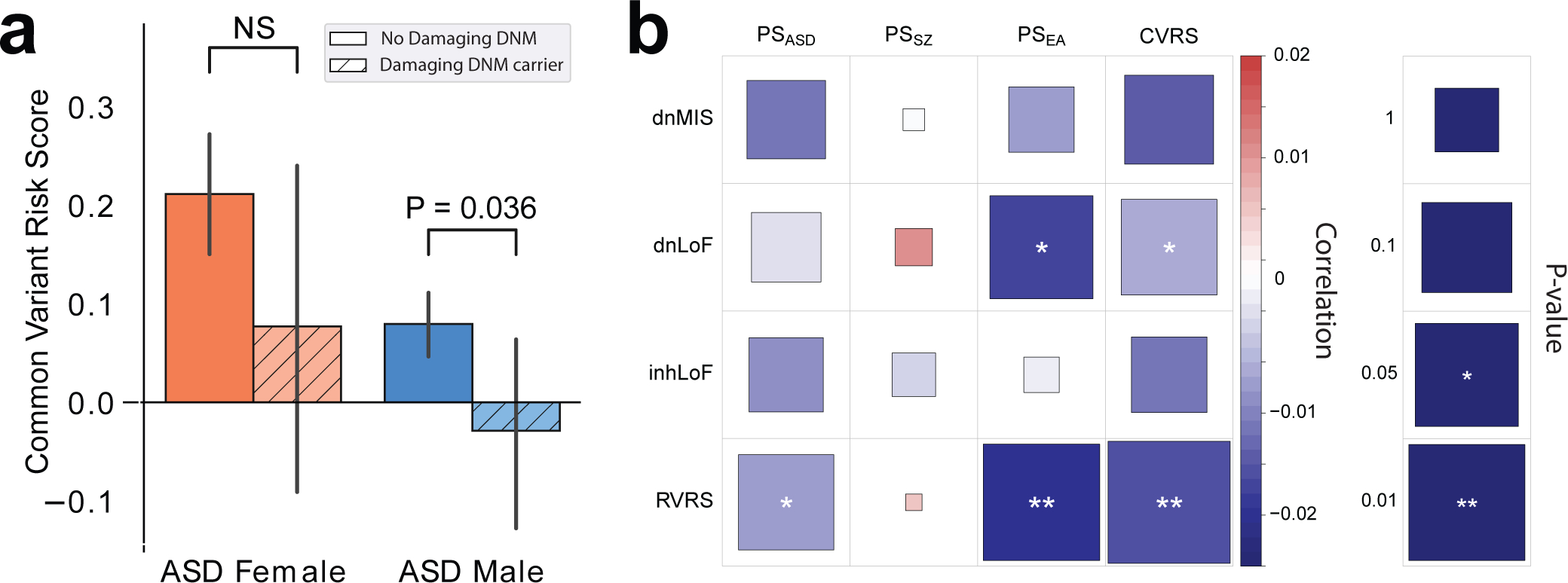
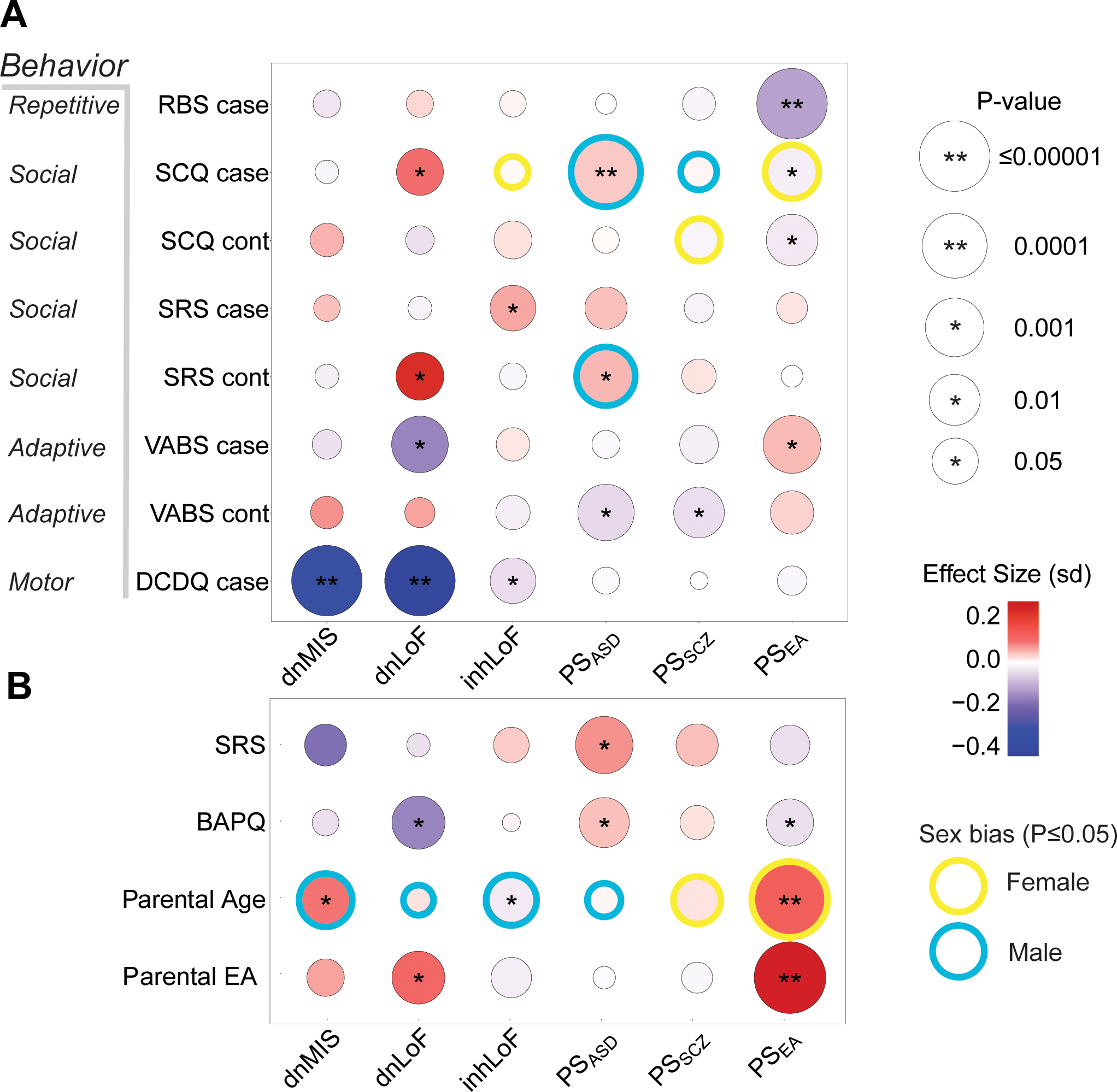
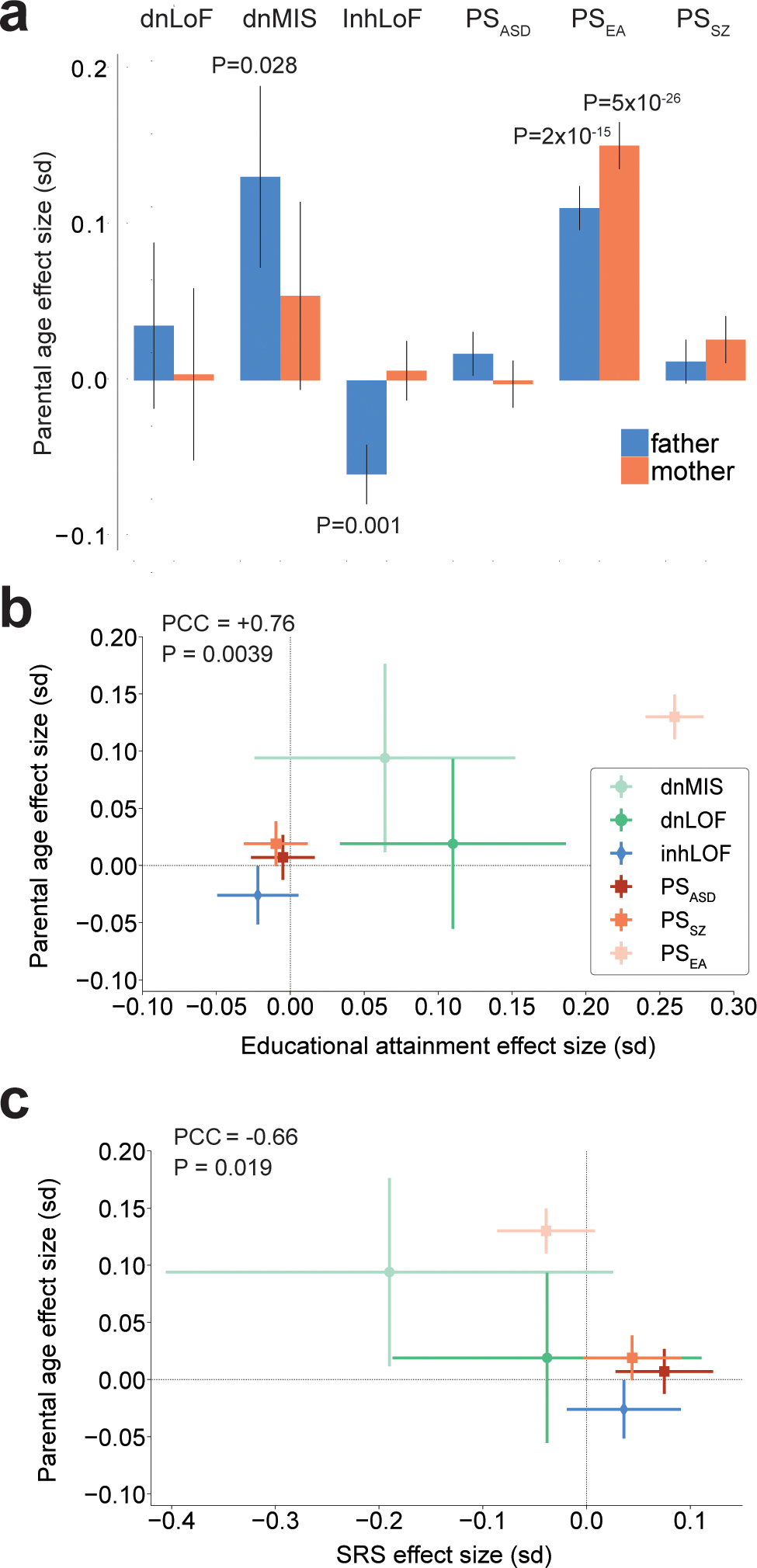
The genetic etiology of autism spectrum disorder (ASD) is multifactorial, but how combinations of genetic factors determine risk is unclear. In a large family sample, we show that genetic loads of rare and polygenic risk are inversely correlated in cases and greater in females than in males, consistent with a liability threshold that differs by sex. De novo mutations (DNMs), rare inherited variants and polygenic scores were associated with various dimensions of symptom severity in children and parents. Parental age effects on risk for ASD in offspring were attributable to a combination of genetic mechanisms, including DNMs that accumulate in the paternal germline and inherited risk that influences behavior in parents. Genes implicated by rare variants were enriched in excitatory and inhibitory neurons compared with genes implicated by common variants. Our results suggest that a phenotypic spectrum of ASD is attributable to a spectrum of genetic factors that impact different neurodevelopmental processes.
自闭症谱系障碍 (ASD) 的遗传病因是多因素的,但遗传因素的组合如何决定风险尚不清楚。在一个大型的家族样本中,我们表明,病例中罕见和多基因风险的遗传负荷呈负相关,并且女性比男性更大,这与性别不同的易感性阈值一致。新生突变 (DNMs)、罕见的遗传变异和多基因评分与儿童和父母的各种症状严重程度维度相关。父母年龄对后代 ASD 风险的影响归因于遗传机制的组合,包括在精原细胞中积累的 DNMs 和影响父母行为的遗传风险。与常见变异所涉及的基因相比,罕见变异所涉及的基因在兴奋性和抑制性神经元中更为丰富。我们的研究结果表明,ASD 的表型谱归因于影响不同神经发育过程的遗传因素谱。