Department of Radiology, Adıyaman Training and Research Hospital, Adiyaman 1164, Turkey.
Department of Obstetrics and Gynecology, Malatya Turgut Ozal University Training and Research Hospital, Malatya 44330, Turkey.
Contrast Media Mol Imaging. 2022 May 18;2022:6034971. doi: 10.1155/2022/6034971. eCollection 2022.
Fetal sex determination with ultrasound (US) examination is indicated in pregnancies at risk of X-linked genetic disorders or ambiguous genitalia. However, misdiagnoses often arise due to operator inexperience and technical difficulties while acquiring diagnostic images. We aimed to develop an efficient automated US-based fetal sex classification model that can facilitate efficient screening and reduce misclassification.
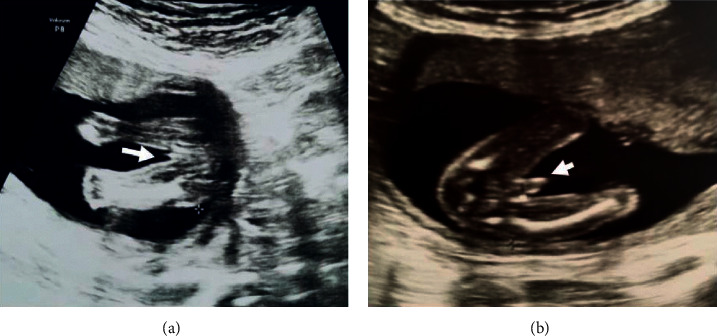
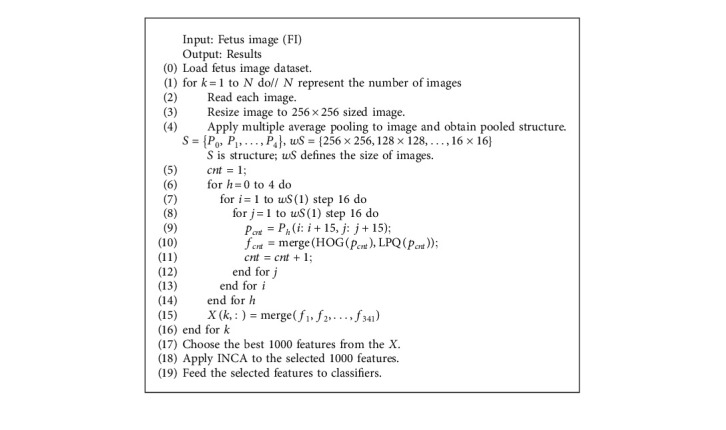
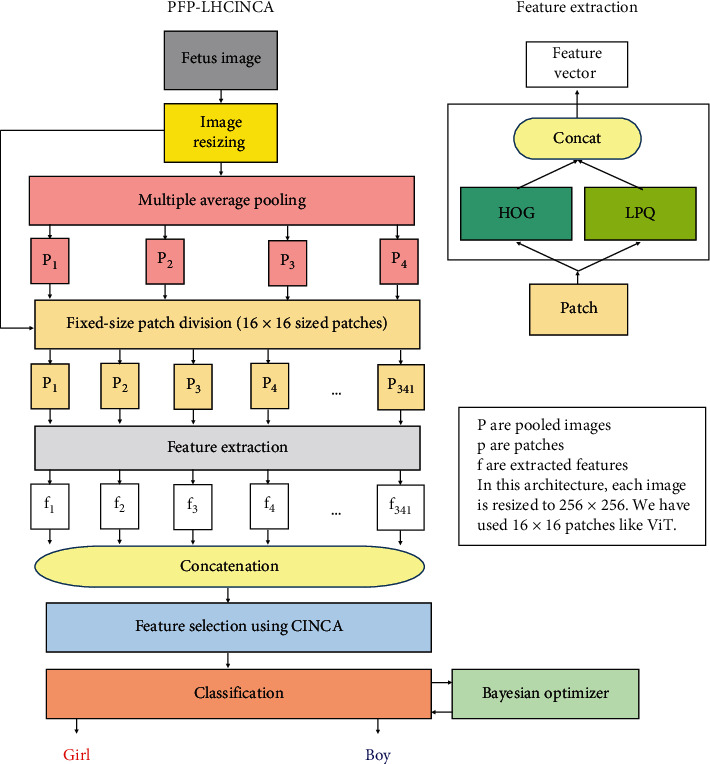
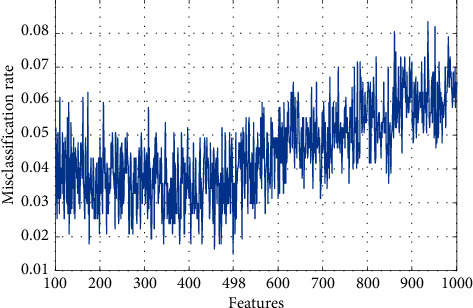
We have developed a novel feature engineering model termed PFP-LHCINCA that employs pyramidal fixed-size patch generation with average pooling-based image decomposition, handcrafted feature extraction based on local phase quantization (LPQ), and histogram of oriented gradients (HOG) to extract directional and textural features and used Chi-square iterative neighborhood component analysis feature selection (CINCA), which iteratively selects the most informative feature vector for each image that minimizes calculated feature parameter-derived k-nearest neighbor-based misclassification rates. The model was trained and tested on a sizeable expert-labeled dataset comprising 339 males' and 332 females' fetal US images. One transverse fetal US image per subject zoomed to the genital area and standardized to 256 × 256 size was used for analysis. Fetal sex was annotated by experts on US images and confirmed postnatally.
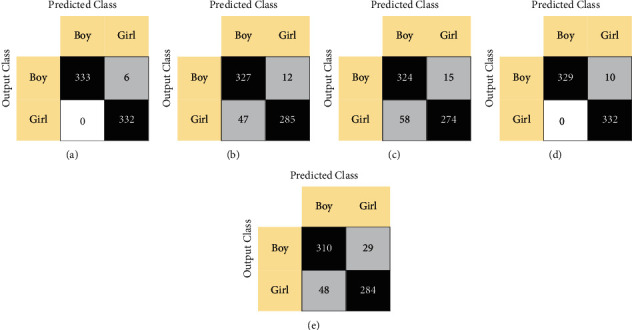
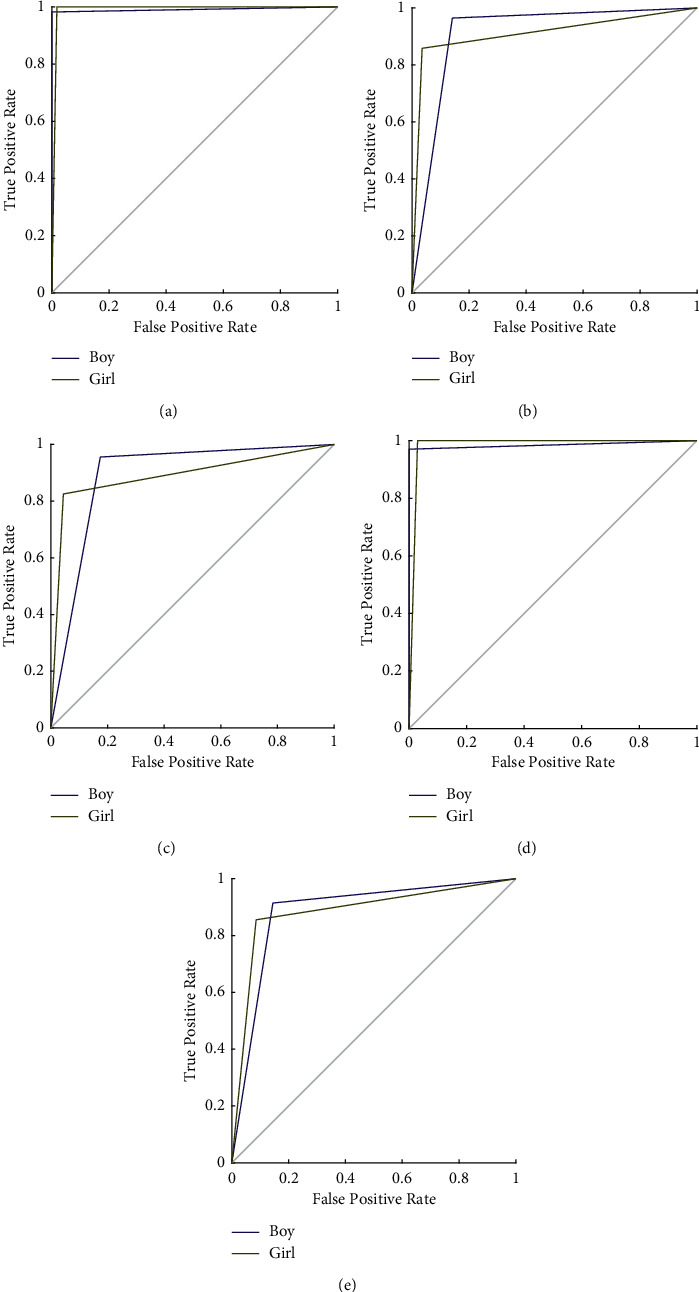
Standard model performance metrics were compared using five shallow classifiers-k-nearest neighbor (kNN), decision tree, naïve Bayes, linear discriminant, and support vector machine (SVM)-with the hyperparameters tuned using a Bayesian optimizer. The PFP-LHCINCA model achieved a sex classification accuracy of ≥88% with all five classifiers and the best accuracy rates (>98%) with kNN and SVM classifiers.
US-based fetal sex classification is feasible and accurate using the presented PFP-LHCINCA model. The salutary results support its clinical use for fetal US image screening for sex classification. The model architecture can be modified into deep learning models for training larger datasets.
超声(US)检查可用于对 X 连锁遗传疾病或生殖器模糊的高危妊娠进行胎儿性别鉴定。然而,由于操作人员经验不足和获取诊断图像时的技术困难,常导致误诊。我们旨在开发一种有效的基于 US 的胎儿性别分类模型,以促进高效筛查并减少误诊。
我们开发了一种新的特征工程模型,称为 PFP-LHCINCA,它采用金字塔固定大小的补丁生成,基于平均池化的图像分解,基于局部相位量化(LPQ)的手工特征提取,方向梯度直方图(HOG)提取方向和纹理特征,并使用卡方迭代邻域成分分析特征选择(CINCA),该方法迭代选择对每个图像最具信息量的特征向量,以最小化计算特征参数的 K 最近邻分类率。该模型在一个由 339 名男性和 332 名女性胎儿 US 图像组成的大型专家标记数据集上进行了训练和测试。每个受试者的一个横切面胎儿 US 图像放大到生殖器区域,并标准化到 256×256 大小用于分析。胎儿性别由专家在 US 图像上进行注释,并在产后得到证实。
使用五种浅层分类器(k 最近邻(kNN)、决策树、朴素贝叶斯、线性判别和支持向量机(SVM))比较了标准模型性能指标,并使用贝叶斯优化器对超参数进行了调整。PFP-LHCINCA 模型在使用所有五种分类器时,分类准确率≥88%,在使用 kNN 和 SVM 分类器时,准确率最高(>98%)。
使用所提出的 PFP-LHCINCA 模型,基于 US 的胎儿性别分类是可行且准确的。有益的结果支持其在胎儿 US 图像筛查中用于性别分类的临床应用。该模型架构可以修改为深度学习模型,以训练更大的数据集。