Departamento de Biología Molecular y Biotecnología, Instituto de Investigaciones Biomédicas, Universidad Nacional Autónoma de México (UNAM), Ciudad de México, Mexico.
International Agency for Research on Cancer, Lyon, France.
Front Cell Infect Microbiol. 2022 May 17;12:884272. doi: 10.3389/fcimb.2022.884272. eCollection 2022.
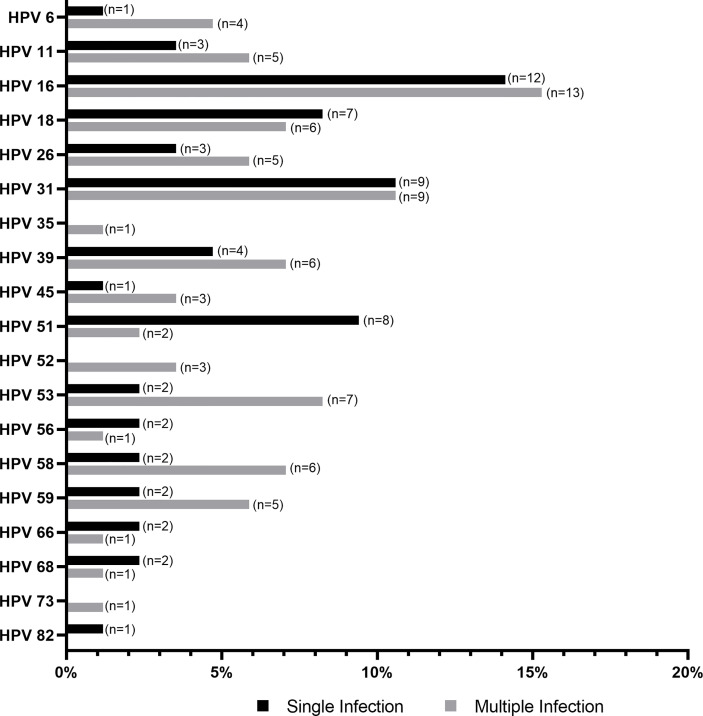
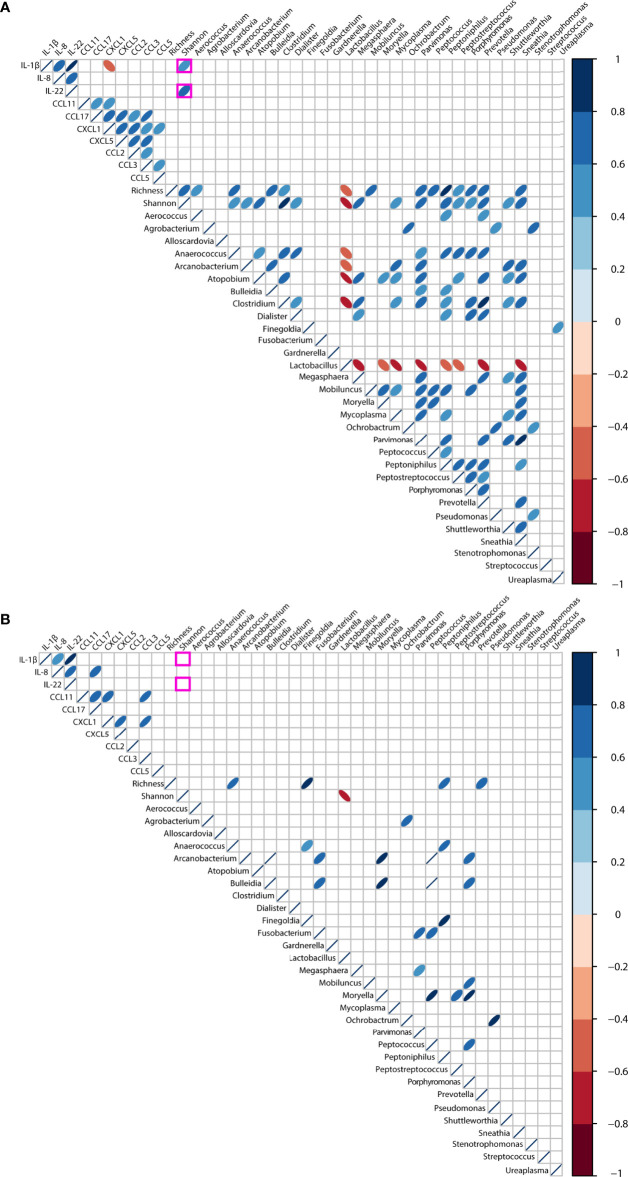
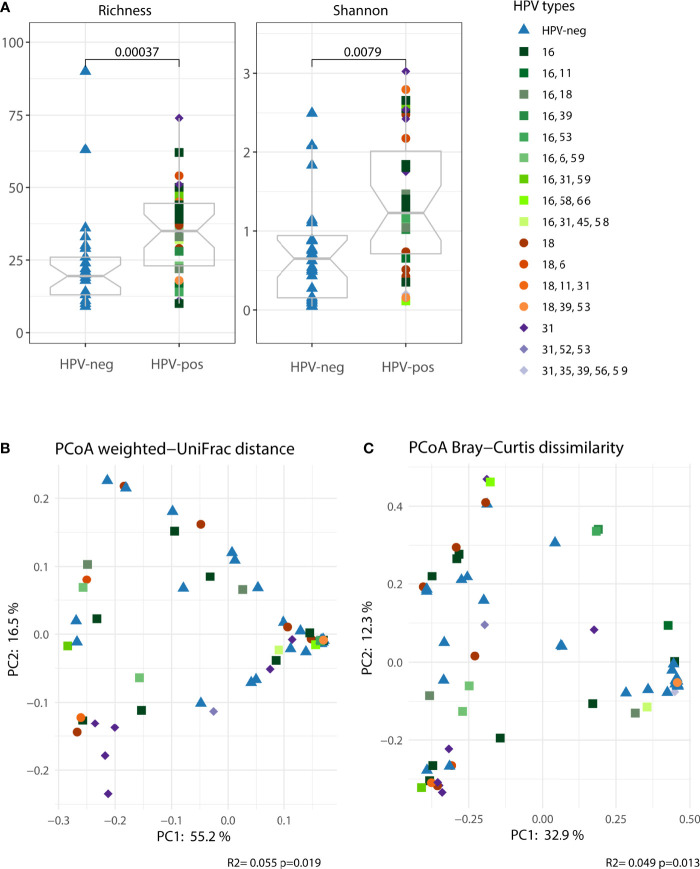
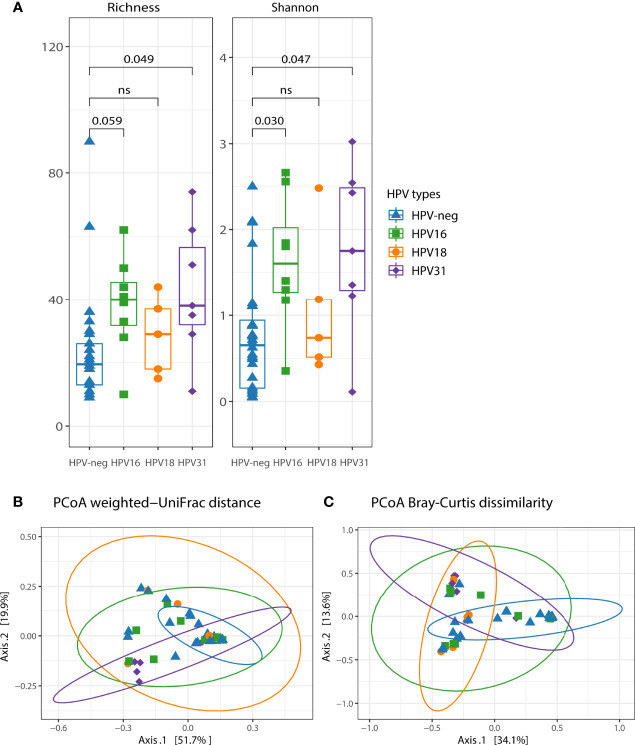
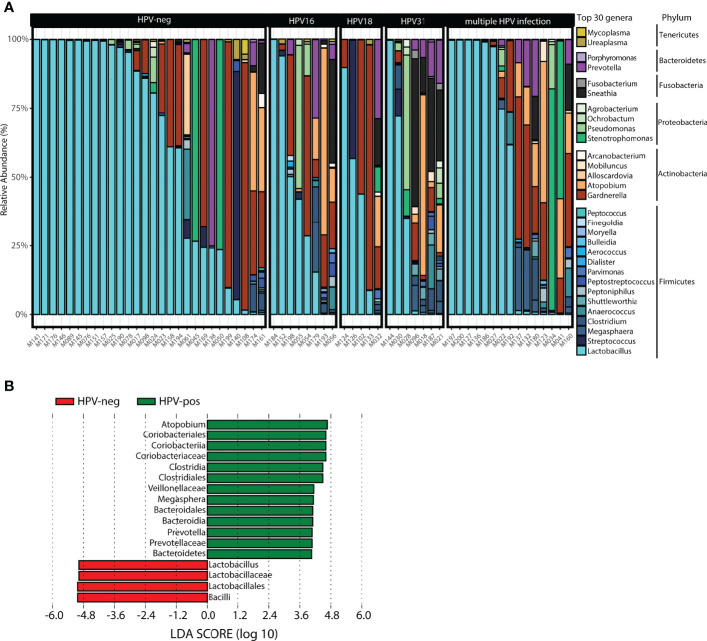
Cervical ectopy is a benign condition of the lower genital tract that is frequently detected in women of reproductive age. Although cervical ectopy is regarded as a physiological condition, some women experience symptoms such as leucorrhoea, persistent bleeding and recurrent vaginal infections that require medical intervention. Cervical ectopy has not been linked to cervical cancer, but it is thought to facilitate the acquisition of sexually transmitted diseases (STDs), like Human Papillomavirus (HPV) infection, as it provides a favorable microenvironment for virus infection and dissemination. We and others have described the presence of oncogenic HPV types in women with symptomatic cervical ectopy. The relevance of this finding and the impact of symptomatic cervical ectopy on the cervicovaginal microenvironment (vaginal microbiota, immune and inflammatory responses) are currently unknown. To shed some light into the interplay between HPV, the vaginal microbiota and mucosal immune and inflammatory responses in the context of this condition, we enrolled 156 women with symptomatic cervical ectopy and determined the presence of HPV using a type-specific multiplex genotyping assay. Overall, HPV was detected in 54.48% women, oncogenic HPV types were found in more than 90% of HPV-positive cases. The most prevalent HPV types were HPV16 (29.4%), HPV31 (21.17%) and HPV18 (15.29%). Next, we evaluated the vaginal microbial composition and diversity by 16S rDNA sequencing, and quantified levels of cytokines and chemokines by flow cytometry using bead-based multiplex assays in a sub-cohort of 63 women. IL-21 and CXCL9 were significantly upregulated in HPV-positive women (=0.0002 and =0.013, respectively). Women with symptomatic cervical ectopy and HPV infection had increased diversity (<0.001), and their vaginal microbiota was enriched in bacterial vaginosis-associated anaerobes (, , , and ) and depleted in spp. Furthermore, the vaginal microbiota of women with symptomatic cervical ectopy and HPV infection correlated with vaginal inflammation (IL-1β, rho=0.56, =0.0004) and increased mucosal homeostatic response (IL-22, rho=0.60, =0.0001). Taken together, our results suggest that HPV infection and dysbiotic vaginal communities could favor a vaginal microenvironment that might delay the recovery of the cervical epithelium in women with symptomatic cervical ectopy and favor STDs acquisition.
宫颈柱状上皮异位是一种常见于育龄期女性的下生殖道良性病变。尽管宫颈柱状上皮异位被认为是一种生理现象,但一些女性会出现白带、持续出血和反复阴道感染等症状,需要医疗干预。宫颈柱状上皮异位与宫颈癌无关,但它被认为有助于性传播疾病(STDs)的传播,如人乳头瘤病毒(HPV)感染,因为它为病毒感染和传播提供了有利的微环境。我们和其他人已经描述了在有症状的宫颈柱状上皮异位女性中存在致癌 HPV 类型。目前尚不清楚这一发现的相关性以及有症状的宫颈柱状上皮异位对宫颈阴道微环境(阴道微生物群、免疫和炎症反应)的影响。为了深入了解 HPV、阴道微生物群和黏膜免疫及炎症反应在这种情况下的相互作用,我们招募了 156 名有症状的宫颈柱状上皮异位女性,使用 HPV 型特异性多重基因分型检测来确定 HPV 的存在。总的来说,HPV 在 54.48%的女性中被检测到,在 HPV 阳性病例中,致癌 HPV 类型的检出率超过 90%。最常见的 HPV 类型是 HPV16(29.4%)、HPV31(21.17%)和 HPV18(15.29%)。接下来,我们在一个由 63 名女性组成的亚队列中,通过 16S rDNA 测序评估阴道微生物组成和多样性,并通过基于珠的多重分析流式细胞术定量细胞因子和趋化因子水平。在 HPV 阳性女性中,IL-21 和 CXCL9 显著上调(=0.0002 和=0.013)。有症状的宫颈柱状上皮异位和 HPV 感染的女性多样性增加(<0.001),其阴道微生物群富含与细菌性阴道病相关的厌氧菌(、、、和),而 属减少。此外,有症状的宫颈柱状上皮异位和 HPV 感染女性的阴道微生物群与阴道炎症相关(IL-1β,rho=0.56,=0.0004),并与粘膜稳态反应增加相关(IL-22,rho=0.60,=0.0001)。总之,我们的研究结果表明,HPV 感染和阴道菌群失调可能会导致阴道微环境有利于有症状的宫颈柱状上皮异位患者的宫颈上皮恢复延迟,并有利于性传播疾病的传播。