The National Clinical Research Center for Mental Disorders and Beijing Key Laboratory of Mental Disorders, Beijing Anding Hospital, Capital Medical University, 5 Ankang Lane, Dewai Avenue, Xicheng District, Beijing, 100088, China.
Advanced Innovation Center for Human Brain Protection, Capital Medical University, 10 Xi tou tiao, You An Men Wai, Fengtai District, Beijing, 100069, China.
J Neuroinflammation. 2022 Jun 6;19(1):132. doi: 10.1186/s12974-022-02492-0.
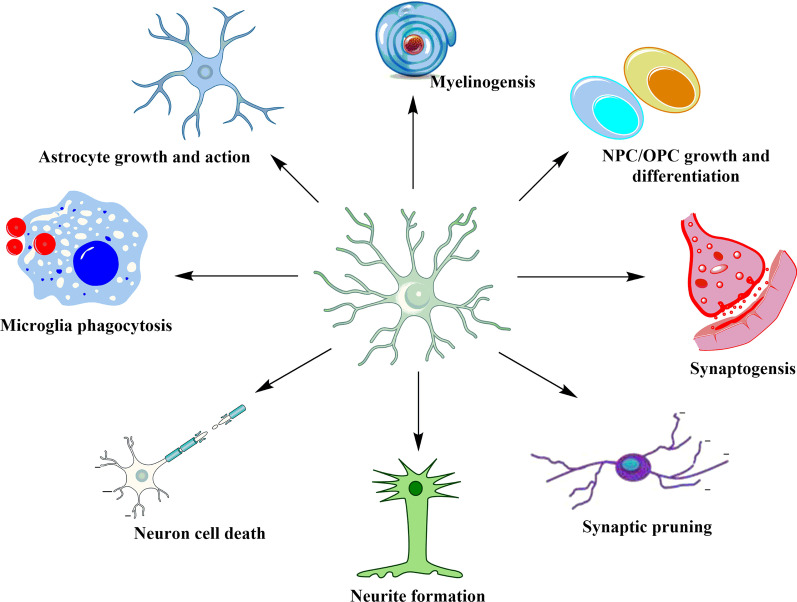
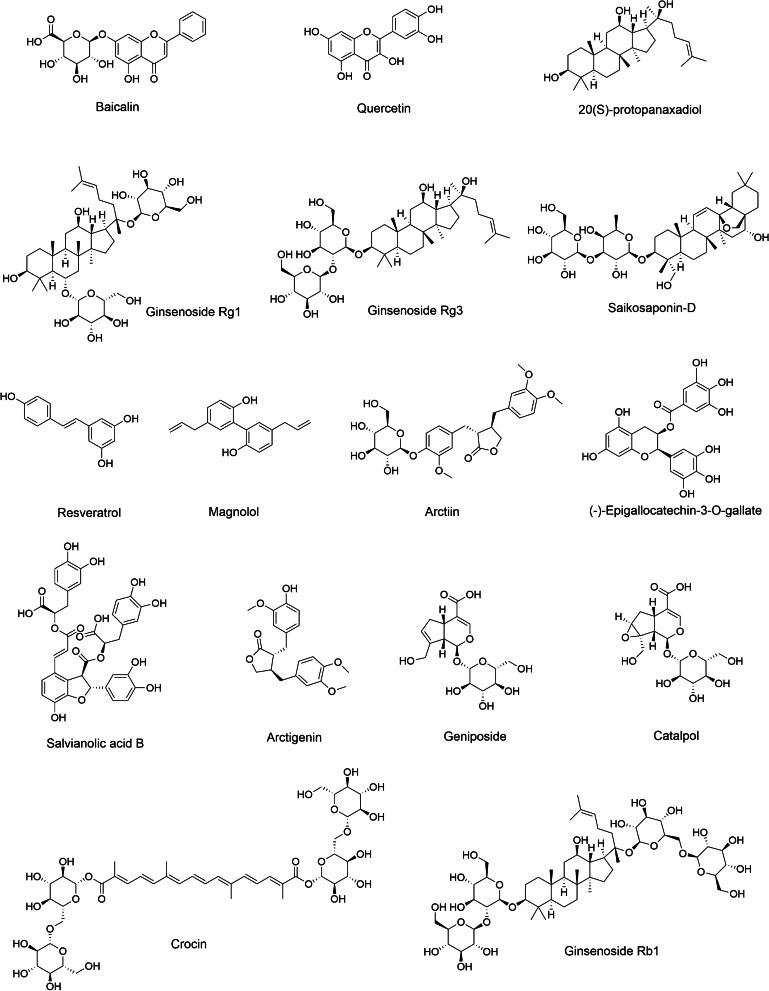
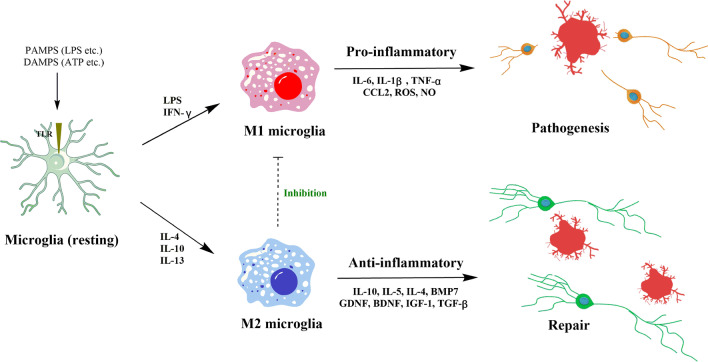
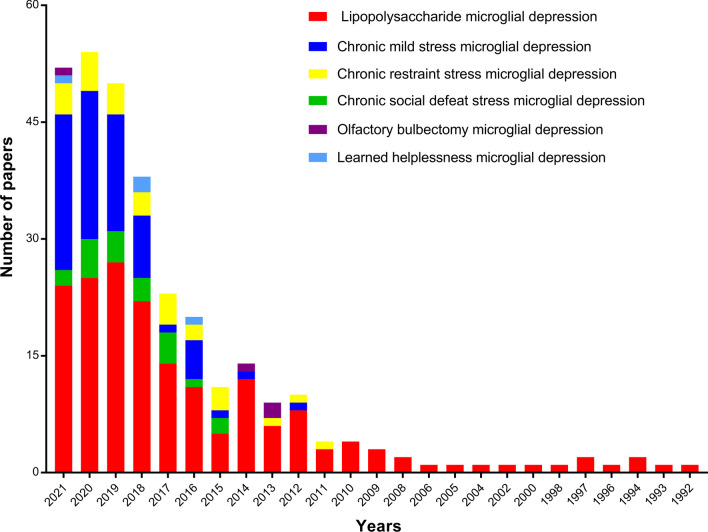
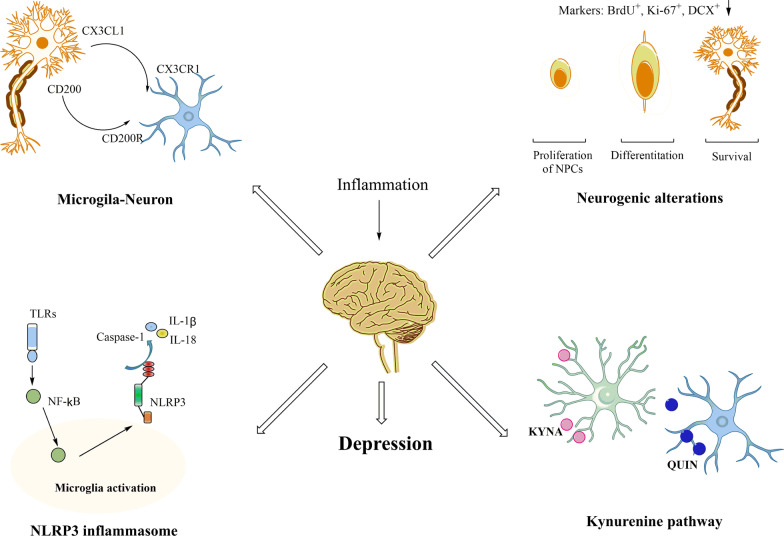
Major depressive disorder is a highly debilitating psychiatric disorder involving the dysfunction of different cell types in the brain. Microglia are the predominant resident immune cells in the brain and exhibit a critical role in depression. Recent studies have suggested that depression can be regarded as a microglial disease. Microglia regulate inflammation, synaptic plasticity, and the formation of neural networks, all of which affect depression. In this review, we highlighted the role of microglia in the pathology of depression. First, we described microglial activation in animal models and clinically depressed patients. Second, we emphasized the possible mechanisms by which microglia recognize depression-associated stress and regulate conditions. Third, we described how antidepressants (clinical medicines and natural products) affect microglial activation. Thus, this review aimed to objectively analyze the role of microglia in depression and focus on potential antidepressants. These data suggested that regulation of microglial actions might be a novel therapeutic strategy to counteract the adverse effects of devastating mental disorders.
重度抑郁症是一种高度虚弱的精神疾病,涉及大脑中不同细胞类型的功能障碍。小胶质细胞是大脑中主要的常驻免疫细胞,在抑郁症中起着关键作用。最近的研究表明,抑郁症可以被视为一种小胶质细胞疾病。小胶质细胞调节炎症、突触可塑性和神经网络的形成,所有这些都影响抑郁症。在这篇综述中,我们强调了小胶质细胞在抑郁症发病机制中的作用。首先,我们描述了动物模型和临床抑郁症患者中小胶质细胞的激活。其次,我们强调了小胶质细胞识别与抑郁相关的应激和调节条件的可能机制。第三,我们描述了抗抑郁药(临床药物和天然产物)如何影响小胶质细胞的激活。因此,本综述旨在客观分析小胶质细胞在抑郁症中的作用,并关注潜在的抗抑郁药。这些数据表明,调节小胶质细胞的作用可能是一种对抗毁灭性精神障碍不良影响的新的治疗策略。