Takis, Via Castel Romano 100, 00128, Rome, Italy.
Evvivax, Via Castel Romano 100, 00128, Rome, Italy.
J Exp Clin Cancer Res. 2022 Jun 6;41(1):195. doi: 10.1186/s13046-022-02402-5.
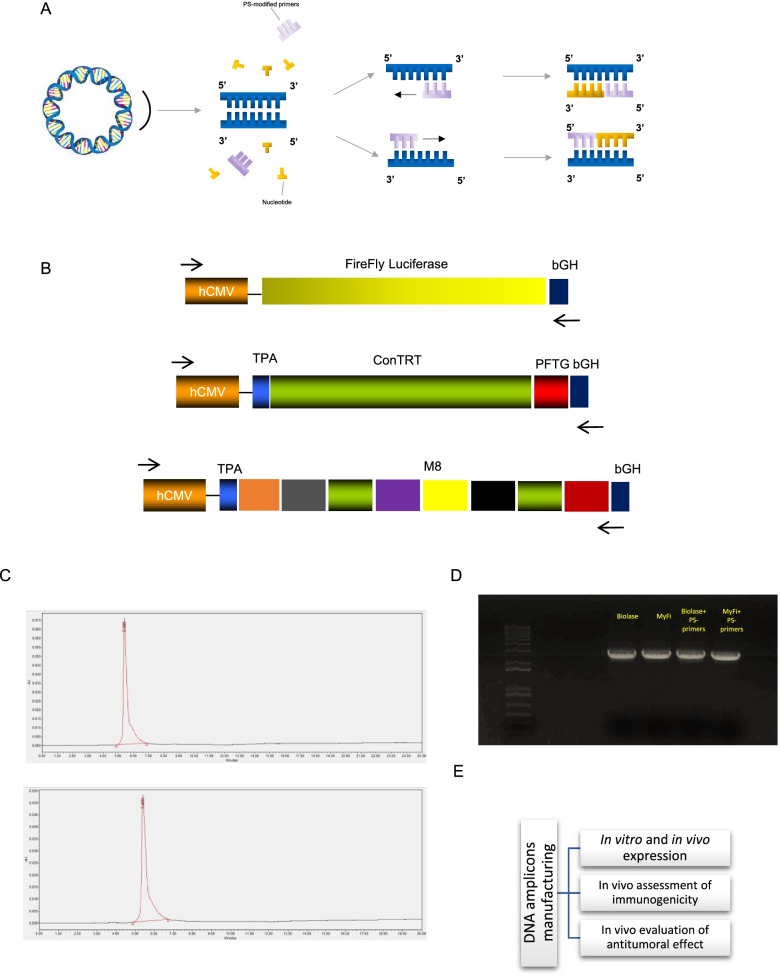
DNA-based vaccines represent a simple, safe and promising strategy for harnessing the immune system to fight infectious diseases as well as various forms of cancer and thus are considered an important tool in the cancer immunotherapy toolbox. Nonetheless, the manufacture of plasmid DNA vaccines has several drawbacks, including long lead times and the need to remove impurities from bacterial cultures. Here we report the development of polymerase chain reaction (PCR)-produced amplicon expression vectors as DNA vaccines and their in vivo application to elicit antigen-specific immune responses in animal cancer models.
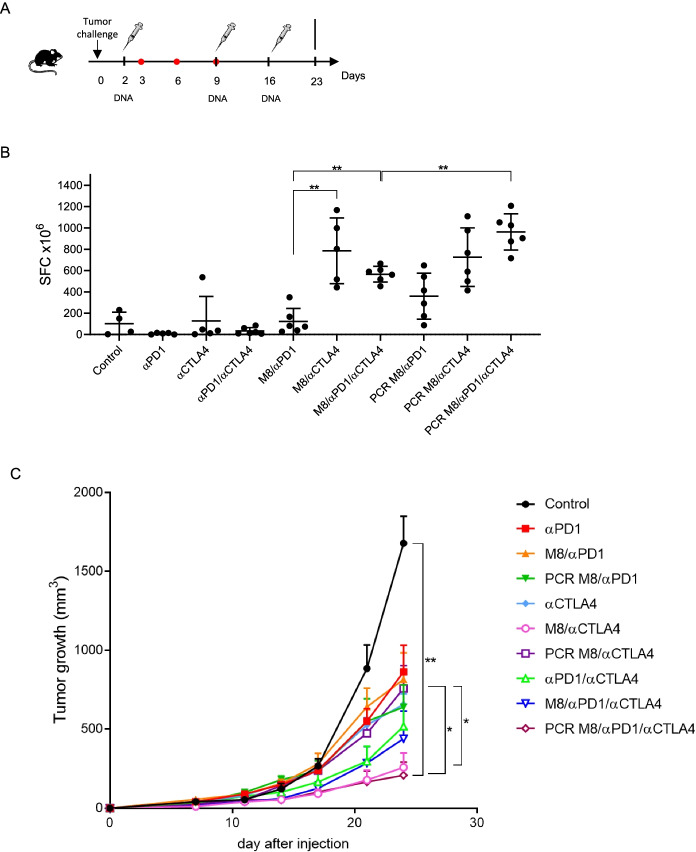
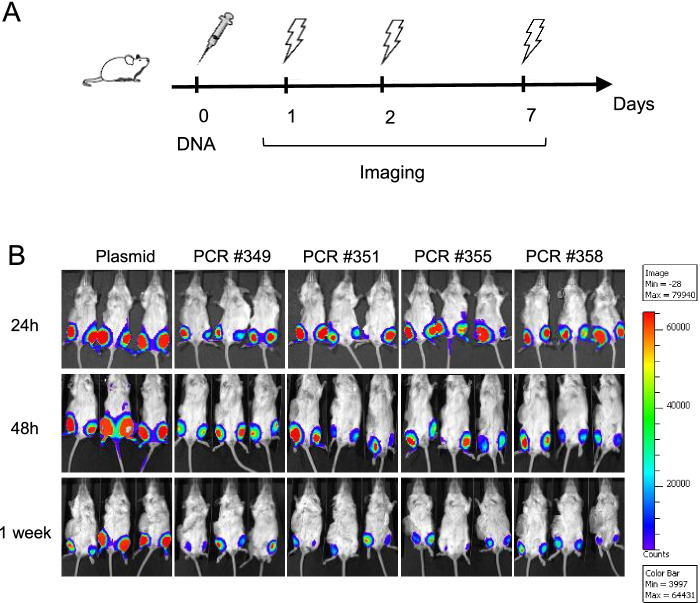
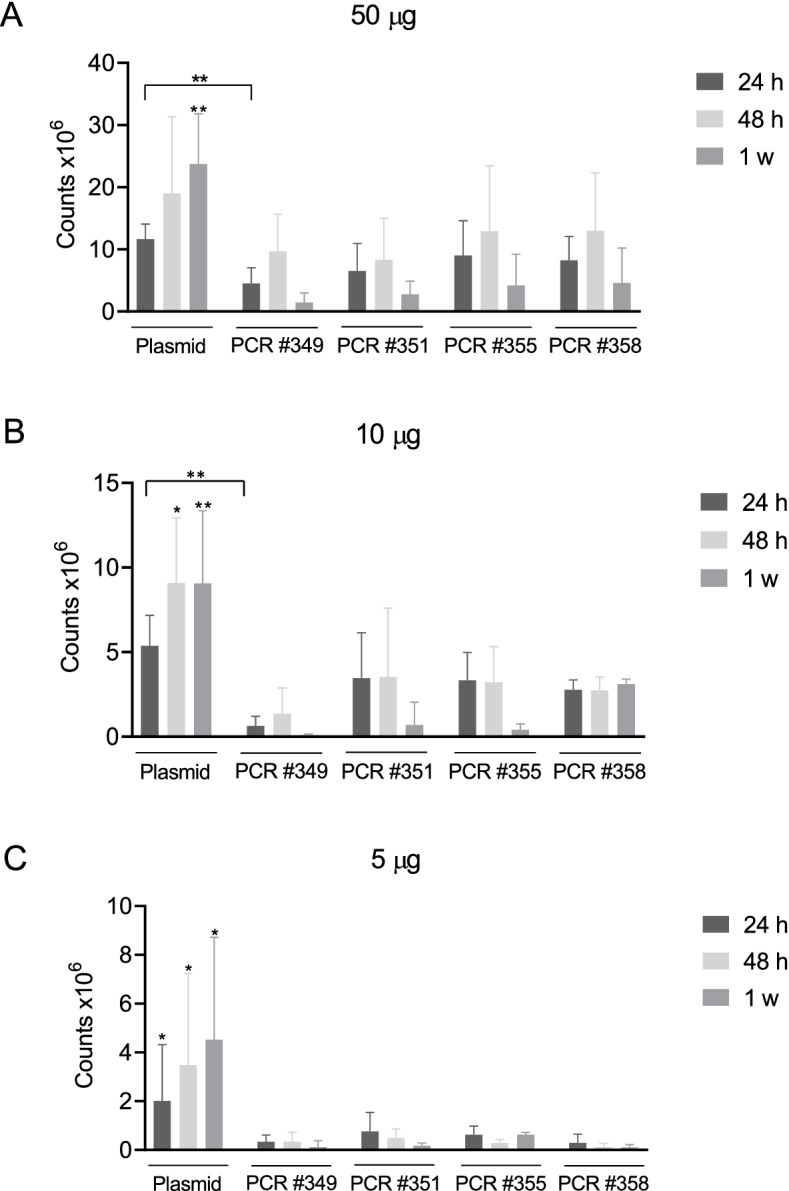
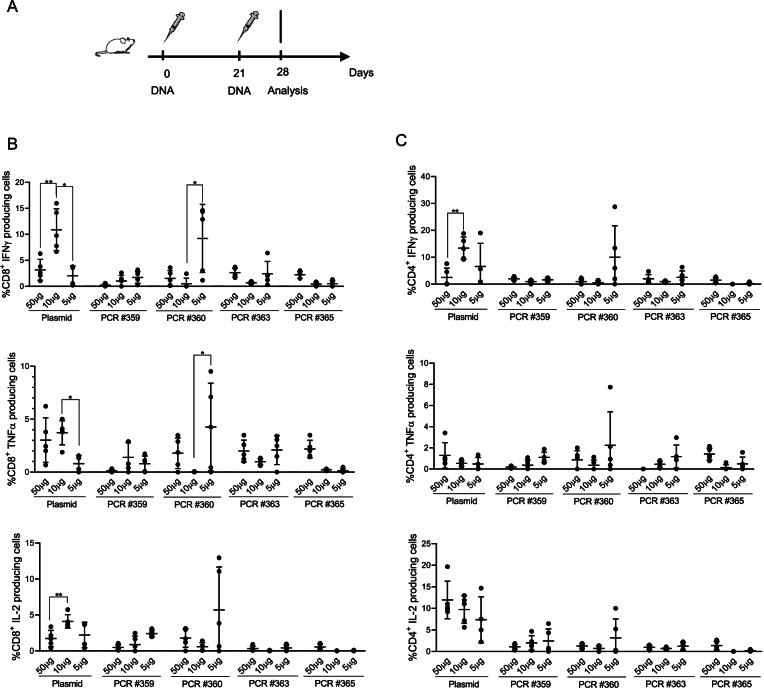
Plasmid DNA and amplicon expression was assessed both in vitro, by Hela cells transfection, and in vivo, by evaluating luciferase expression in wild-type mice through optical imaging. Immunogenicity induced by DNA amplicons was assessed by vaccinating wild-type mice against a tumor-associated antigen, whereas the antitumoral effect of DNA amplicons was evaluated in a murine cancer model in combination with immune-checkpoint inhibitors (ICIs).
Amplicons encoding tumor-associated-antigens, such as telomerase reverse transcriptase or neoantigens expressed by murine tumor cell lines, were able to elicit antigen-specific immune responses and proved to significantly impact tumor growth when administered in combination with ICIs.
These results strongly support the further exploration of the use of PCR-based amplicons as an innovative immunotherapeutic approach to cancer treatment.
基于 DNA 的疫苗代表了一种利用免疫系统对抗传染病以及各种形式的癌症的简单、安全且有前景的策略,因此被认为是癌症免疫治疗工具包中的重要工具。尽管如此,质粒 DNA 疫苗的制造存在几个缺点,包括生产周期长和需要从细菌培养物中去除杂质。在这里,我们报告了聚合酶链反应 (PCR) 产生的扩增子表达载体作为 DNA 疫苗的开发及其在体内应用,以在动物癌症模型中引发针对抗原的特异性免疫反应。
通过 Hela 细胞转染在体外评估质粒 DNA 和扩增子表达,通过在野生型小鼠中通过光学成像评估荧光素酶表达来评估体内表达。通过针对肿瘤相关抗原对野生型小鼠进行 DNA 扩增子接种来评估免疫原性,同时结合免疫检查点抑制剂 (ICI) 在小鼠癌症模型中评估 DNA 扩增子的抗肿瘤作用。
编码肿瘤相关抗原(如端粒酶逆转录酶或小鼠肿瘤细胞系表达的新抗原)的扩增子能够引发针对抗原的特异性免疫反应,并在与 ICI 联合使用时被证明可显著影响肿瘤生长。
这些结果强烈支持进一步探索使用基于 PCR 的扩增子作为癌症治疗的创新免疫治疗方法。