Cancer Immunology, Takis, Rome, Italy.
Università Magna Grecia, Catanzaro, Italy.
Oncoimmunology. 2021 Mar 23;10(1):1898832. doi: 10.1080/2162402X.2021.1898832.
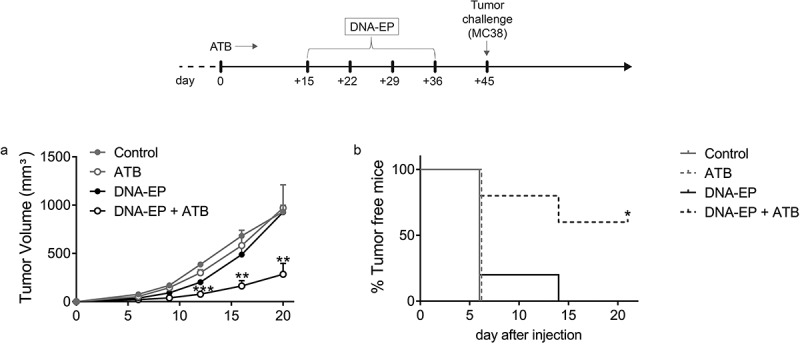
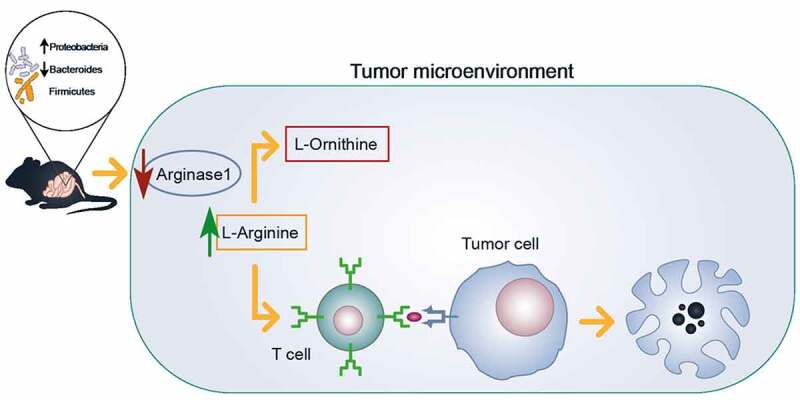
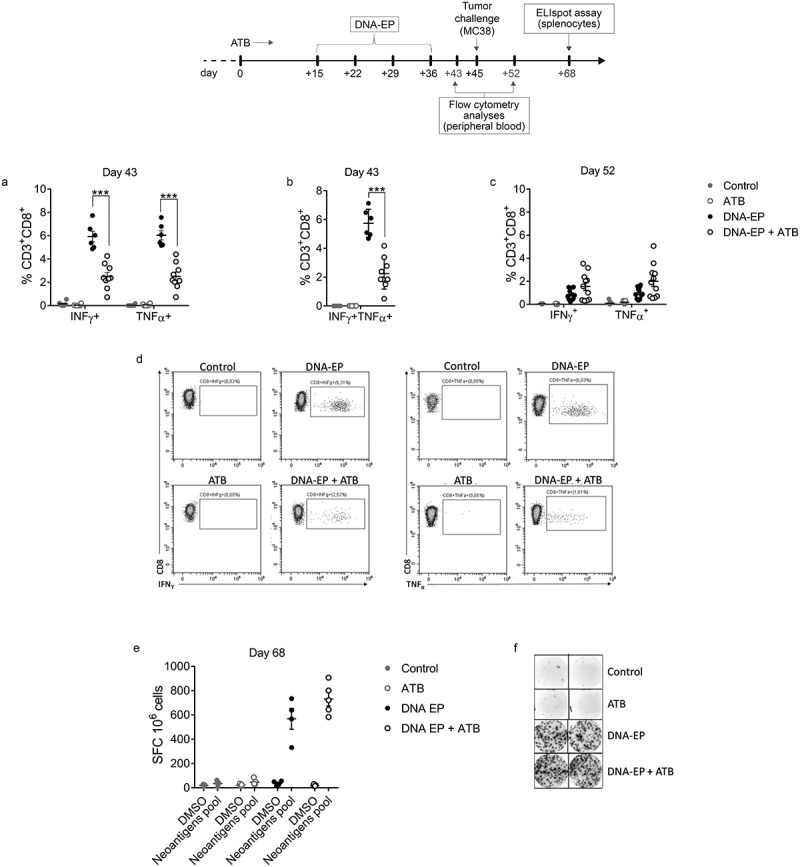
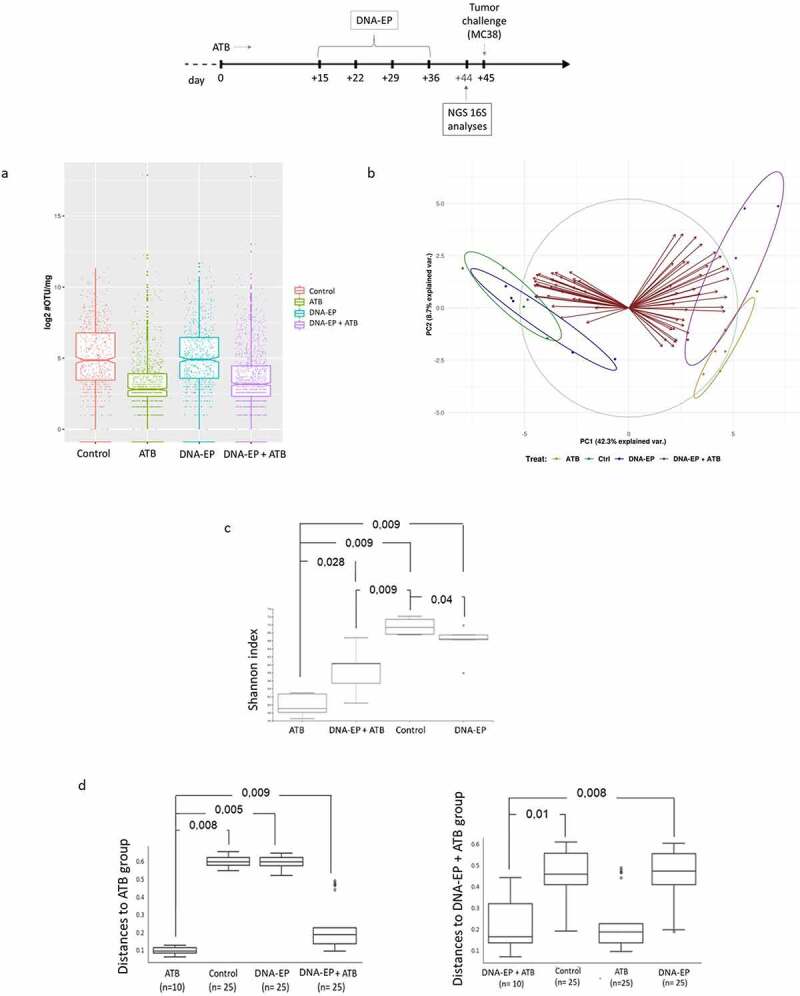
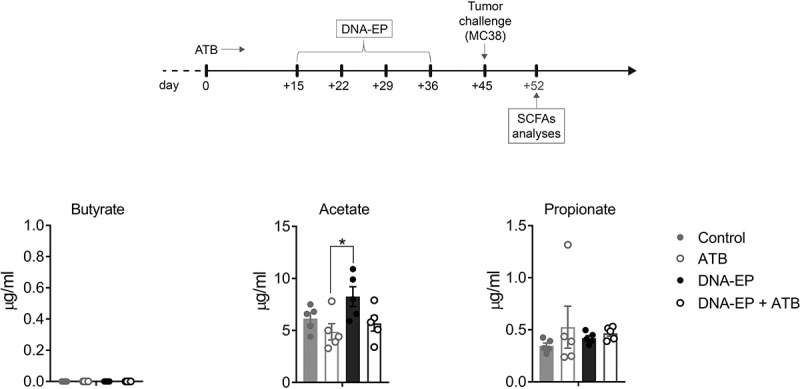
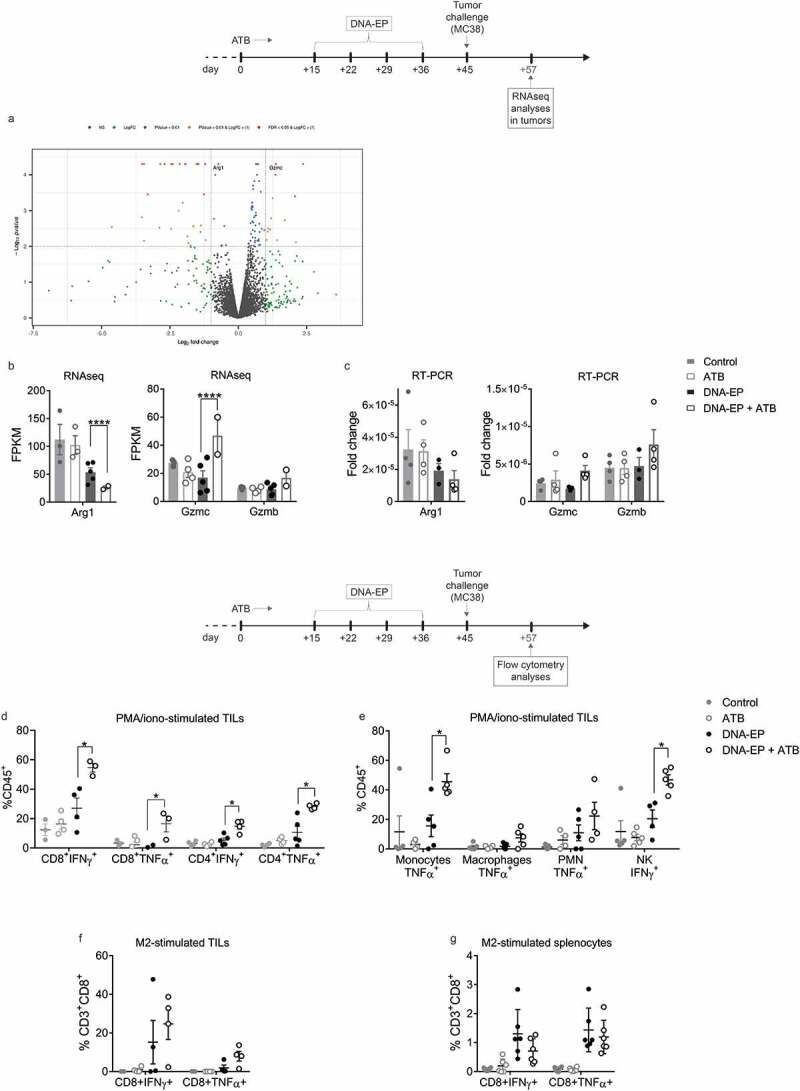
Cancer is a heterogeneous disease and its treatment remains unsatisfactory with inconstant therapeutic responses. This variability could be related, at least in part, to different and highly personalized gut microbiota compositions. Different studies have shown an impact of microbiota on antitumor therapy. It has been demonstrated that some gut bacteria influences the development and differentiation of immune cells, suggesting that different microbiota compositions could affect the efficacy of the antitumor vaccine. Emerging data suggest that recognition of neoantigens for the generation of neoantigen cancer vaccines (NCVs) could have a key role in the activity of clinical immunotherapies. However, it is still unknown whether there is a crosstalk between microbiota and NCV. This study aimed to understand the possible mechanisms of interaction between gut microbiota and NCV delivered by DNA-electroporation (DNA-EP). We found that decreased microbiota diversity induced by prolonged antibiotic (ATB) treatment is associated with higher intratumor specific immune responses and consequently to a better antitumor effect induced by NCV delivered by DNA-EP.
癌症是一种异质性疾病,其治疗效果仍不尽如人意,治疗反应不一。这种可变性至少部分与不同的、高度个体化的肠道微生物群组成有关。不同的研究表明,微生物群对抗肿瘤治疗有影响。已经证明,一些肠道细菌会影响免疫细胞的发育和分化,这表明不同的微生物群组成可能会影响抗肿瘤疫苗的疗效。新出现的数据表明,新抗原癌症疫苗(NCV)的新抗原识别对于临床免疫疗法的活性可能起着关键作用。然而,目前尚不清楚微生物群和 NCV 之间是否存在相互作用。本研究旨在了解肠道微生物群和通过电穿孔 DNA(DNA-EP)递送的 NCV 之间相互作用的可能机制。我们发现,长期抗生素(ATB)治疗引起的微生物多样性减少与肿瘤内特异性免疫反应增强相关,进而与通过 DNA-EP 递送的 NCV 诱导的更好的抗肿瘤效果相关。