Department of General Surgery, Qilu Hospital of Shandong University, Jinan City, Shandong Province, People's Republic of China.
Women's and Children's Hospital Affiliated to Qingdao University, Qingdao, 266001, People's Republic of China.
Int J Nanomedicine. 2022 May 30;17:2459-2474. doi: 10.2147/IJN.S363777. eCollection 2022.
Non-healing skin wounds are a common complication in diabetic patients. Vector biomaterials embedded with mesenchymal stem cells (MSCs) are considered a promising treatment approach. In this study, we presented a novel and effective approach to accelerate diabetic skin wound healing.
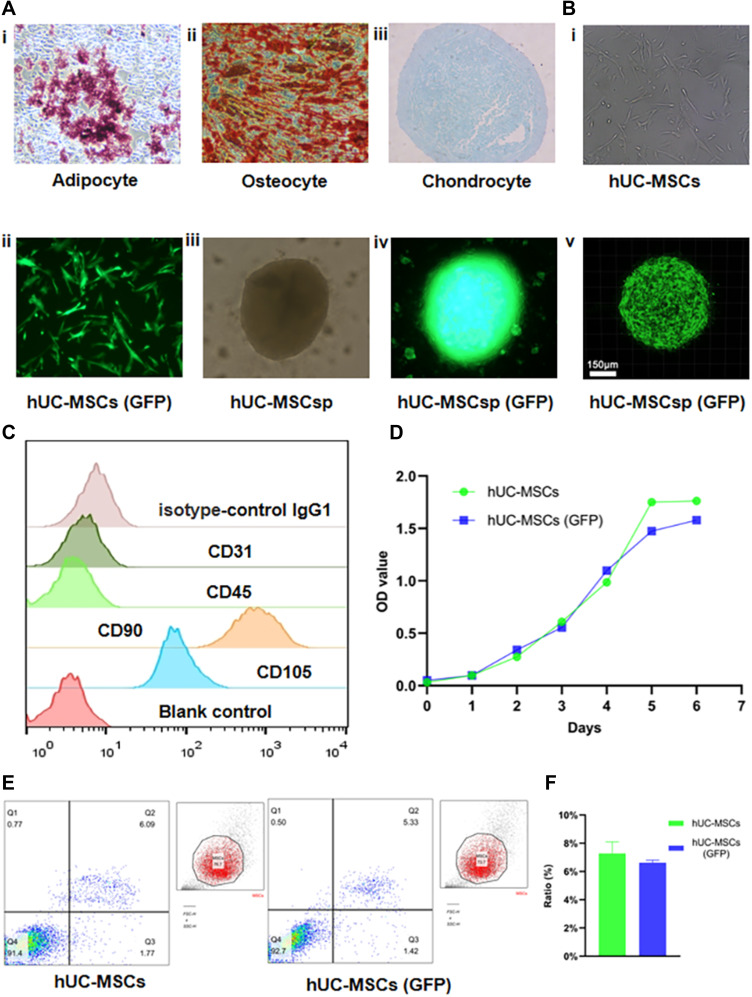
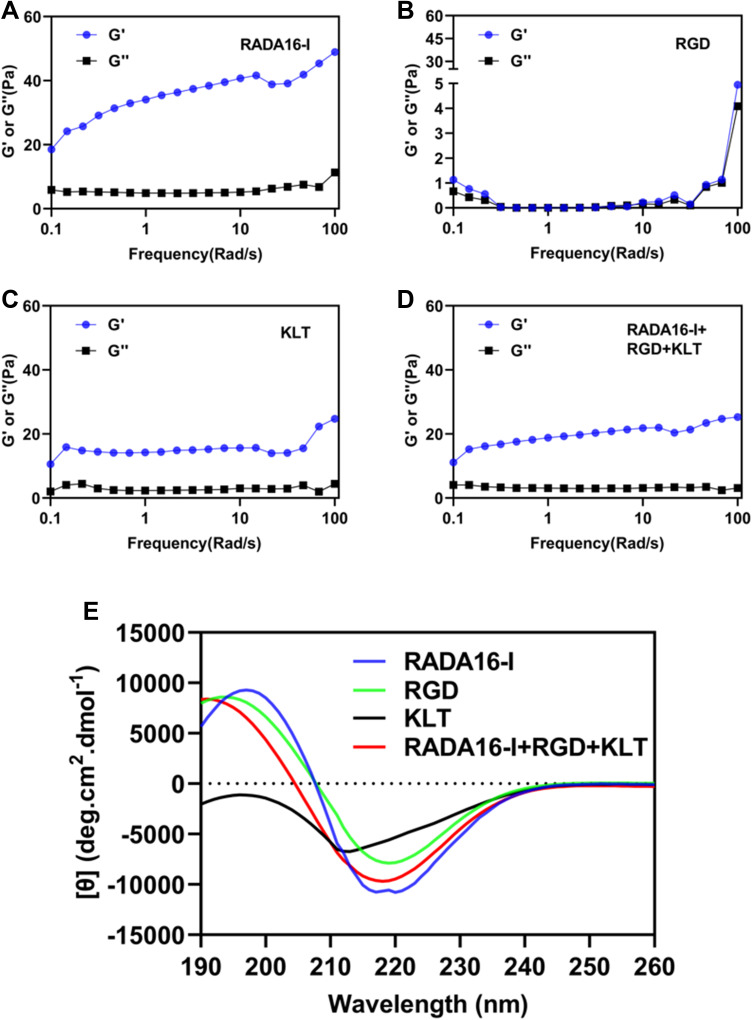
Human umbilical cord mesenchymal stem cells (hUC-MSCs) were shaped into spheres. RADA16-I, KLT, and RGD nanopeptides were selected for self-assembly into hydrogels. hUC-MSCs spheroids (hUC-MSCsp) were combined in vitro with self-assembled nanopeptide hydrogels and subsequently transplanted into a mouse model of diabetic skin trauma.
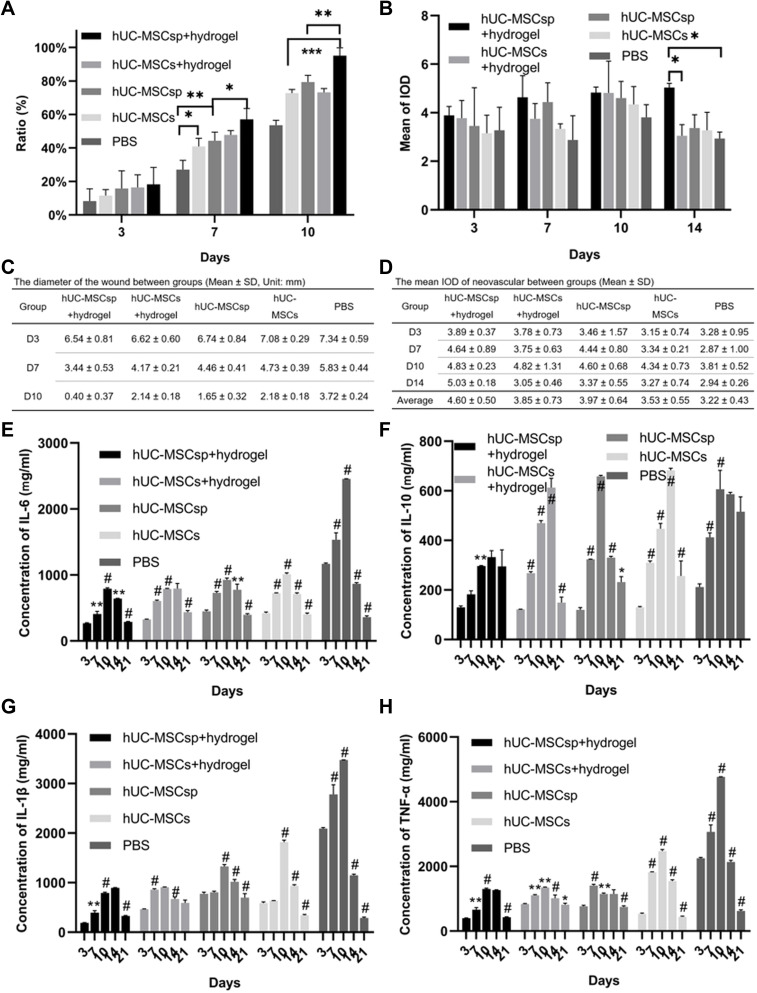
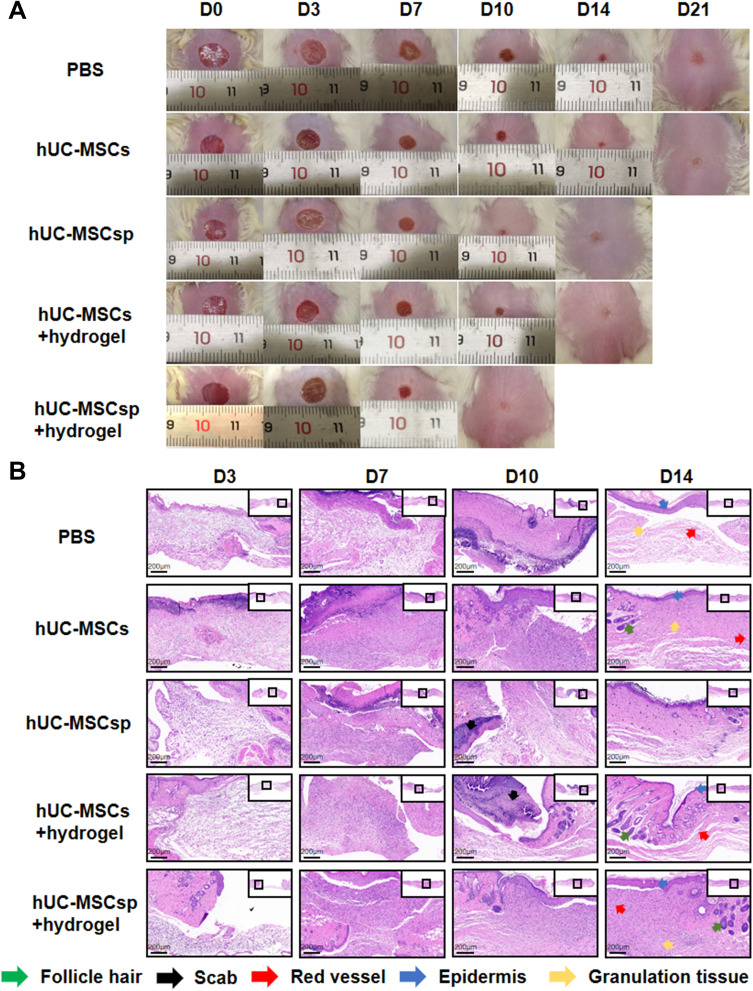
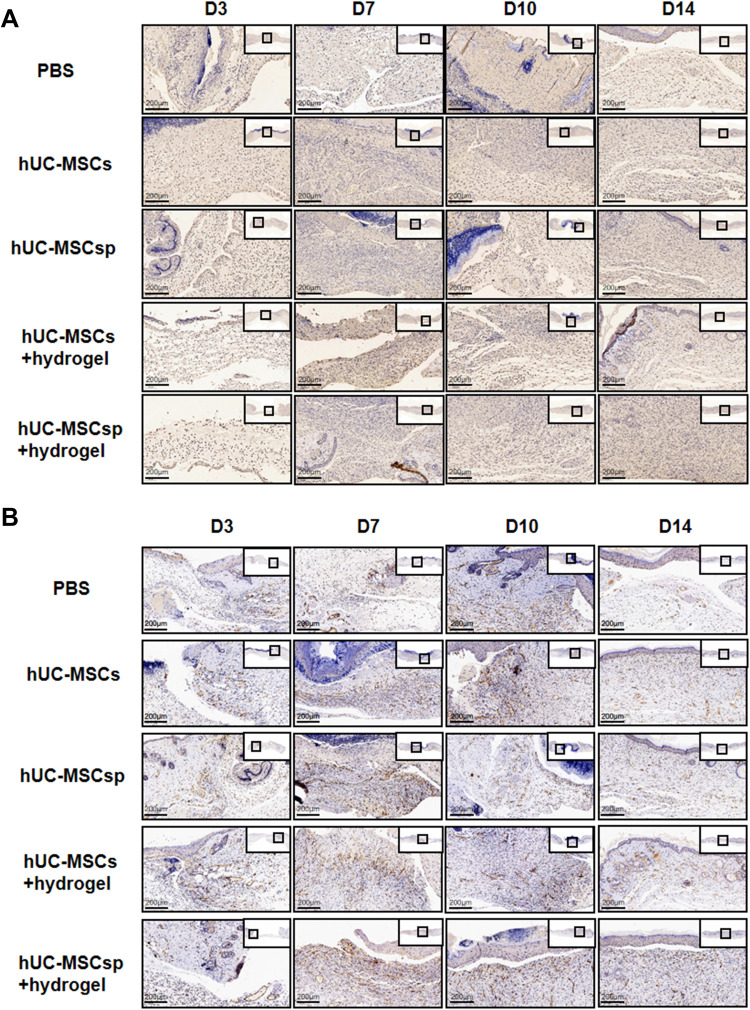
Compared with the PBS, hUC-MSCs, hUC-MSCsp, and hUC-MSCs with hydrogel groups, hUC-MSCsp with hydrogel significantly accelerated wound healing (p<0.01) and shortened the healing time (10 vs 14 vs 21 days). The expressions of IL-6, IL-10, IL-1β, and TNF-α were significantly decreased (p<0.001). The expression of VEGF was significantly higher in the hUC-MSCsp with hydrogel group (p<0.05), and the density of neovascularization in the fresh skin tissue at the wound was also remarkably increased (p<0.01).
Nanopeptide hydrogels loaded with hUC-MSCsp accelerated diabetic skin wound healing by inhibiting inflammation and promoting angiogenesis compared with conventional stem cell transplantation, which deserves further investigation.
非愈合性皮肤伤口是糖尿病患者的常见并发症。嵌入间充质干细胞(MSCs)的载体生物材料被认为是一种有前途的治疗方法。在这项研究中,我们提出了一种加速糖尿病皮肤伤口愈合的新方法。
人脐带间充质干细胞(hUC-MSCs)被制成球体。选择 RADA16-I、KLT 和 RGD 纳米肽自组装成水凝胶。体外将 hUC-MSCs 球体(hUC-MSCsp)与自组装纳米肽水凝胶结合,然后移植到糖尿病皮肤创伤的小鼠模型中。
与 PBS、hUC-MSCs、hUC-MSCsp 和 hUC-MSCs 加凝胶组相比,hUC-MSCsp 加凝胶组显著加速了伤口愈合(p<0.01)并缩短了愈合时间(10 天 vs 14 天 vs 21 天)。IL-6、IL-10、IL-1β 和 TNF-α 的表达显著降低(p<0.001)。hUC-MSCsp 加凝胶组 VEGF 的表达显著升高(p<0.05),伤口处新鲜皮肤组织中的新生血管密度也显著增加(p<0.01)。
与传统的干细胞移植相比,负载 hUC-MSCsp 的纳米肽水凝胶通过抑制炎症和促进血管生成加速了糖尿病皮肤伤口愈合,值得进一步研究。