Department of Medical Entomology and Vector Control, Health Sciences Research Center, Faculty of Health, Mazandaran University of Medical Sciences, Sari, Iran.
Faculty of Agriculture, Department of Plant Protection, Van Yuzuncu Yil University, 65080, Van, Turkey.
Malar J. 2022 Jun 8;21(1):178. doi: 10.1186/s12936-022-04201-x.
Water pollution due to uncontrolled release of chemical pollutants is an important global problem. Its effect on medically important insects, especially mosquitoes, is a critical issue in the epidemiology of mosquito-borne diseases.
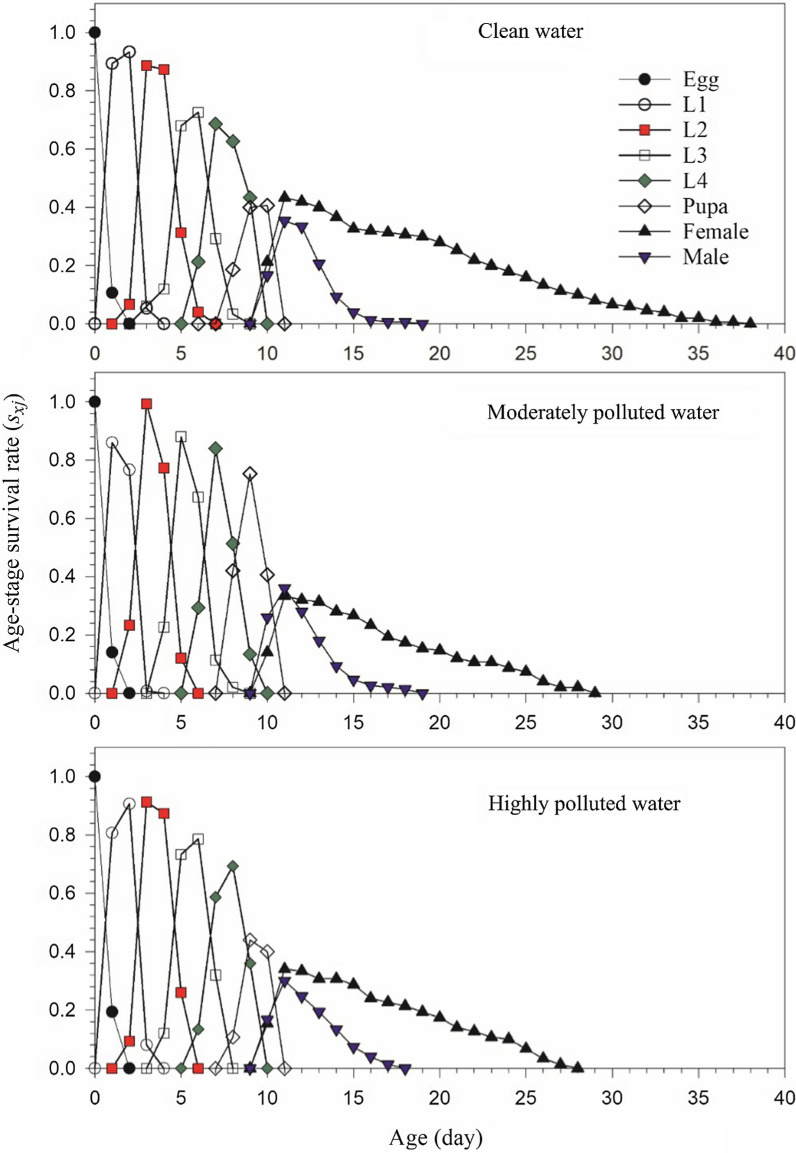
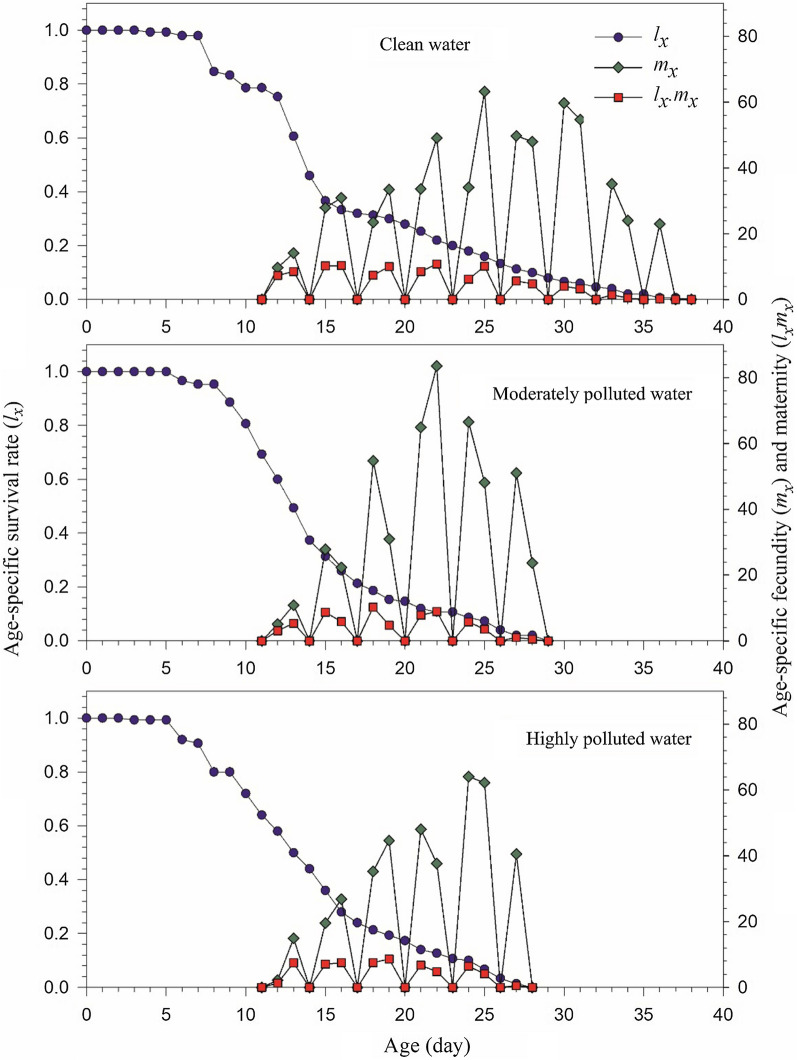
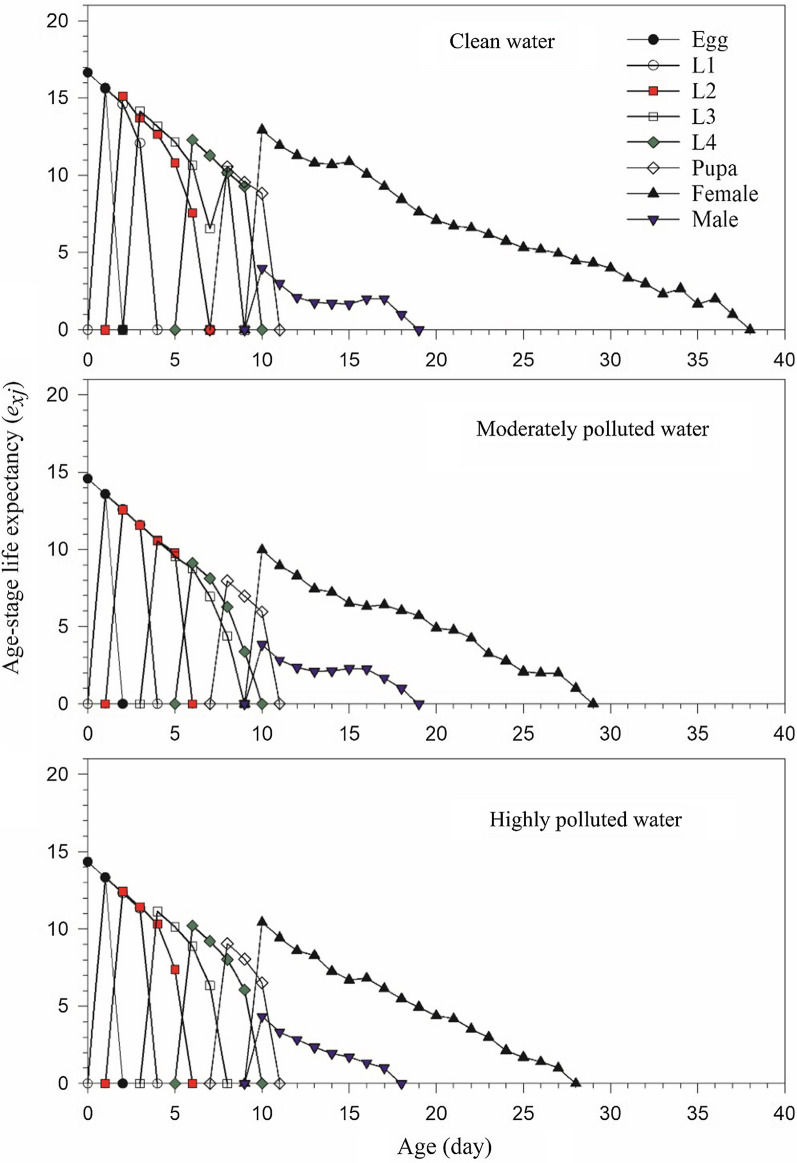
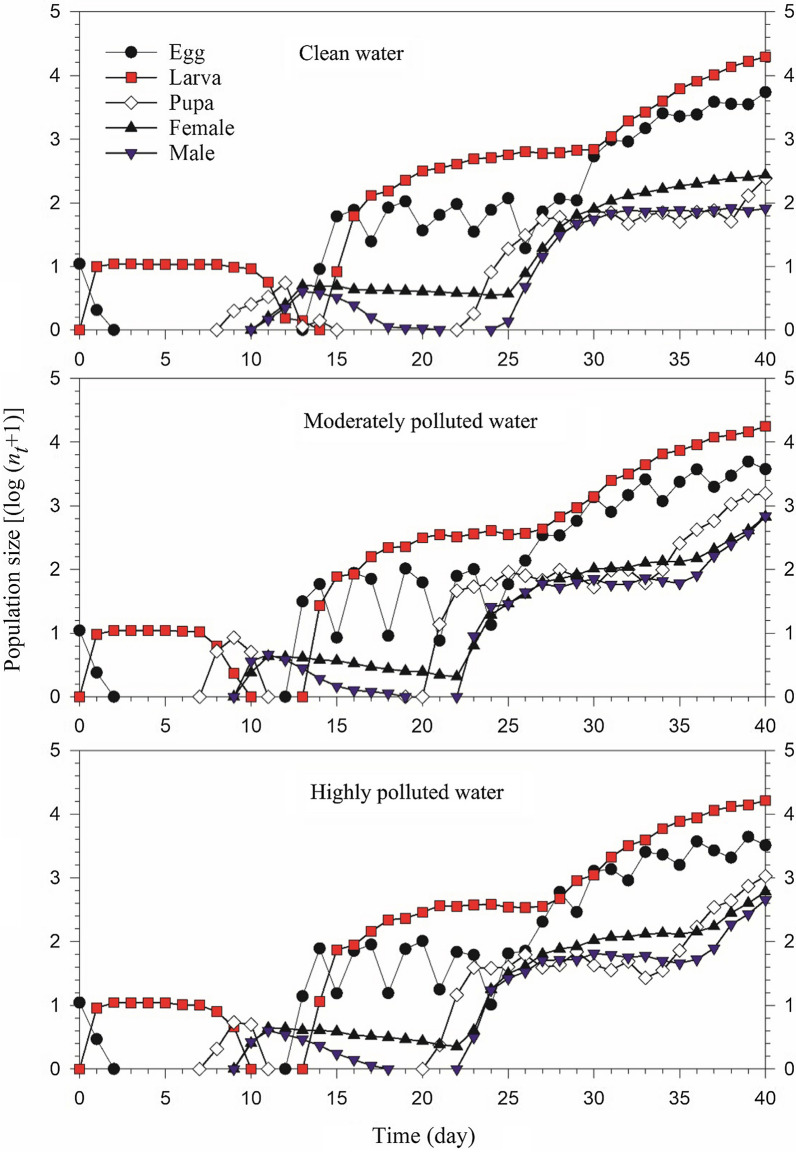
In order to understand the effect of water pollutants on the demography of Anopheles stephensi, colonies were reared in clean, moderately and highly polluted water for three consecutive generations at 27 °C, 75% RH, and a photoperiod of 12:12 h (L:D). The demographic data of the 4th generation of An. stephensi were collected and analysed using the age-stage, two-sex life table.
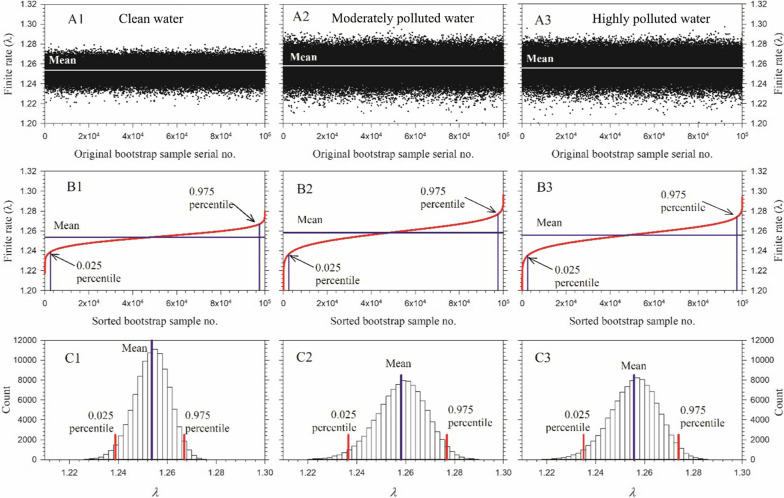
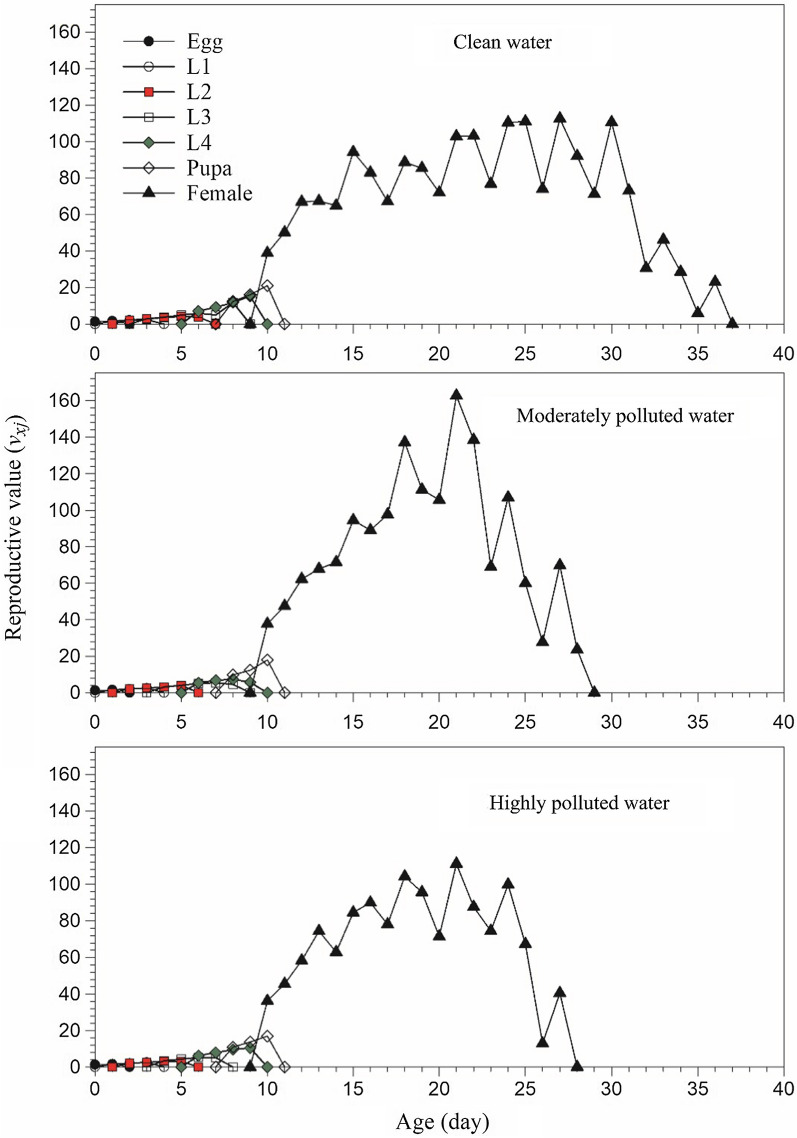
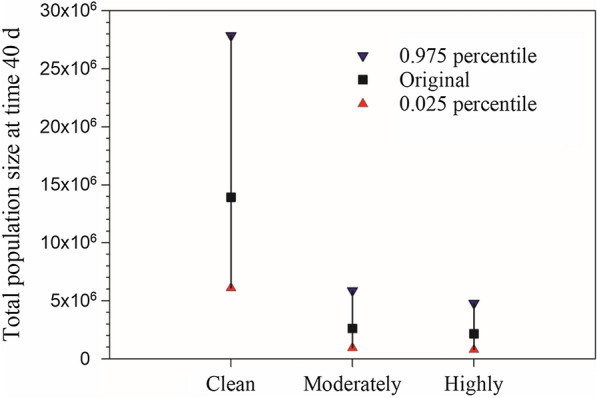
The intrinsic rate of increase (r), finite rate of increase (λ), mean fecundity (F) and net reproductive rate (R) of An. stephensi in clean water were 0.2568 d, 1.2927 d, 251.72 eggs, and 109.08 offspring, respectively. These values were significantly higher than those obtained in moderately polluted water (r = 0.2302 d, λ = 1.2589 d, 196.04 eggs, and R = 65.35 offspring) and highly polluted water (r = 0.2282 d, λ = 1.2564 d, 182.45 eggs, and R = 62.03 offspring). Female adult longevity in moderately polluted (9.38 days) and highly polluted water (9.88 days) were significantly shorter than those reared in clean water (12.43 days), while no significant difference in the male adult longevity was observed among treatments.
The results of this study showed that An. stephensi can partially adapt to water pollution and this may be sufficient to extend the range of mosquito-borne diseases.
由于化学污染物的不受控制释放导致的水污染是一个重要的全球性问题。其对医学上重要的昆虫,尤其是蚊子的影响,是蚊媒疾病流行病学中的一个关键问题。
为了了解水污染物对致倦库蚊种群动态的影响,在 27°C、75%相对湿度和 12:12 L:D 的光周期下,连续三代将种群饲养在清洁、中度和高度污染的水中。收集和分析第 4 代致倦库蚊的人口统计数据,使用龄期-两性生命表。
清洁水中的致倦库蚊内禀增长率(r)、有限增长率(λ)、平均繁殖力(F)和净生殖率(R)分别为 0.2568 d、1.2927 d、251.72 只卵和 109.08 只后代。这些值显著高于中度污染水(r=0.2302 d、λ=1.2589 d、196.04 只卵和 R=65.35 只后代)和高度污染水(r=0.2282 d、λ=1.2564 d、182.45 只卵和 R=62.03 只后代)中的值。中度污染水中的雌性成虫寿命(9.38 天)和高度污染水中的雌性成虫寿命(9.88 天)显著短于清洁水中的寿命(12.43 天),而处理之间的雄性成虫寿命没有显著差异。
本研究结果表明,致倦库蚊可以部分适应水污染,这可能足以扩大蚊媒疾病的范围。