Computational Biology Lab, Centro Científico y Tecnológico de Excelencia Ciencia & Vida, Fundación Ciencia & Vida, Santiago 7780272, Chile.
Facultad de Ingeniería y Tecnología, Universidad San Sebastian, Bellavista 7, Santiago 8420524, Chile.
Int J Mol Sci. 2022 May 31;23(11):6158. doi: 10.3390/ijms23116158.
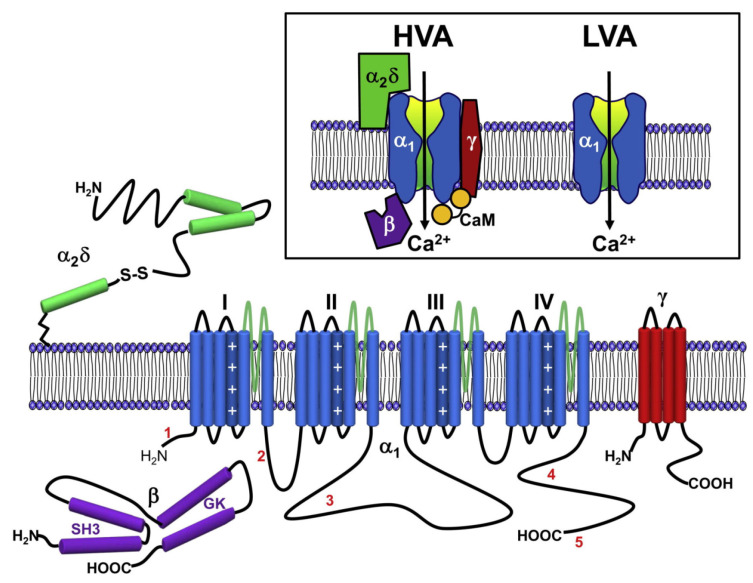
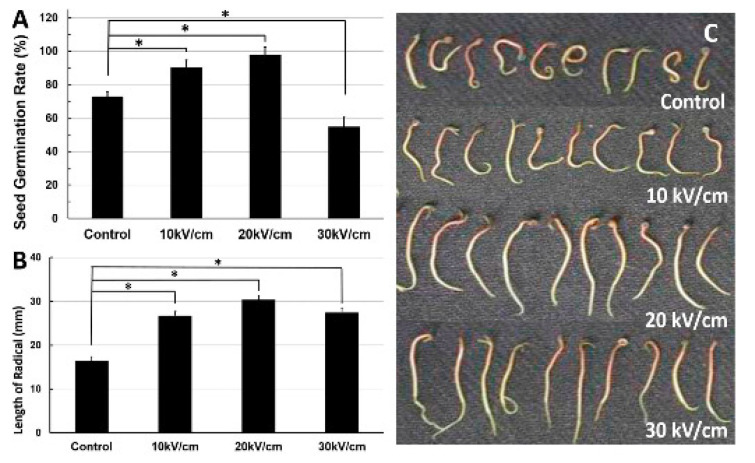
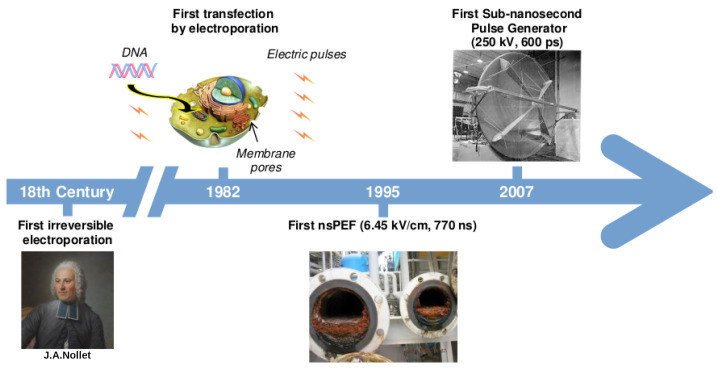
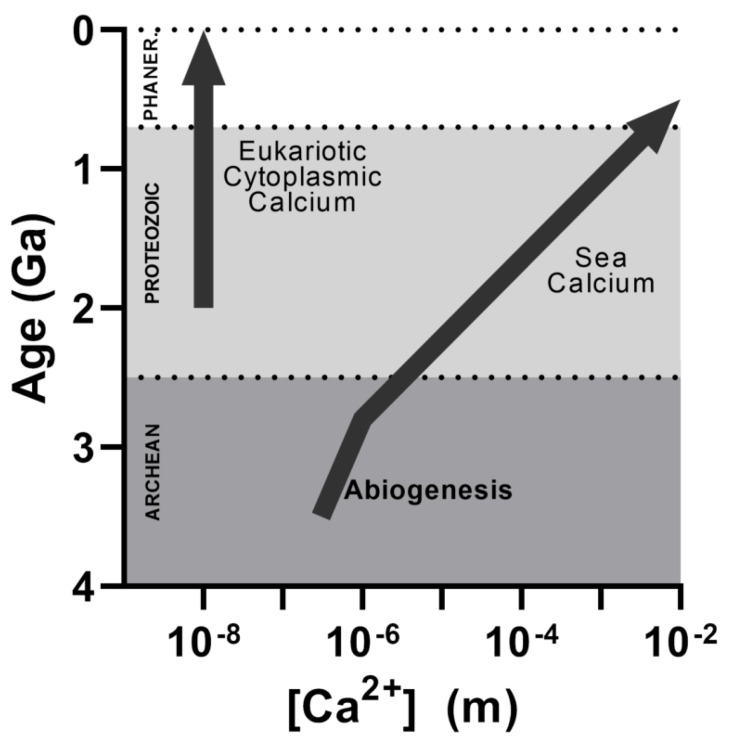
Nanosecond Pulsed Electric Field (nsPEF) is an electrostimulation technique first developed in 1995; nsPEF requires the delivery of a series of pulses of high electric fields in the order of nanoseconds into biological tissues or cells. They primary effects in cells is the formation of membrane nanopores and the activation of ionic channels, leading to an incremental increase in cytoplasmic Ca2+ concentration, which triggers a signaling cascade producing a variety of effects: from apoptosis up to cell differentiation and proliferation. Further, nsPEF may affect organelles, making nsPEF a unique tool to manipulate and study cells. This technique is exploited in a broad spectrum of applications, such as: sterilization in the food industry, seed germination, anti-parasitic effects, wound healing, increased immune response, activation of neurons and myocites, cell proliferation, cellular phenotype manipulation, modulation of gene expression, and as a novel cancer treatment. This review thoroughly explores both nsPEF's history and applications, with emphasis on the cellular effects from a biophysics perspective, highlighting the role of ionic channels as a mechanistic driver of the increase in cytoplasmic Ca2+ concentration.
纳秒脉冲电场(nsPEF)是一种电刺激技术,于 1995 年首次开发;nsPEF 需要将一系列纳秒级的高电场脉冲递送到生物组织或细胞中。它们在细胞中的主要作用是形成细胞膜纳米孔和激活离子通道,导致细胞质 Ca2+浓度逐渐增加,从而触发信号级联反应,产生各种效应:从细胞凋亡到细胞分化和增殖。此外,nsPEF 可能会影响细胞器,使其成为操纵和研究细胞的独特工具。该技术广泛应用于多种领域,例如:食品工业中的杀菌、种子发芽、抗寄生虫作用、伤口愈合、增强免疫反应、神经元和肌细胞激活、细胞增殖、细胞表型操纵、基因表达调控以及作为一种新型癌症治疗方法。本文从生物物理学的角度全面探讨了 nsPEF 的历史和应用,强调了离子通道作为细胞质 Ca2+浓度增加的机械驱动因素的作用。