NeuroHub Analytics, LLC, Chicago, IL 60605, USA.
Q Regulating Systems, LLC, Gurnee, IL 60031, USA.
Int J Mol Sci. 2022 Jun 2;23(11):6223. doi: 10.3390/ijms23116223.
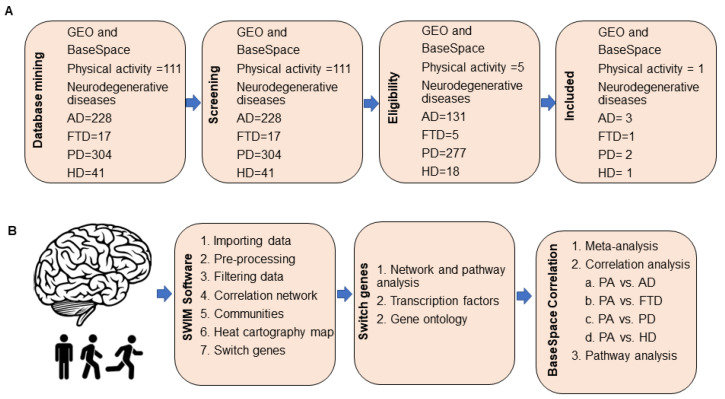
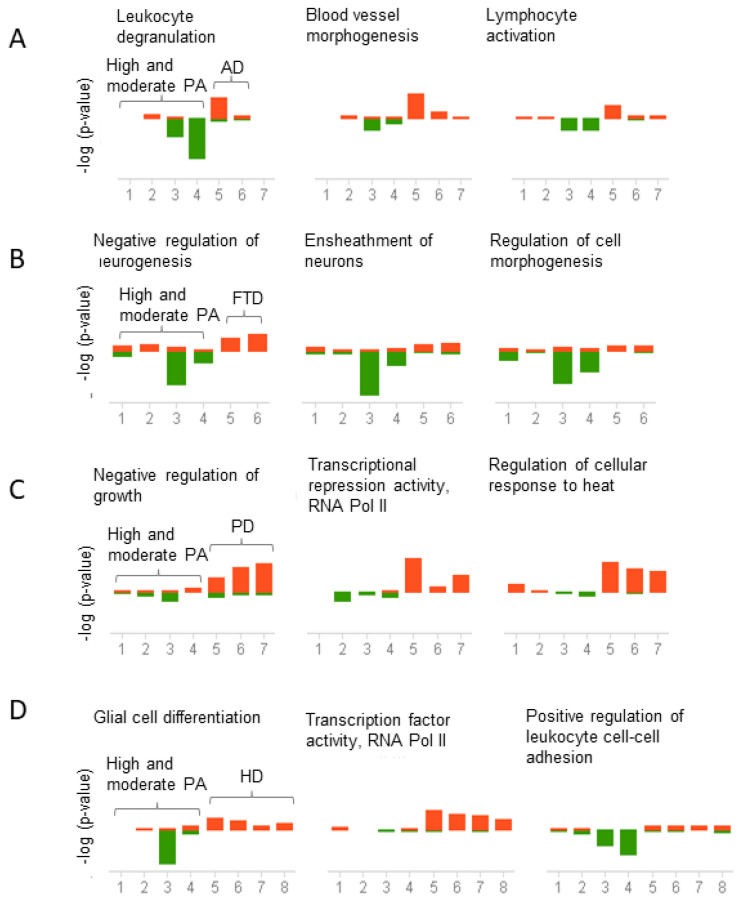
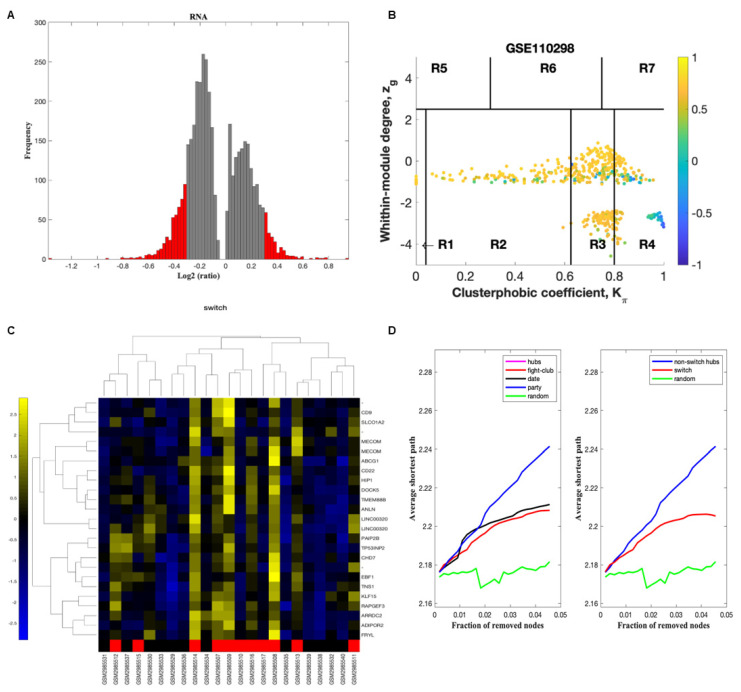
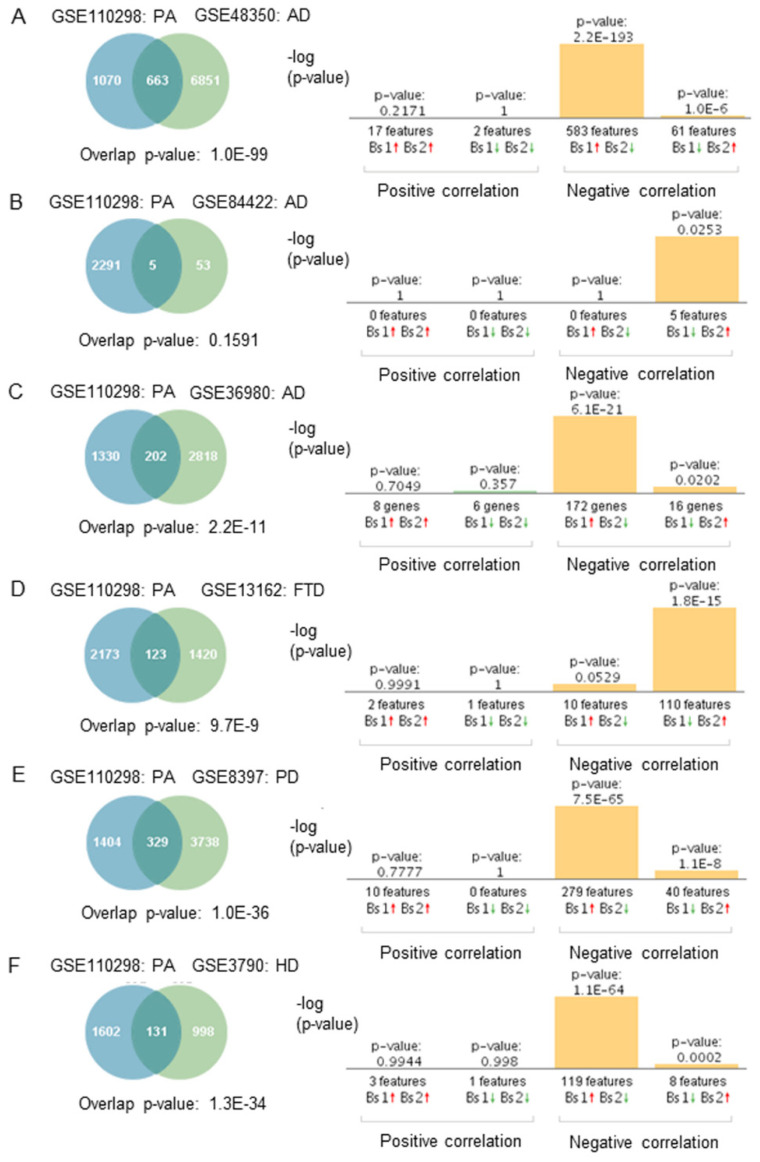
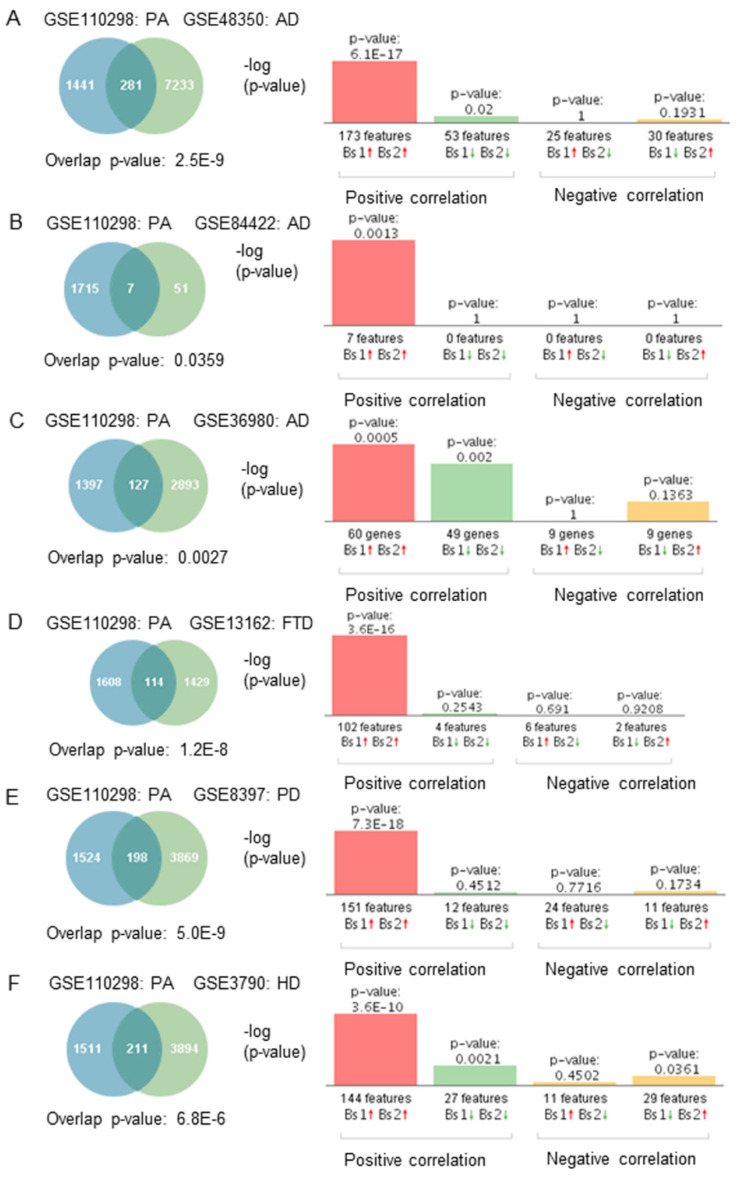
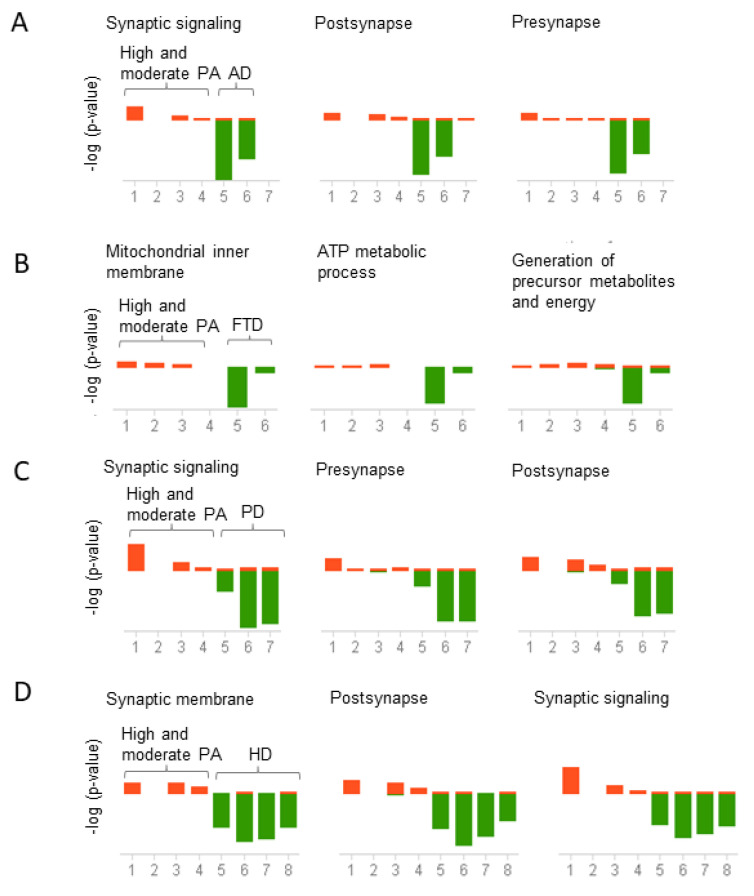
Physical activity may offset cognitive decline and dementia, but the molecular mechanisms by which it promotes neuroprotection remain elusive. In the absence of disease-modifying therapies, understanding the molecular effects of physical activity in the brain may be useful for identifying novel targets for disease management. Here we employed several bioinformatic methods to dissect the molecular underpinnings of physical activity in brain health. Network analysis identified 'switch genes' associated with drastic hippocampal transcriptional changes in aged cognitively intact individuals. Switch genes are key genes associated with dramatic transcriptional changes and thus may play a fundamental role in disease pathogenesis. Switch genes are associated with protein processing pathways and the metabolic control of glucose, lipids, and fatty acids. Correlation analysis showed that transcriptional patterns associated with physical activity significantly overlapped and negatively correlated with those of neurodegenerative diseases. Functional analysis revealed that physical activity might confer neuroprotection in Alzheimer's (AD), Parkinson's (PD), and Huntington's (HD) diseases via the upregulation of synaptic signaling pathways. In contrast, in frontotemporal dementia (FTD) its effects are mediated by restoring mitochondrial function and energy precursors. Additionally, physical activity is associated with the downregulation of genes involved in inflammation in AD, neurogenesis in FTD, regulation of growth and transcriptional repression in PD, and glial cell differentiation in HD. Collectively, these findings suggest that physical activity directs transcriptional changes in the brain through different pathways across the broad spectrum of neurodegenerative diseases. These results provide new evidence on the unique and shared mechanisms between physical activity and neurodegenerative diseases.
体育活动可能会抵消认知能力下降和痴呆,但促进神经保护的分子机制仍难以捉摸。在缺乏疾病修饰疗法的情况下,了解体育活动对大脑的分子影响可能有助于确定疾病管理的新靶点。在这里,我们采用了几种生物信息学方法来剖析体育活动对大脑健康的分子基础。网络分析确定了与年龄较大但认知正常个体海马体转录发生剧烈变化相关的“开关基因”。开关基因是与剧烈转录变化相关的关键基因,因此可能在疾病发病机制中发挥着基本作用。开关基因与蛋白质加工途径以及葡萄糖、脂质和脂肪酸的代谢控制有关。相关性分析表明,与体育活动相关的转录模式与神经退行性疾病显著重叠且呈负相关。功能分析表明,体育活动可能通过上调突触信号通路来为阿尔茨海默病 (AD)、帕金森病 (PD) 和亨廷顿病 (HD) 提供神经保护作用。相比之下,在额颞叶痴呆 (FTD) 中,其作用是通过恢复线粒体功能和能量前体来介导的。此外,体育活动与 AD 中炎症相关基因、FTD 中神经发生、PD 中生长和转录抑制的调节以及 HD 中神经胶质细胞分化的下调有关。总的来说,这些发现表明,体育活动通过神经退行性疾病广泛谱中的不同途径指导大脑中的转录变化。这些结果为体育活动和神经退行性疾病之间的独特和共同机制提供了新的证据。