Lung Cancer and Respiratory Diseases Unit, Center for Biomedical Research of La Rioja (CIBIR), Fundación Rioja Salud, Logroño, Spain.
Telomeres and Telomerase Group, Molecular Oncology Program, Spanish National Cancer Centre (CNIO), Madrid, Spain.
Oncogene. 2022 Jul;41(28):3625-3639. doi: 10.1038/s41388-022-02376-w. Epub 2022 Jun 10.
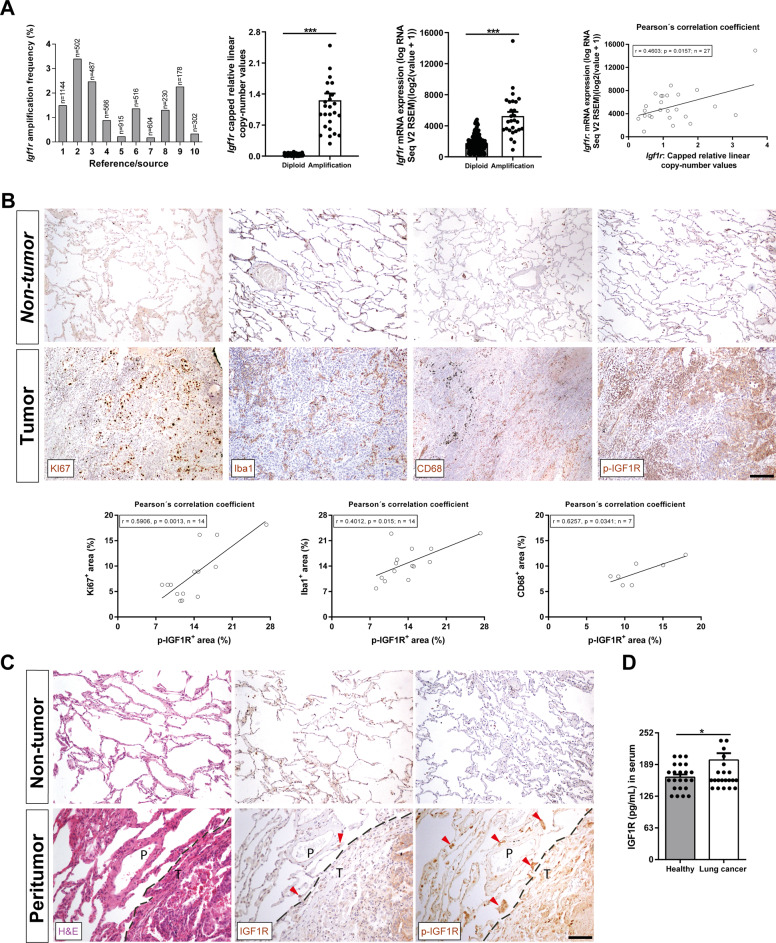
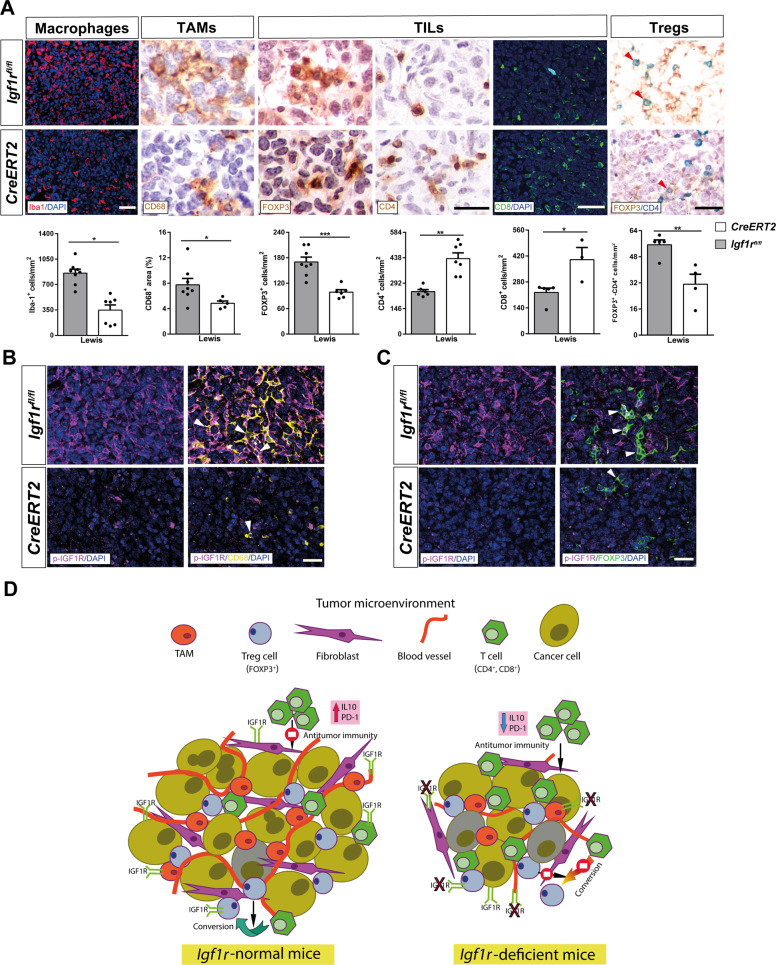
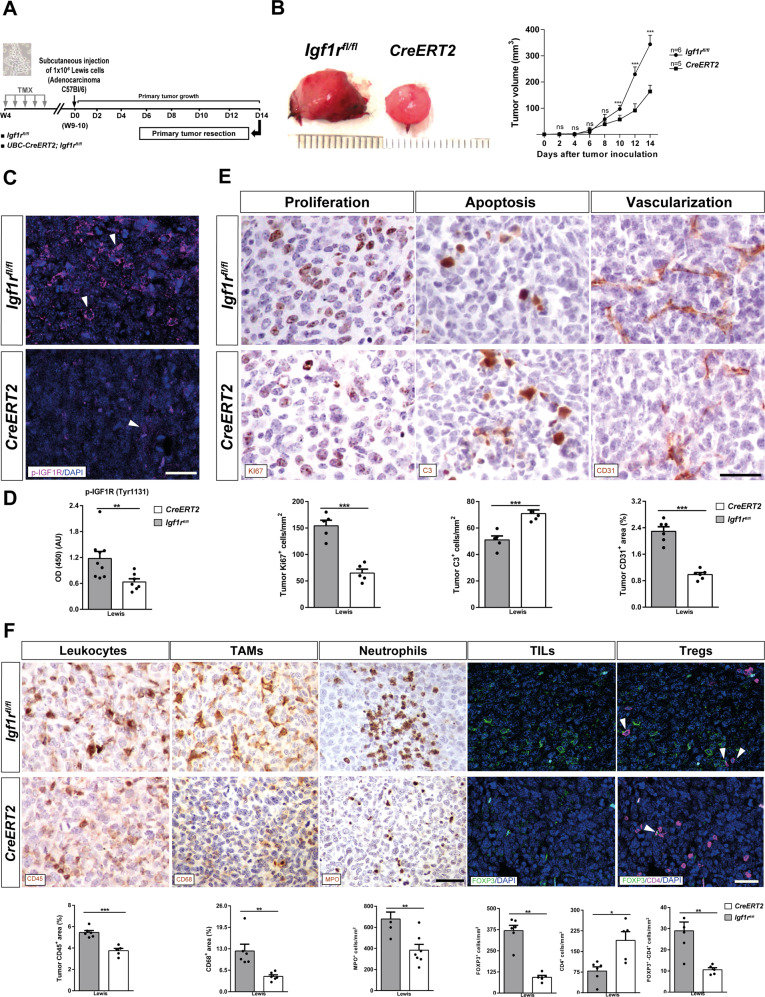
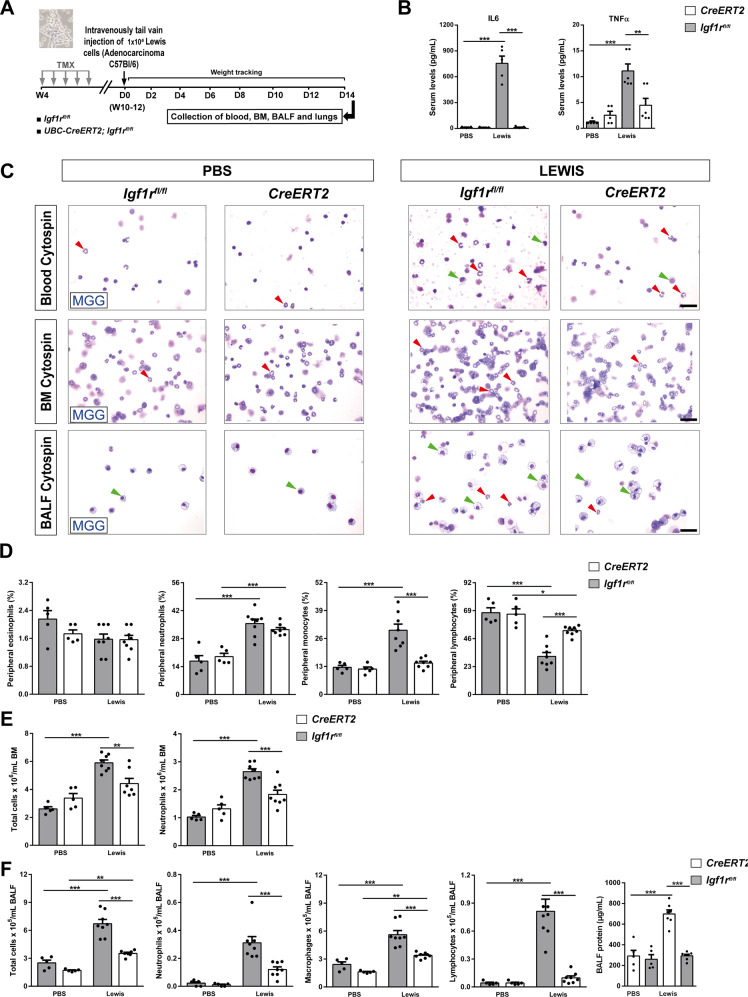
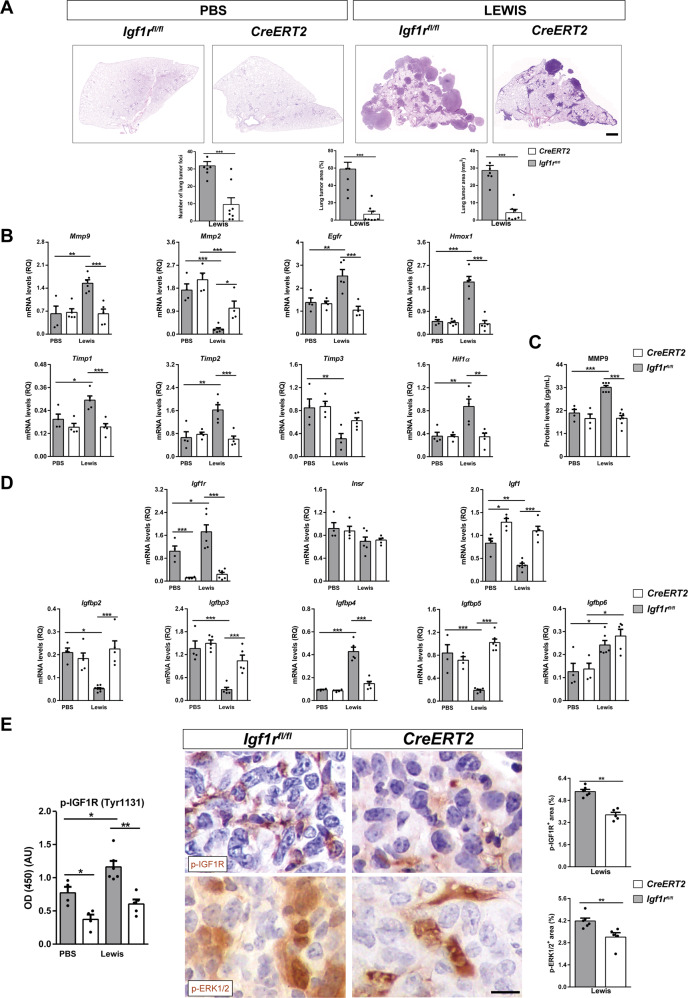
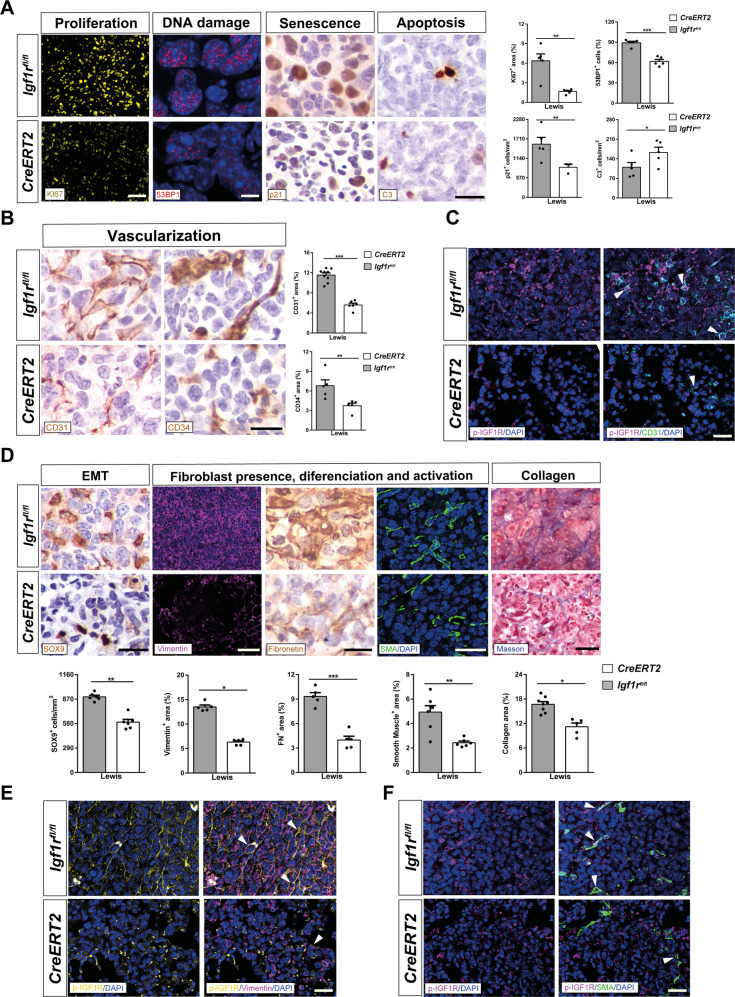
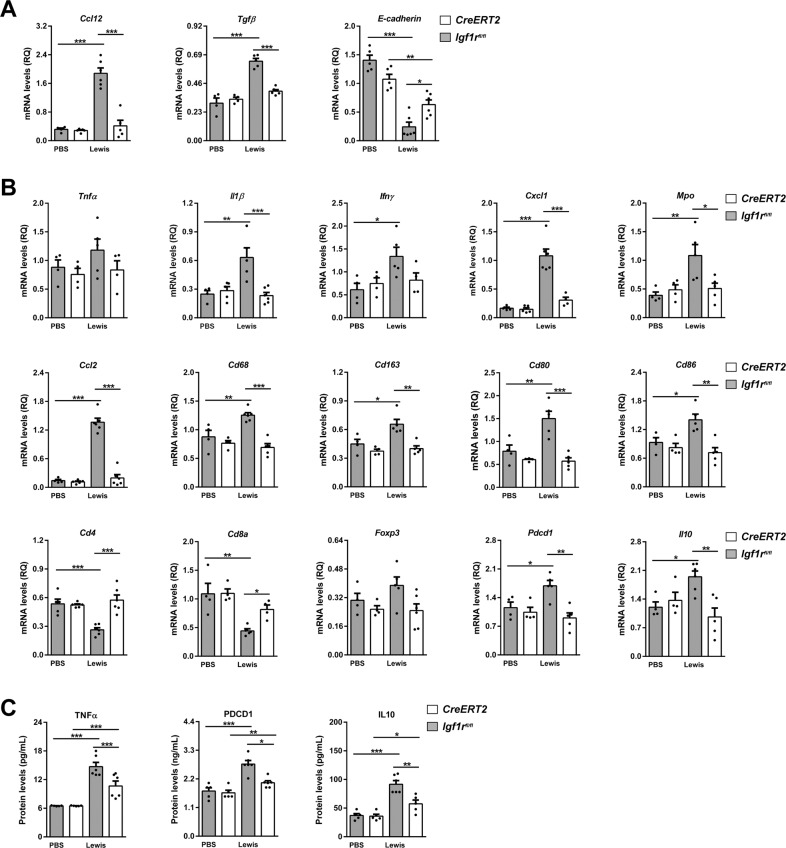
Given the long-term ineffectiveness of current therapies and late-stage diagnoses, lung cancer is a leading cause of malignant diseases. Tumor progression is influenced by cancer cell interactions with the tumor microenvironment (TME). Insulin-like growth factor 1 receptor (IGF1R) was reported to affect the TME; however, the role of IGF1R in lung TME has not been investigated. First, we assessed IGF1R genomic alterations and expression in NSCLC patient tissue samples, as well as IGF1R serum levels. Next, we performed tumor heterotopic transplantation and pulmonary metastases in IGF1R-deficient mice using melanoma and Lewis lung carcinoma (LLC) cells. Herein we report increased amplification and mRNA expression, as well as increased protein expression (IGF1R/p-IGF1R) and IGF1R levels in tumor samples and serum from NSCLC patients, respectively. Moreover, IGF1R deficiency in mice reduced tumor growth, proliferation, inflammation and vascularization, and increased apoptosis after tumor heterotopic transplantation. Following induction of lung metastasis, IGF1R-deficient lungs also demonstrated a reduced tumor burden, and decreased expression of tumor progression markers, p-IGF1R and p-ERK1/2. Additionally, IGF1R-deficient lungs showed increased apoptosis and diminished proliferation, vascularization, EMT and fibrosis, along with attenuated inflammation and immunosuppression. Accordingly, IGF1R deficiency decreased expression of p-IGF1R in blood vessels, fibroblasts, tumor-associated macrophages and FOXP3 tumor-infiltrating lymphocytes. Our results demonstrate that IGF1R promotes metastatic tumor initiation and progression in lung TME. Furthermore, our research indicates that IGF1R could be a potential biomarker for early prediction of drug response and clinical evolution in NSCLC patients.
鉴于目前疗法的长期无效性和晚期诊断,肺癌是恶性疾病的主要原因。肿瘤进展受癌细胞与肿瘤微环境(TME)相互作用的影响。胰岛素样生长因子 1 受体(IGF1R)被报道影响 TME;然而,IGF1R 在肺部 TME 中的作用尚未得到研究。首先,我们评估了非小细胞肺癌患者组织样本中的 IGF1R 基因组改变和表达,以及 IGF1R 血清水平。接下来,我们使用黑色素瘤和 Lewis 肺癌(LLC)细胞在 IGF1R 缺陷小鼠中进行肿瘤异位移植和肺转移。在此,我们报告了 NSCLC 患者肿瘤样本中 IGF1R 扩增和 mRNA 表达增加,以及 IGF1R 蛋白表达(IGF1R/p-IGF1R)和 IGF1R 水平增加。此外,在小鼠中 IGF1R 缺失减少了肿瘤生长、增殖、炎症和血管生成,并增加了异位移植后的细胞凋亡。在诱导肺转移后,IGF1R 缺陷的肺部也显示出肿瘤负担降低,肿瘤进展标志物 p-IGF1R 和 p-ERK1/2 的表达降低。此外,IGF1R 缺陷的肺部表现出增加的细胞凋亡和减少的增殖、血管生成、EMT 和纤维化,以及炎症和免疫抑制的减弱。因此,IGF1R 缺失降低了血管、成纤维细胞、肿瘤相关巨噬细胞和 FOXP3 肿瘤浸润淋巴细胞中 p-IGF1R 的表达。我们的结果表明,IGF1R 促进了肺部 TME 中转移性肿瘤的起始和进展。此外,我们的研究表明,IGF1R 可能是预测 NSCLC 患者药物反应和临床演变的潜在生物标志物。