Xin Shiyong, Sun Xianchao, Jin Liang, Li Weiyi, Liu Xiang, Zhou Liqing, Ye Lin
Department of Urology, Shanghai East Hospital, School of Medicine, Tongji University, Shanghai, China.
Department of Urology, Shanghai Tenth People's Hospital, School of Medicine, Tongji University, Shanghai, China.
Front Genet. 2022 May 30;13:877278. doi: 10.3389/fgene.2022.877278. eCollection 2022.
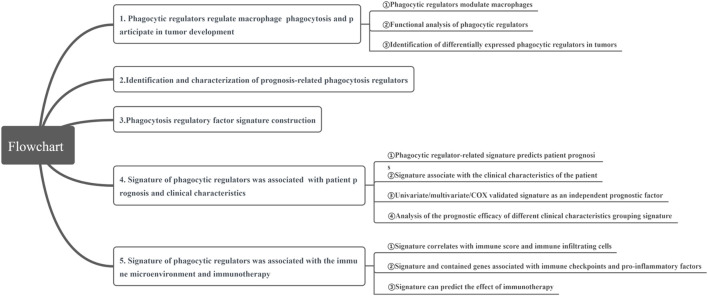
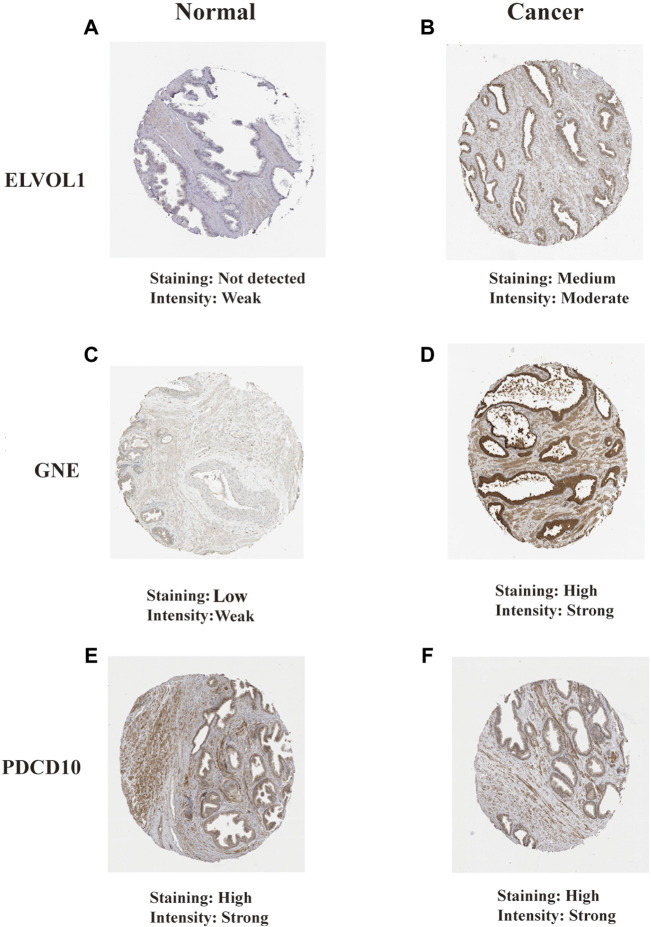
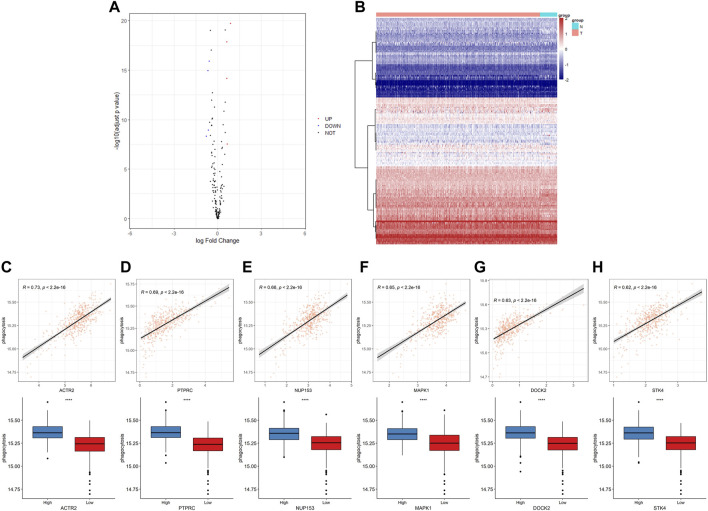
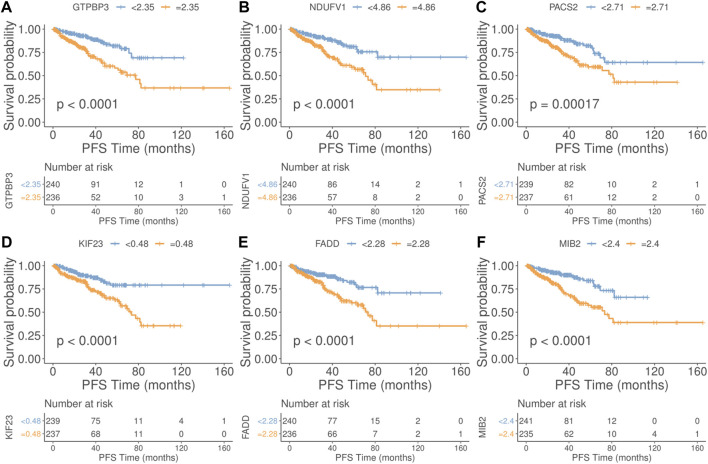
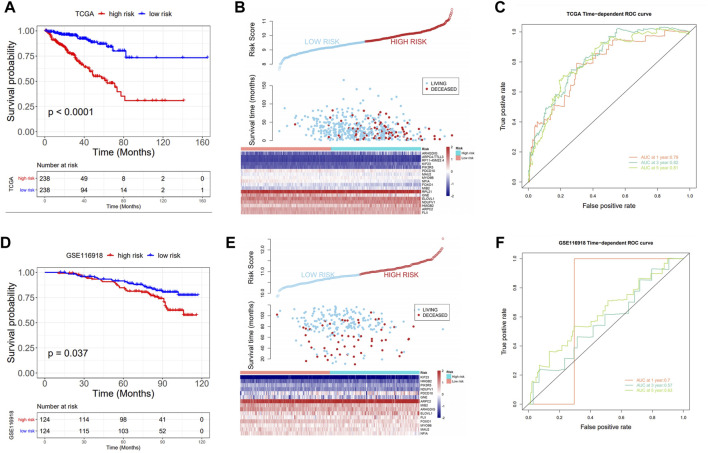
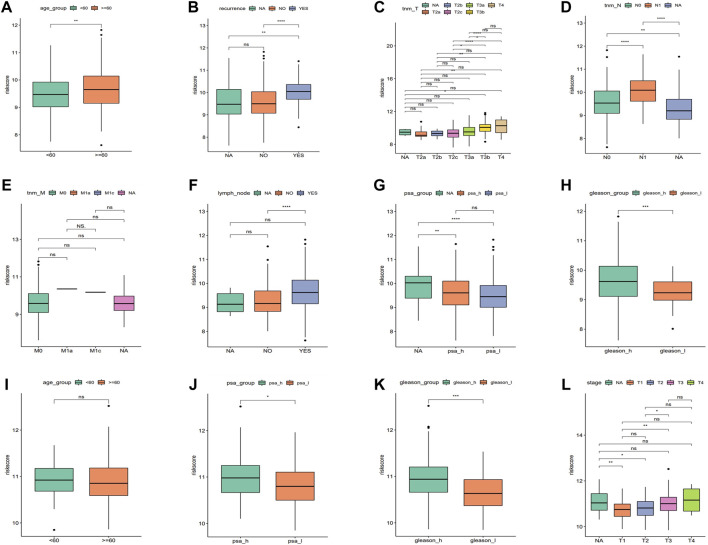
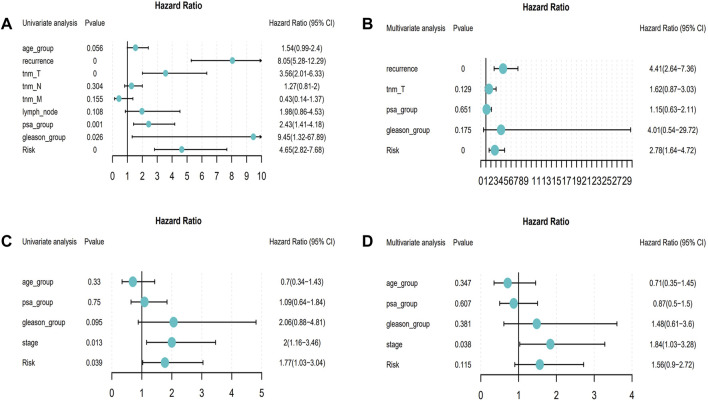
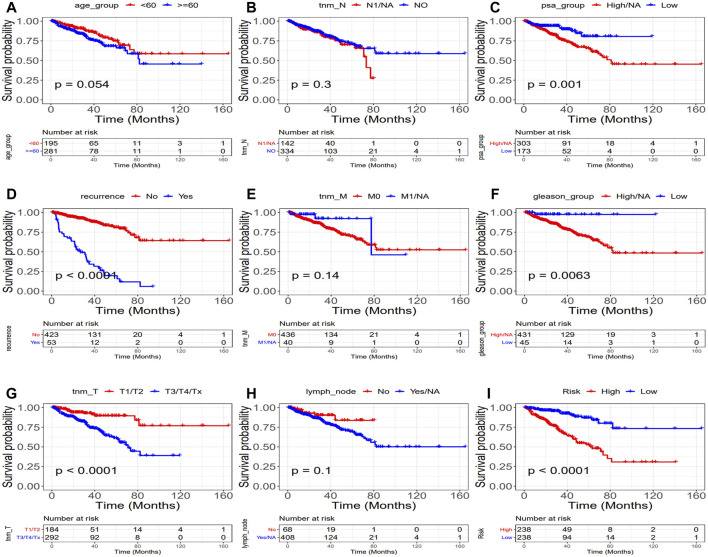
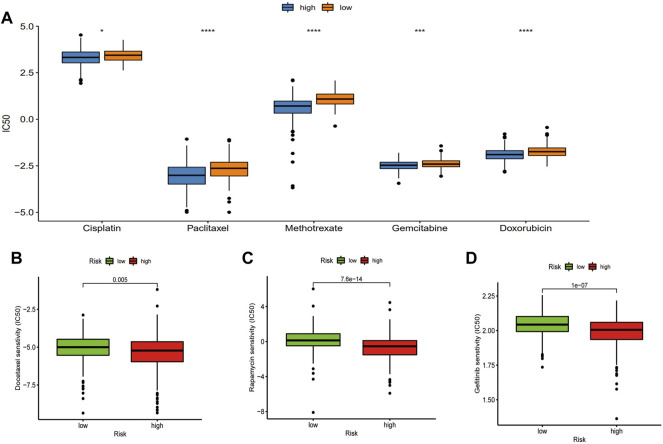
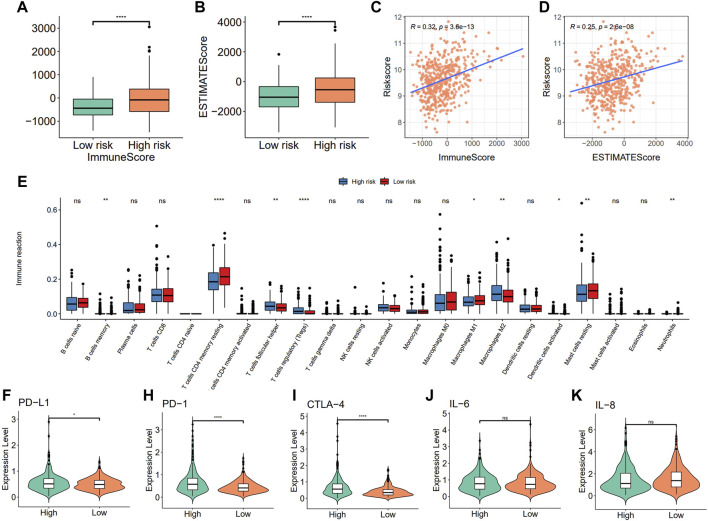
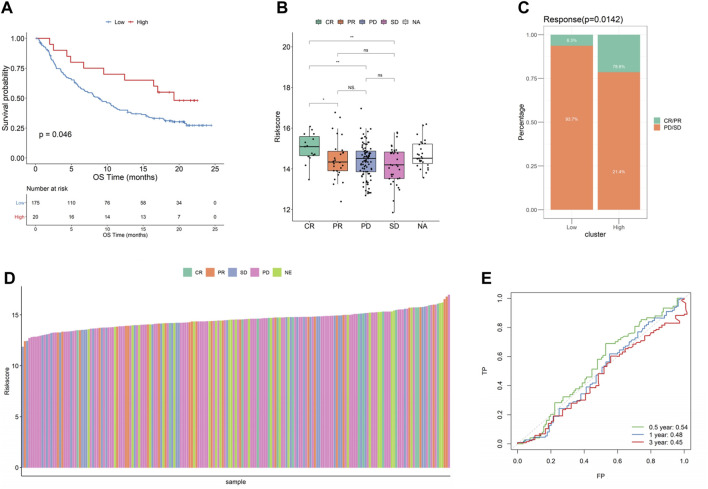
There is growing evidence that phagocytosis regulatory factors (PRFs) play important roles in tumor progression, and therefore, identifying and characterizing these factors is crucial for understanding the mechanisms of cellular phagocytosis in tumorigenesis. Our research aimed to comprehensively characterize PRFs in prostate adenocarcinoma (PRAD) and to screen and determine important PRFs in PRAD which may help to inform tumor prognostic and therapeutic signatures based on these key PRFs. Here, we first systematically described the expression of PRFs in PRAD and evaluated their expression patterns and their prognostic value. We then analyzed prognostic phagocytic factors by Cox and Lasso analysis and constructed a phagocytic factor-mediated risk score. We then divided the samples into two groups with significant differences in overall survival (OS) based on the risk score. Then, we performed correlation analysis between the risk score and clinical features, immune infiltration levels, immune characteristics, immune checkpoint expression, IC50 of several classical sensitive drugs, and immunotherapy efficacy. Finally, the Human Protein Atlas (HPA) database was used to determine the protein expression of 18 PRF characteristic genes. The aforementioned results confirmed that multilayer alterations of PRFs were associated with the prognosis of patients with PRAD and the degree of macrophage infiltration. These findings may provide us with potential new therapies for PRAD.
越来越多的证据表明,吞噬作用调节因子(PRFs)在肿瘤进展中发挥重要作用,因此,识别和表征这些因子对于理解肿瘤发生过程中细胞吞噬作用的机制至关重要。我们的研究旨在全面表征前列腺腺癌(PRAD)中的PRFs,并筛选和确定PRAD中重要的PRFs,这可能有助于基于这些关键PRFs为肿瘤预后和治疗特征提供信息。在此,我们首先系统地描述了PRFs在PRAD中的表达,并评估了它们的表达模式及其预后价值。然后,我们通过Cox和Lasso分析分析了预后吞噬因子,并构建了吞噬因子介导的风险评分。然后,我们根据风险评分将样本分为总生存期(OS)有显著差异的两组。然后,我们对风险评分与临床特征、免疫浸润水平、免疫特征、免疫检查点表达、几种经典敏感药物的IC50以及免疫治疗疗效进行了相关性分析。最后,使用人类蛋白质图谱(HPA)数据库确定18个PRF特征基因的蛋白质表达。上述结果证实,PRFs的多层改变与PRAD患者的预后和巨噬细胞浸润程度相关。这些发现可能为我们提供PRAD的潜在新疗法。