Research Center of Integrative Medicine, School of Basic Medical Sciences, Guangzhou University of Chinese Medicine, Guangzhou, 510006, China.
Department of Pathology, Guangzhou University of Chinese Medicine, Guangzhou, 510006, China.
Sci Rep. 2022 Jun 16;12(1):10040. doi: 10.1038/s41598-022-14319-2.
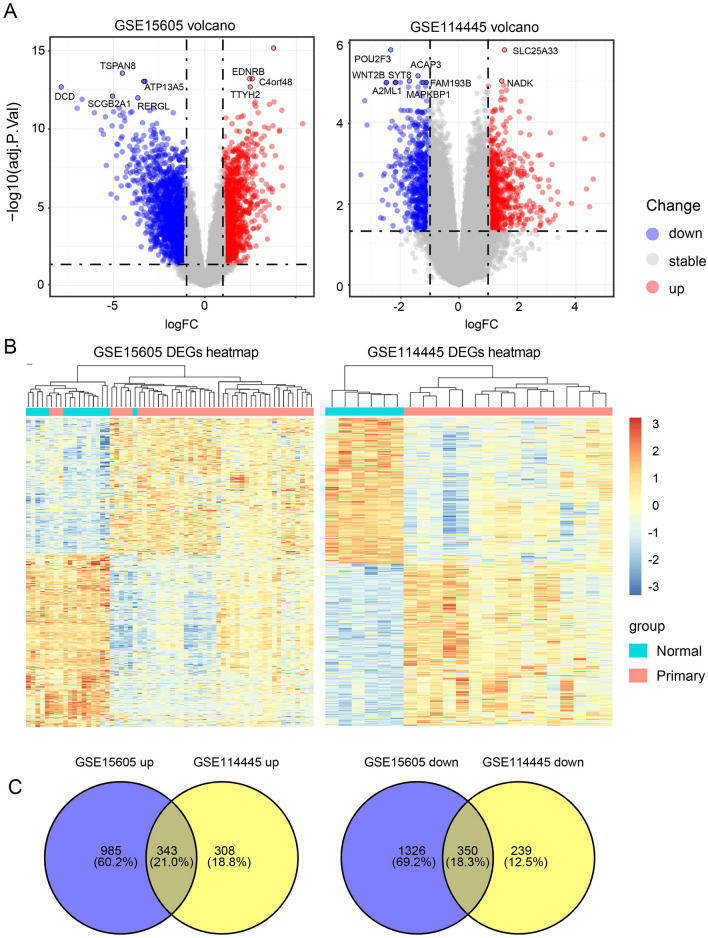
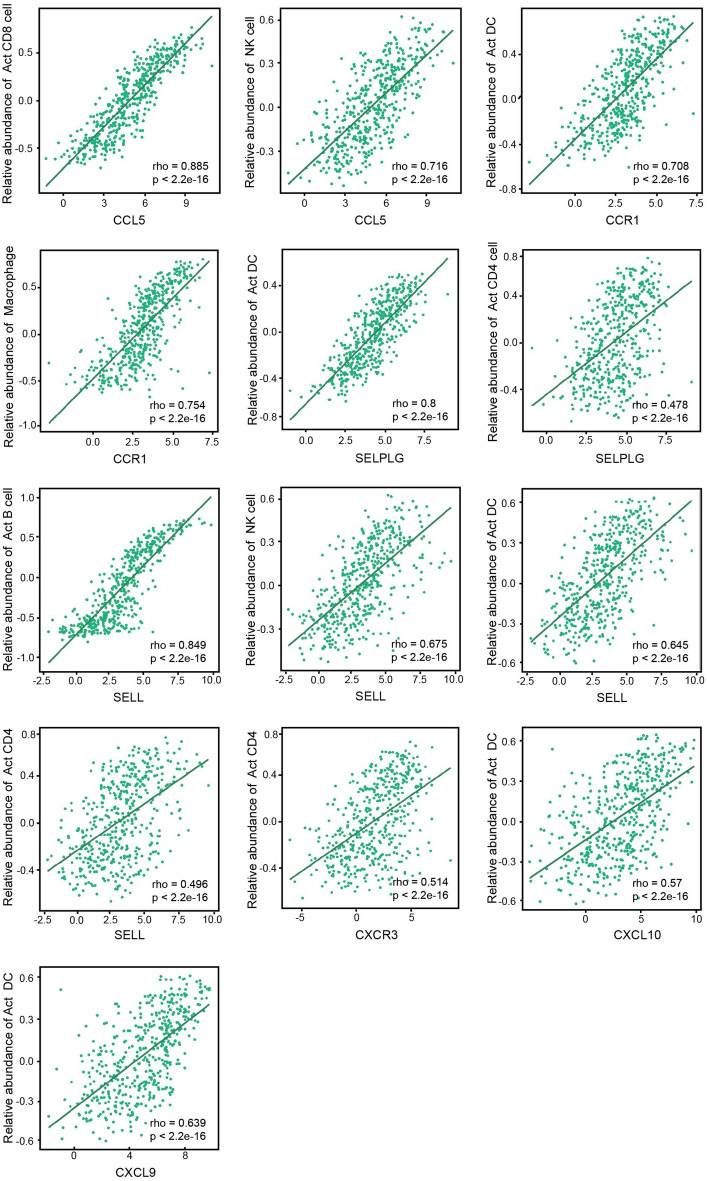
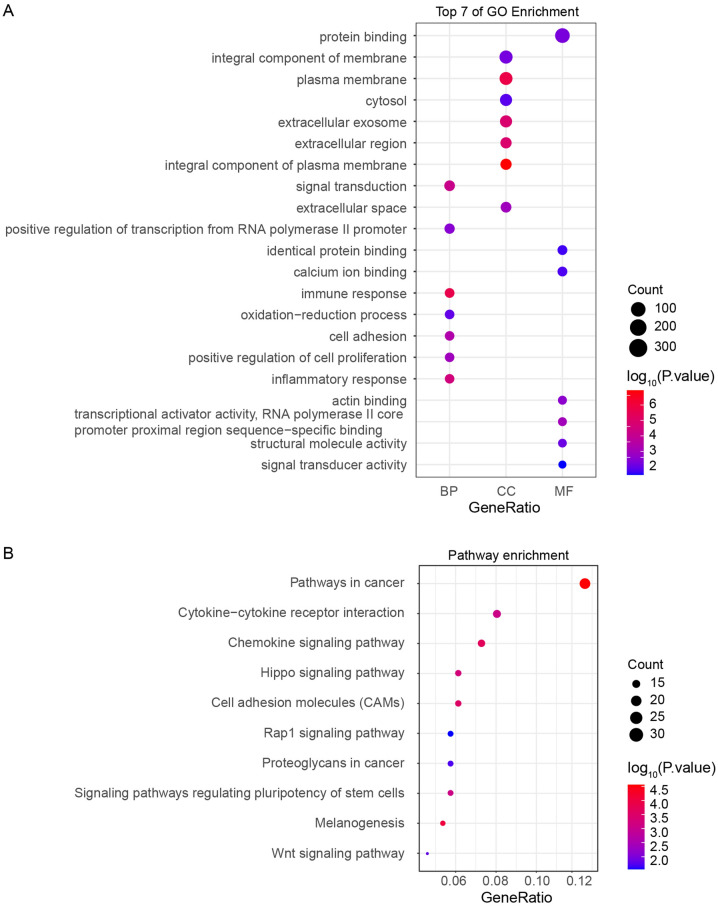
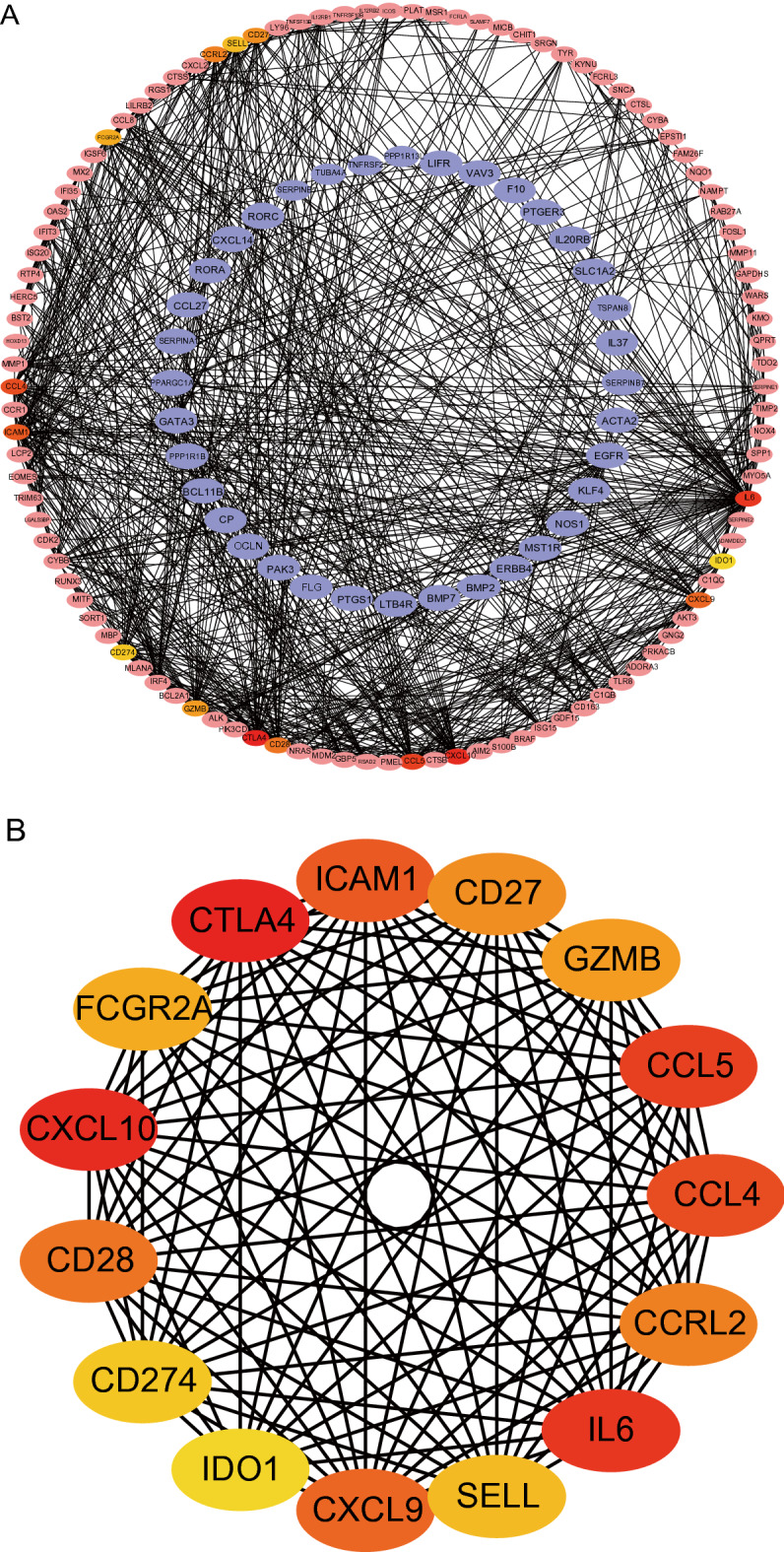
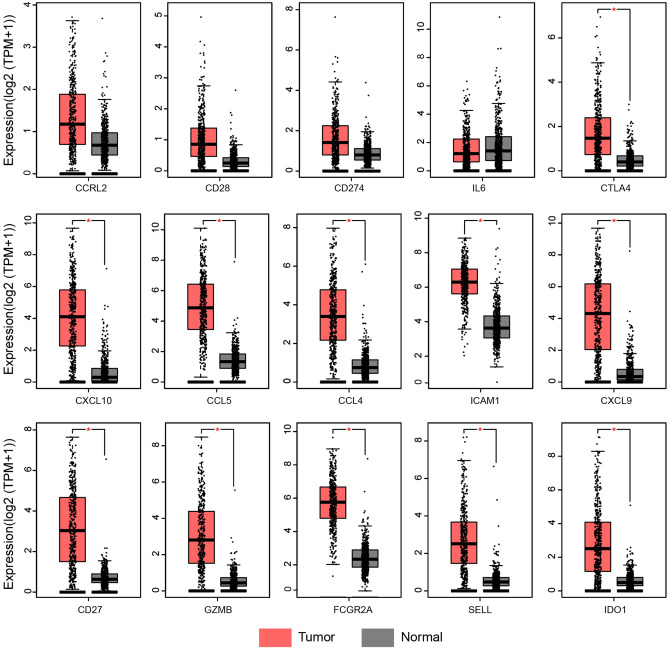
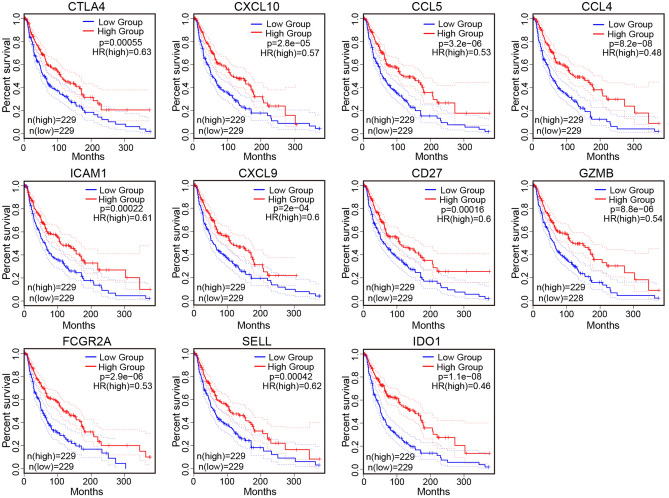
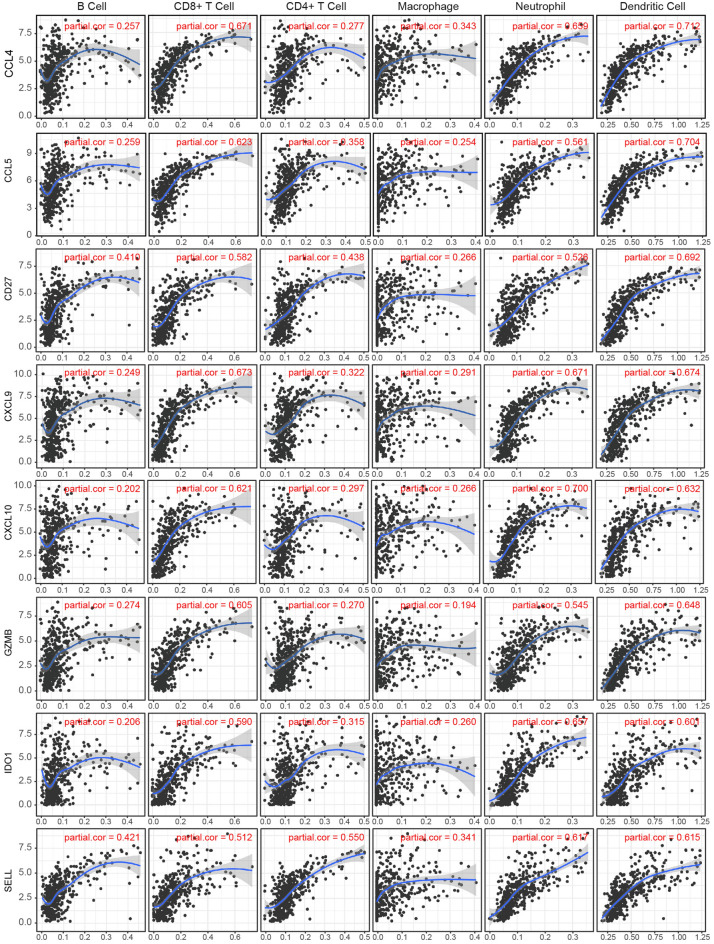
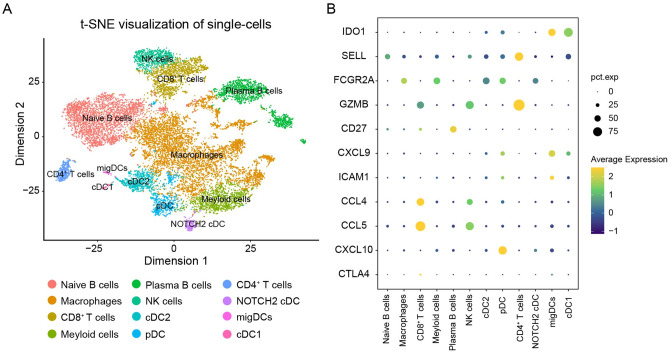
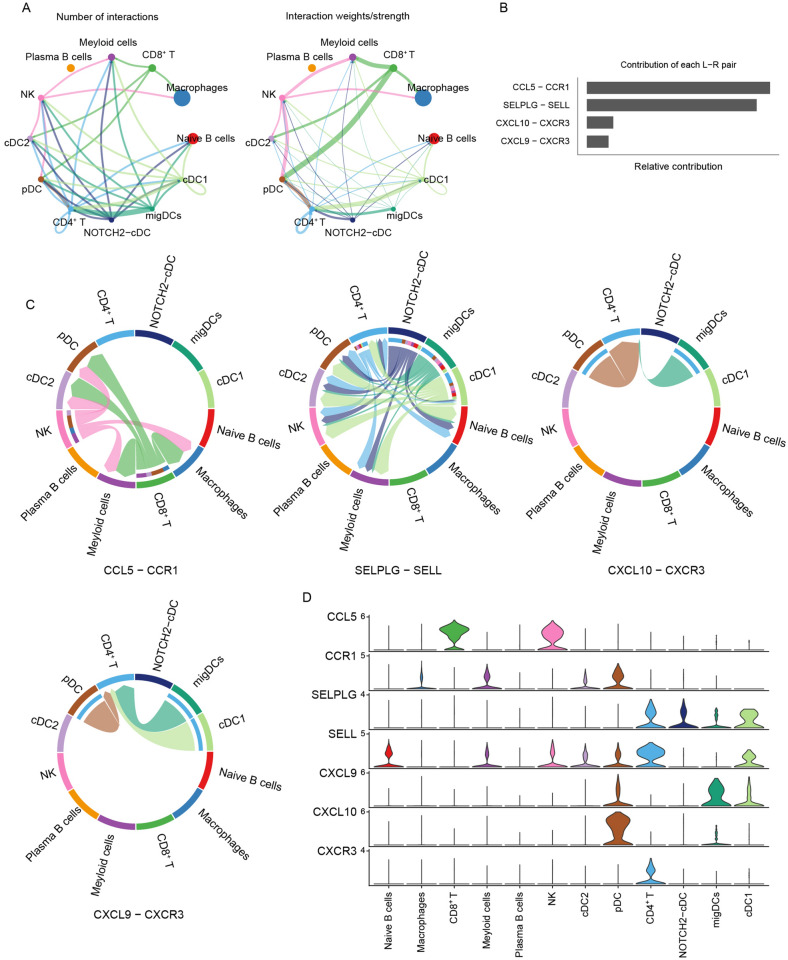
Melanoma is the most lethal type of skin cancer. Despite the breakthroughs in the clinical treatment of melanoma using tumor immunotherapy, many patients do not benefit from these immunotherapies because of multiple immunosuppressive mechanisms. Therefore, there is an urgent need to determine the mechanisms of tumor-immune system interactions and their molecular determinants to improve cancer immunotherapy. In this study, combined analysis of microarray data and single-cell RNA sequencing data revealed the key interactions between immune cells in the melanoma microenvironment. First, differentially expressed genes (DEGs) between normal and malignant tissues were obtained using GEO2R. The DEGs were then subjected to downstream analyses, including enrichment analysis and protein-protein interaction analysis, indicating that these genes were associated with the immune response of melanoma. Then, the GEPIA and TIMER databases were used to verify the differential expression and prognostic significance of hub genes, and the relationship between the hub genes and immune infiltration. In addition, we combined single cell analysis from GSE123139 to identify immune cell types, and validated the expression of the hub genes in these immune cells. Finally, cell-to-cell communication analysis of the proteins encoded by the hub genes and their interactions was performed using CellChat. We found that the CCL5-CCR1, SELPLG-SELL, CXCL10-CXCR3, and CXCL9-CXCR3 pathways might play important roles in the communication between the immune cells in tumor microenvironment. This discovery may reveal the communication basis of immune cells in the tumor microenvironment and provide a new idea for melanoma immunotherapy.
黑色素瘤是最致命的皮肤癌类型。尽管肿瘤免疫疗法在黑色素瘤的临床治疗方面取得了突破,但由于多种免疫抑制机制,许多患者并未从中受益。因此,迫切需要确定肿瘤-免疫系统相互作用的机制及其分子决定因素,以改善癌症免疫疗法。在这项研究中,对微阵列数据和单细胞 RNA 测序数据进行联合分析,揭示了黑色素瘤微环境中免疫细胞之间的关键相互作用。首先,使用 GEO2R 从 GEO 数据库中获取正常和恶性组织之间的差异表达基因(DEGs)。然后对 DEGs 进行下游分析,包括富集分析和蛋白质-蛋白质相互作用分析,表明这些基因与黑色素瘤的免疫反应有关。然后,使用 GEPIA 和 TIMER 数据库验证了关键基因的差异表达和预后意义,以及关键基因与免疫浸润之间的关系。此外,我们结合 GSE123139 的单细胞分析来识别免疫细胞类型,并验证了这些免疫细胞中关键基因的表达。最后,使用 CellChat 对关键基因编码的蛋白质及其相互作用进行细胞间通讯分析。我们发现 CCL5-CCR1、SELPLG-SELL、CXCL10-CXCR3 和 CXCL9-CXCR3 通路可能在肿瘤微环境中免疫细胞的通讯中发挥重要作用。这一发现可能揭示了肿瘤微环境中免疫细胞的通讯基础,并为黑色素瘤免疫治疗提供了新的思路。