NeoFertility Clinic, Suite 7, 1st Floor, Beacon Mall, Sandyford, Dublin 18, Ireland.
Division of Public Health, Department of Family and Preventive Medicine, University of Utah School of Medicine, Salt Lake City, USA.
J Med Case Rep. 2022 Jun 22;16(1):246. doi: 10.1186/s13256-022-03465-w.
Restorative reproductive medicine represents a comprehensive approach to subfertility (infertility and miscarriage) with investigations, diagnoses, and treatments combined with fertility charting to restore optimal reproductive function. Restorative reproductive medicine assumes that multiple factors need to be identified and treated (cycle optimization) for up to 12 cycles to achieve a successful pregnancy. Conception can occur during normal intercourse without intrauterine insemination or in vitro fertilization.
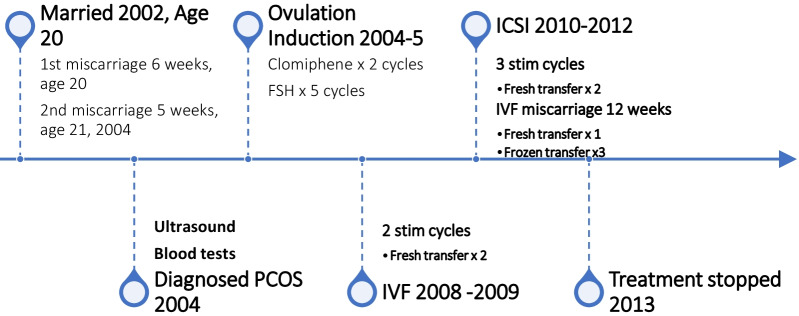
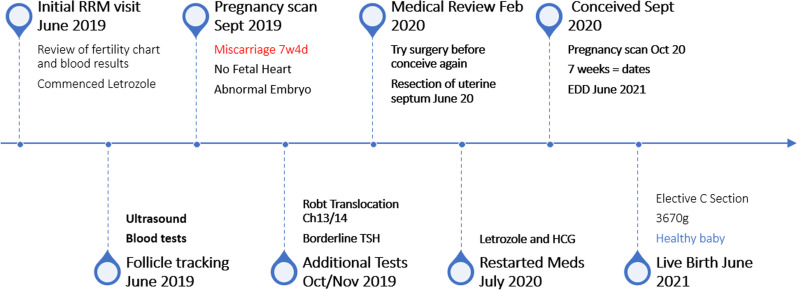
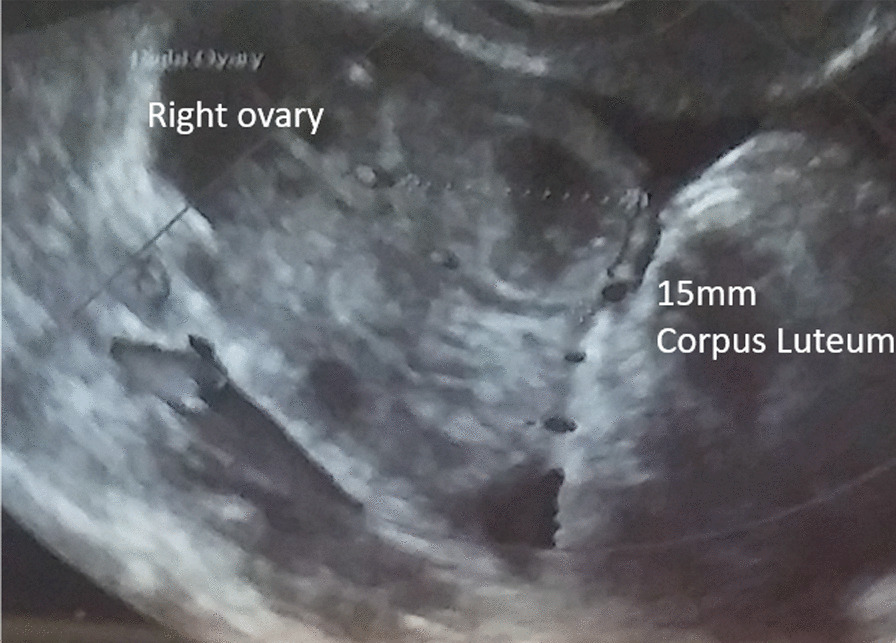
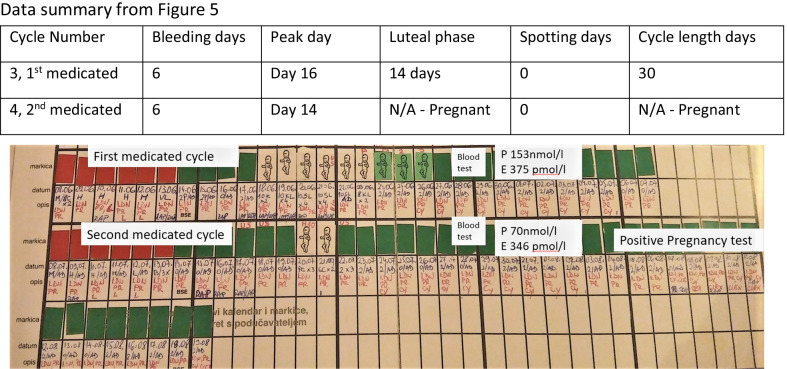
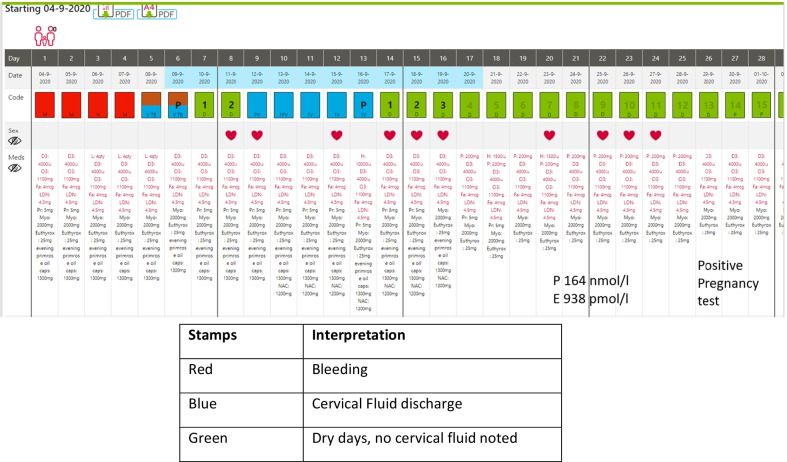
A 35-year-old Croatian female presented for fertility treatment in May 2019 with a previous diagnosis of polycystic ovaries, infertility of 16 years duration, and 8 unsuccessful embryo transfers with in vitro fertilization and intracytoplasmic sperm injection. She was gravida 3 para 0, with 2 miscarriages after spontaneous conception at 5-6 weeks gestation in 2002 and 2004, followed by a miscarriage after in vitro fertilization at 12 weeks gestation in 2011. We initially found poor follicle function and suboptimal progesterone levels. Restorative reproductive medicine treatment resulted in conception after two cycles of treatment. This pregnancy ended in miscarriage at 7 weeks 4 days. Additional investigations found a balanced Robertsonian translocation (13, 14) and a uterine septum. We achieved repeat fertilization with restorative reproductive medicine after three cycles of treatment following resection of the uterine septum and ovulation induction with letrozole and human chorionic gonadotrophin. She had a full-term healthy pregnancy and live birth in 2021.
We propose that a full evaluation of underlying factors, and up to 12 cycles of cycle optimization, should be offered to subfertile patients before considering in vitro fertilization treatment.
生殖修复医学是一种综合性的方法,用于治疗不孕不育(包括不孕和流产),将调查、诊断和治疗与生育图表相结合,以恢复最佳生殖功能。生殖修复医学假设需要确定和治疗多种因素(周期优化),最多 12 个周期,以实现成功怀孕。受孕可以在正常性交期间发生,无需宫腔内人工授精或体外受精。
一名 35 岁的克罗地亚女性于 2019 年 5 月因不孕不育症就诊,病史为多囊卵巢、不孕不育 16 年、8 次体外受精和胞浆内精子注射胚胎移植失败。她曾怀孕 3 次,流产 0 次,分别在 2002 年和 2004 年 5-6 周自然妊娠时发生 2 次流产,随后在 2011 年体外受精妊娠 12 周时发生 1 次流产。我们最初发现卵泡功能不佳,孕激素水平不理想。生殖修复医学治疗在两个周期的治疗后成功受孕。这次妊娠在 7 周 4 天时流产。进一步检查发现罗伯逊易位(13、14)和子宫纵隔。在切除子宫纵隔和使用来曲唑和人绒毛膜促性腺激素诱导排卵后,我们通过三个周期的治疗实现了重复受精,并通过生殖修复医学成功妊娠。她于 2021 年足月分娩了一个健康的婴儿。
我们建议在考虑体外受精治疗之前,应对不孕不育患者进行全面的潜在因素评估,并提供最多 12 个周期的周期优化治疗。