
电化学 SARS-CoV-2 检测生物传感器:伏安法还是阻抗法转换?
Electrochemical biosensors for SARS-CoV-2 detection: Voltametric or impedimetric transduction?
机构信息
Department of Chemistry and Technology of Drugs, Sapienza University of Rome, P.le Aldo Moro 5, 00185 Rome, Italy.
出版信息
Bioelectrochemistry. 2022 Oct;147:108190. doi: 10.1016/j.bioelechem.2022.108190. Epub 2022 Jun 11.
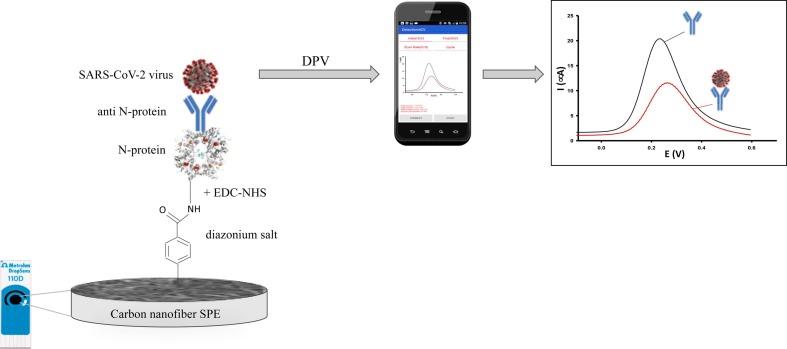
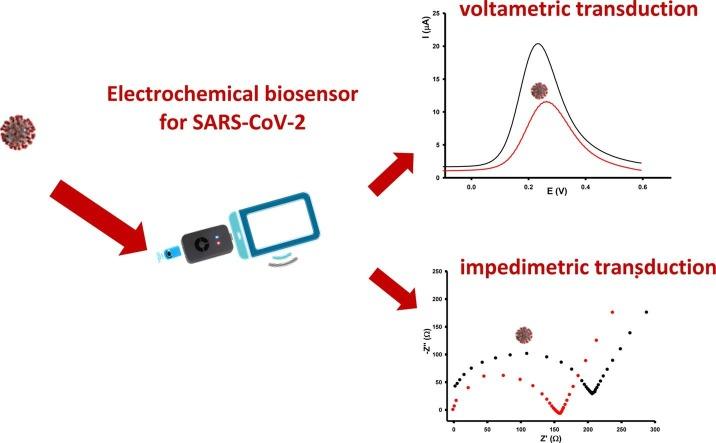
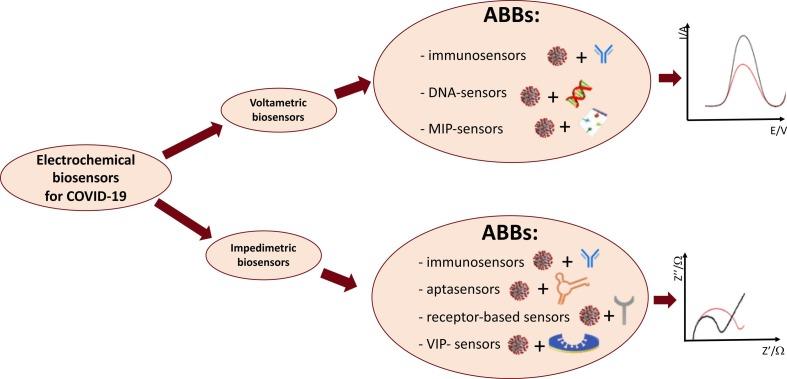
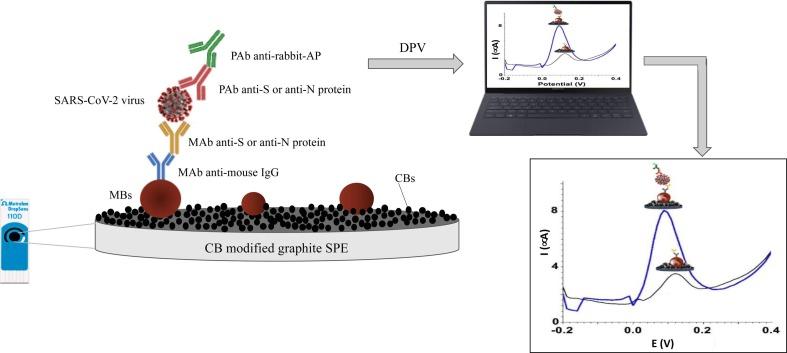
During the COVID-19 pandemic, electrochemical biosensors have shown several advantages including accuracy, low cost, possibility of miniaturization and portability, which make them an interesting testing method for rapid point-of-care (POC) detection of SARS-CoV-2 infection, allowing the detection of both viral RNA and viral antigens. Herein, we reviewed advancements in electrochemical biosensing platforms towards the detection of SARS-CoV-2 based on voltametric and impedimetric transduction modes, highlighting the advantages and drawbacks of the two methods.
在 COVID-19 大流行期间,电化学生物传感器显示出多种优势,包括准确性、低成本、小型化和便携性的可能性,这使得它们成为 SARS-CoV-2 感染快速即时检测(POC)的一种有趣的检测方法,能够同时检测病毒 RNA 和病毒抗原。在此,我们综述了基于伏安法和阻抗检测模式的电化学生物传感平台在 SARS-CoV-2 检测方面的最新进展,重点介绍了两种方法的优缺点。
 Zotero 插件