Koch Institute for Integrative Cancer Research, Massachusetts Institute of Technology, Cambridge, MA, USA.
Department of Biology, Massachusetts Institute of Technology, Cambridge, MA, USA.
Nat Metab. 2022 Jun;4(6):711-723. doi: 10.1038/s42255-022-00588-8. Epub 2022 Jun 23.
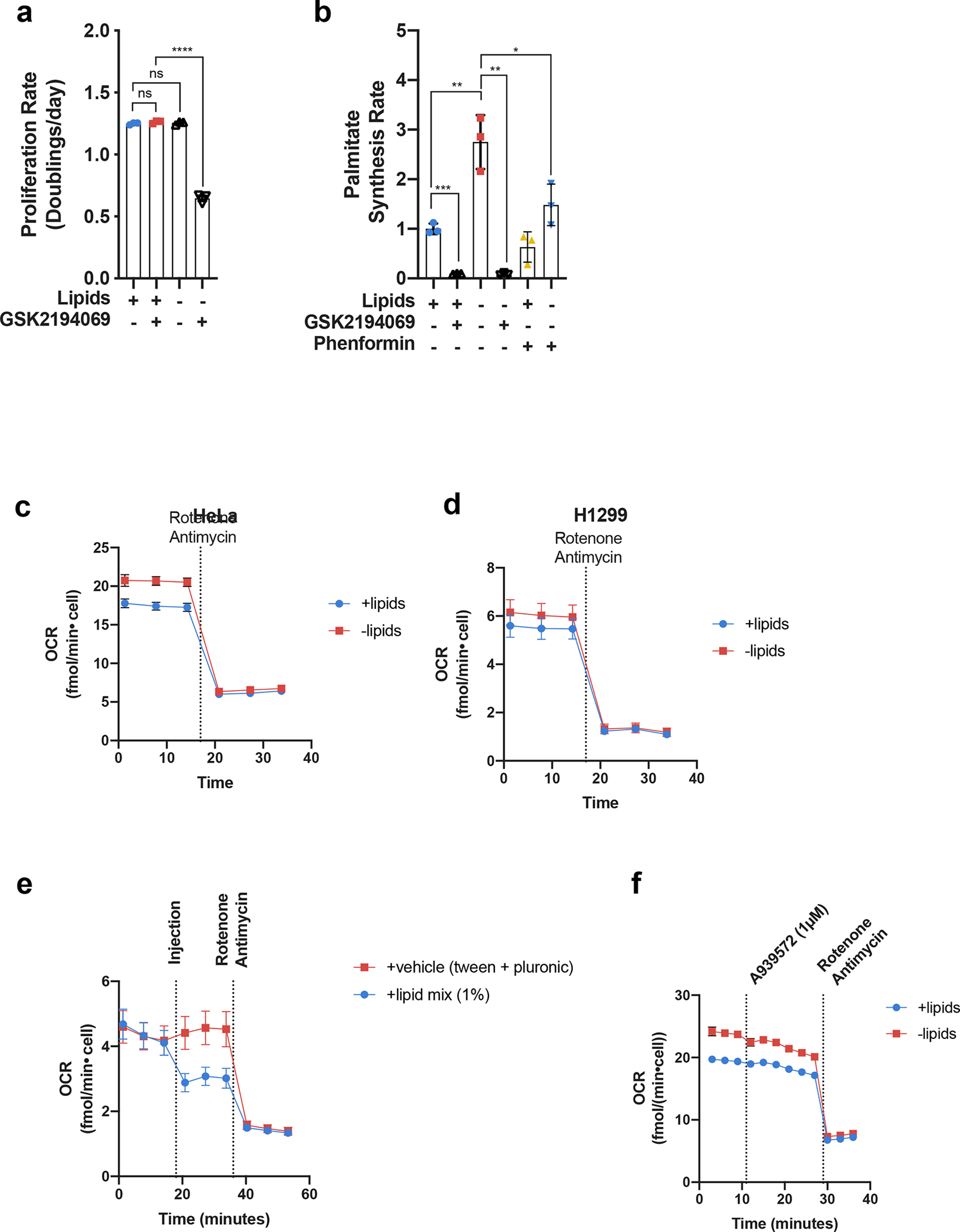
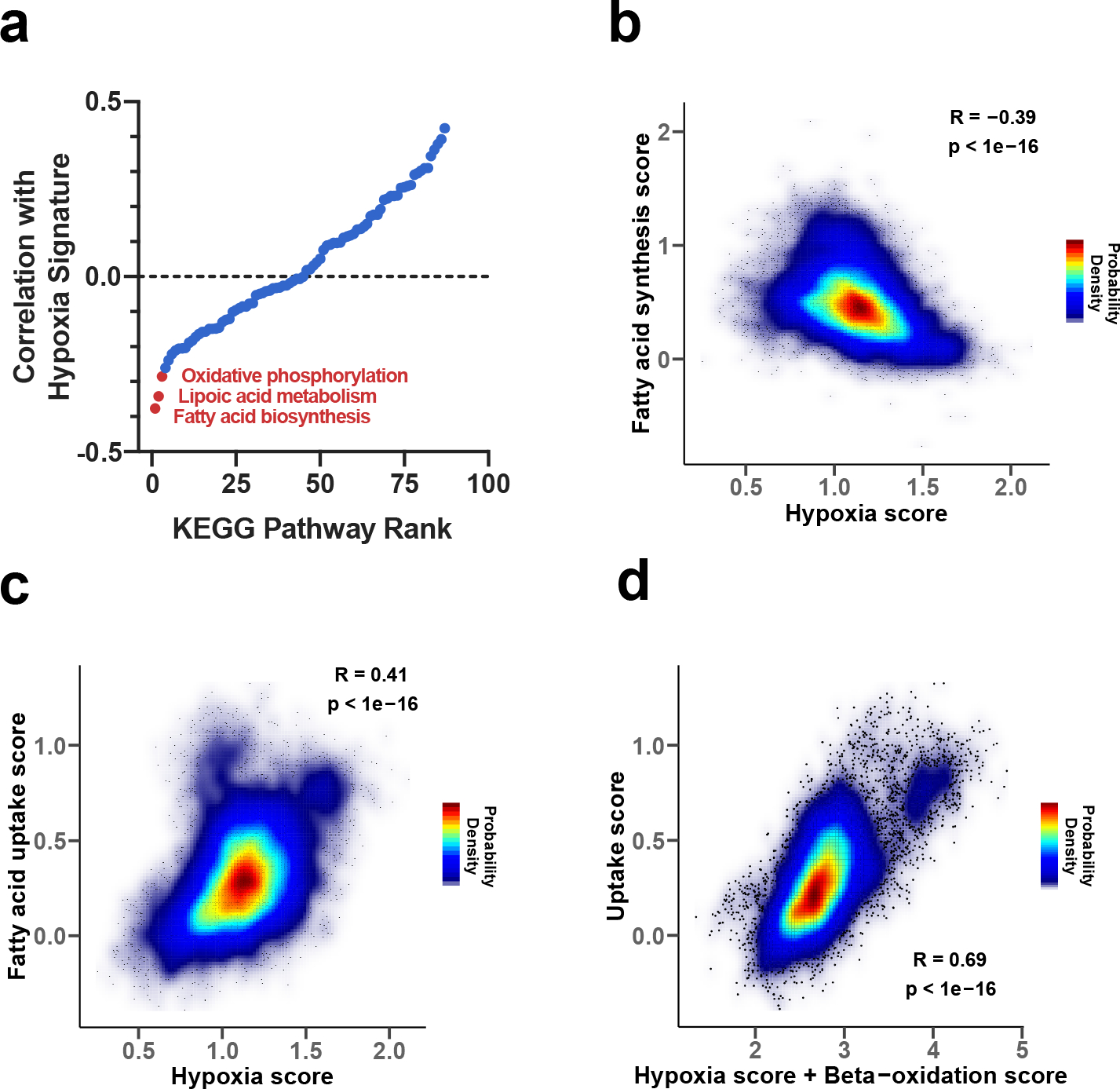
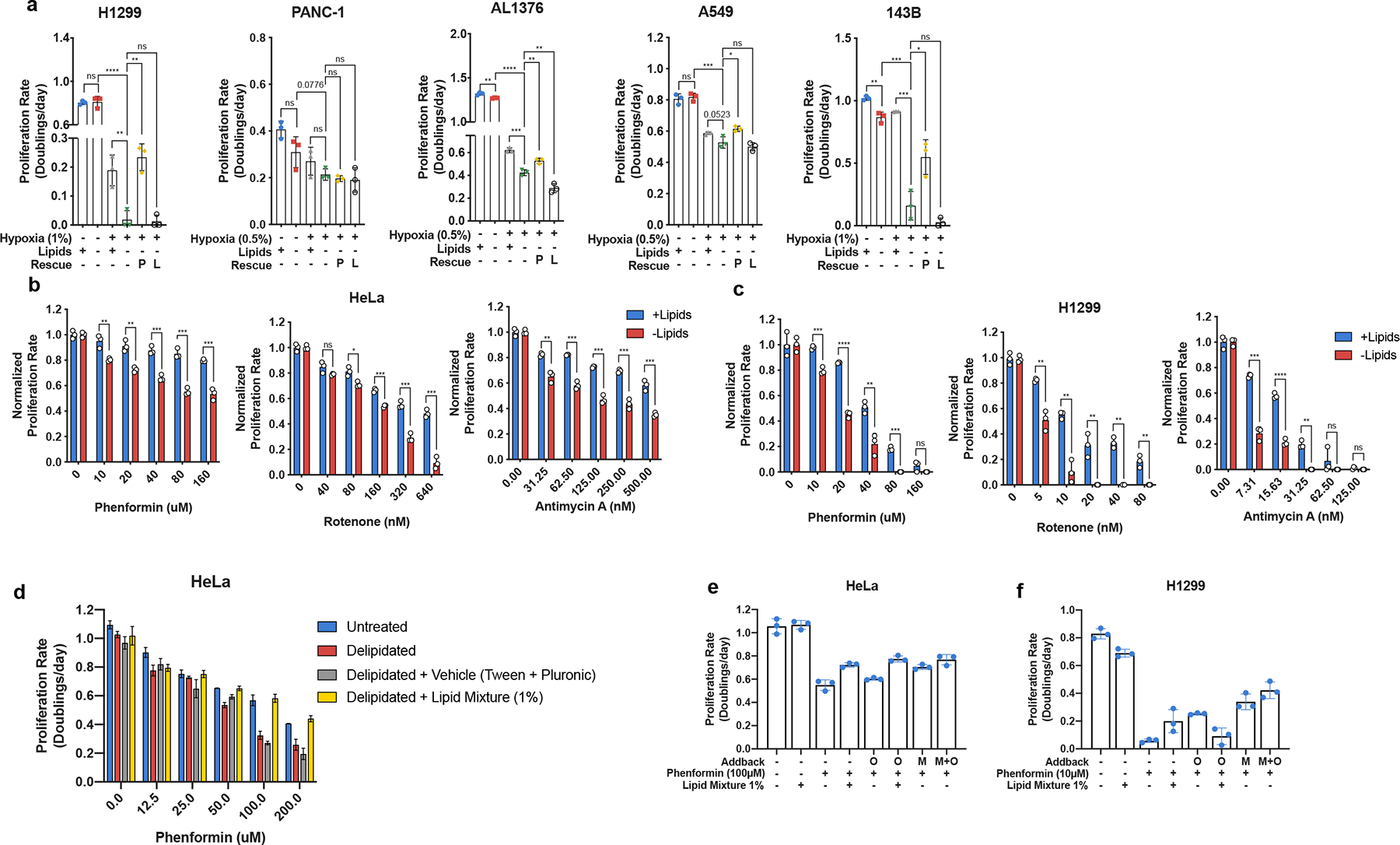
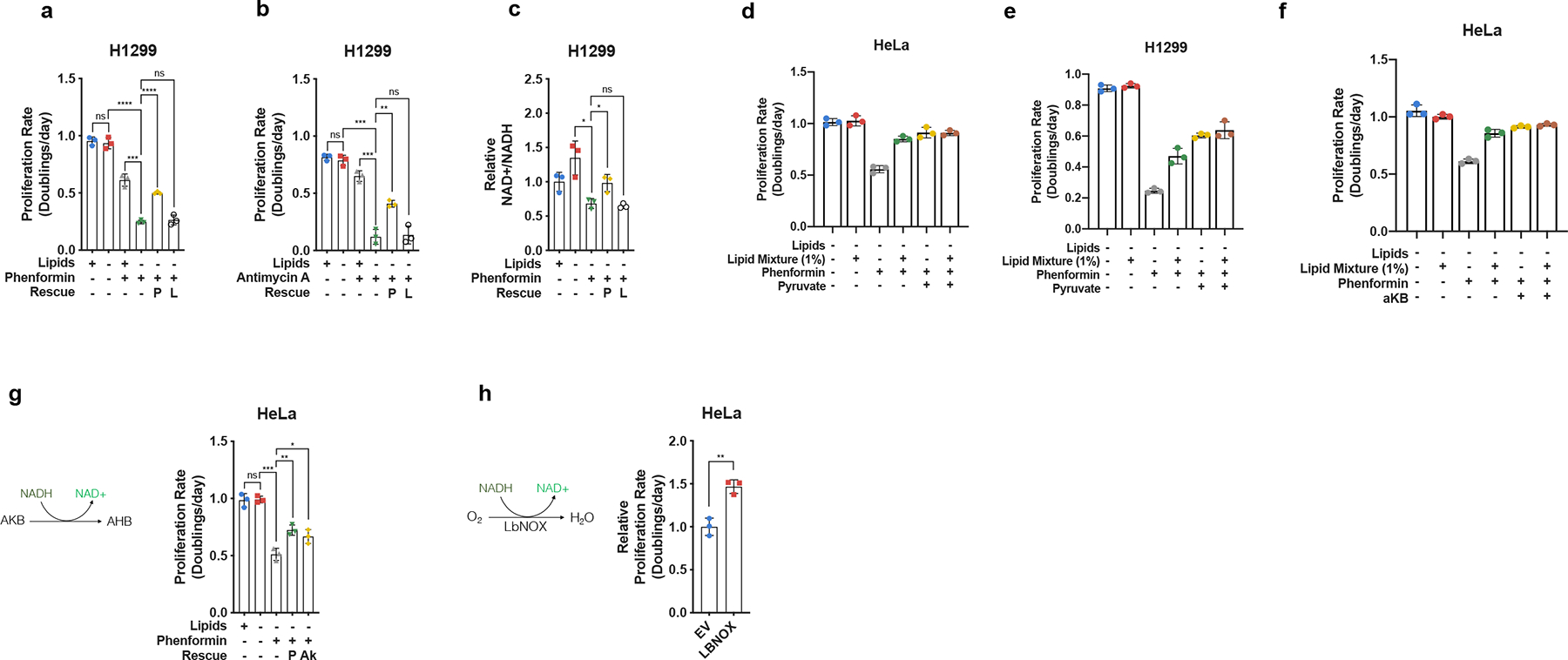
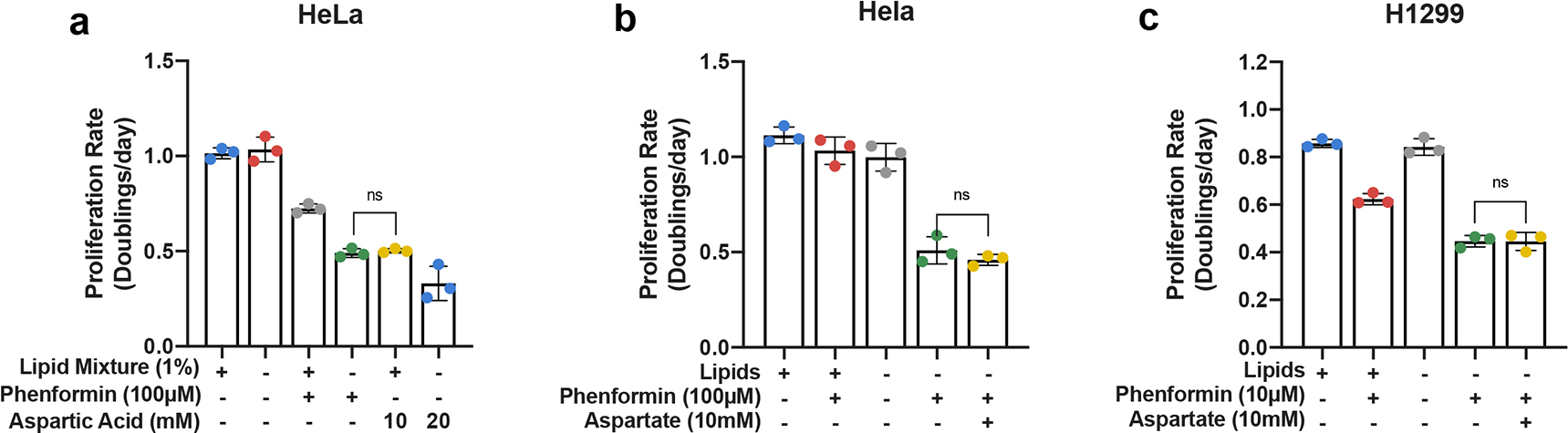
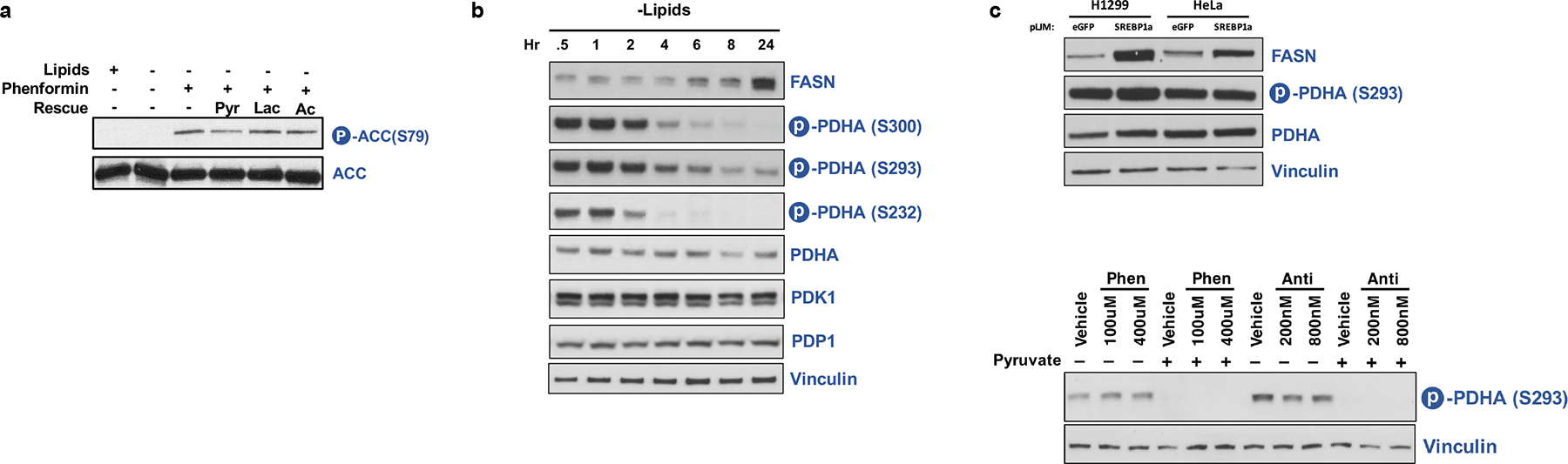
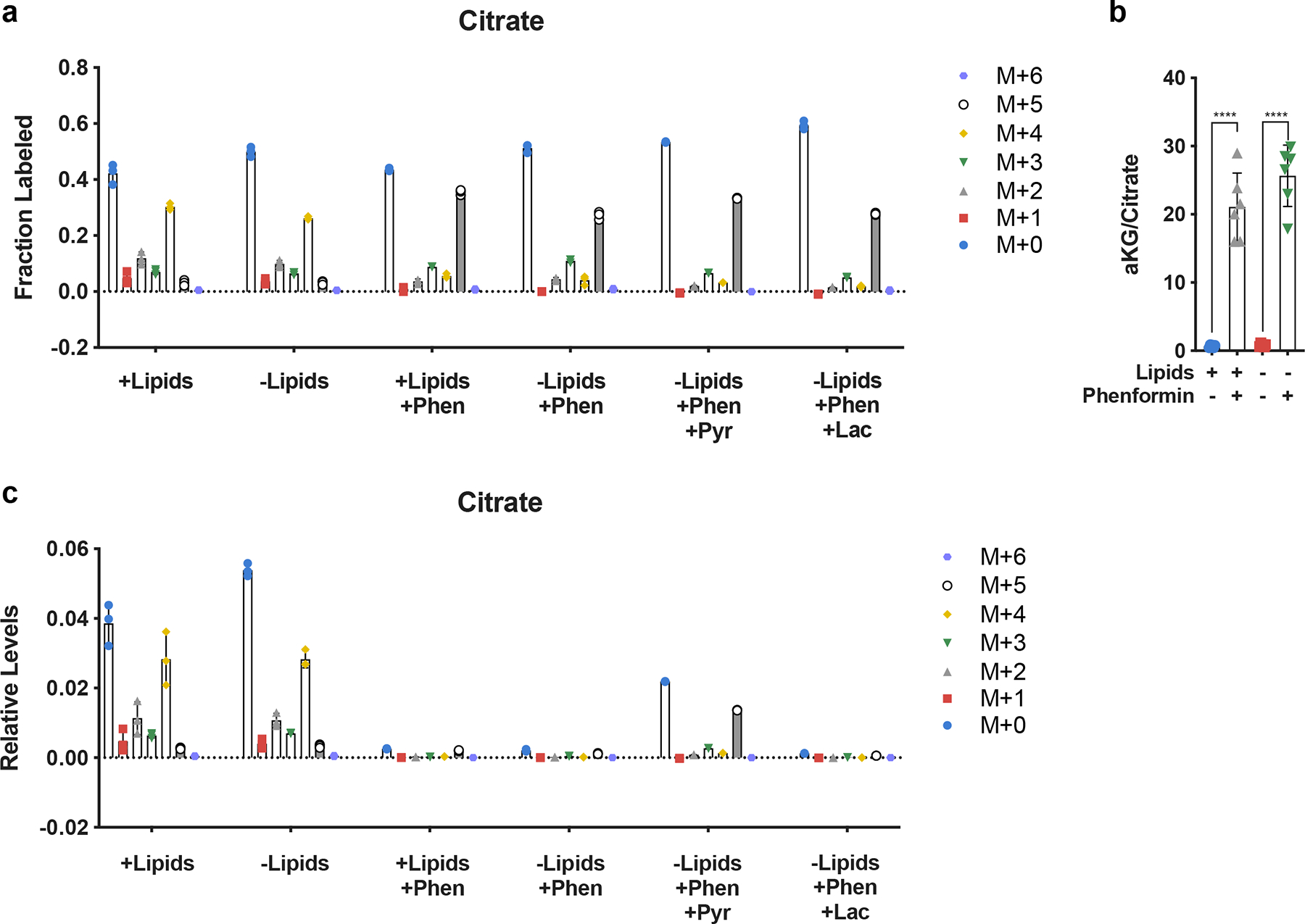
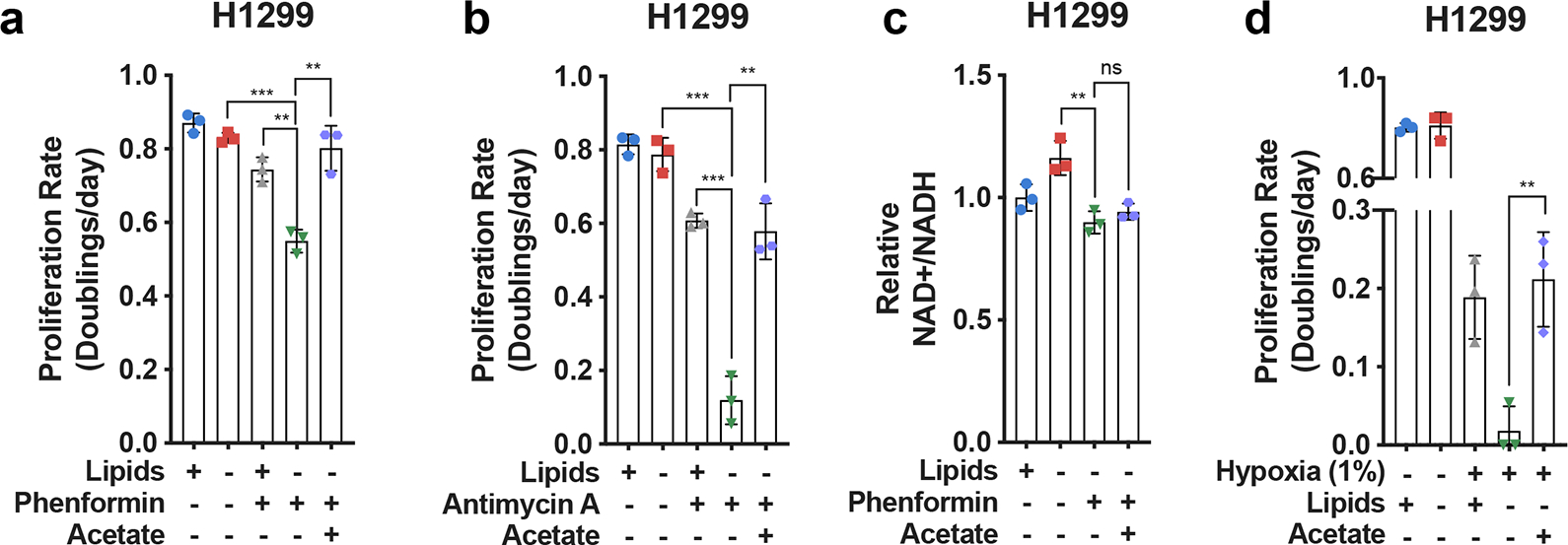
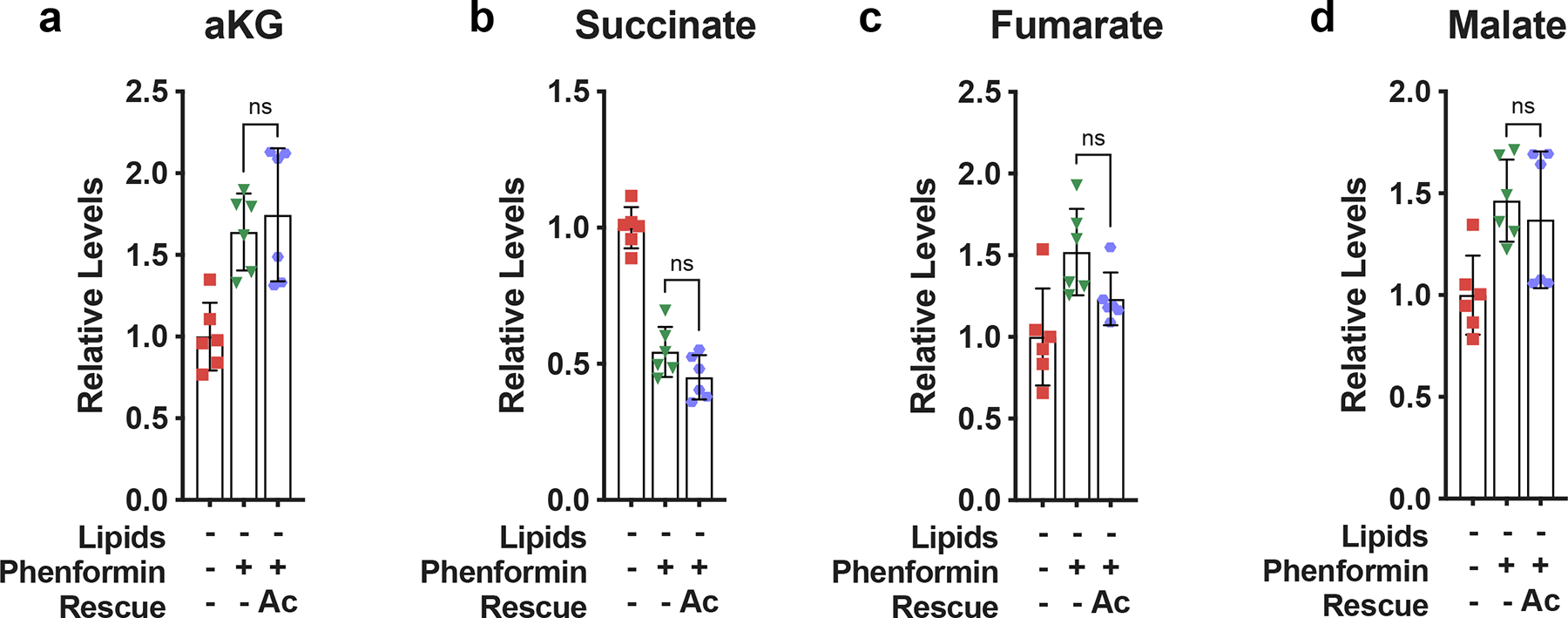
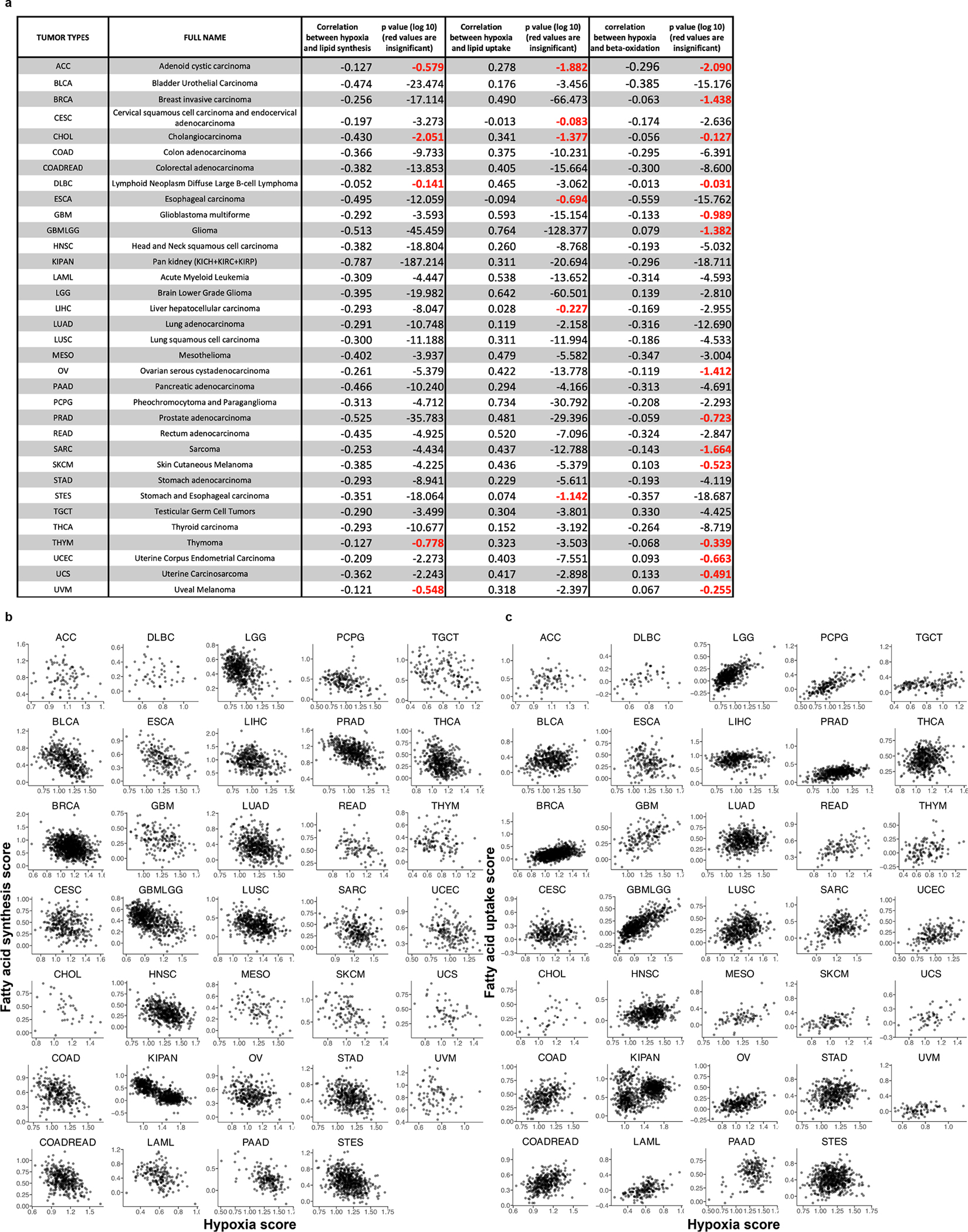
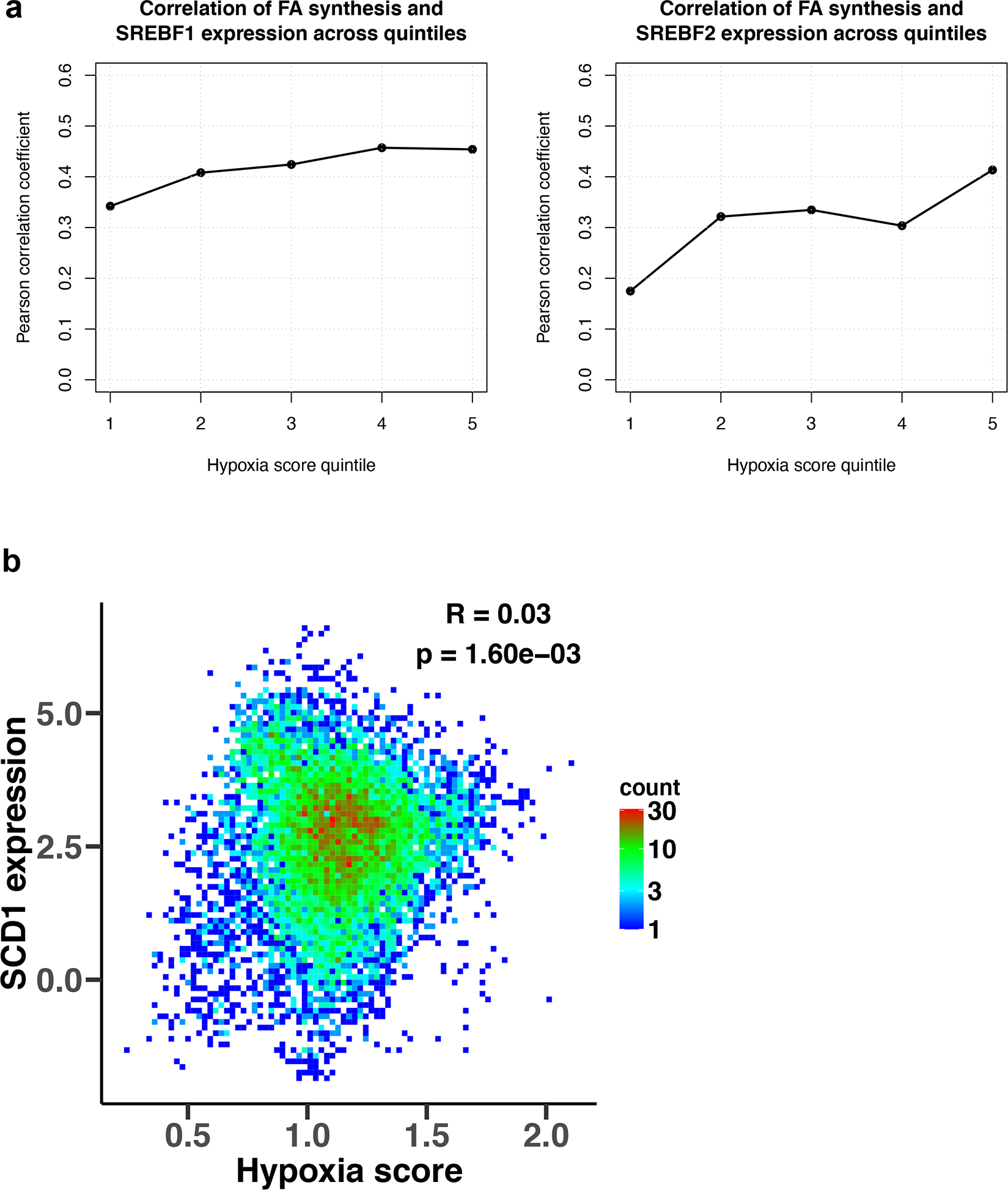
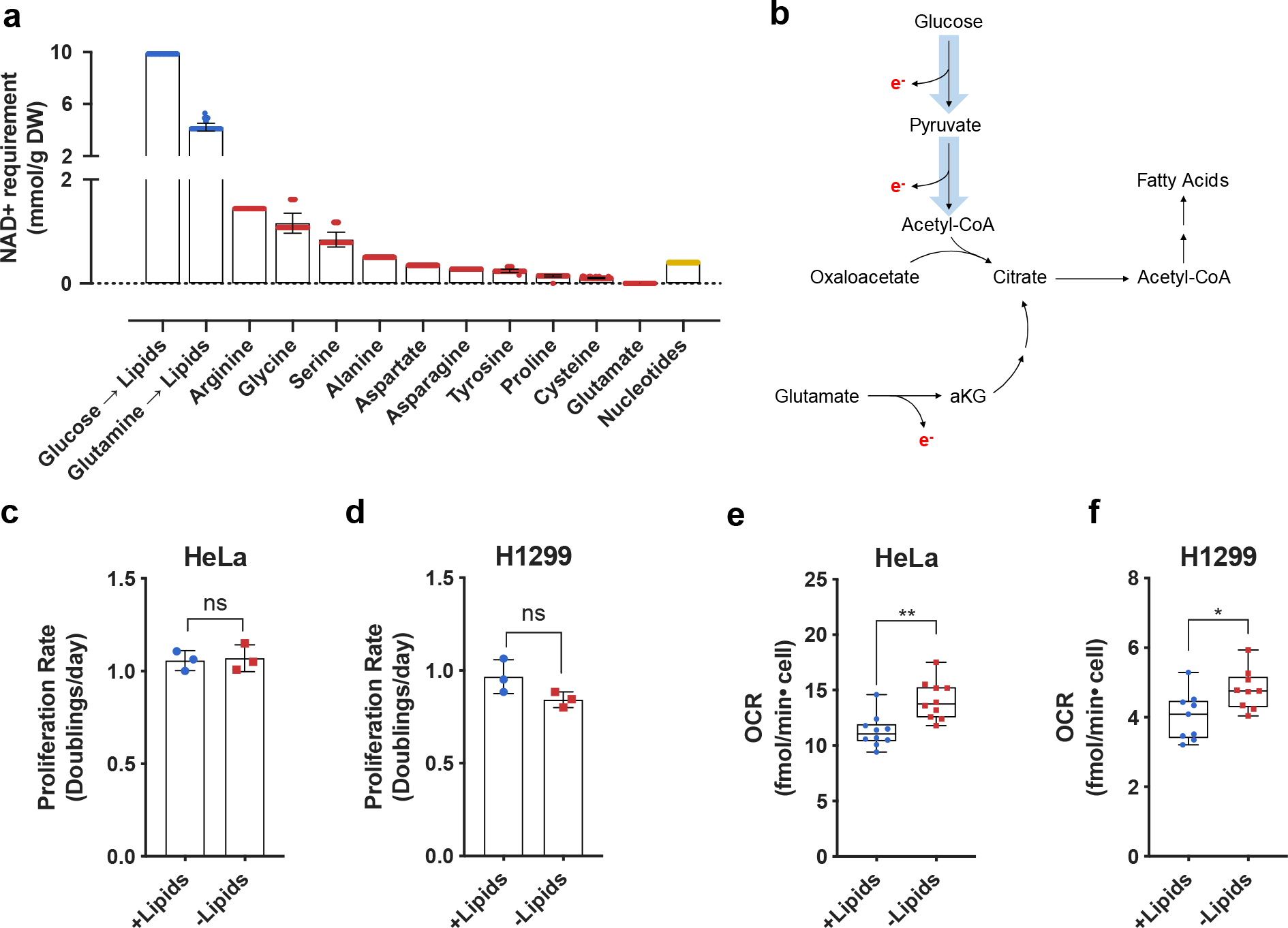
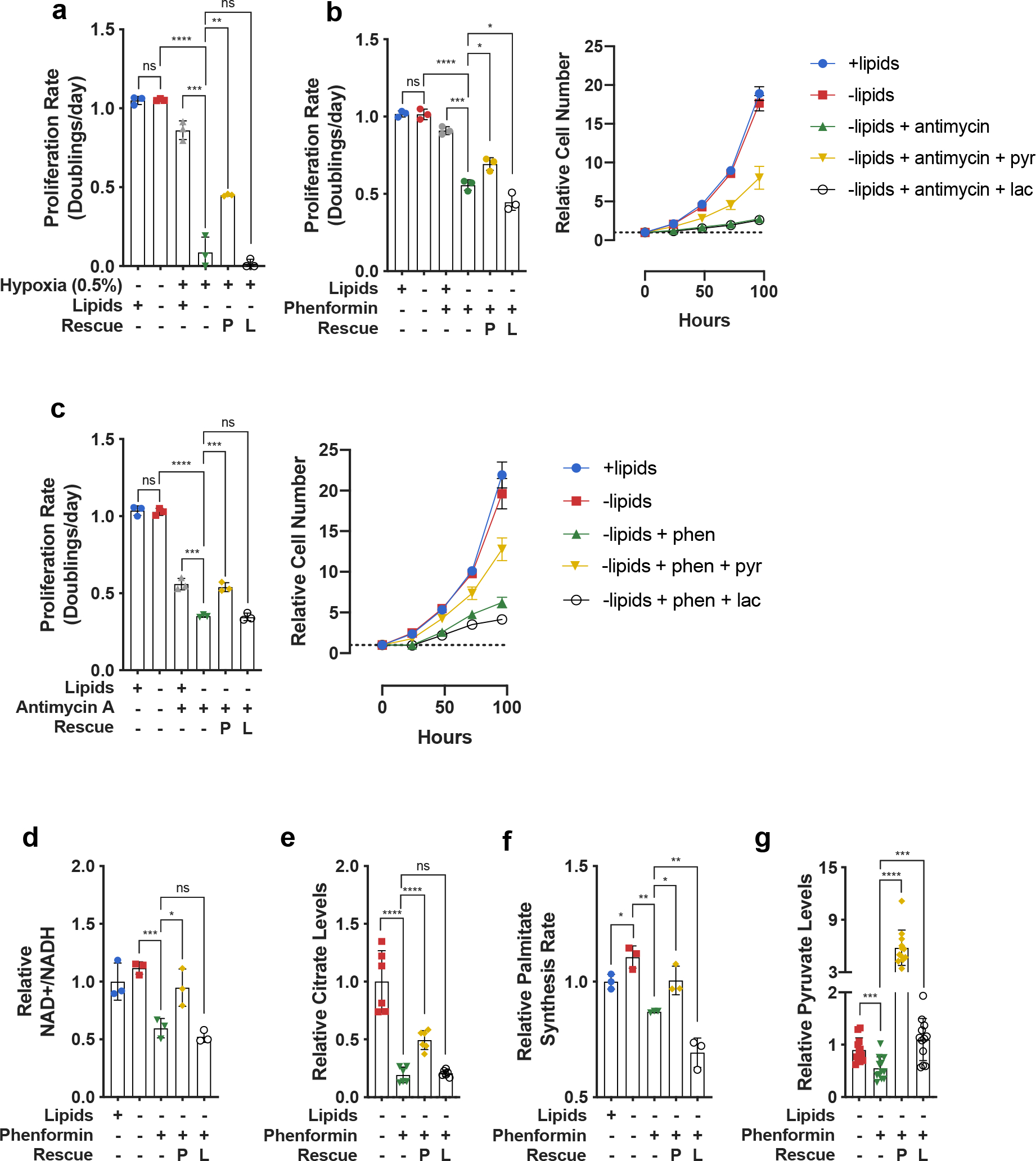
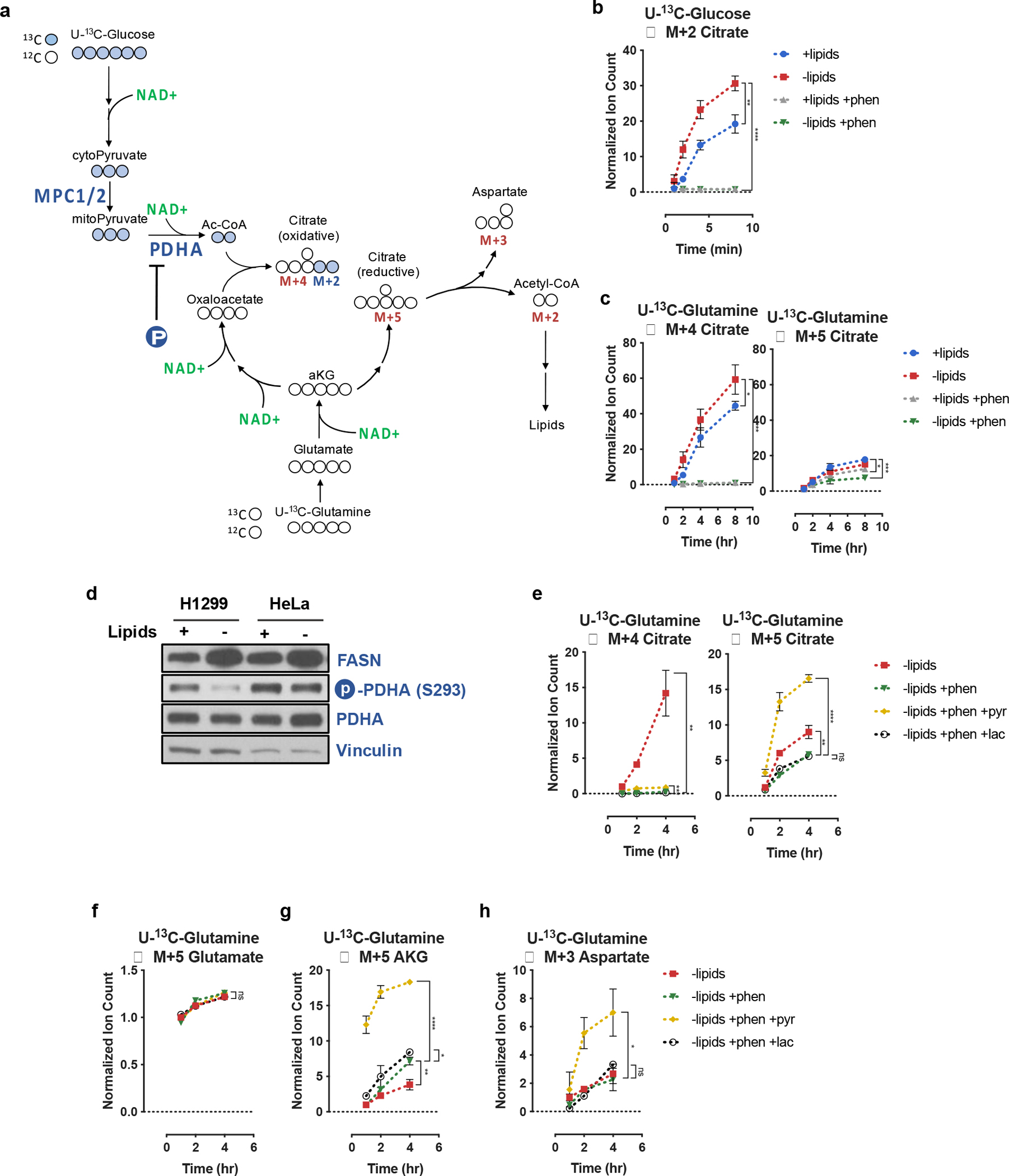
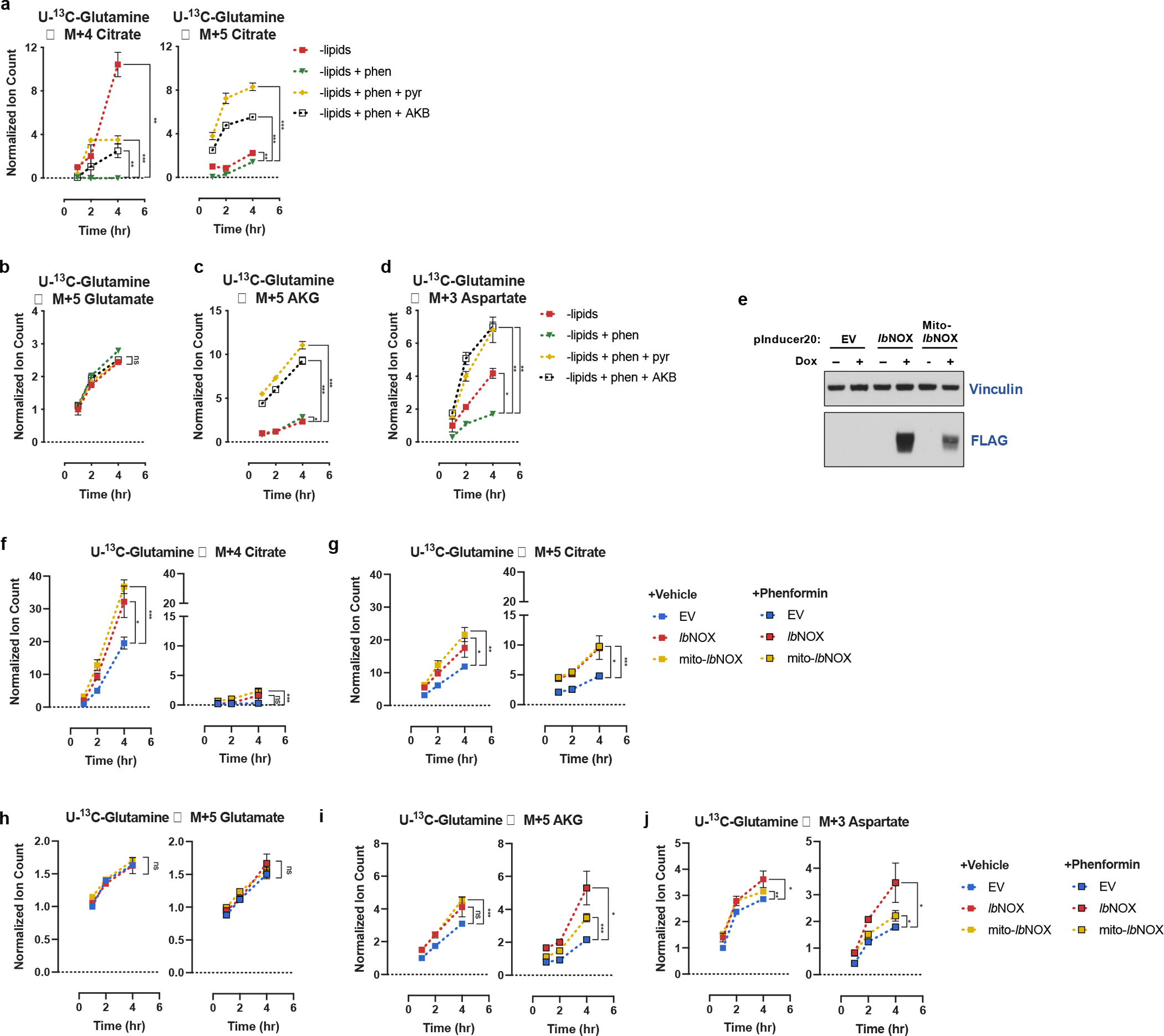
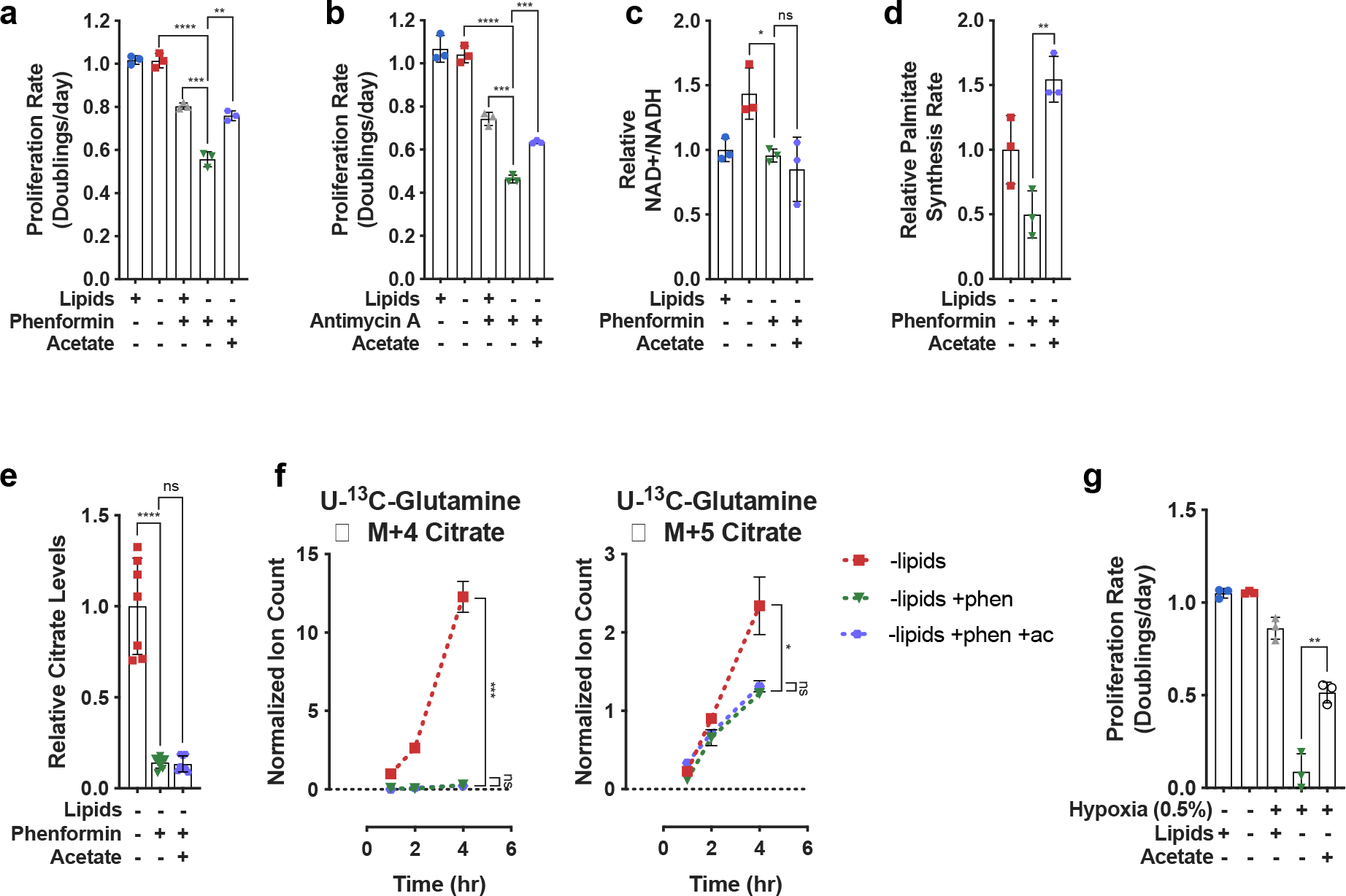
Production of oxidized biomass, which requires regeneration of the cofactor NAD, can be a proliferation bottleneck that is influenced by environmental conditions. However, a comprehensive quantitative understanding of metabolic processes that may be affected by NAD deficiency is currently missing. Here, we show that de novo lipid biosynthesis can impose a substantial NAD consumption cost in proliferating cancer cells. When electron acceptors are limited, environmental lipids become crucial for proliferation because NAD is required to generate precursors for fatty acid biosynthesis. We find that both oxidative and even net reductive pathways for lipogenic citrate synthesis are gated by reactions that depend on NAD availability. We also show that access to acetate can relieve lipid auxotrophy by bypassing the NAD consuming reactions. Gene expression analysis demonstrates that lipid biosynthesis strongly anti-correlates with expression of hypoxia markers across tumor types. Overall, our results define a requirement for oxidative metabolism to support biosynthetic reactions and provide a mechanistic explanation for cancer cell dependence on lipid uptake in electron acceptor-limited conditions, such as hypoxia.
氧化生物质的产生需要辅酶 NAD 的再生,这可能成为增殖的瓶颈,并受到环境条件的影响。然而,目前还缺乏对可能受到 NAD 缺乏影响的代谢过程的全面定量理解。在这里,我们表明,从头开始的脂质生物合成会给增殖的癌细胞带来大量 NAD 消耗成本。当电子受体受到限制时,环境脂质对于增殖变得至关重要,因为 NAD 是生成脂肪酸生物合成前体所必需的。我们发现,氧化甚至净还原途径的脂肪生成柠檬酸合成都受到依赖 NAD 可用性的反应的控制。我们还表明,通过绕过消耗 NAD 的反应,利用乙酸盐可以缓解脂质营养缺陷。基因表达分析表明,脂质生物合成与肿瘤类型中缺氧标志物的表达呈强烈的负相关。总的来说,我们的结果定义了氧化代谢支持生物合成反应的需求,并为癌细胞在电子受体受限条件(如缺氧)下依赖脂质摄取提供了一种机制解释。