Cardiovascular Center of Excellence, Louisiana State University Health Sciences Center, New Orleans, LA 70112, USA.
Department of Pharmacology and Experimental Therapeutics, School of Graduate Studies, Louisiana State University Health Sciences Center, New Orleans, LA 70112, USA.
Cells. 2022 Jun 14;11(12):1920. doi: 10.3390/cells11121920.
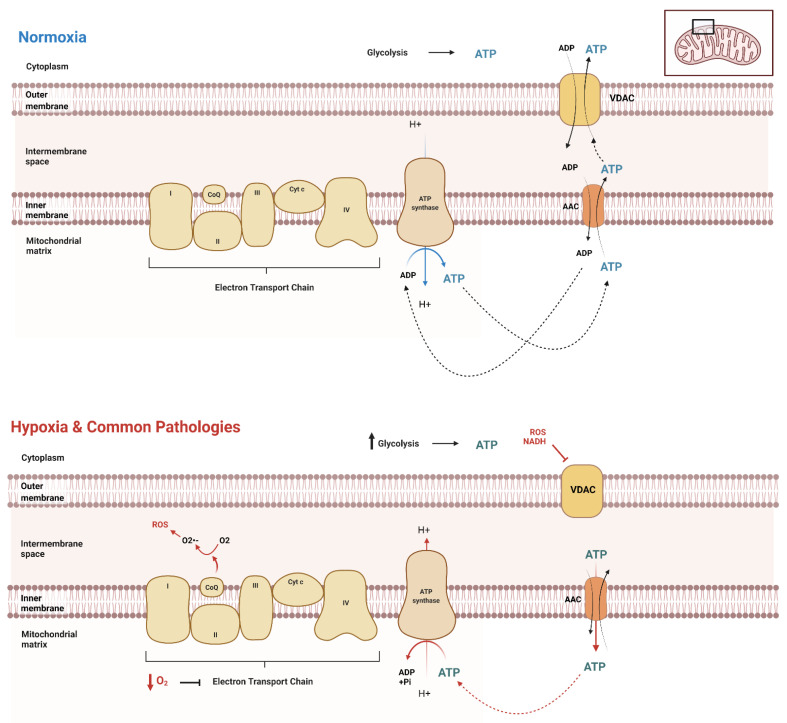
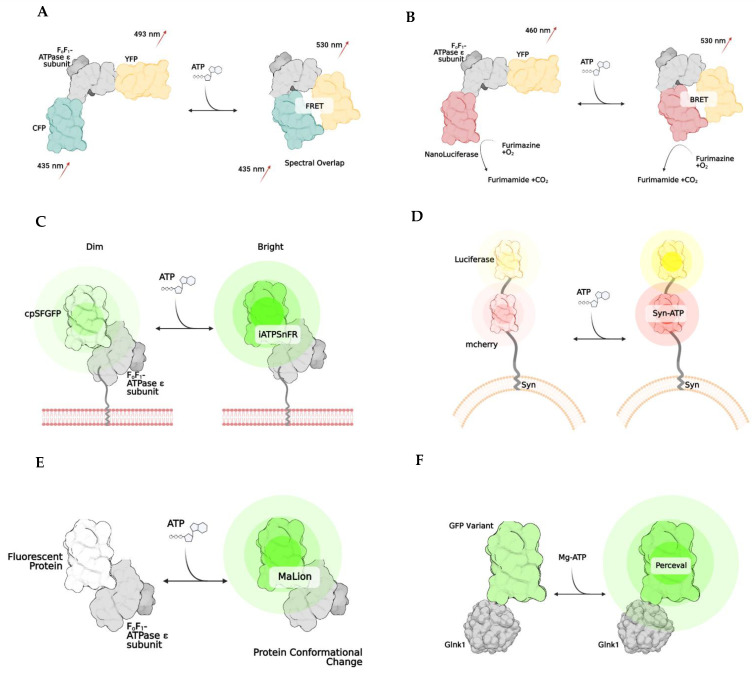
Adenosine 5'-triphosphate, or ATP, is the primary molecule for storing and transferring energy in cells. ATP is mainly produced via oxidative phosphorylation in mitochondria, and to a lesser extent, via glycolysis in the cytosol. In general, cytosolic glycolysis is the primary ATP producer in proliferative cells or cells subjected to hypoxia. On the other hand, mitochondria produce over 90% of cellular ATP in differentiated cells under normoxic conditions. Under pathological conditions, ATP demand rises to meet the needs of biosynthesis for cellular repair, signaling transduction for stress responses, and biochemical processes. These changes affect how mitochondria and cytosolic glycolysis function and communicate. Mitochondria undergo remodeling to adapt to the imbalanced demand and supply of ATP. Otherwise, a severe ATP deficit will impair cellular function and eventually cause cell death. It is suggested that ATP from different cellular compartments can dynamically communicate and coordinate to adapt to the needs in each cellular compartment. Thus, a better understanding of ATP dynamics is crucial to revealing the differences in cellular metabolic processes across various cell types and conditions. This requires innovative methodologies to record real-time spatiotemporal ATP changes in subcellular regions of living cells. Over the recent decades, numerous methods have been developed and utilized to accomplish this task. However, this is not an easy feat. This review evaluates innovative genetically encoded biosensors available for visualizing ATP in living cells, their potential use in the setting of human disease, and identifies where we could improve and expand our abilities.
三磷酸腺苷(adenosine 5'-triphosphate,ATP)是细胞内能量储存和转移的主要分子。ATP 主要通过线粒体中的氧化磷酸化产生,在细胞质中通过糖酵解产生的量较少。一般来说,在增殖细胞或缺氧细胞中,细胞质糖酵解是产生 ATP 的主要途径。另一方面,在正常氧条件下,分化细胞中的线粒体产生超过 90%的细胞内 ATP。在病理条件下,为了满足细胞修复的生物合成、应激反应的信号转导以及生化过程的需要,ATP 的需求会上升。这些变化会影响线粒体和细胞质糖酵解的功能和通讯。线粒体发生重塑以适应 ATP 的供需不平衡。否则,严重的 ATP 缺乏会损害细胞功能,最终导致细胞死亡。有研究表明,来自不同细胞区室的 ATP 可以动态地进行通讯和协调,以适应每个细胞区室的需求。因此,更好地了解 ATP 动力学对于揭示不同细胞类型和条件下细胞代谢过程的差异至关重要。这需要创新的方法来记录活细胞亚细胞区域内实时的 ATP 时空变化。在过去的几十年中,已经开发并利用了许多方法来完成这项任务。然而,这并非易事。本综述评估了可用于可视化活细胞内 ATP 的创新基因编码生物传感器,及其在人类疾病中的潜在应用,并确定了我们可以改进和扩展能力的地方。