Franco Carlos, Fente Cristina, Sánchez Cristina, Lamas Alexandre, Cepeda Alberto, Leis Rosaura, Regal Patricia
Department of Pediatrics, Medicine Faculty, Santiago de Compostela University, 15705 Santiago de Compostela, Spain.
Department of Analytical Chemistry, Nutrition and Bromatology, Santiago de Compostela University, 27002 Lugo, Spain.
Foods. 2022 Jun 17;11(12):1783. doi: 10.3390/foods11121783.
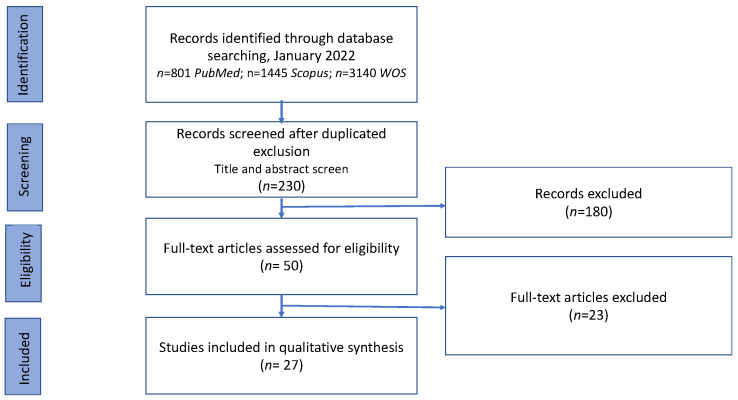
The functionality of breast milk in terms of immunity is well-known. Despite this, a significant proportion of breastfed infants exhibit sensitization to different potentially allergenic proteins and clinical reactivity (including anaphylaxis) early in life and before the introduction of complementary feeding for the first time. The potential induction of early oral tolerance to overcome early allergic sensitization through exposure to allergens in breast milk also remains controversial and not yet well-established. The objective of this scoping review is to provide a critical appraisal of knowledge about the content of cow's milk antigens in human milk. The amount of dietary derived milk antigens found in human milk and the analytical methodologies used to detect and quantify these antigens, the allergic status of the mother, the stage of lactation, the time of sampling (before or after ingestion of food), and the impact of human milk allergen on the infant were the outcomes that were assessed. Allergy risk was explored in all reviewed studies and could help to better elucidate its role in the context of allergic disease development. According to the included literature, we can conclude that there are mainly fragments derived from bovine proteins in human milk, and the presence of potentially allergenic molecules is greater in the milk of mothers with an allergic tendency. A clear relationship between maternal diet and allergen content in breast milk could not be firmly concluded though. Also, infants receiving milk from human milk banks, where donor milk is pasteurized for preservation, may be subject to greater risk of allergy development, especially for β-lactoglobulin.
母乳在免疫方面的功能是众所周知的。尽管如此,仍有相当比例的母乳喂养婴儿在生命早期且在首次引入辅食之前,就对不同的潜在致敏蛋白表现出致敏反应以及临床反应(包括过敏反应)。通过接触母乳中的过敏原诱导早期口服耐受以克服早期过敏致敏的可能性也仍存在争议,尚未得到充分证实。本范围综述的目的是对关于人乳中牛奶抗原含量的知识进行批判性评估。评估的结果包括人乳中发现的膳食来源的牛奶抗原量、用于检测和定量这些抗原的分析方法、母亲的过敏状态、泌乳阶段、采样时间(进食前或进食后)以及人乳过敏原对婴儿的影响。在所有综述研究中都探讨了过敏风险,这有助于更好地阐明其在过敏性疾病发展背景下的作用。根据纳入文献,可以得出结论,人乳中主要存在源自牛蛋白的片段,并且在有过敏倾向的母亲的乳汁中,潜在致敏分子的存在更多。不过,母亲饮食与母乳中过敏原含量之间的明确关系尚不能确凿得出。此外,接受母乳库母乳的婴儿,由于供体母乳经过巴氏杀菌以进行保存,可能面临更高的过敏发展风险,尤其是对于β-乳球蛋白。