Song Kechen, Tang Zhuang, Song Zhiling, Meng Shiyu, Yang Xiaoxue, Guo Hui, Zhu Yizhun, Wang Xiaolin
School of Pharmacy and State Key Laboratory of Quality Research in Chinese Medicines, Macau University of Science and Technology, Taipa 999078, Macau, China.
School of Chemical Engineering and Technology, Sun Yat-Sen University, Zhuhai 519082, China.
Pharmaceutics. 2022 Jun 14;14(6):1265. doi: 10.3390/pharmaceutics14061265.
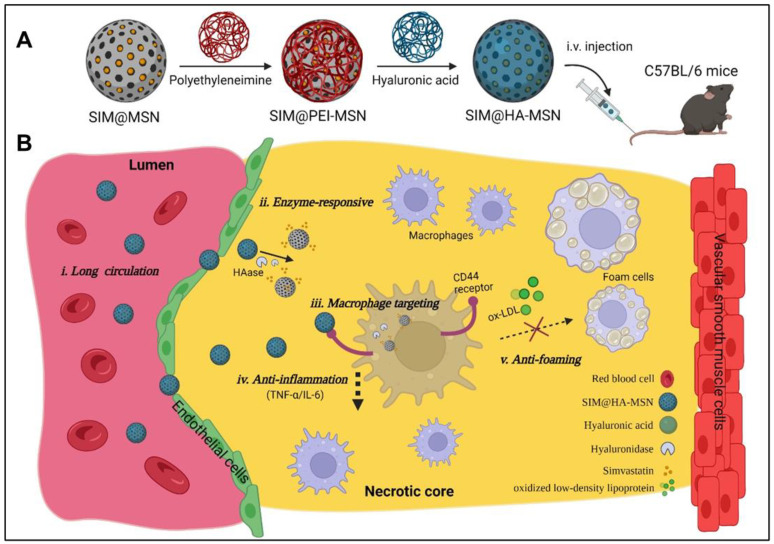
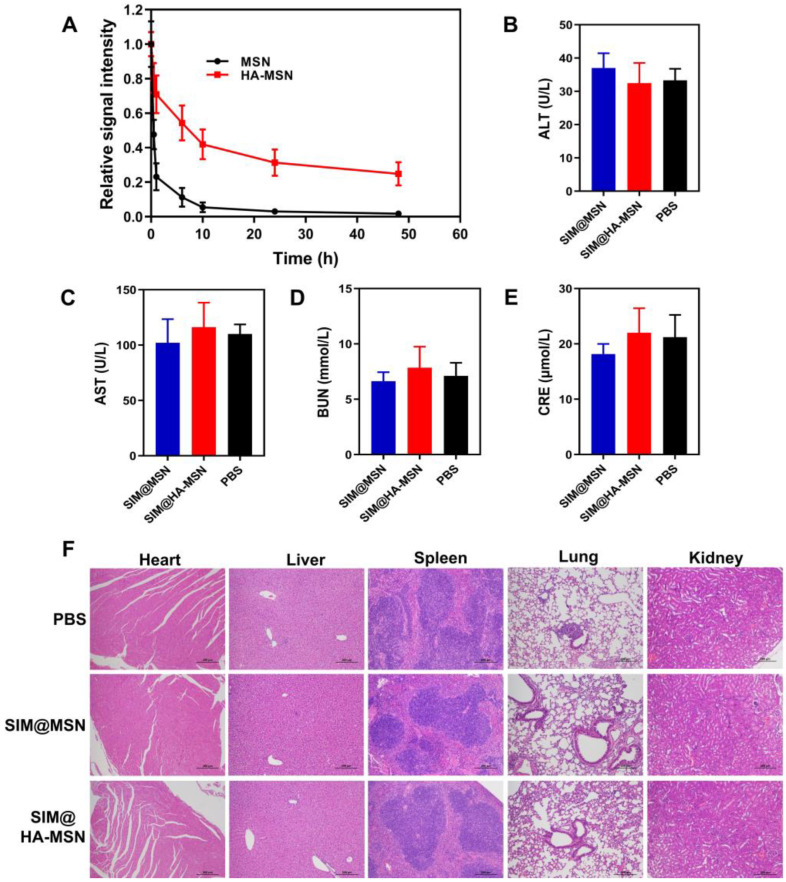
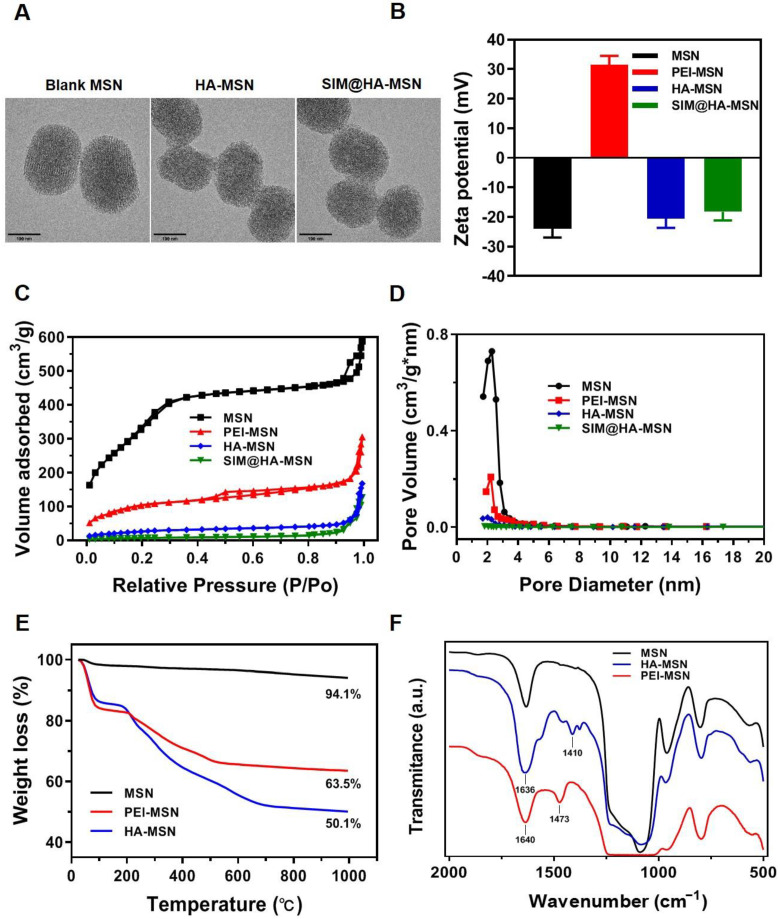
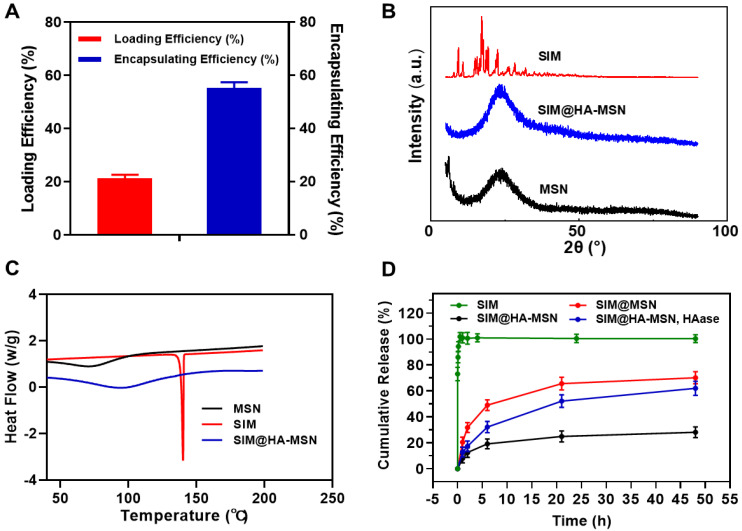
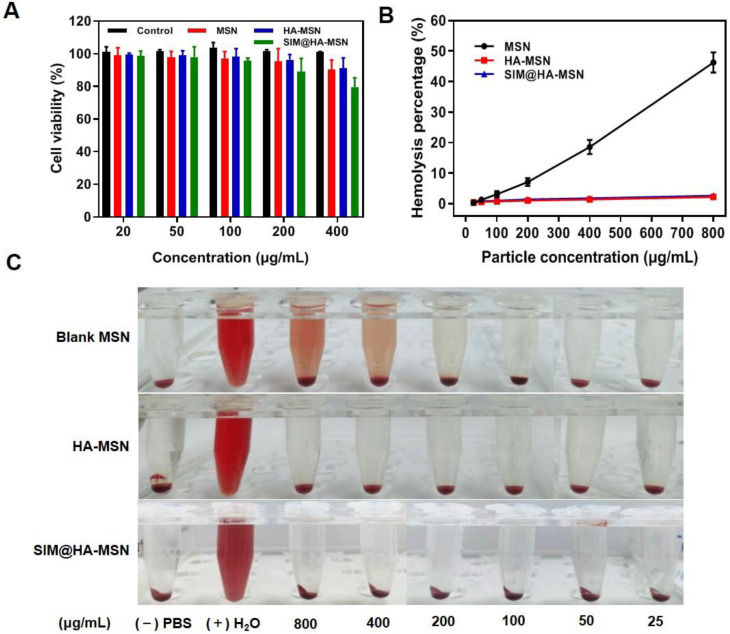
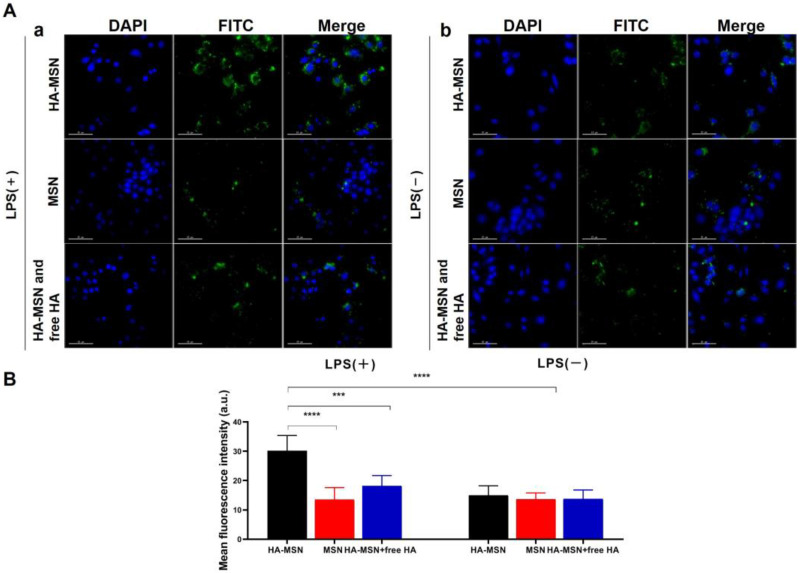
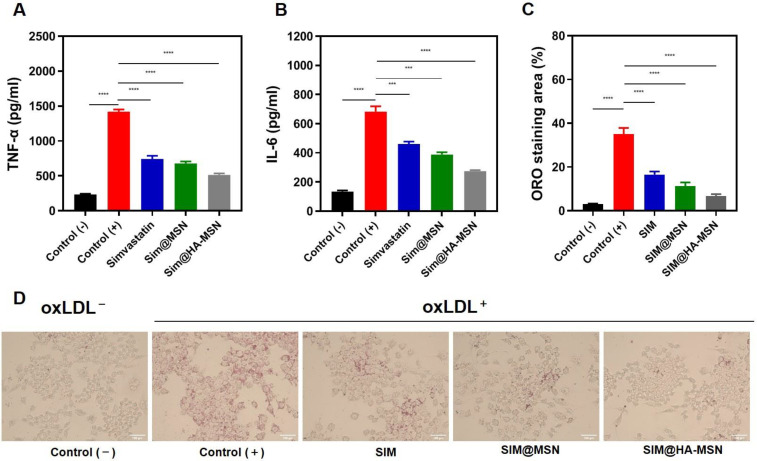
Atherosclerosis (AS) constitutes a major threat to human health, yet most current therapeutics are hindered in achieving desirable clinical outcomes by low bioavailability or serious side effects. Herein, we constructed an enzyme-responsive and macrophage-targeting drug delivery system (SIM@HA-MSN) which can potentially modulate the microenvironment of the atherosclerotic plaques characterized by excessive inflammation and overexpression of hyaluronidase (HAase) for precise AS treatment. More specifically, mesoporous silica nanoparticles (MSNs) were loaded with a lipid-lowering drug simvastatin (SIM) and further gated with hyaluronic acid (HA) coating, which endowed the nanosystem with HAase responsiveness and targetability to inflammatory macrophages. Our results showed that a high loading efficiency (>20%) and excellent enzyme-responsive release of SIM were simultaneously achieved for the first time by silica-based nanocarriers through formulation optimizations. Moreover, in vitro experiments confirmed that SIM@HA-MSN possessed robust targeting, anti-inflammatory, and anti-foaming effects, along with low cytotoxicity and excellent hemocompatibility. In addition, preliminary animal experiments demonstrated the as-established nanosystem had a long plasma-retention time and good biocompatibility in vivo. Taken together, SIM@HA-MSN with HA playing triple roles including gatekeeping, lesion-targeting, and long-circulating holds great potential for the management of atherosclerosis.
动脉粥样硬化(AS)是对人类健康的重大威胁,但目前大多数治疗方法因生物利用度低或副作用严重而难以取得理想的临床效果。在此,我们构建了一种酶响应性和巨噬细胞靶向性药物递送系统(SIM@HA-MSN),该系统有可能调节以过度炎症和透明质酸酶(HAase)过表达为特征的动脉粥样硬化斑块微环境,从而实现AS的精准治疗。更具体地说,介孔二氧化硅纳米颗粒(MSNs)负载了降脂药物辛伐他汀(SIM),并进一步用透明质酸(HA)涂层进行封闭,这赋予了纳米系统对HAase的响应性以及对炎症巨噬细胞的靶向性。我们的结果表明,通过配方优化,基于二氧化硅的纳米载体首次同时实现了SIM的高负载效率(>20%)和优异的酶响应性释放。此外,体外实验证实SIM@HA-MSN具有强大的靶向、抗炎和抗泡沫作用,同时细胞毒性低且血液相容性优异。另外,初步动物实验表明所构建的纳米系统在体内具有较长的血浆保留时间和良好的生物相容性。综上所述,具有HA三重作用(包括守门、病变靶向和长循环)的SIM@HA-MSN在动脉粥样硬化治疗方面具有巨大潜力。