de França Juliene Oliveira Campos, da Silva Valadares Deborah, Paiva Mateus Freitas, Dias Sílvia Cláudia Loureiro, Dias José Alves
Laboratório de Catálise, Instituto de Química, Campus Universitário Darcy Ribeiro-Asa Norte, Universidade de Brasília, Brasília 70910-900, Brazil.
Polymers (Basel). 2022 Jun 8;14(12):2317. doi: 10.3390/polym14122317.
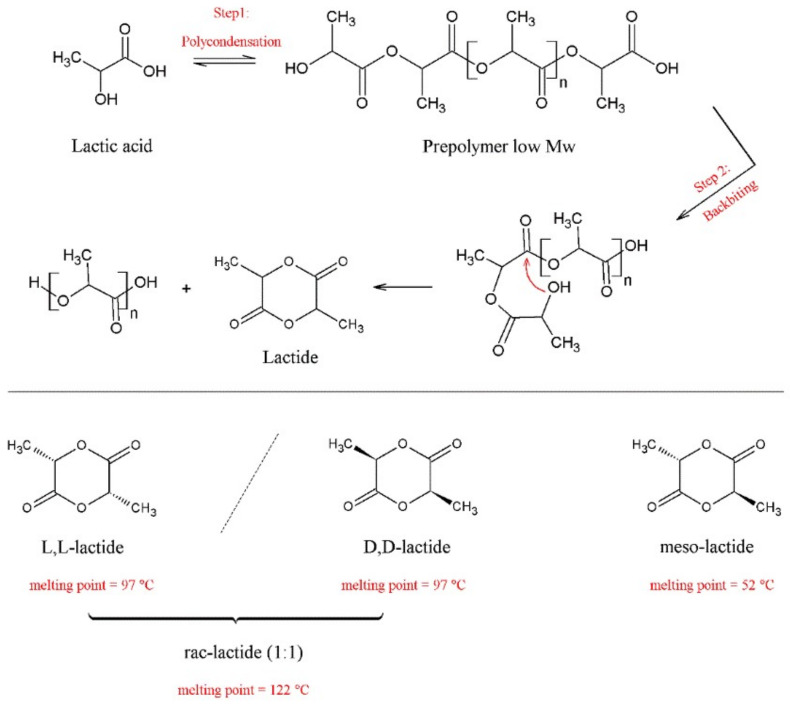
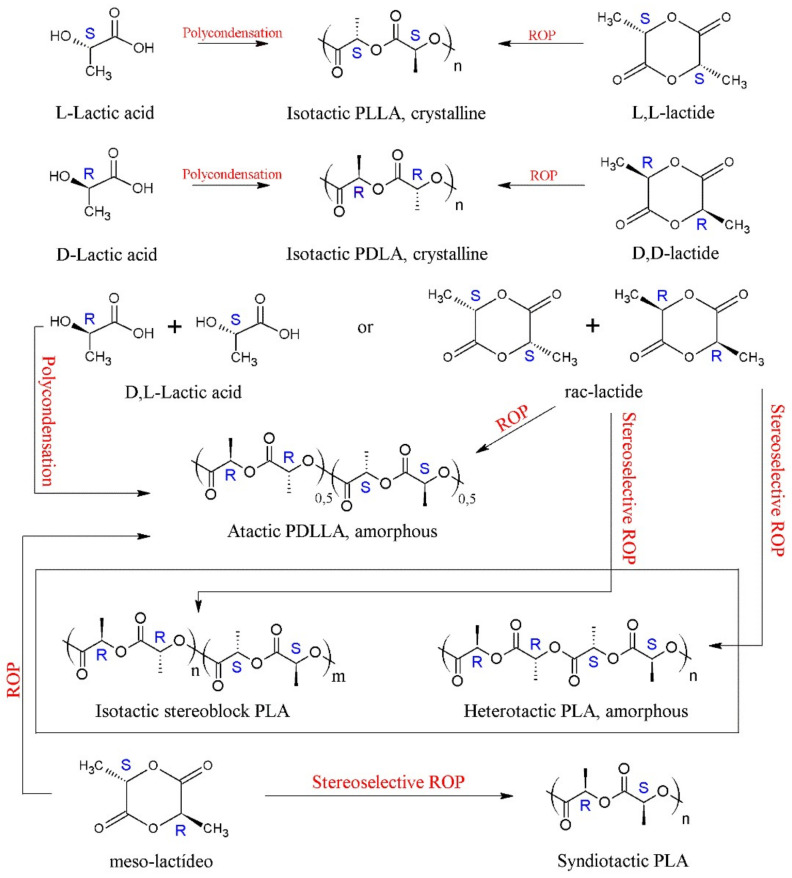
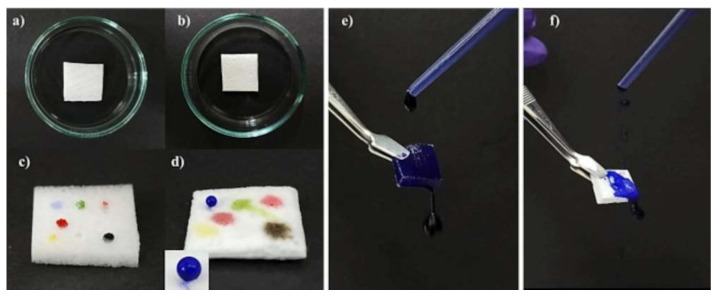
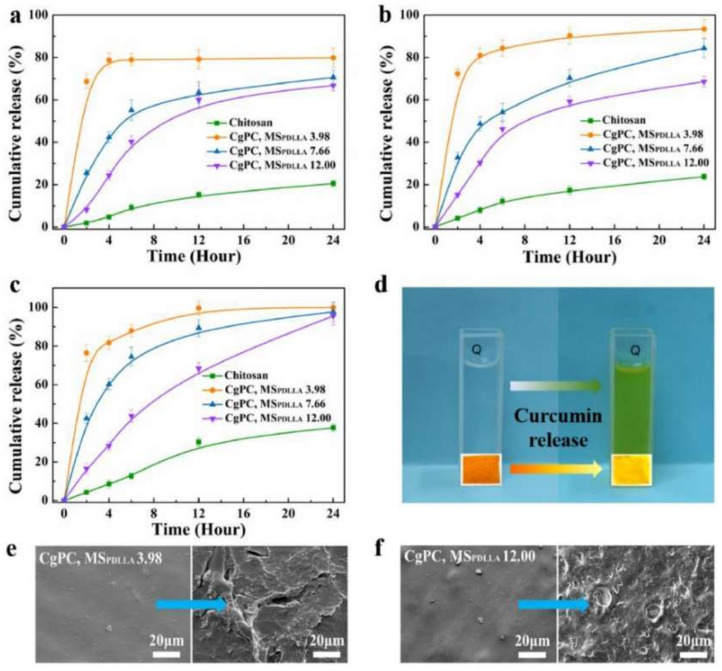
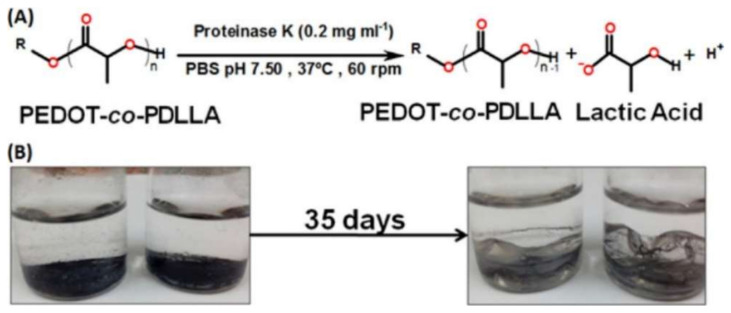
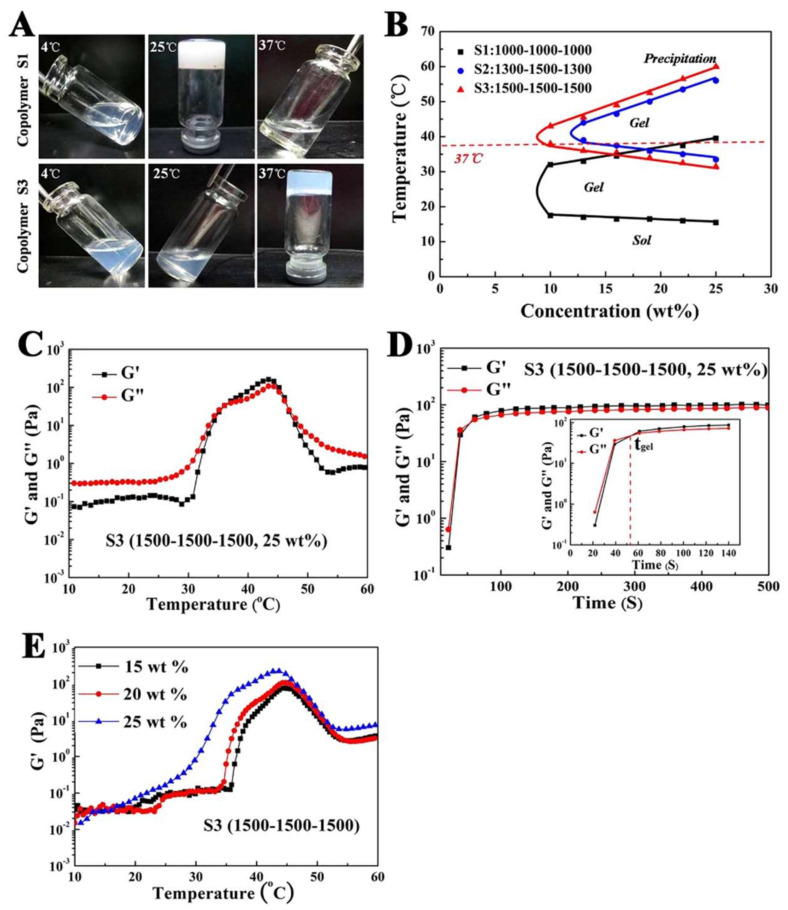
Poly(lactic acid) (PLA) is an important polymer that is based on renewable biomass resources. Because of environmental issues, more renewable sources for polymers synthesis have been sought for industrial purposes. In this sense, cheaper monomers should be used to facilitate better utilization of less valuable chemicals and therefore granting more sustainable processes. Some points are raised about the need to study the total degradability of any PLA, which may require specific composting conditions (e.g., temperature, type of microorganism, adequate humidity and aerobic environment). Polymerization processes to produce PLA are presented with an emphasis on D,L-lactic acid (or rac-lactide) as the reactant monomer. The syntheses involving homogeneous and heterogeneous catalytic processes to produce poly(D,L-Lactic acid) (PDLLA) are also addressed. Additionally, the production of blends, copolymers, and composites with PDLLA are also presented exemplifying different preparation methods. Some general applications of these materials mostly dedicated to the biomedical area over the last 10-15 years will be pointed out.
聚乳酸(PLA)是一种基于可再生生物质资源的重要聚合物。由于环境问题,出于工业目的,人们一直在寻找更多用于聚合物合成的可再生资源。从这个意义上说,应使用更便宜的单体,以便更好地利用价值较低的化学品,从而实现更可持续的工艺。关于研究任何聚乳酸的完全可降解性的必要性,提出了一些要点,这可能需要特定的堆肥条件(例如温度、微生物类型、适当的湿度和有氧环境)。介绍了生产聚乳酸的聚合过程,重点是将D,L-乳酸(或外消旋丙交酯)作为反应单体。还讨论了涉及均相和非均相催化过程以生产聚(D,L-乳酸)(PDLLA)的合成方法。此外,还介绍了与PDLLA的共混物、共聚物和复合材料的生产,并举例说明了不同的制备方法。将指出这些材料在过去10至15年中主要用于生物医学领域的一些一般应用。