Carbonnelle Caroline, Moroso Marie, Pannetier Delphine, Godard Sabine, Mély Stéphane, Thomas Damien, Duthey Aurélie, Jourjon Ophélie, Lacroix Orianne, Labrosse Béatrice, Raoul Hervé, Osman Karen L, Salguero Francisco J, Hall Yper, Sabourin Carol L, Merchlinsky Michael J, Long James P, Parish Lindsay A, Wolfe Daniel N
Inserm, Laboratoire P4 Jean Mérieux, 69007 Lyon, France.
Evotec Id, 69007 Lyon, France.
Vaccines (Basel). 2022 Jun 16;10(6):963. doi: 10.3390/vaccines10060963.
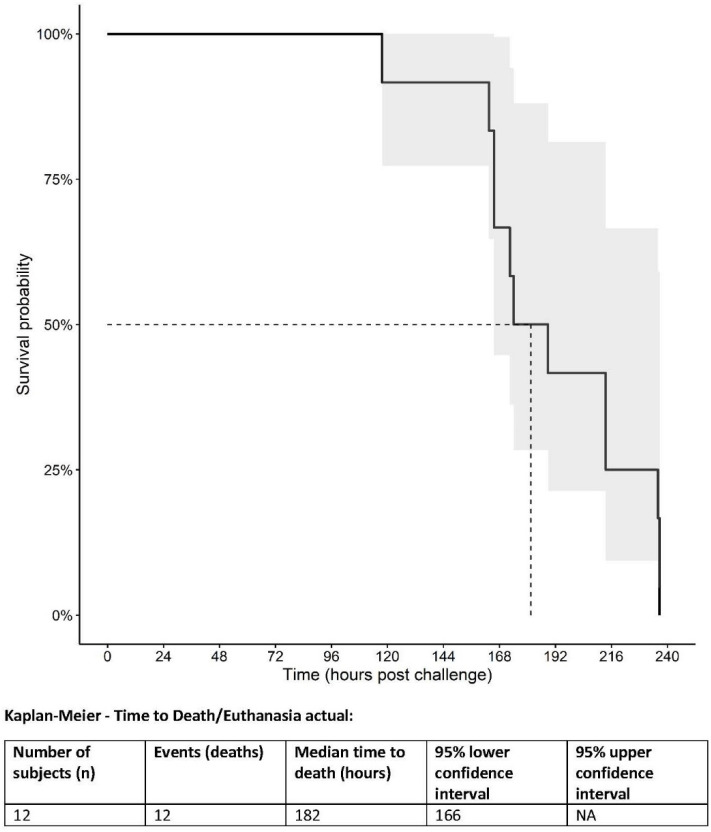
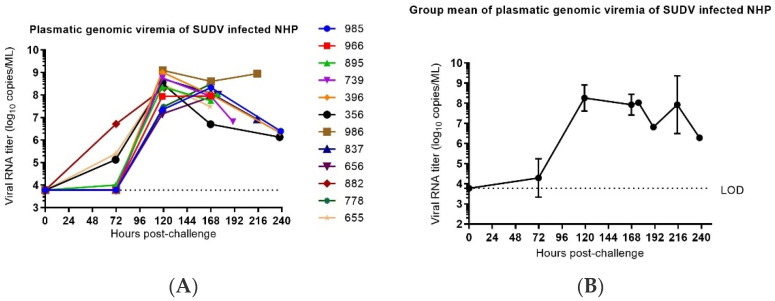
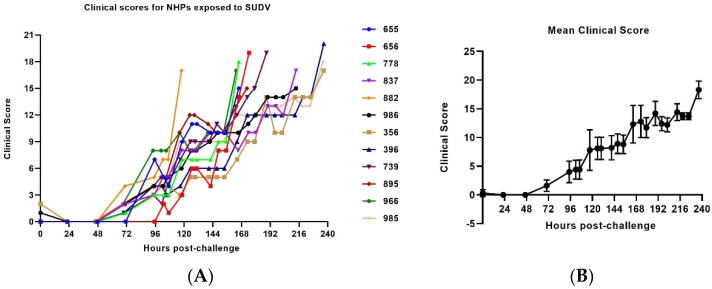
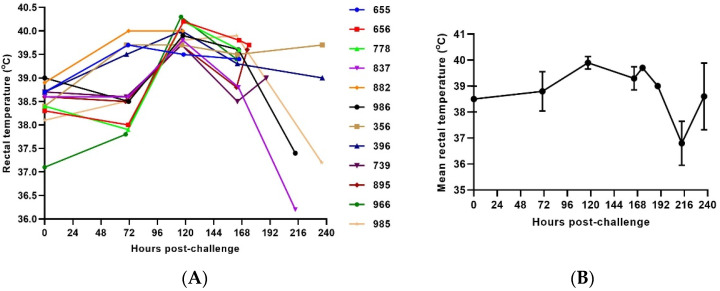
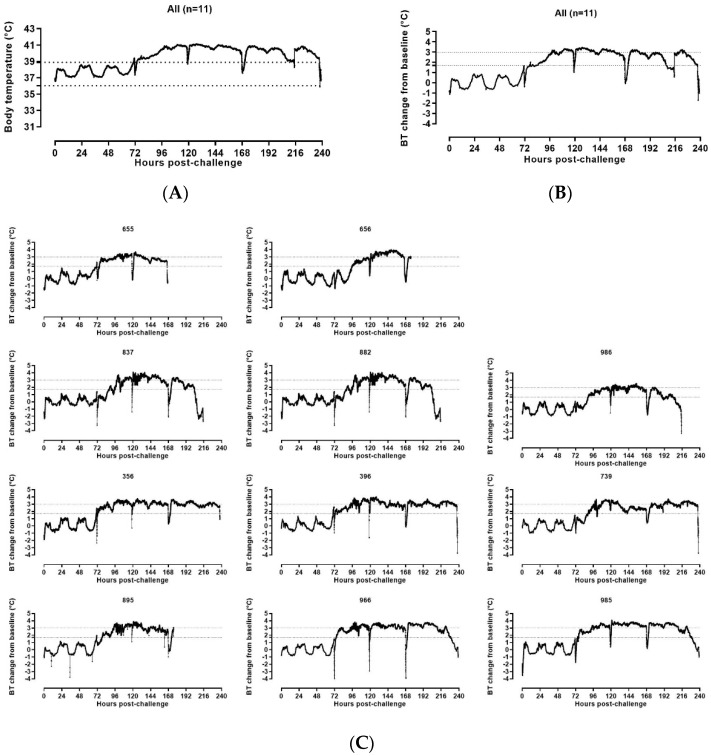
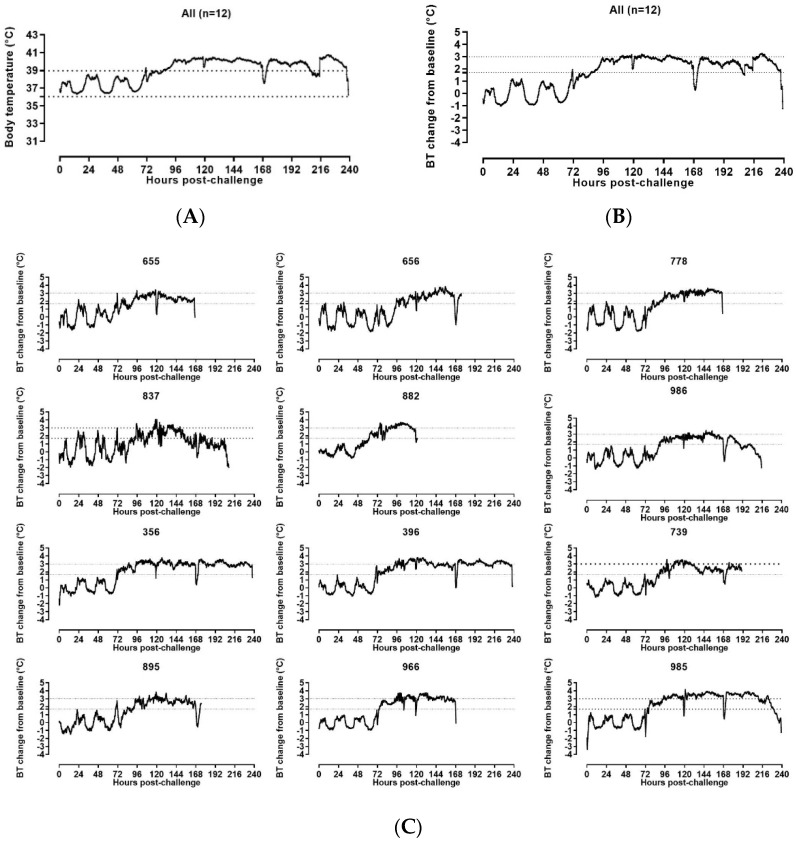
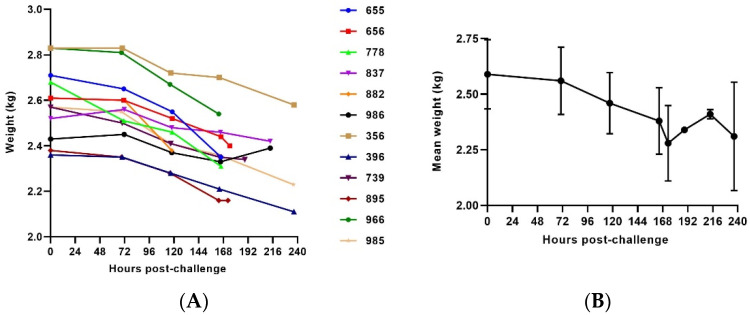
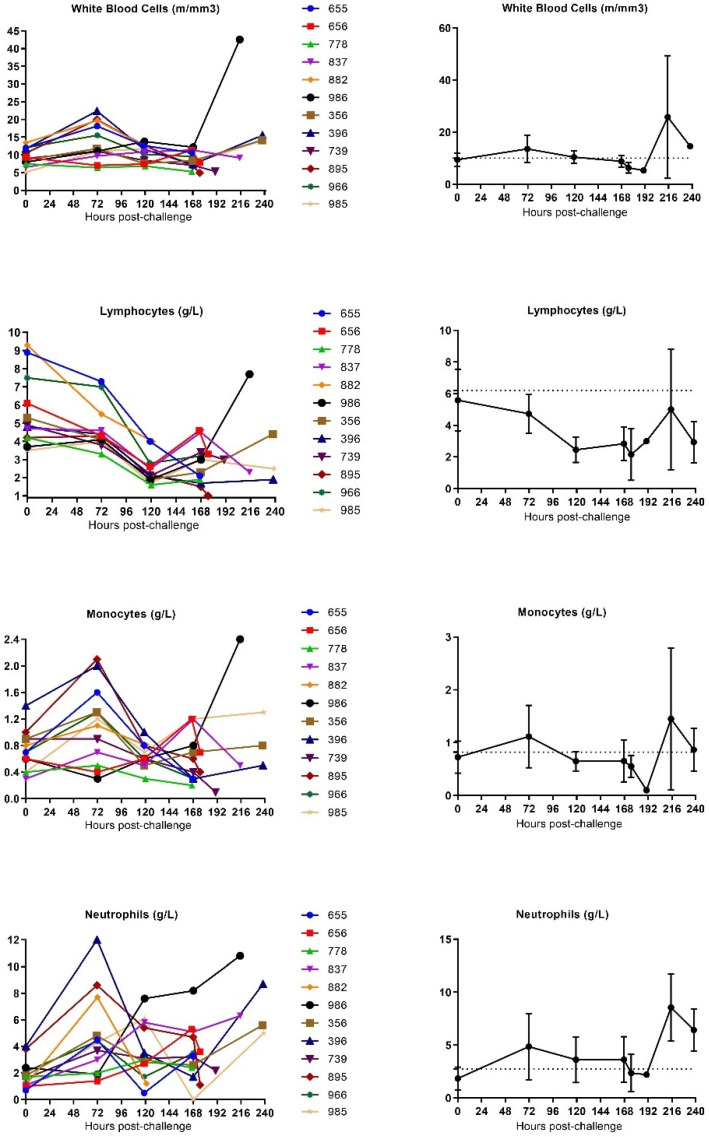
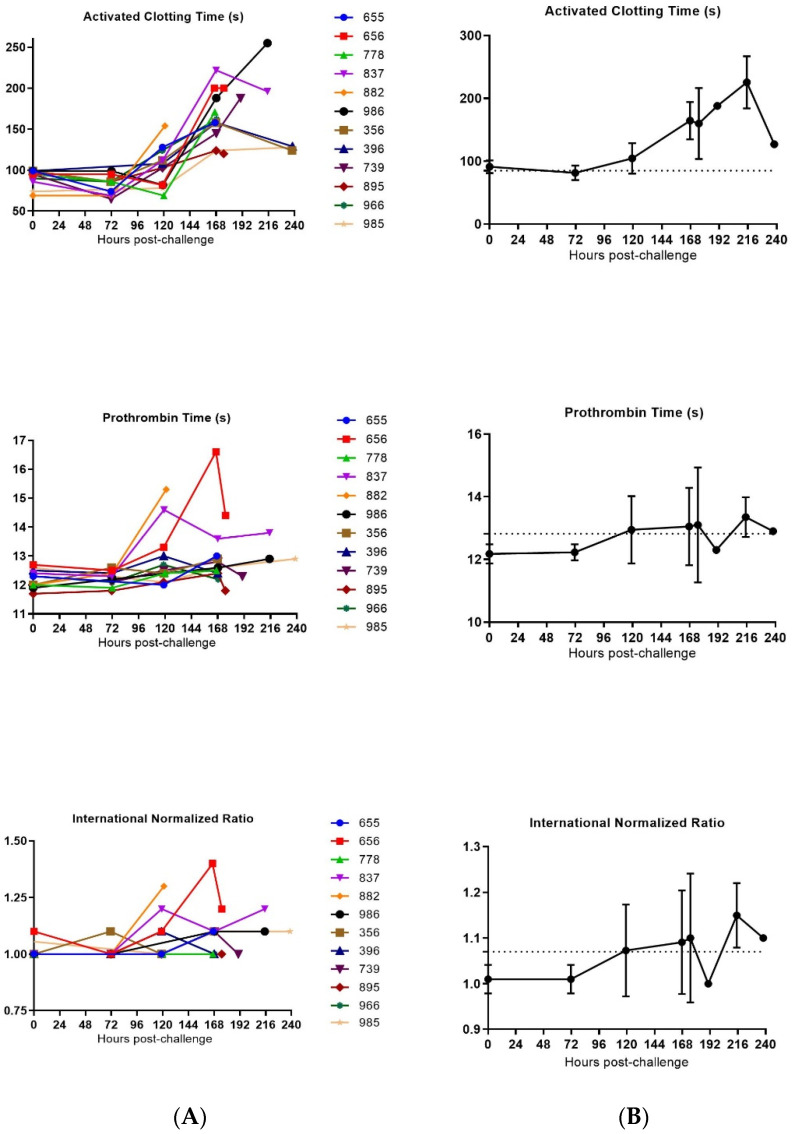
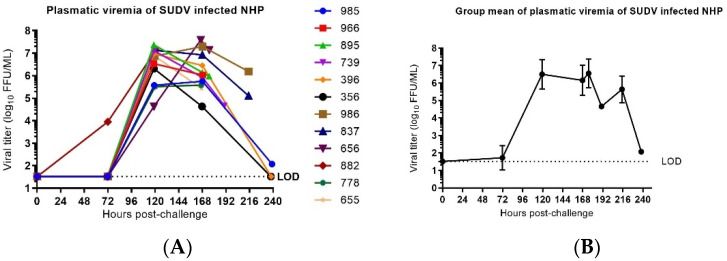
(SUDV) is one of four members of the genus known to cause Ebola Virus Disease (EVD) in humans, which is characterized by hemorrhagic fever and a high case fatality rate. While licensed therapeutics and vaccines are available in limited number to treat infections of Zaire ebolavirus, there are currently no effective licensed vaccines or therapeutics for SUDV. A well-characterized animal model of this disease is needed for the further development and testing of vaccines and therapeutics. In this study, twelve cynomolgus macaques () were challenged intramuscularly with 1000 PFUs of SUDV and were followed under continuous telemetric surveillance. Clinical observations, body weights, temperature, viremia, hematology, clinical chemistry, and coagulation were analyzed at timepoints throughout the study. Death from SUDV disease occurred between five and ten days after challenge at the point that each animal met the criteria for euthanasia. All animals were observed to exhibit clinical signs and lesions similar to those observed in human cases which included: viremia, fever, dehydration, reduced physical activity, macular skin rash, systemic inflammation, coagulopathy, lymphoid depletion, renal tubular necrosis, hepatocellular degeneration and necrosis. The results from this study will facilitate the future preclinical development and evaluation of vaccines and therapeutics for SUDV.
苏丹埃博拉病毒(SUDV)是已知能导致人类埃博拉病毒病(EVD)的四种病毒属成员之一,该病以出血热和高病死率为特征。虽然有数量有限的已获许可的治疗药物和疫苗可用于治疗扎伊尔埃博拉病毒感染,但目前尚无针对苏丹埃博拉病毒的有效已获许可的疫苗或治疗药物。需要一种特征明确的该疾病动物模型来进一步开发和测试疫苗及治疗药物。在本研究中,12只食蟹猴通过肌肉注射1000个噬斑形成单位(PFU)的苏丹埃博拉病毒进行攻毒,并在持续遥测监测下进行跟踪。在整个研究过程中的各个时间点对临床观察、体重、体温、病毒血症、血液学、临床化学和凝血情况进行了分析。苏丹埃博拉病毒病导致的死亡发生在攻毒后5至10天,此时每只动物均符合安乐死标准。观察到所有动物均表现出与人类病例中观察到的类似临床症状和病变,包括:病毒血症、发热、脱水、身体活动减少、斑丘疹、全身炎症、凝血病、淋巴细胞耗竭、肾小管坏死、肝细胞变性和坏死。本研究结果将有助于未来针对苏丹埃博拉病毒的疫苗和治疗药物的临床前开发和评估。