
水提物辅助合成的植物源氧化锌纳米粒子的抗抑郁、细胞毒性活性及表征
Affective Antidepressant, Cytotoxic Activities, and Characterization of Phyto-Assisted Zinc Oxide Nanoparticles Synthesized Using Aqueous Extract.
机构信息
Department of Chemistry, Kohat University of Science & Technology (KUST), Kohat, Pakistan.
Biochemistry Department, Khyber Medical University Institute of Medical Sciences, Kohat, Pakistan.
出版信息
Biomed Res Int. 2022 Jun 16;2022:1621372. doi: 10.1155/2022/1621372. eCollection 2022.
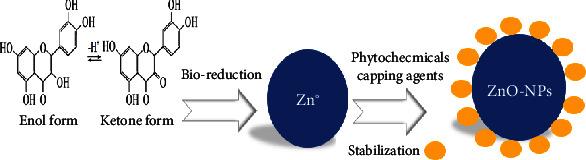
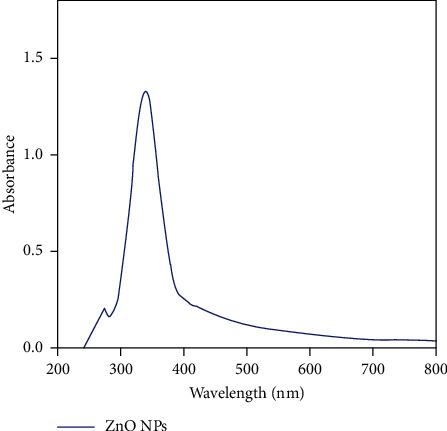
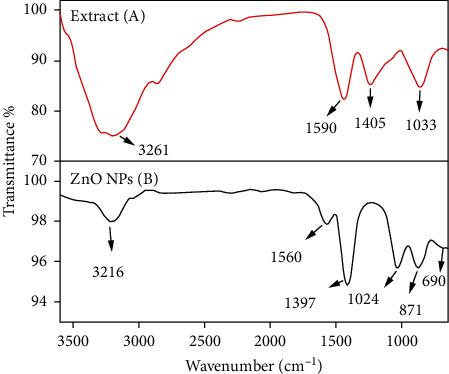
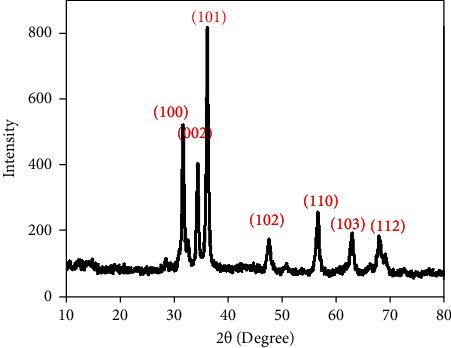
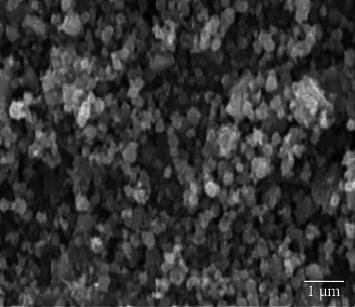
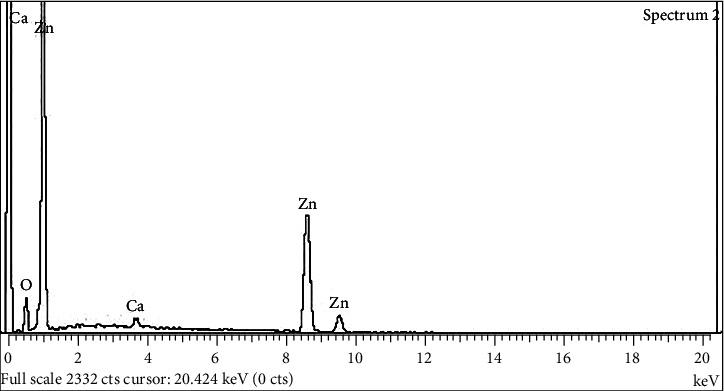
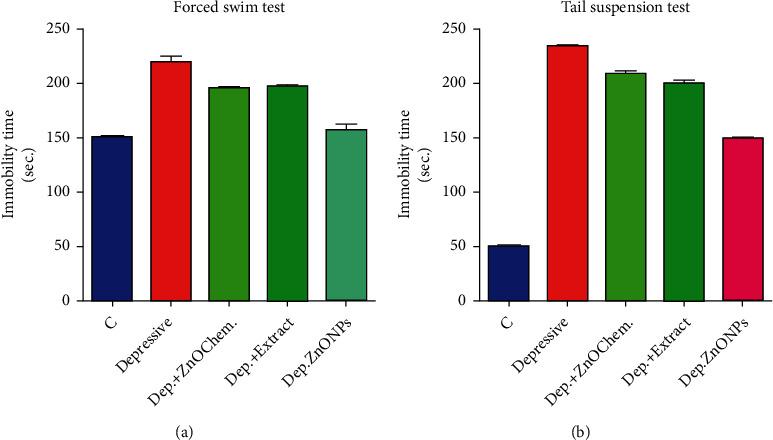
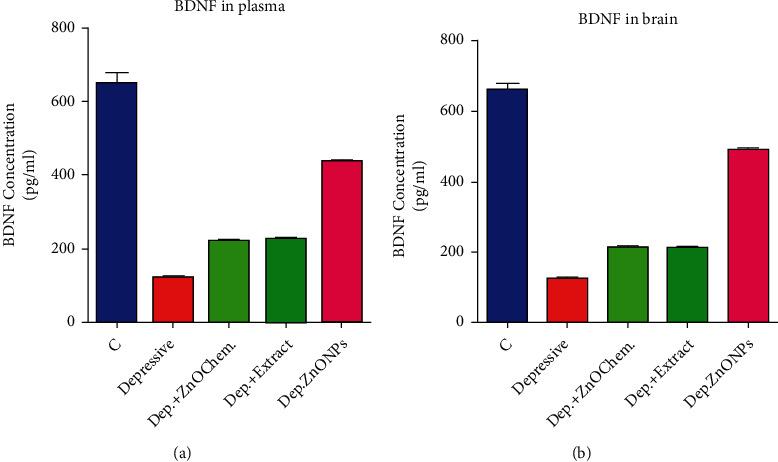
Green synthesis of nanoparticles has emerged as an effective and environmentally friendly method. Therefore, the current investigation is based on the green synthesis of zinc oxide nanoparticles (ZnO-NPs) using plant extract of () that act as a capping and reducing agent. is a fast-growing shrub and densely available plant and may have potential to synthesize ZnO-NPs. The synthesized ZnO-NPs were characterized by different techniques, including Fourier transform infrared spectroscopy (FT-IR), UV-visible (UV-Vis), energy-dispersive X-ray (EDX), X-ray diffraction (XRD), and scanning electron microscopy (SEM). The UV-Vis spectrum at 350 nm revealed an absorption peak for the synthesis of ZnO-NPs. In addition, photoactive biomolecules of the prepared ZnO-NPs were identified by using FT-IR spectroscopy. Furthermore, the spherical geometry of ZnO-NPs was evaluated by SEM images. The synthesized ZnO-NPs were also used to enhance the antidepressant activity and exhibited a remarkable reduction in the time of immobility in tail suspension tests (TST) and forced swim tests (FST), as well as increased the BDNF levels in the brain and plasma. ZnO-NPs have a low risk of biocompatibility (cell visibility) at a concentration of 7 g/mL or below. The nanoparticles were biologically compatible when the concentrations were increased up to 11 g/mL. It was concluded that ZnO-NPs were investigated as a possible carrier for antidepressant drug delivery into the brain, and their excellent cytotoxic activity was evaluated by using the MTT assay to determine their biocompatibility.
绿色合成纳米粒子已成为一种有效且环保的方法。因此,目前的研究基于使用植物提取物()绿色合成氧化锌纳米粒子(ZnO-NPs),该提取物作为一种封端和还原剂。 是一种快速生长的灌木和密集存在的植物,可能具有合成 ZnO-NPs 的潜力。合成的 ZnO-NPs 通过不同的技术进行了表征,包括傅里叶变换红外光谱(FT-IR)、紫外-可见(UV-Vis)、能谱(EDX)、X 射线衍射(XRD)和扫描电子显微镜(SEM)。在 350nm 处的 UV-Vis 光谱显示了合成 ZnO-NPs 的吸收峰。此外,通过使用傅里叶变换红外光谱(FT-IR)鉴定了制备的 ZnO-NPs 的光活性生物分子。此外,通过 SEM 图像评估了 ZnO-NPs 的球形几何形状。合成的 ZnO-NPs 还用于增强抗抑郁活性,并在尾部悬挂试验(TST)和强迫游泳试验(FST)中显著减少不动时间,以及增加大脑和血浆中的 BDNF 水平。在浓度为 7g/mL 或以下时,ZnO-NPs 的生物相容性(细胞可见度)风险较低。当浓度增加到 11g/mL 时,纳米粒子具有良好的生物相容性。结论是,将 ZnO-NPs 作为一种可能的载体,用于将抗抑郁药物递送到大脑中,并通过 MTT 测定法评估其细胞毒性活性来评估其生物相容性。
 Zotero 插件