State Key Laboratory for Managing Biotic and Chemical Threats to the Quality and Safety of Agro-products, Institute of Agro-product Safety and Nutrition, Zhejiang Academy of Agricultural Sciences, Hangzhou, China.
College of Biotechnology and Bioengineering, Zhejiang University of Technologygrid.469325.f, Hangzhou, China.
Microbiol Spectr. 2022 Aug 31;10(4):e0136822. doi: 10.1128/spectrum.01368-22. Epub 2022 Jun 28.
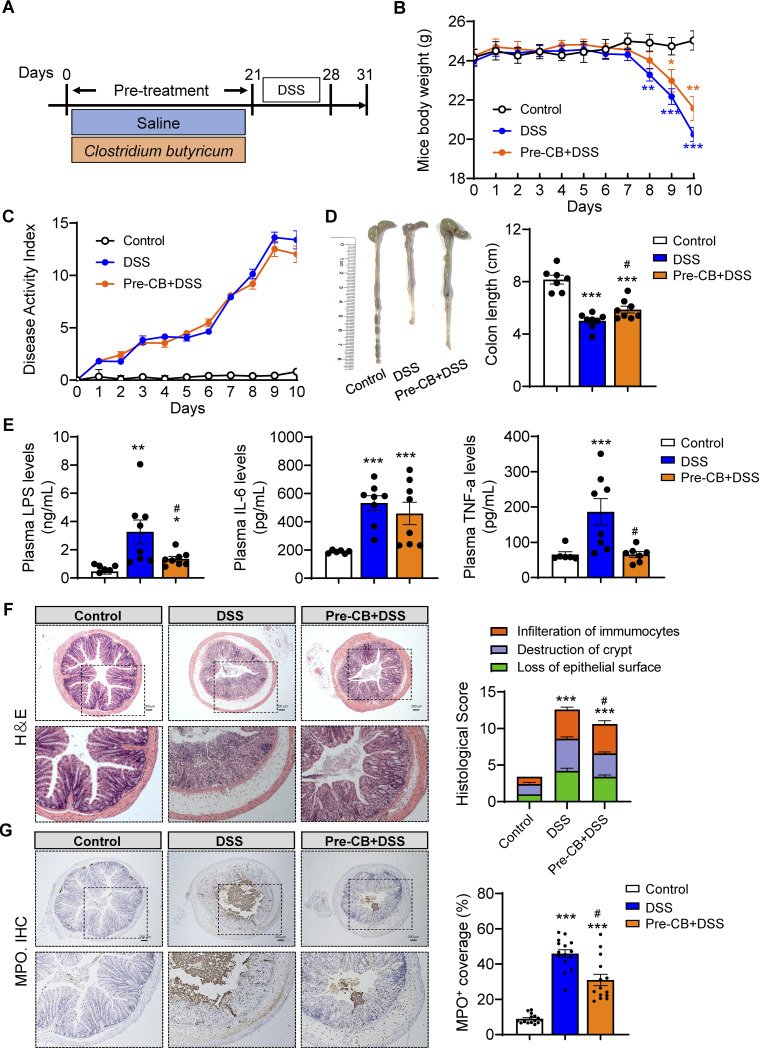
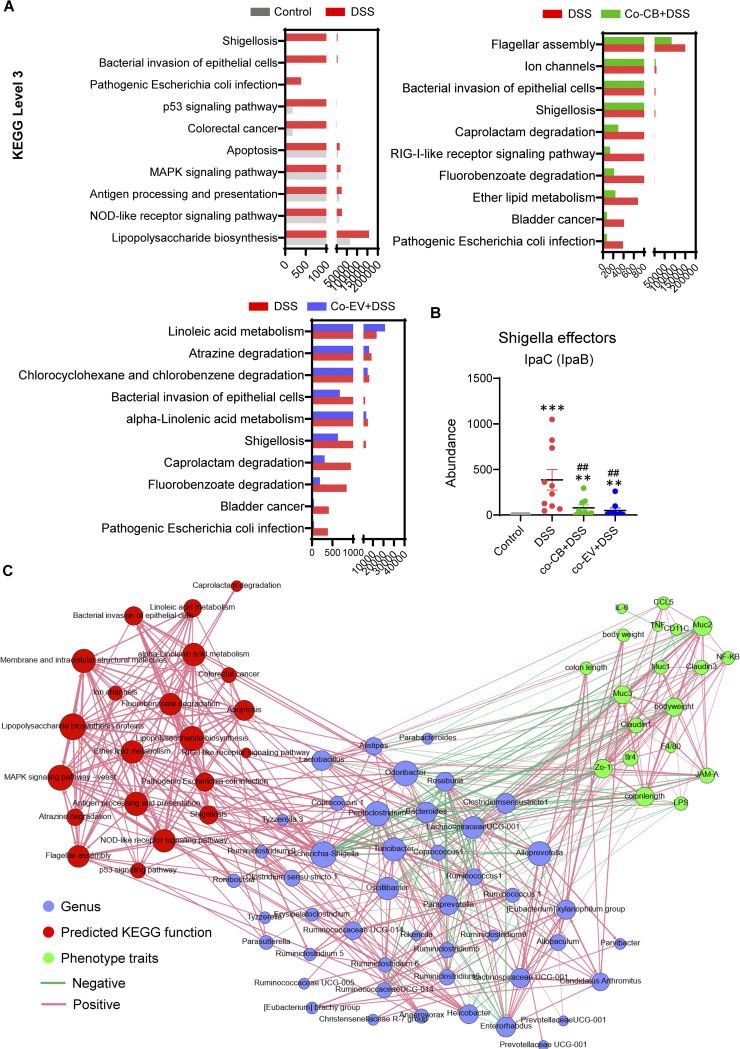
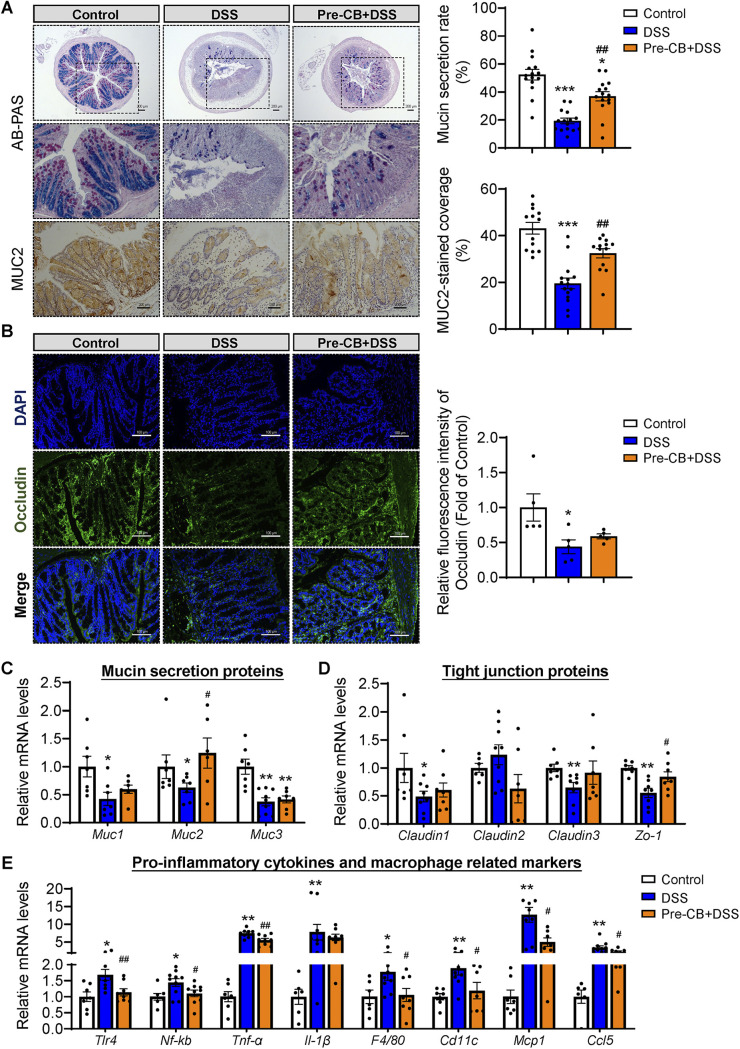
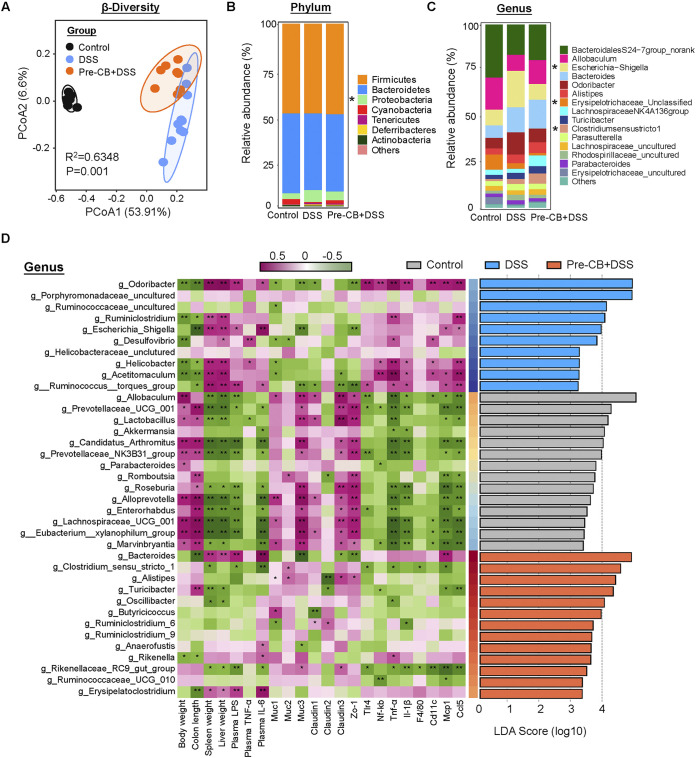
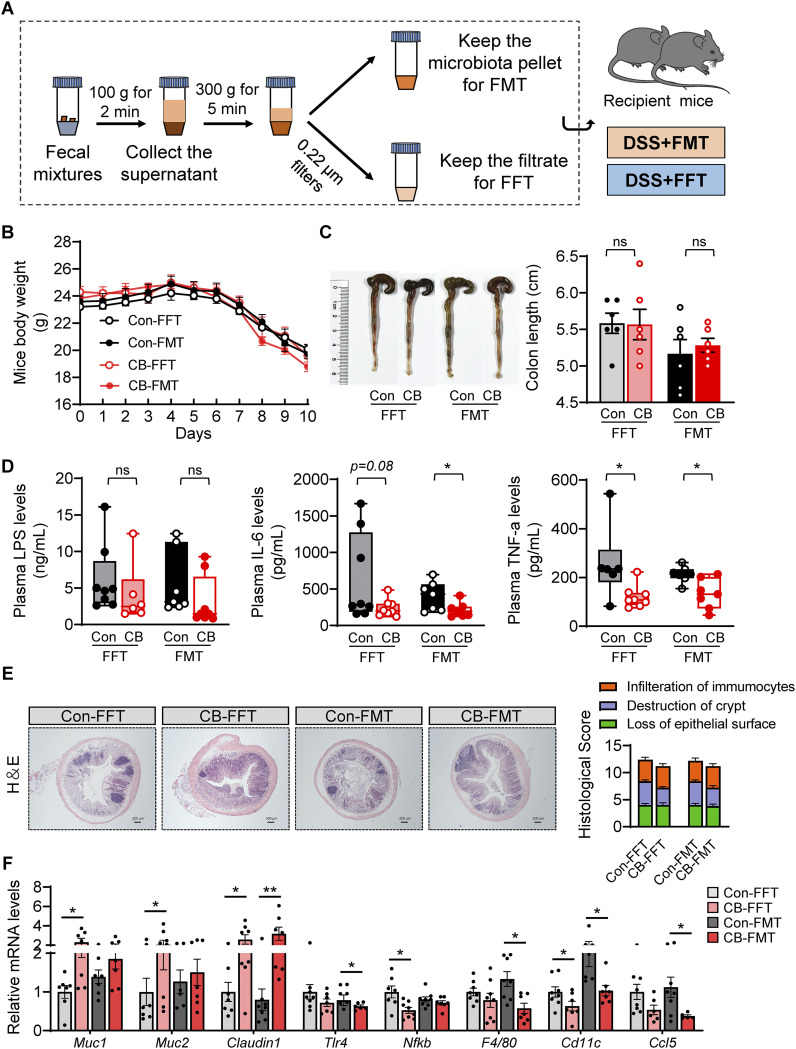
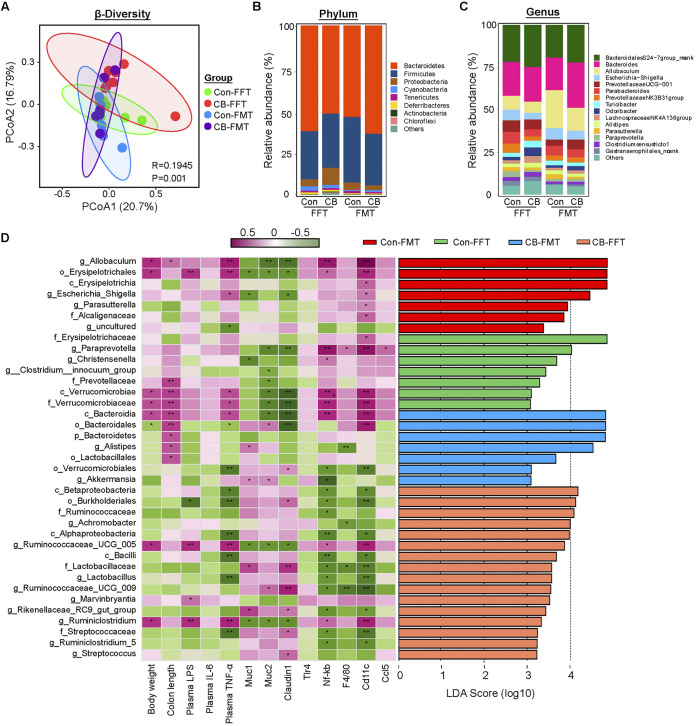
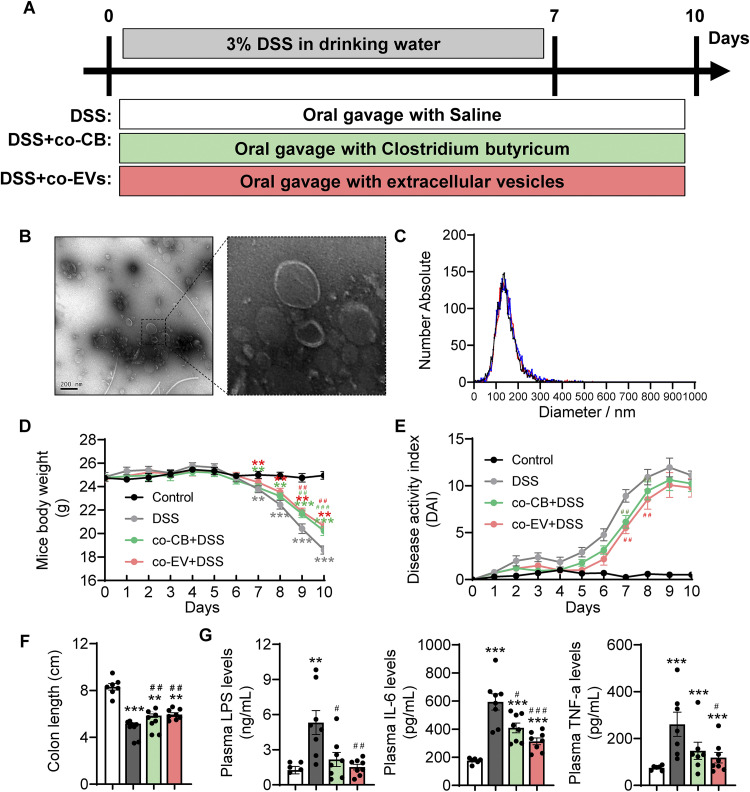
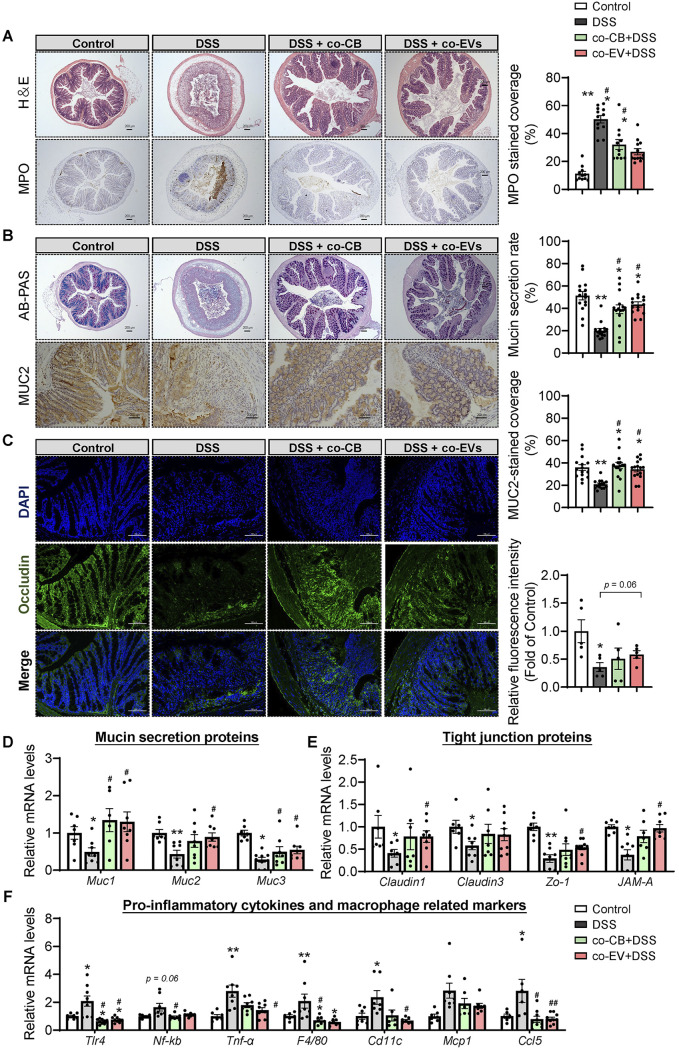
Microbiological treatments are expected to have a role in the future management of inflammatory bowel disease (IBD). Clostridium butyricum () is a probiotic microorganism that exhibits beneficial effects on various disease conditions. Although many studies have revealed that C. butyricum provides protective effects in mice with colitis, the way C. butyricum establishes beneficial results in the host remains unclear. In this study, we investigated the mechanisms by which C. butyricum modifies the gut microbiota, produces bacterial metabolites that may be involved, and, specifically, how microbial extracellular vesicles (EVs) positively influence IBD, using a dextran sulfate sodium (DSS)-induced colitis murine model in mice. First, we showed that C. butyricum provides a protective effect against colitis, as evidenced by the prevention of body weight loss, a reduction in the disease activity index (DAI) score, a shortened colon length, decreased histology score, and an improved gut barrier function, accompanied by reduced levels of pathogenic bacteria, including Escherichia/Shigella, and an increased relative abundance of butyrate-producing Clostridium sensu stricto-1 and . Second, we also confirmed that the gut microbiota and metabolites produced by C. butyricum played key roles in the attenuation of DSS-induced experimental colitis, as supported by the profound alleviation of colitis effects following fecal transplantation or fecal filtrate insertion supplied from C. butyricum-treated mice. Finally, C. butyricum-derived EVs protected the gut barrier function, improved gut microbiota homeostasis in ulcerative colitis, and contributed to overall colitis alleviation. This study indicated that C. butyricum provided a prevention effect against colitis mice, which involved protection of the intestinal barrier and positively regulating gut microbiota. Furthermore, we confirmed that the gut microbiota and metabolites that were induced by C. butyricum also contributed to the attenuation of DSS-induced colitis. Importantly, C. butyricum-derived EVs showed an effective impact in alleviating colitis.
微生物处理有望在未来的炎症性肠病 (IBD) 管理中发挥作用。丁酸梭菌 () 是一种益生菌微生物,对各种疾病状况均具有有益作用。尽管许多研究表明丁酸梭菌在结肠炎小鼠中提供了保护作用,但丁酸梭菌在宿主中建立有益效果的方式仍不清楚。在这项研究中,我们使用葡聚糖硫酸钠 (DSS) 诱导的结肠炎小鼠模型,研究了丁酸梭菌改变肠道微生物群的机制、产生可能涉及的细菌代谢产物,以及特别是微生物细胞外囊泡 (EVs) 如何积极影响 IBD。首先,我们表明丁酸梭菌对结肠炎提供了保护作用,这体现在预防体重减轻、降低疾病活动指数 (DAI) 评分、缩短结肠长度、降低组织学评分和改善肠道屏障功能,同时降低致病性细菌的水平,包括大肠杆菌/志贺氏菌,以及丁酸产生梭菌 sensu stricto-1 和 的相对丰度增加。其次,我们还证实,丁酸梭菌的肠道微生物群和代谢产物在减轻 DSS 诱导的实验性结肠炎中发挥了关键作用,这得到了来自丁酸梭菌处理小鼠的粪便移植或粪便滤液插入的深刻缓解结肠炎作用的支持。最后,丁酸梭菌衍生的 EVs 保护了肠道屏障功能,改善了溃疡性结肠炎中的肠道微生物群稳态,并有助于整体结肠炎缓解。本研究表明,丁酸梭菌对结肠炎小鼠提供了预防作用,涉及保护肠道屏障和积极调节肠道微生物群。此外,我们证实丁酸梭菌诱导的肠道微生物群和代谢产物也有助于减轻 DSS 诱导的结肠炎。重要的是,丁酸梭菌衍生的 EVs 在缓解结肠炎方面表现出有效作用。