Siigur Jüri, Siigur Ene
Laboratory of Environmental Toxicology, National Institute of Chemical Physics and Biophysics, Akadeemia Tee 23, 12618, Tallinn, Estonia.
Toxicon X. 2022 Jun 12;15:100131. doi: 10.1016/j.toxcx.2022.100131. eCollection 2022 Sep.
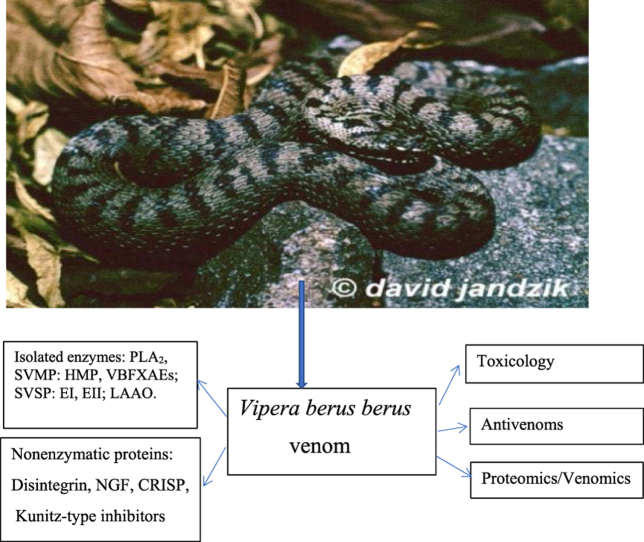
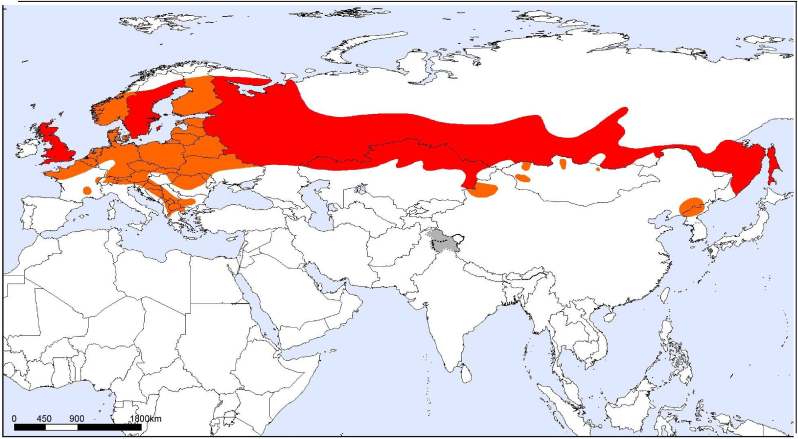
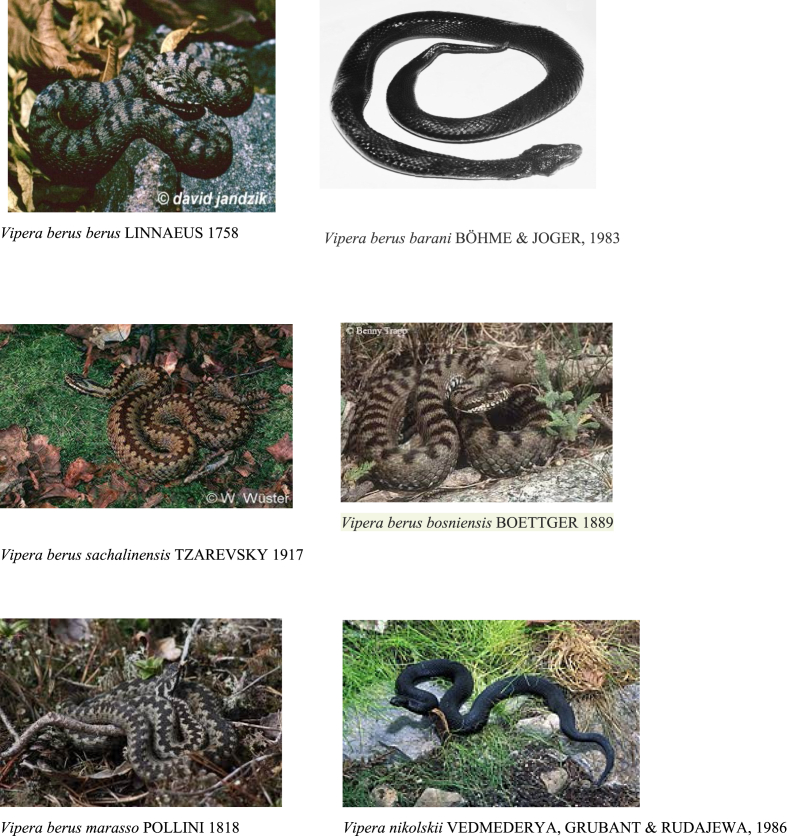
The isolation and characterization of individual snake venom components is important for a deeper understanding of the pathophysiology of envenomation and for improving the therapeutic procedures of patients. It also opens possibilities for the discovery of novel toxins that might be useful as tools for understanding cellular and molecular processes. The variable venom composition, toxicological and immunological properties of the common vipers () have been reviewed. The combination of venom gland transcriptomics, bottom-up and top-down proteomics enabled comparison of common viper venom proteomes from multiple individuals. venom contains proteins and peptides belonging to 10-15 toxin families: snake venom metalloproteinase, phospholipases A (PLA), snake venom serine proteinase, aspartic protease, L-amino acid oxidase (LAAO), hyaluronidase, 5'-nucleotidase, glutaminyl-peptide cyclotransferase, disintegrin, C-type lectin (snaclec), nerve growth factor, Kunitz type serine protease inhibitor, snake venom vascular endothelial growth factor, cysteine-rich secretory protein, bradykinin potentiating peptide, natriuretic peptides. PLA and LAAO from venom produce more pronounced cytotoxic effects in cancer cells than normal cells, via induction of apoptosis, cell cycle arrest and suppression of proliferation. Proteomic data of venoms from different parts of Russia and Slovakian Republic have been compared with analogous data for venom. Proteomic studies demonstrated quantitative differences in the composition of venom from different geographical regions. Differences in the venom composition of were mainly driven by the age, sex, habitat and diet of the snakes. The venom variability of results in a loss of antivenom efficacy against snakebites. The effectiveness of antibodies is discussed. This review presents an overview with a special focus on different toxins that have been isolated and characterized from the venoms of Their main biochemical properties and toxic actions are described.
分离和鉴定单个蛇毒成分对于更深入地了解蛇咬伤的病理生理学以及改进患者的治疗程序至关重要。这也为发现可能作为理解细胞和分子过程工具的新型毒素开辟了可能性。已对普通蝰蛇()的可变毒液成分、毒理学和免疫学特性进行了综述。毒液腺转录组学、自下而上和自上而下的蛋白质组学相结合,使得能够比较多个个体的普通蝰蛇毒液蛋白质组。毒液含有属于10 - 15个毒素家族的蛋白质和肽:蛇毒金属蛋白酶、磷脂酶A(PLA)、蛇毒丝氨酸蛋白酶、天冬氨酸蛋白酶、L - 氨基酸氧化酶(LAAO)、透明质酸酶、5'-核苷酸酶、谷氨酰胺基肽环转移酶、去整合素、C型凝集素(snaclec)、神经生长因子、库尼茨型丝氨酸蛋白酶抑制剂、蛇毒血管内皮生长因子、富含半胱氨酸的分泌蛋白、缓激肽增强肽、利钠肽。来自毒液的PLA和LAAO通过诱导凋亡、细胞周期停滞和抑制增殖,在癌细胞中产生比正常细胞更明显的细胞毒性作用。已将俄罗斯不同地区和斯洛伐克共和国的毒液蛋白质组学数据与毒液的类似数据进行了比较。蛋白质组学研究表明不同地理区域的毒液成分存在定量差异。毒液成分的差异主要由蛇的年龄、性别、栖息地和饮食驱动。毒液的变异性导致抗蛇毒血清对蛇咬伤的疗效丧失。讨论了抗体的有效性。本综述特别关注从毒液中分离和鉴定的不同毒素,对其主要生化特性和毒性作用进行了描述。