BrainPark, Turner Institute for Brain and Mental Health, School of Psychological Sciences and Monash Biomedical Imaging Facility, Monash University, 770 Blackburn RD, Clayton, VIC, 3168, Australia.
Movement and Exercise Neuroscience Laboratory, Turner Institute for Brain and Mental Health, School of Psychological Sciences and Monash Biomedical Imaging Facility, Monash University, Clayton, Australia.
Brain Imaging Behav. 2022 Oct;16(5):2402-2425. doi: 10.1007/s11682-022-00693-y. Epub 2022 Jun 30.
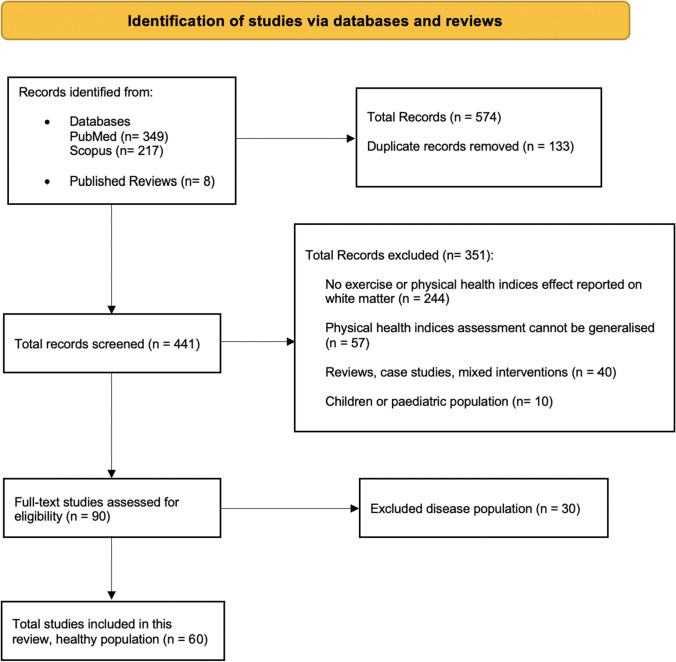
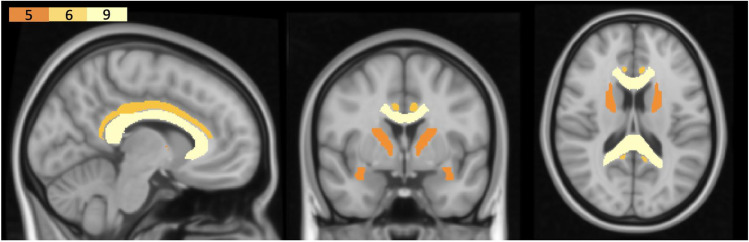
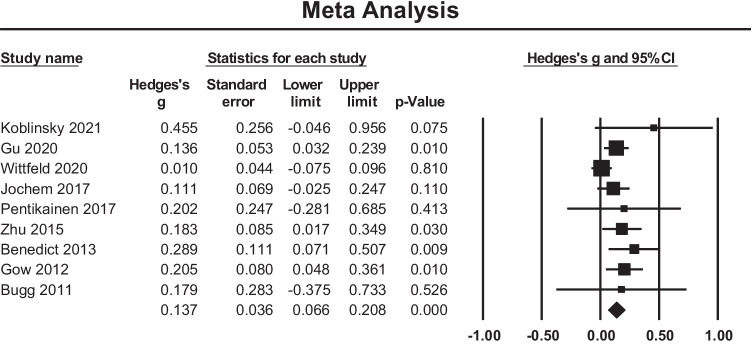
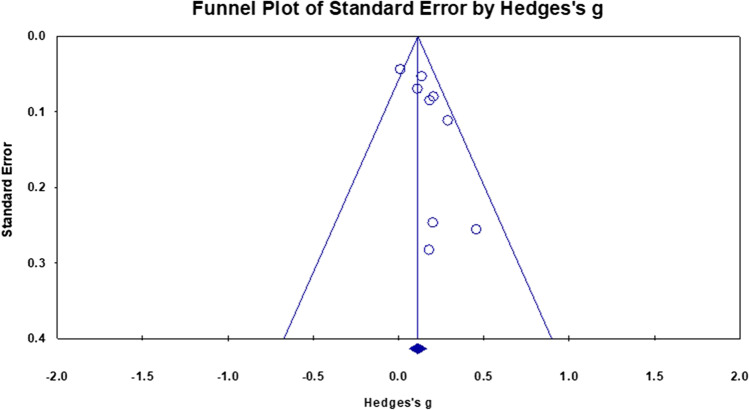
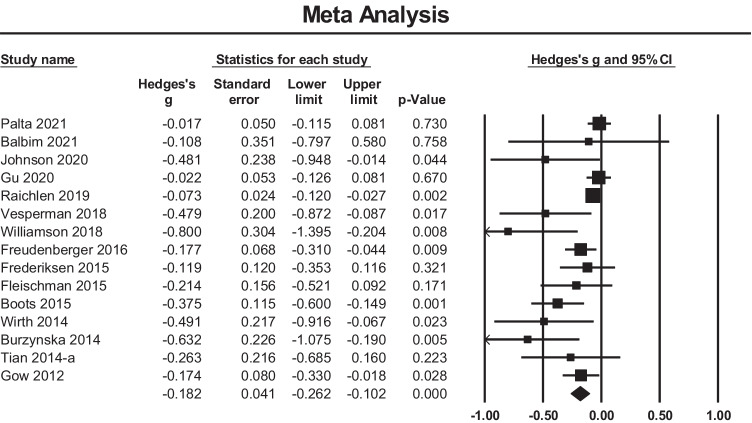
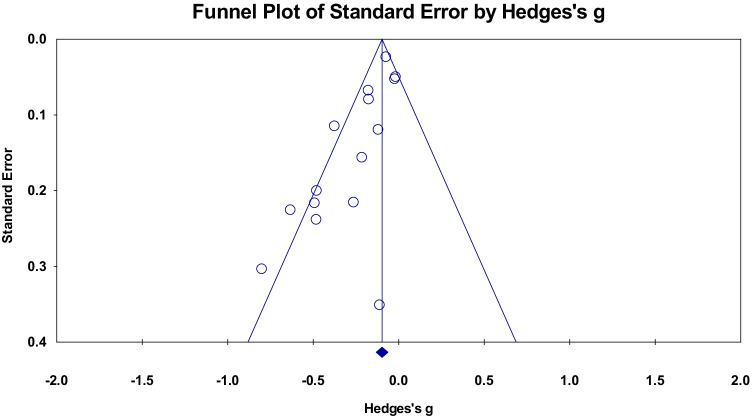
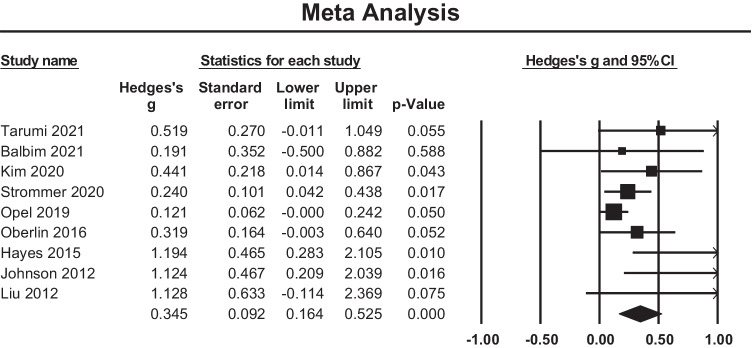
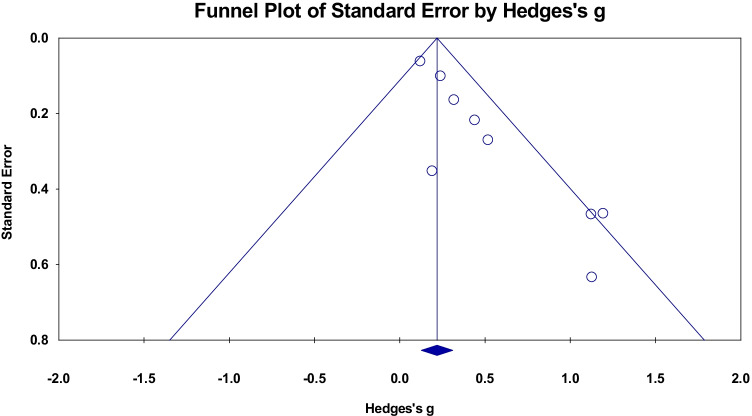
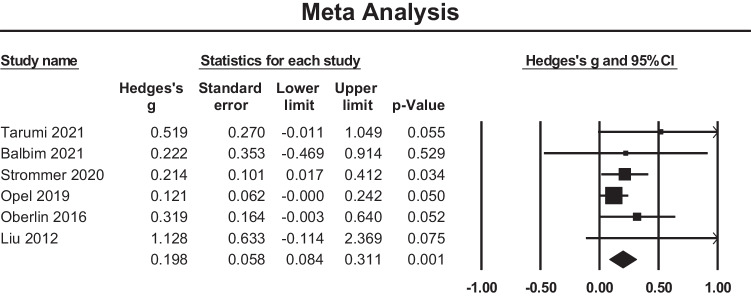
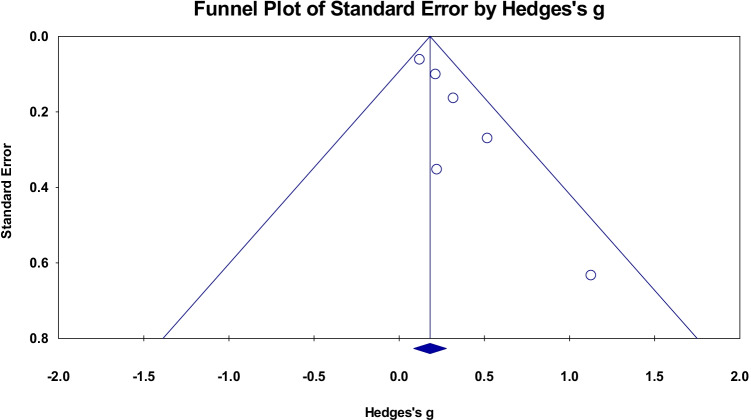
Magnetic resonance imaging (MRI) studies have revealed positive associations between brain structure and physical activity, cardiorespiratory fitness, and exercise (referred to here as PACE). While a considerable body of research has investigated the effects of PACE on grey matter, much less is known about effects on white matter (WM). Hence, we conducted a systematic review of peer-reviewed literature published prior to 5 July 2021 using online databases (PubMed and Scopus) and PRISMA guidelines to synthesise what is currently known about the relationship between PACE and WM in healthy adults. A total of 60 studies met inclusion criteria and were included in the review. Heterogeneity across studies was calculated using Qochran's q test, and publication bias was assessed for each meta-analysis using Begg and Mazumdar rank correlation test. A meta-regression was also conducted to explore factors contributing to any observed heterogeneity. Overall, we observed evidence of positive associations between PACE and global WM volume (effect size (Hedges's g) = 0.137, p < 0.001), global WM anomalies (effect size = 0.182, p < 0.001), and local microstructure integrity (i.e., corpus callosum: effect size = 0.345, p < 0.001, and anterior limb of internal capsule: effect size = 0.198, p < 0.001). These findings suggest that higher levels of PACE are associated with improved global WM volume and local integrity. We appraise the quality of evidence, and discuss the implications of these findings for the preservation of WM across the lifespan. We conclude by providing recommendations for future research in order to advance our understanding of the specific PACE parameters and neurobiological mechanisms underlying these effects.
磁共振成像(MRI)研究表明,大脑结构与体力活动、心肺健康和运动(以下简称 PACE)之间存在正相关关系。虽然相当多的研究调查了 PACE 对灰质的影响,但对其对白质(WM)的影响知之甚少。因此,我们按照 PRISMA 指南,使用在线数据库(PubMed 和 Scopus),对截至 2021 年 7 月 5 日之前发表的同行评审文献进行了系统回顾,以综合目前关于健康成年人 PACE 与 WM 之间关系的知识。共有 60 项研究符合纳入标准,并纳入了本综述。使用 Qochran 的 q 检验计算了研究之间的异质性,并使用 Begg 和 Mazumdar 秩相关检验评估了每项荟萃分析的发表偏倚。还进行了元回归分析,以探讨造成任何观察到的异质性的因素。总的来说,我们观察到 PACE 与全脑 WM 体积(效应大小(Hedges 的 g)= 0.137,p < 0.001)、全脑 WM 异常(效应大小= 0.182,p < 0.001)和局部微观结构完整性(即胼胝体:效应大小= 0.345,p < 0.001,内囊前肢:效应大小= 0.198,p < 0.001)之间存在正相关关系。这些发现表明,较高水平的 PACE 与改善的全脑 WM 体积和局部完整性有关。我们评估了证据的质量,并讨论了这些发现对 WM 跨生命周期保存的意义。最后,我们提出了未来研究的建议,以增进我们对这些影响背后的特定 PACE 参数和神经生物学机制的理解。