School of Medicine and Health Management, Huazhong University of Science and Technology, Wuhan, China.
School of Political Science and Public Administration, Wuhan University, Wuhan, China.
Front Public Health. 2022 Jun 13;10:807459. doi: 10.3389/fpubh.2022.807459. eCollection 2022.
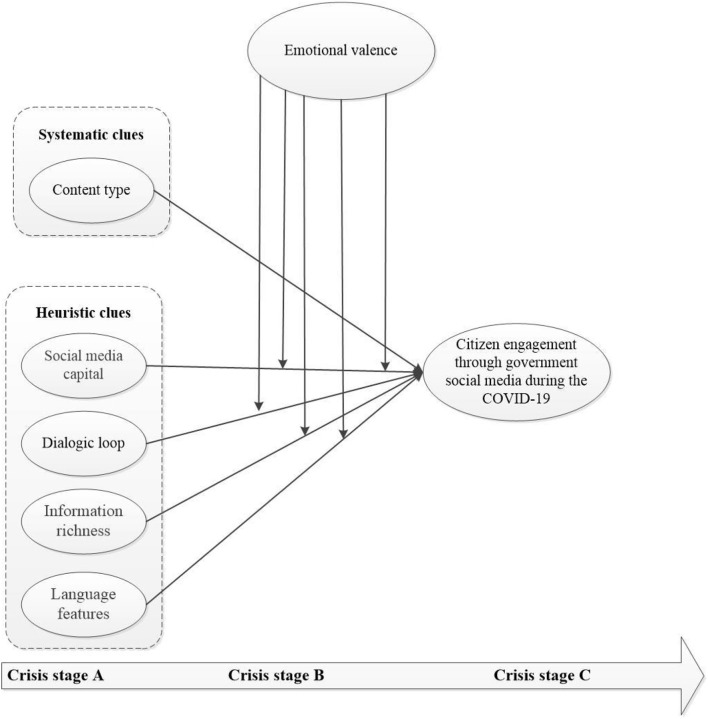
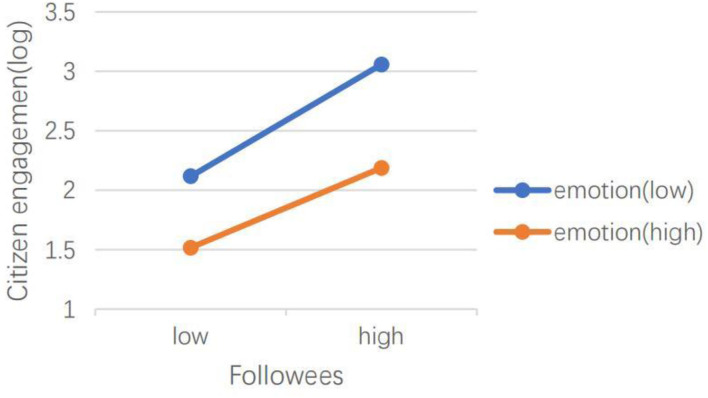
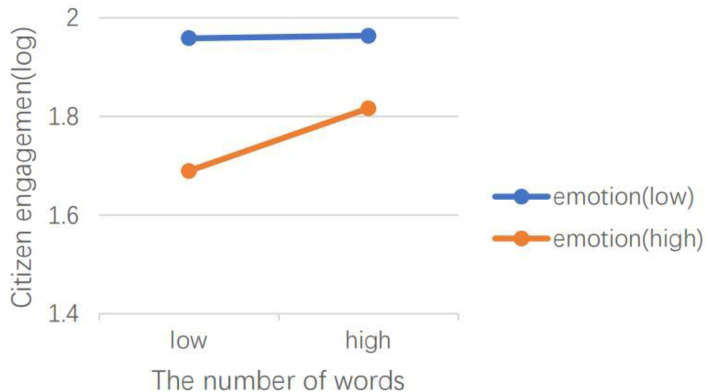
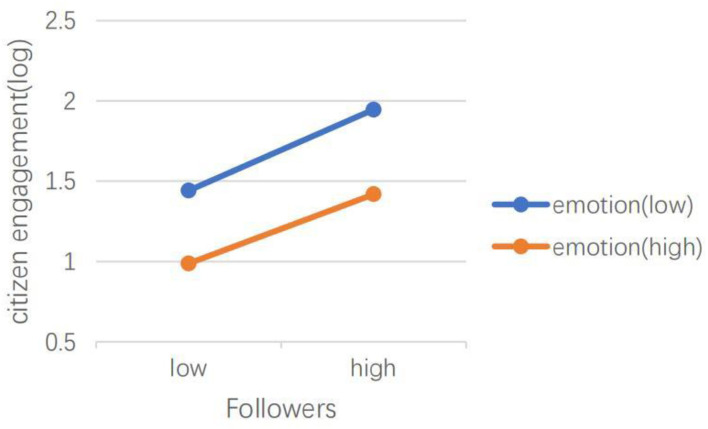
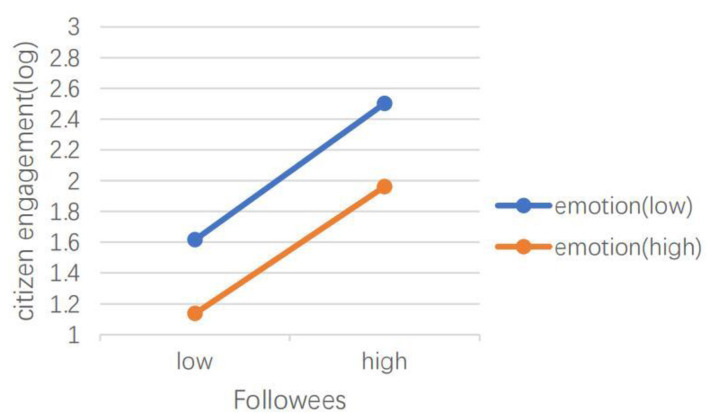
The COVID-19 pandemic has created one of the greatest challenges to humankind, developing long-lasting socio-economic impacts on our health and wellbeing, employment, and global economy. Citizen engagement with government social media accounts has proven crucial for the effective communication and management of public health crisis. Although much research has explored the societal impact of the pandemic, extant literature has failed to create a systematic and dynamic model that examines the formation mechanism of citizen engagement with government social media accounts at the different stages of the COVID-19 pandemic. This study fills this gap by employing the Heuristic-Systematic Model and investigating the effects of the heuristic clues including social media capital, information richness, language features, dialogic loop, and the systematic clue including content types, on citizen engagement with government social media across three different stages of the pandemic, employing the moderating role of emotional valence.
The proposed model is validated by scraping 16,710 posts from 22 provincial and municipal government micro-blog accounts in the Hubei province, China.
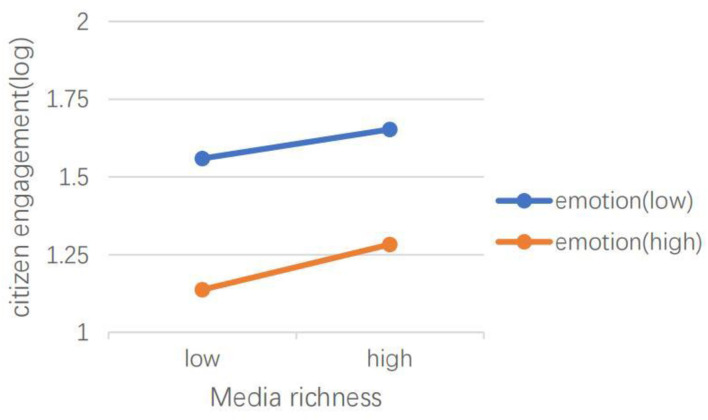
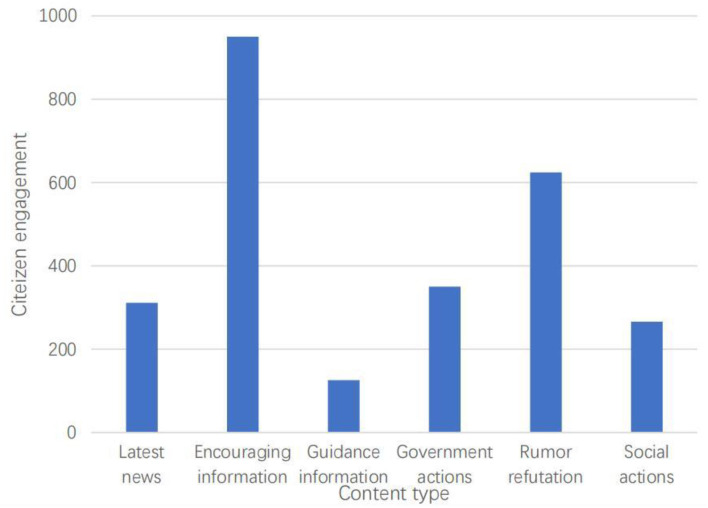
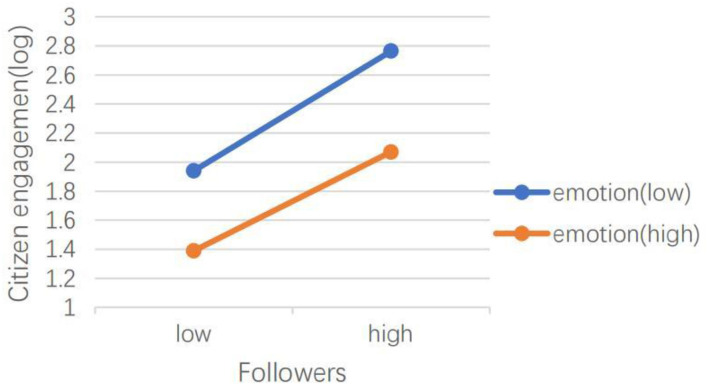
Results show that the positive effects of social media capital on citizen engagement were observed at all stages. However, the effects of information richness, language features, dialogic loop, and content types, and the moderating effect of emotional valence, varied across the different pandemic development stages.
The findings provide suggestions for the further effective use of government social media, and better cope with crises. Government agencies should pay attention to the content and form of information shared, using technical means to analyze the information needs of citizens at different stages of public health emergencies, understanding the content most concerned by citizens, and formulating the content type of posts.
COVID-19 大流行给人类带来了最大的挑战之一,对我们的健康、福利、就业和全球经济产生了持久的社会经济影响。公民与政府社交媒体账户的互动已被证明是有效沟通和管理公共卫生危机的关键。尽管有大量研究探讨了大流行对社会的影响,但现有文献未能创建一个系统和动态的模型,以检查公民在 COVID-19 大流行的不同阶段与政府社交媒体账户互动的形成机制。本研究通过使用启发式-系统模型填补了这一空白,并研究了启发式线索(包括社交媒体资本、信息丰富度、语言特征、对话循环)和系统线索(包括内容类型)对公民在大流行三个不同阶段与政府社交媒体账户互动的影响,同时考虑了情绪效价的调节作用。
通过从中国湖北省 22 个省级和市级政府微博账户中抓取 16710 条帖子,验证了所提出的模型。
结果表明,社交媒体资本对公民参与的积极影响在所有阶段都存在。然而,信息丰富度、语言特征、对话循环、内容类型的影响以及情绪效价的调节作用在不同的大流行发展阶段有所不同。
这些发现为进一步有效利用政府社交媒体和更好地应对危机提供了建议。政府机构应关注共享信息的内容和形式,利用技术手段分析公共卫生突发事件不同阶段公民的信息需求,了解公民最关注的内容,并制定帖子的内容类型。