Shigemitsu Hajime, Ohkubo Kei, Sato Kazuhide, Bunno Asuka, Mori Tadashi, Osakada Yasuko, Fujitsuka Mamoru, Kida Toshiyuki
Department of Applied Chemistry, Graduate School of Engineering, Osaka University, 2-1 Yamadaoka, Suita 565-0871, Japan.
Frontier Research Base for Global Young Researchers, Graduate School of Engineering, Osaka University, 2-1 Yamadaoka, Suita 565-0871, Japan.
JACS Au. 2022 May 24;2(6):1472-1478. doi: 10.1021/jacsau.2c00243. eCollection 2022 Jun 27.
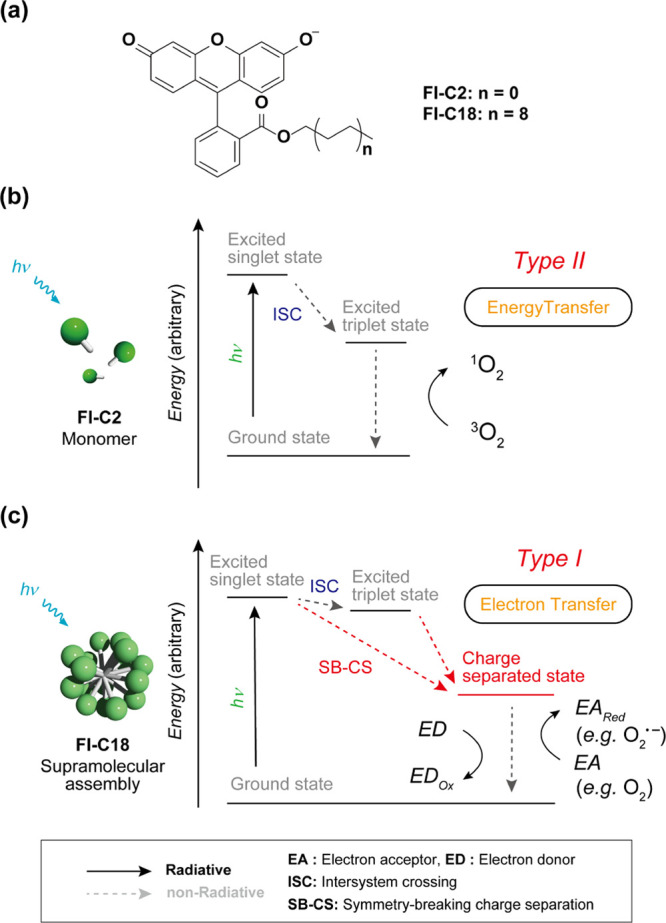
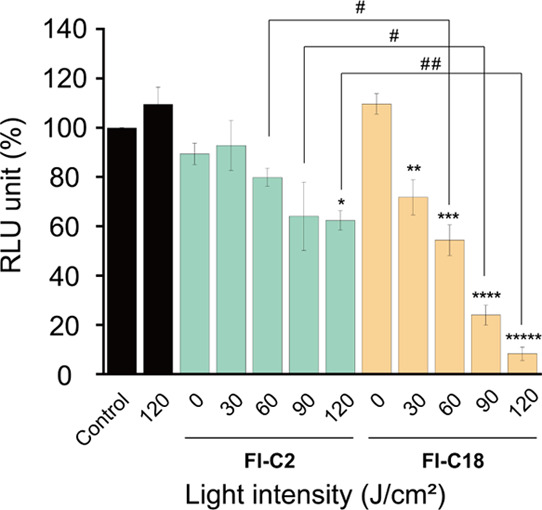
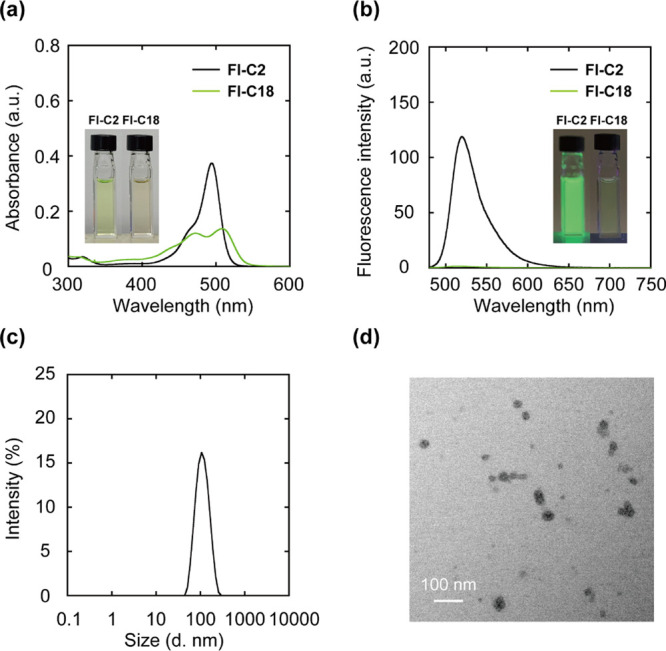
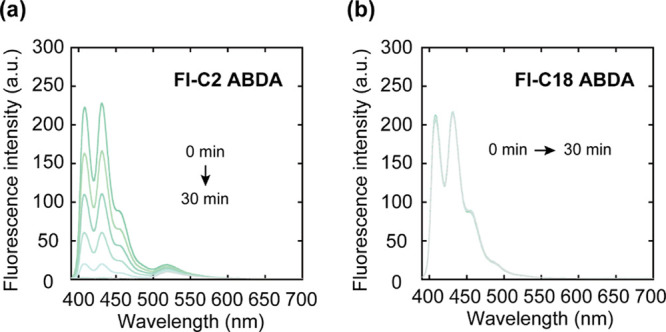
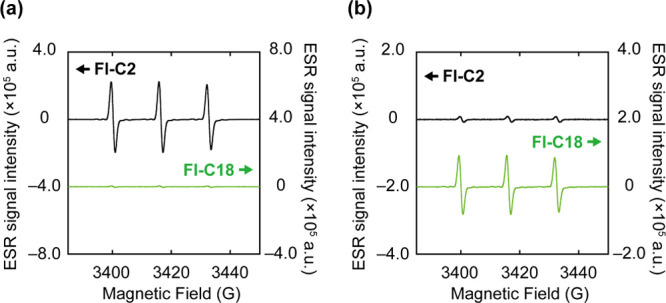
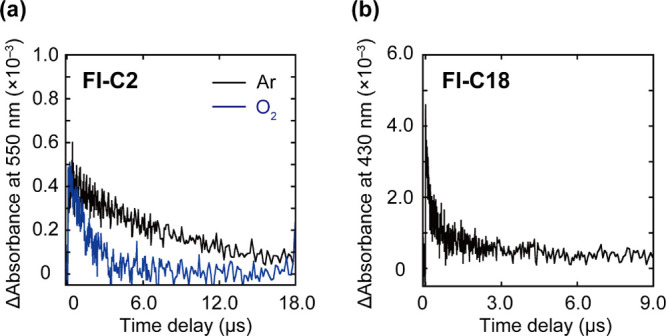
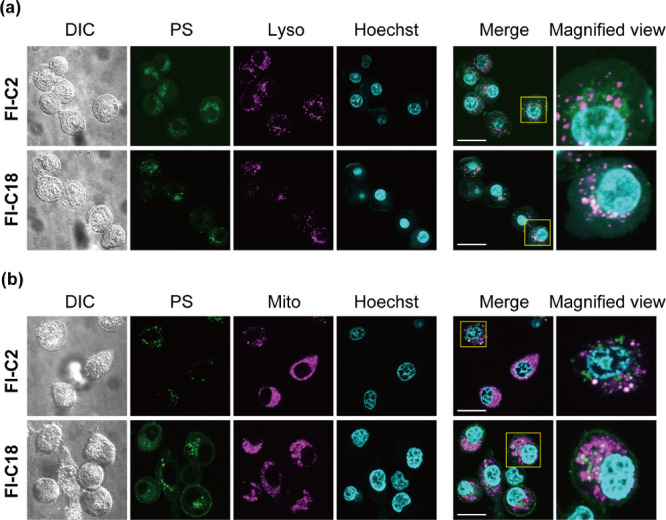
Photosensitizers (PSs) are critical substances with considerable potential for use in non-invasive photomedicine. Type I PSs, which generate reactive radical species by electron transfer from the excited state induced via photoirradiation, attracted much attention because of their suitability for photodynamic therapy (PDT) irrespective of the oxygen concentration. However, most organic PSs are type II, which activates only oxygen, generating singlet oxygen (O) via energy transfer from the triplet state. Here, we proposed a strategy to form type I supramolecular PSs (SPSs) utilizing the charge-separated state induced by self-assembly. This was demonstrated using a supramolecular assembly of fluorescein, which is a type II PS in the monomeric state; however, it changes to a type I SPS via self-assembly. The switching mechanism from type II to I via self-assembly was clarified using photophysical and electrochemical analyses, with the type I SPS exhibiting significant PDT effects on cancer cells. This study provides a promising approach for the development of type I PSs based on supramolecular assemblies.
光敏剂(PSs)是在非侵入性光医学中具有巨大应用潜力的关键物质。I型光敏剂通过光照射诱导的激发态电子转移产生活性自由基,因其适用于光动力疗法(PDT)且不受氧浓度影响而备受关注。然而,大多数有机光敏剂属于II型,其仅激活氧气,通过三重态的能量转移产生单线态氧(O)。在此,我们提出了一种利用自组装诱导的电荷分离态形成I型超分子光敏剂(SPSs)的策略。这通过荧光素的超分子组装得到了证明,荧光素在单体状态下是II型光敏剂;然而,它通过自组装转变为I型超分子光敏剂。通过光物理和电化学分析阐明了通过自组装从II型转变为I型的机制,I型超分子光敏剂对癌细胞表现出显著的光动力治疗效果。这项研究为基于超分子组装的I型光敏剂的开发提供了一种有前景的方法。