Gu Donglin, Wang Ying, Jin Hongyu, Kang Shuai, Liu Yue, Zan Ke, Fan Jing, Wei Feng, Ma Shuangcheng
Institute for Control of Chinese Traditional Medicine and Ethnic Medicine, National Institutes for Food and Drug Control, Beijing, China.
School of Traditional Chinese Pharmacy, China Pharmaceutical University, Nanjing, China.
Front Pharmacol. 2022 Jun 16;13:934710. doi: 10.3389/fphar.2022.934710. eCollection 2022.
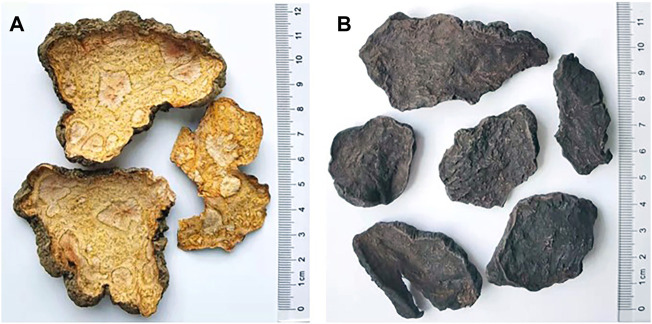
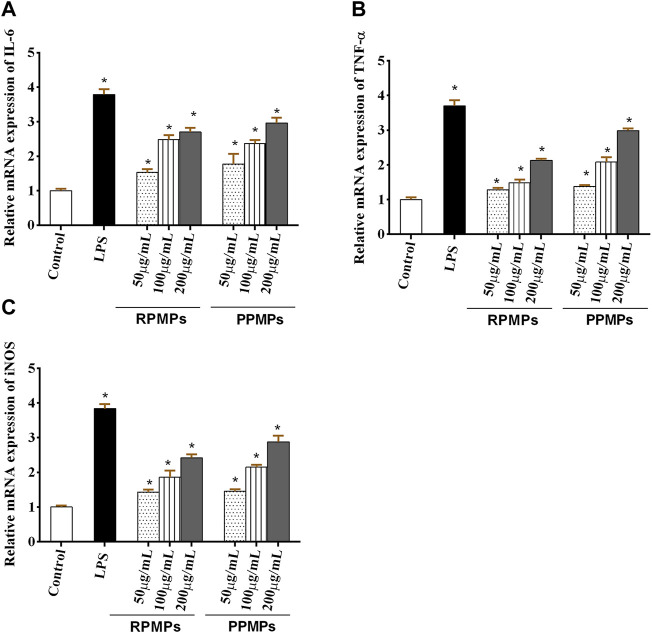
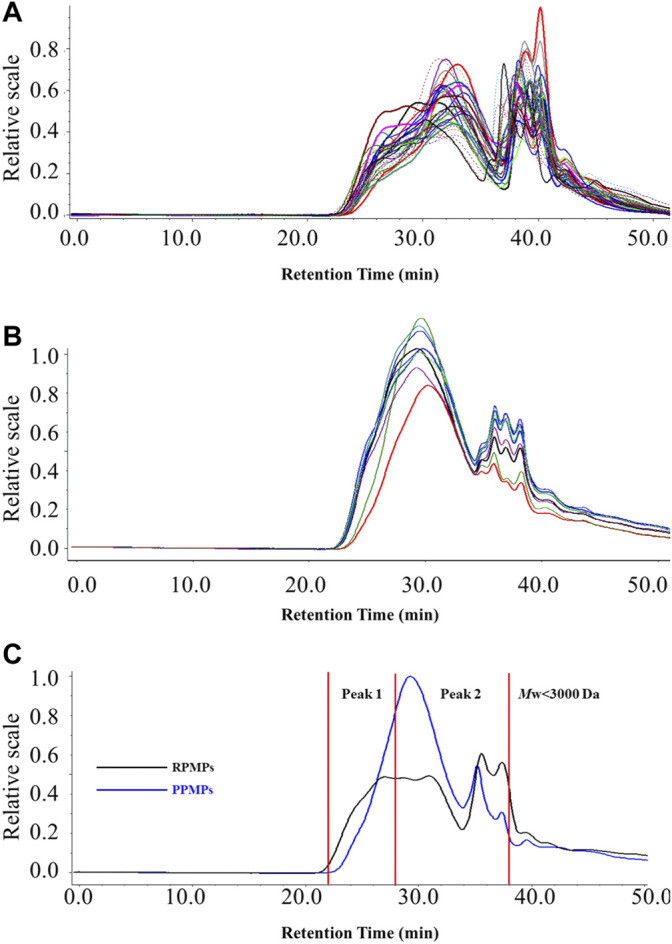
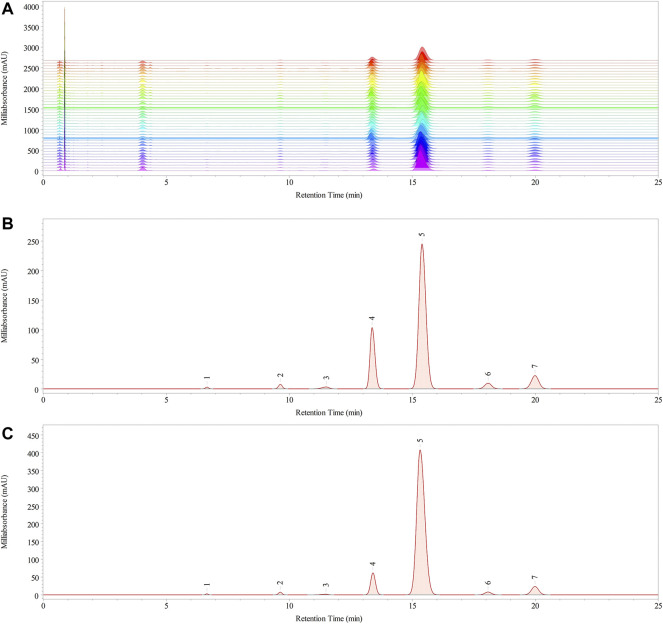
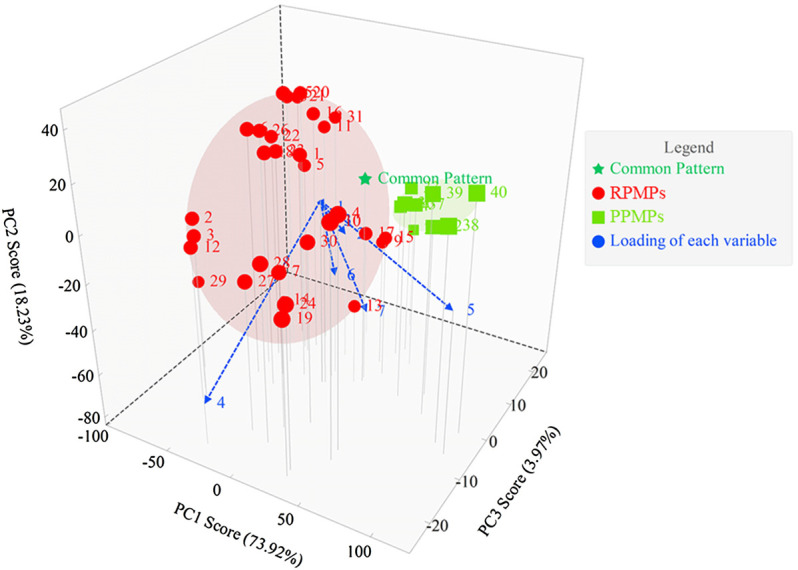
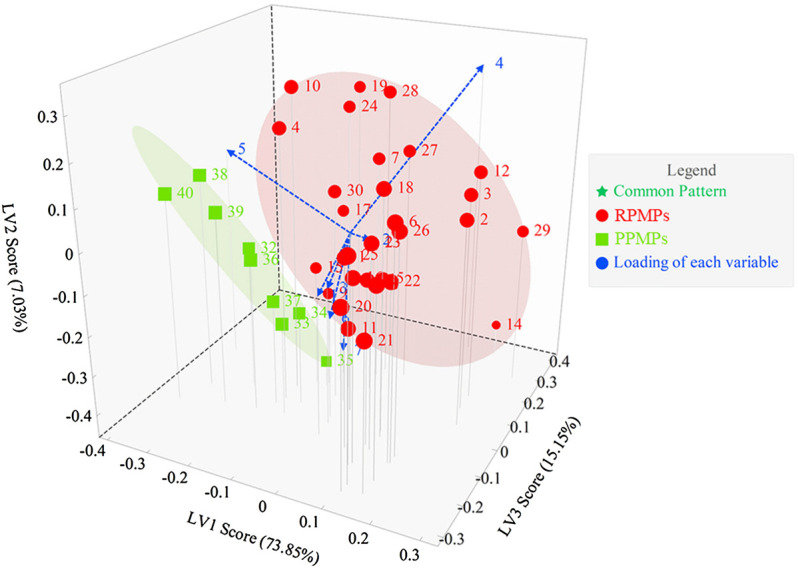
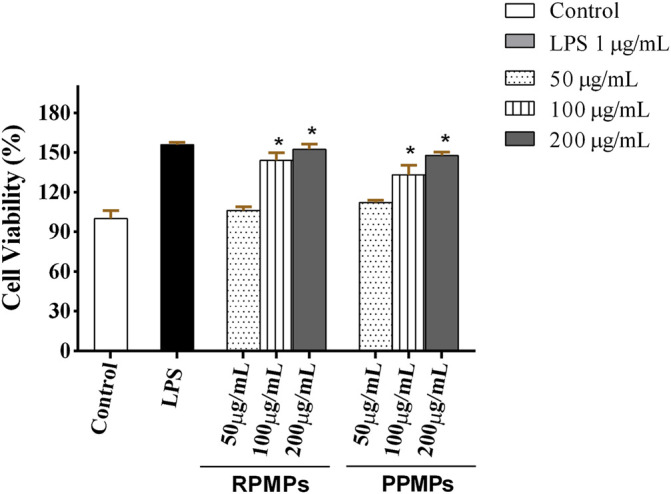
The roots of Thunb (PM) have a long history of usage in traditional Chinese medicine and are still widely utilized today. PM in raw or processed form has different biological activities and is commonly used to treat different diseases. Polysaccharides are the main component of PM, and it is unclear whether their physicochemical properties and activities change after processing. In this study, the polysaccharides from thirty-one raw PM (RPMPs) and nine processed PM (PPMPs) were extracted, and the physicochemical properties and immunomodulatory activity of polysaccharide samples were evaluated. Results showed that RPMPs and PPMPs had significant differences in physicochemical properties. RPMPs and PPMPs were both composed of mannose, rhamnose, glucuronic acid, galacturonic acid, glucose, galactose, and arabinose. However, RPMPs and PPMPs had significant differences in their yields, molecular weight (w), and the molar ratio of Glc/GalA ( < 0.05), which can be used to distinguish raw and processed PM. The fingerprint of monosaccharide composition was analyzed by chemometrics, and it was further demonstrated that Glc and GalA could be used as differential markers. The immunomodulatory activity assays indicated that RPMPs and PPMPs could significantly enhance phagocytosis and mRNA expression of cytokines in RAW 264.7 cells. In addition, the immunomodulatory activity of PPMPs with lower w was significantly better than that of RPMPs. This study furthers the understanding of the polysaccharides from raw and processed PM and provides a reference for improving the quality standard of PM.
桑根(PM)在传统中药中的应用历史悠久,至今仍被广泛使用。生用或炮制后的PM具有不同的生物活性,常用于治疗不同的疾病。多糖是PM的主要成分,其理化性质和活性在炮制后是否发生变化尚不清楚。本研究提取了31份生PM(RPMPs)和9份炮制PM(PPMPs)中的多糖,并对多糖样品的理化性质和免疫调节活性进行了评价。结果表明,RPMPs和PPMPs在理化性质上存在显著差异。RPMPs和PPMPs均由甘露糖、鼠李糖、葡萄糖醛酸、半乳糖醛酸、葡萄糖、半乳糖和阿拉伯糖组成。然而,RPMPs和PPMPs在得率、分子量(w)和Glc/GalA摩尔比方面存在显著差异(P<0.05),可用于区分生PM和炮制PM。通过化学计量学分析单糖组成指纹图谱,进一步证明Glc和GalA可作为差异标志物。免疫调节活性测定表明,RPMPs和PPMPs均可显著增强RAW 264.7细胞的吞噬作用和细胞因子mRNA表达。此外,w较低的PPMPs的免疫调节活性明显优于RPMPs。本研究进一步加深了对生PM和炮制PM多糖的认识,为提高PM的质量标准提供了参考。