Department of Nuclear Medicine and Institute of Anesthesiology and Pain, and Department of Pathology, Taihe Hospital, Hubei University of Medicine, No. 32, Renmin Road, Shiyan, 442000, China.
Hubei Key Laboratory of Embryonic Stem Cell Research, Shiyan, 442000, China.
J Transl Med. 2022 Jul 6;20(1):303. doi: 10.1186/s12967-022-03503-7.
Although eukaryotic initiation factor 6 (eIF6) is a novel therapeutic target, data on its importance in the development of esophageal carcinoma (ESCA) remains limited. This study evaluated the correlation between eIF6 expression and metabolic analysis using fluorine-18 fluorodeoxyglucose (F-FDG) -Positron emission tomography (PET) and immune gene signatures in ESCA.
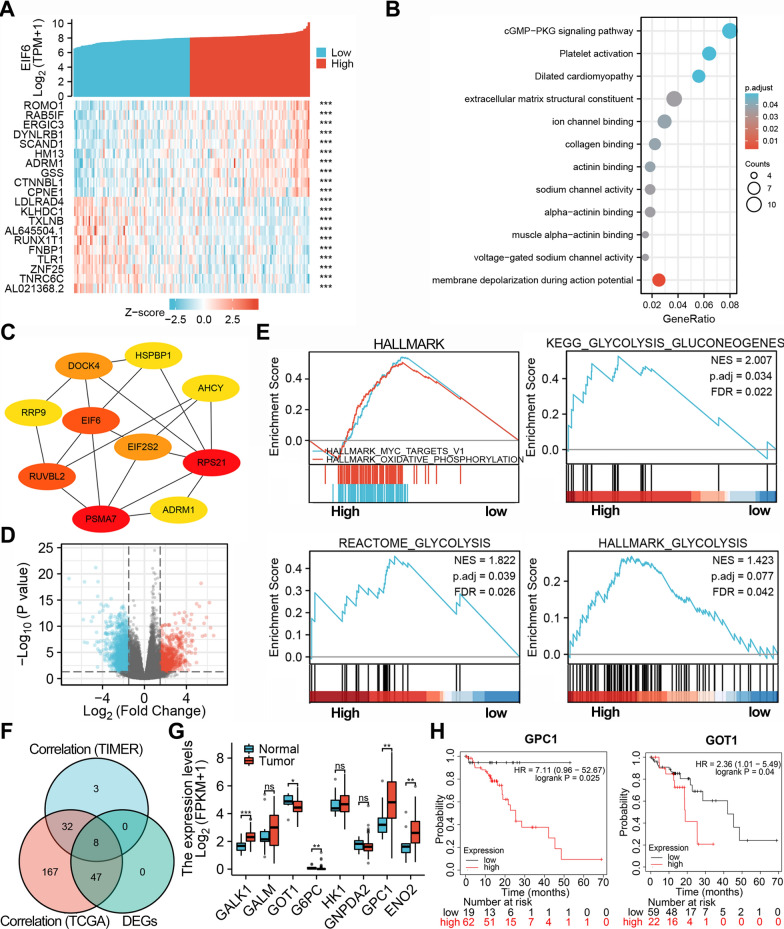
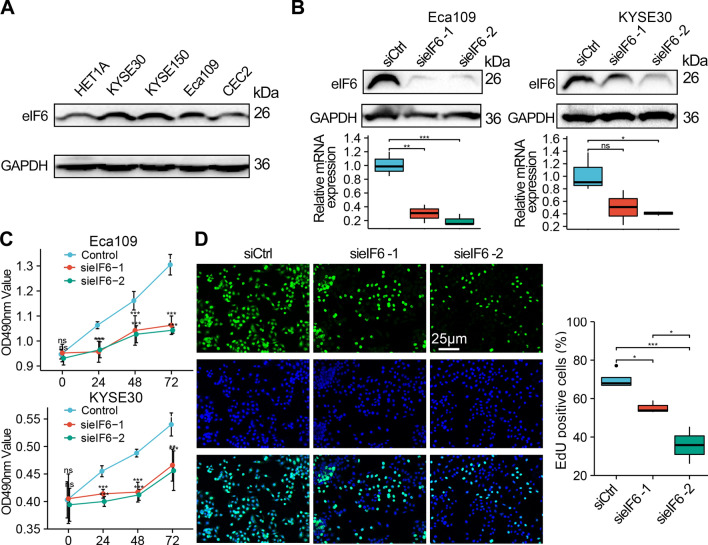
This study employed The Cancer Genome Atlas (TCGA) to analyze the expression and prognostic value of eIF6, as well as its relationship with the immune gene signatures in ESCA patients. The qRT-PCR and Western blot analyses were used to profile the expression of eIF6 in ESCA tissues and different ESCA cell lines. The expression of tumor eIF6 and glucose transporter 1 (GLUT1) was examined using immunohistochemical tools in fifty-two ESCA patients undergoing routine F-FDG PET/CT before surgery. In addition, the cellular responses to eIF6 knockdown in human ESCA cells were assessed via the MTS, EdU, flow cytometry and wound healing assays.
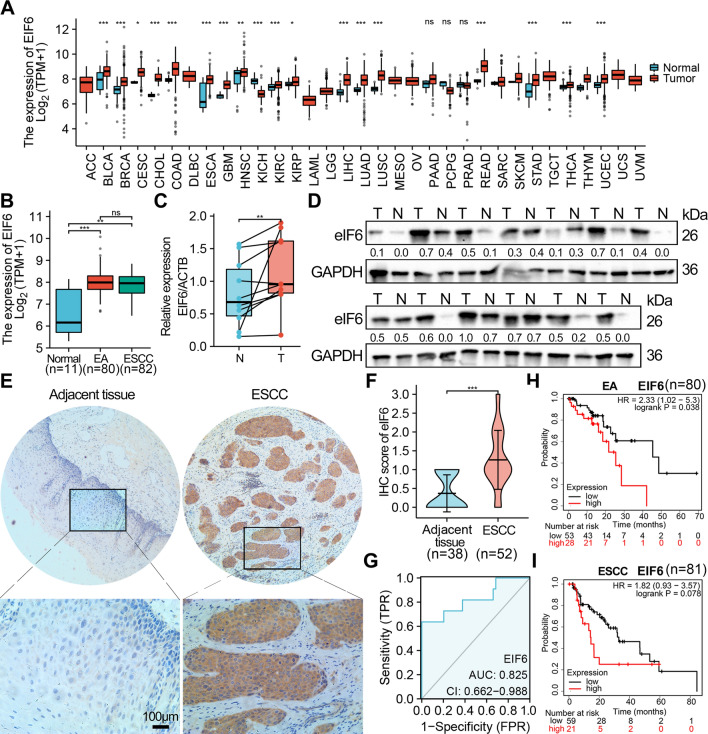
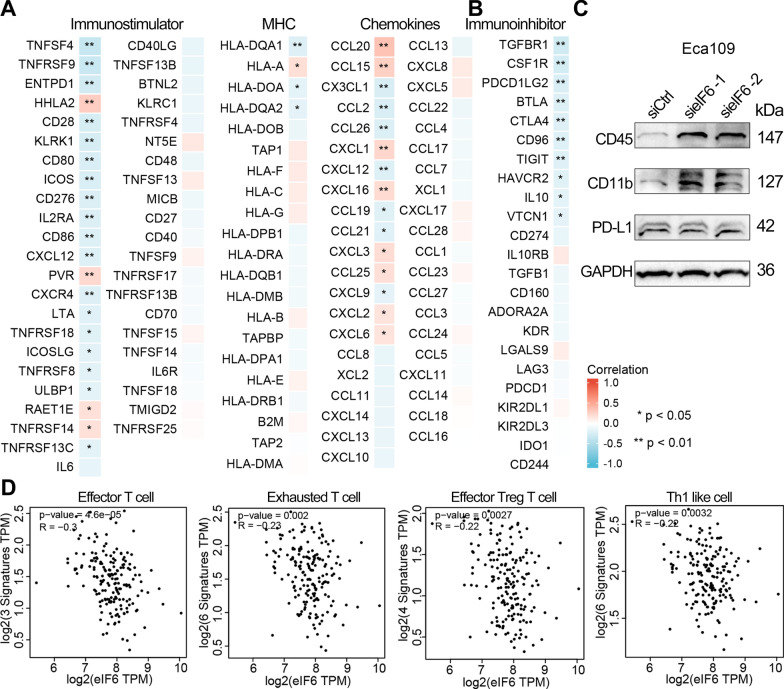
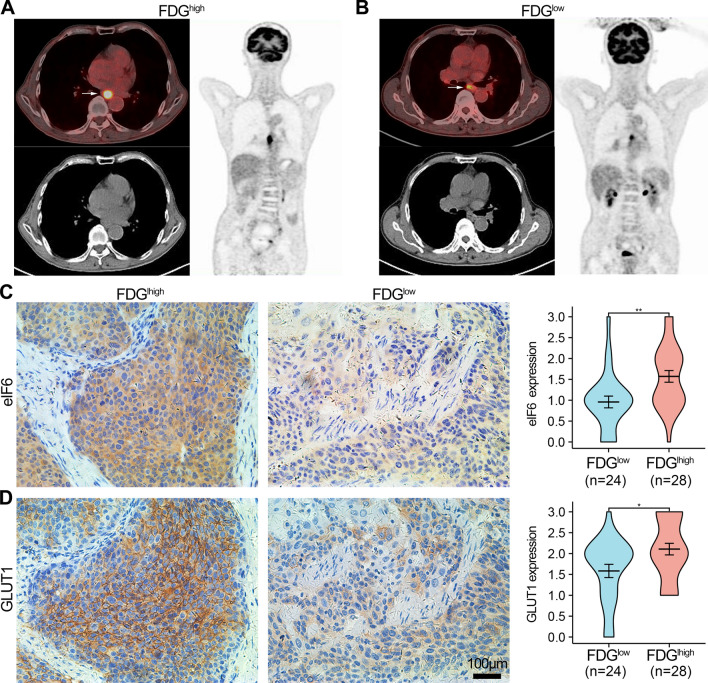
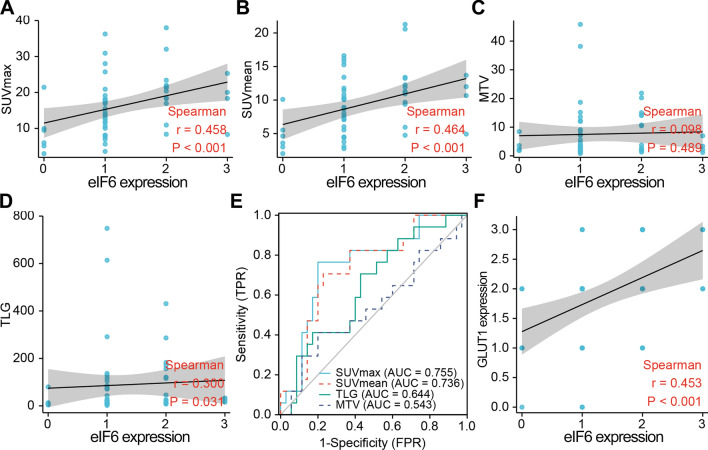
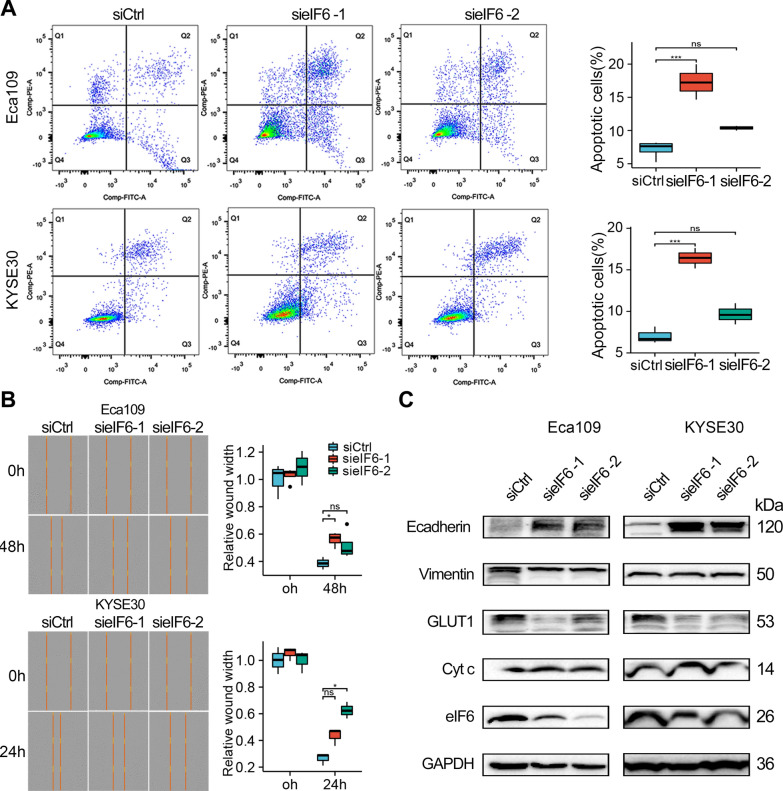
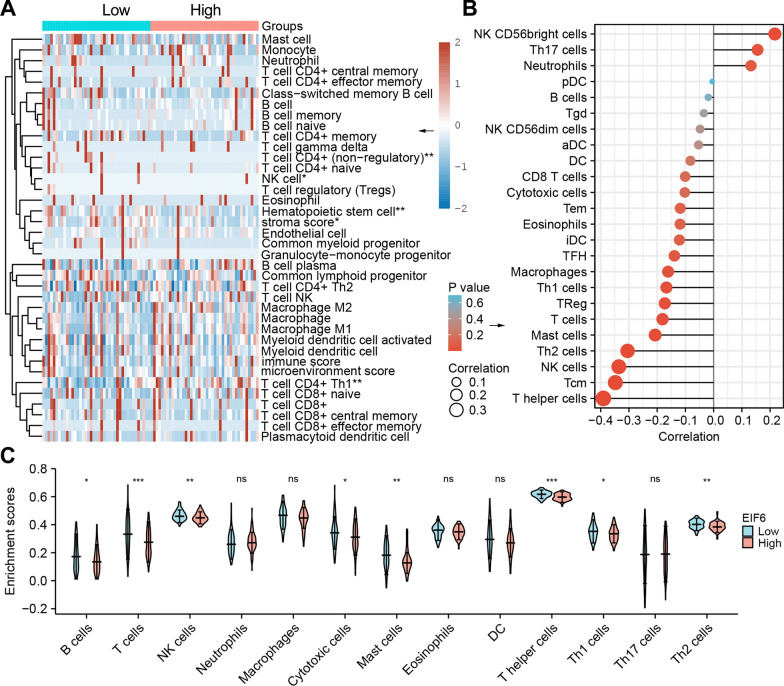
Our data demonstrated that compared with the normal esophageal tissues, eIF6 expression was upregulated in ESCA tumor tissues and showed a high diagnostic value with an area under curve of 0.825 for predicting ESCA. High eIF6 expression was significantly correlated with shorter overall survival of patients with esophagus adenocarcinoma (p = 0.038), but not in squamous cell carcinoma of the esophagus (p = 0.078). In addition, tumor eIF6 was significantly associated with F-FDG PET/CT parameters: maximal and mean standardized uptake values (SUVmax and SUVmean) and total lesion glycolysis (TLG) (rho = 0.458, 0.460, and 0.300, respectively, p < 0.01) as well as GLUT1 expression (rho = 0.453, p < 0.001). A SUVmax cutoff of 18.2 led to prediction of tumor eIF6 expression with an accuracy of 0.755. Functional analysis studies demonstrated that knockdown of eIF6 inhibited ESCA cell growth and migration, and fueled cell apoptosis. Moreover, the Bulk RNA gene analysis revealed a significant inverse association between eIF6 and the tumor-infiltrating immune cells (macrophages, T cells, or Th1 cells) and immunomodulators in the ESCA microenvironment.
Our study suggested that eIF6 might serve as a potential prognostic biomarker associated with metabolic variability and immune gene signatures in ESCA tumor microenvironment.
尽管真核起始因子 6(eIF6)是一种新的治疗靶点,但有关其在食管癌(ESCA)发展中的重要性的数据仍然有限。本研究评估了 ESCA 中 eIF6 表达与氟-18 氟代脱氧葡萄糖(F-FDG)-正电子发射断层扫描(PET)代谢分析和免疫基因特征之间的相关性。
本研究利用癌症基因组图谱(TCGA)分析了 eIF6 在 ESCA 患者中的表达和预后价值,以及与免疫基因特征的关系。采用 qRT-PCR 和 Western blot 分析检测 ESCA 组织和不同 ESCA 细胞系中 eIF6 的表达。在 52 例行常规 F-FDG PET/CT 检查的 ESCA 患者中,采用免疫组化工具检测肿瘤 eIF6 和葡萄糖转运蛋白 1(GLUT1)的表达。此外,通过 MTS、EdU、流式细胞术和划痕愈合实验评估了 eIF6 敲低对人 ESCA 细胞的细胞反应。
我们的数据表明,与正常食管组织相比,eIF6 在 ESCA 肿瘤组织中表达上调,并且对于预测 ESCA,曲线下面积为 0.825,具有较高的诊断价值。高 eIF6 表达与食管腺癌患者的总生存期显著相关(p=0.038),但与食管鳞状细胞癌患者的总生存期无关(p=0.078)。此外,肿瘤 eIF6 与 F-FDG PET/CT 参数明显相关:最大和平均标准化摄取值(SUVmax 和 SUVmean)和总病变糖酵解(TLG)(rho=0.458、0.460 和 0.300,p<0.01)以及 GLUT1 表达(rho=0.453,p<0.001)。SUVmax 截断值为 18.2 时,可预测肿瘤 eIF6 表达,准确率为 0.755。功能分析研究表明,敲低 eIF6 可抑制 ESCA 细胞的生长和迁移,并促进细胞凋亡。此外,Bulk RNA 基因分析显示,eIF6 与 ESCA 微环境中的肿瘤浸润免疫细胞(巨噬细胞、T 细胞或 Th1 细胞)和免疫调节剂之间存在显著的负相关关系。
本研究表明,eIF6 可能作为一种潜在的预后生物标志物,与 ESCA 肿瘤微环境中的代谢变异性和免疫基因特征相关。