Dejnek Maciej, Moreira Helena, Płaczkowska Sylwia, Barg Ewa, Reichert Paweł, Królikowska Aleksandra
Clinical Department of Trauma and Hand Surgery, Department of Trauma Surgery, Faculty of Medicine, Wroclaw Medical University, 50-556 Wroclaw, Poland.
Department of Medical Science Foundation, Faculty of Pharmacy, Wroclaw Medical University, 50-556 Wroclaw, Poland.
J Clin Med. 2022 Jun 27;11(13):3687. doi: 10.3390/jcm11133687.
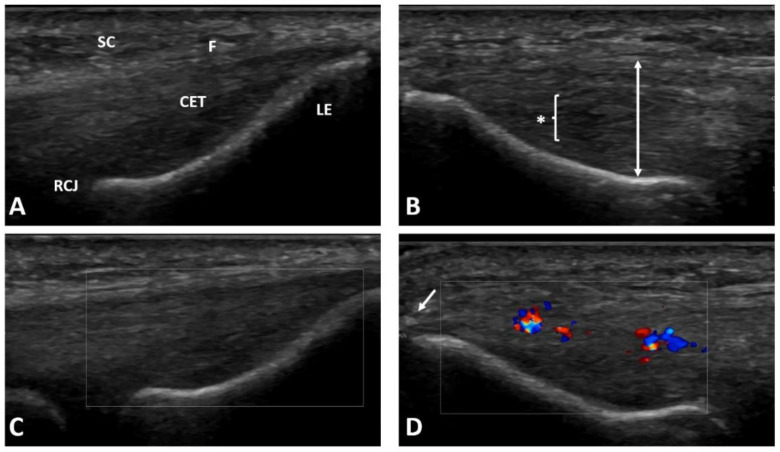
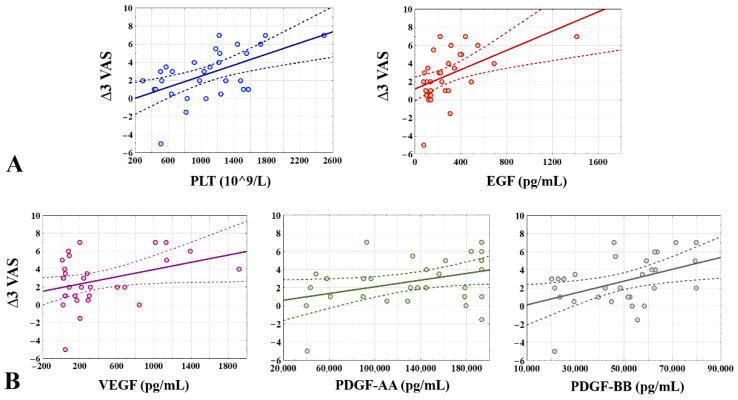
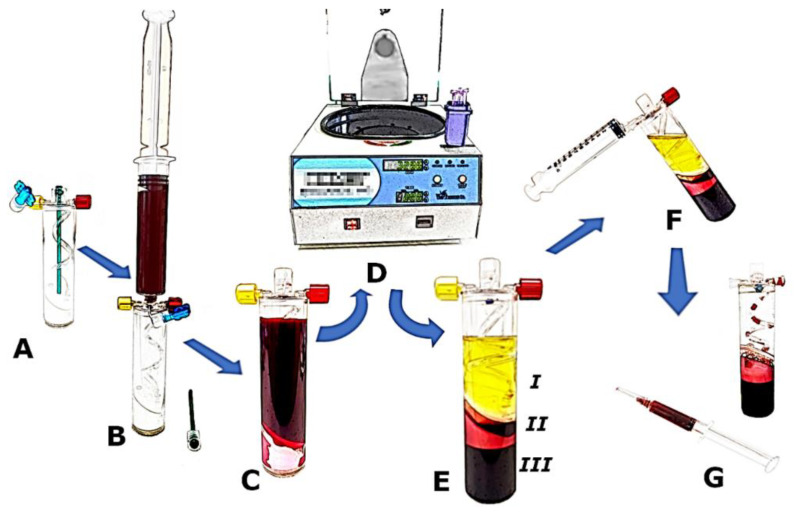
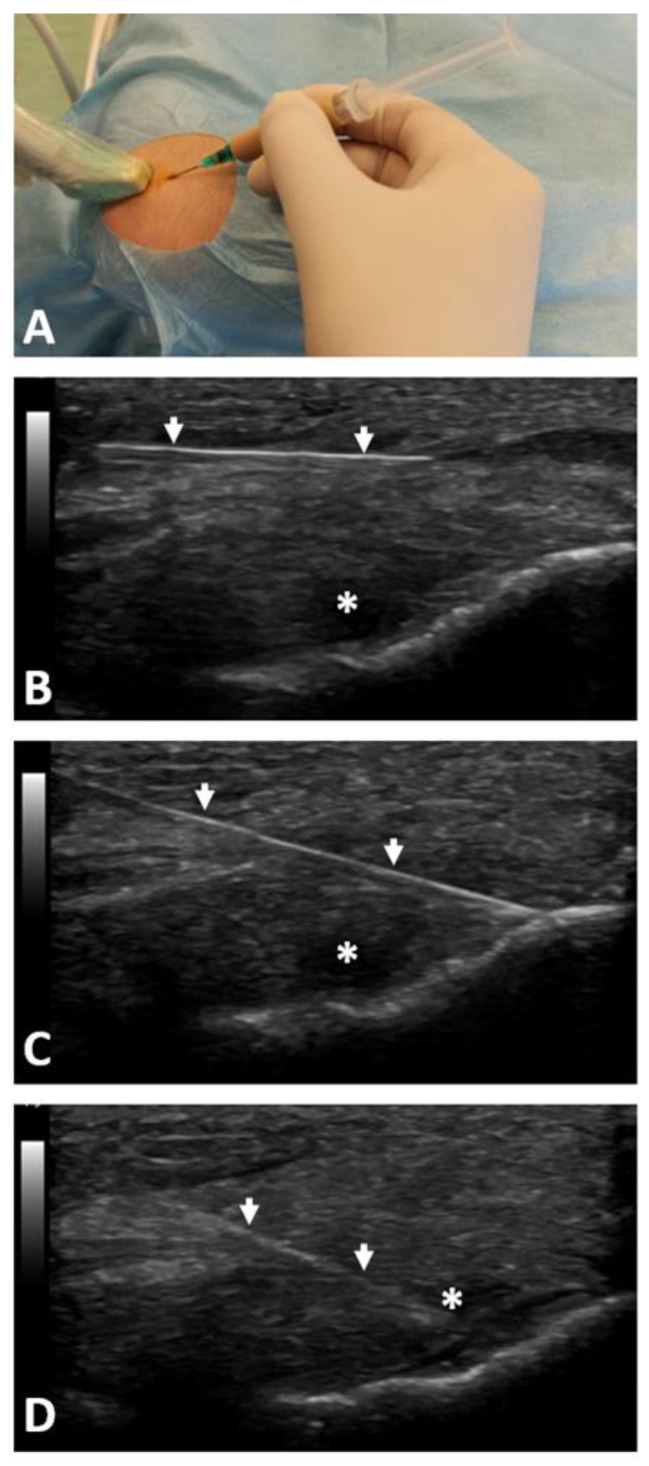
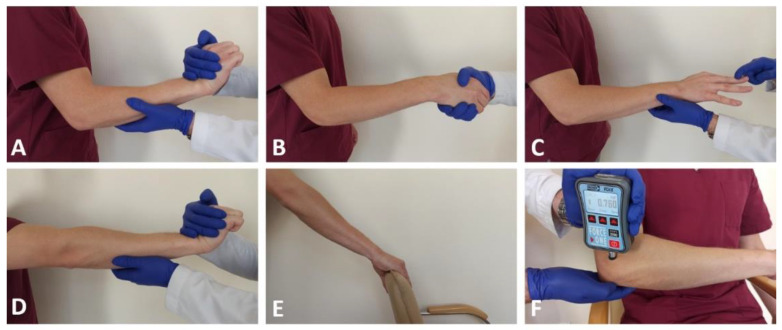
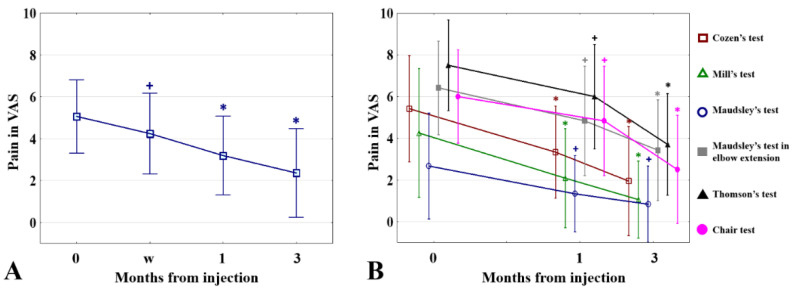
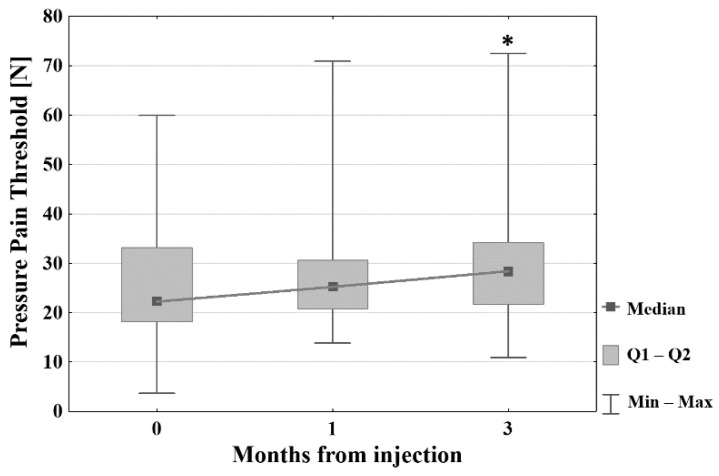
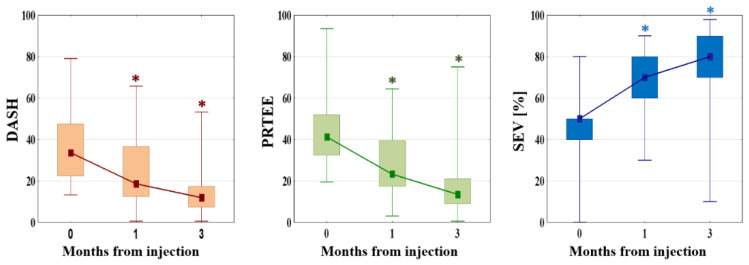
Autologous platelet-rich plasma (PRP) injection is an alternative treatment option for patients with lateral elbow tendinopathy. The treatment is supposed to accelerate tissue regeneration by providing high concentrations of growth factors derived from platelets. The aim of the study was to assess the relationship between the content of biologically active compounds in PRP and the clinical effect of the treatment. Thirty patients with lateral elbow tendinopathy treated with a single PRP injection, were evaluated. The pain intensity (measured by a visual analogue scale (VAS)), the pressure pain threshold (PPT), the grip strength and strength of the main arm and forearm muscle groups, and the functional outcome (measured by the Disability of Arm, Shoulder and Hand (DASH) and Patient-Rated Tennis Elbow Evaluation (PRTEE) questionnaires), were assessed before PRP injection and at one- and three-months follow-up. Flow cytometry measurements of the growth factors and inflammatory cytokines in PRP were performed, and the results were used to establish the relationship between those molecules and the clinical outcome. After three months from the intervention, the minimal clinically important difference in pain reduction and functional improvement was observed in 67% and 83% of patients, respectively. Positive correlations were found between the extent of pain reduction after three months and concentrations in the PRP of platelets, epidermal growth factor (EGF), vascular endothelial growth factor, and platelet-derived growth factors. The concentration of EGF in the PRP significantly correlated with an improvement in grip strength, strength of wrist extensors, and the size of functional improvement measured by the PRTEE. The local injection of PRP is a safe and effective treatment option for lateral elbow tendinopathy, and the clinical outcome is correlated with concentrations of its biologically active compounds.
自体富血小板血浆(PRP)注射是外侧肘肌腱病患者的一种替代治疗选择。该治疗旨在通过提供高浓度源自血小板的生长因子来加速组织再生。本研究的目的是评估PRP中生物活性化合物的含量与治疗的临床效果之间的关系。对30例接受单次PRP注射治疗的外侧肘肌腱病患者进行了评估。在PRP注射前以及随访1个月和3个月时,评估疼痛强度(通过视觉模拟量表(VAS)测量)、压痛阈值(PPT)、握力以及主要手臂和前臂肌肉群的力量,以及功能结局(通过手臂、肩部和手部功能障碍(DASH)和患者自评网球肘评估(PRTEE)问卷测量)。对PRP中的生长因子和炎性细胞因子进行了流式细胞术测量,并将结果用于建立这些分子与临床结局之间的关系。干预三个月后,分别在67%和83%的患者中观察到疼痛减轻和功能改善方面的最小临床重要差异。发现三个月后疼痛减轻程度与PRP中血小板、表皮生长因子(EGF)、血管内皮生长因子和血小板衍生生长因子的浓度之间存在正相关。PRP中EGF的浓度与握力、腕伸肌力量的改善以及PRTEE测量的功能改善程度显著相关。局部注射PRP是外侧肘肌腱病一种安全有效的治疗选择,并且临床结局与其生物活性化合物的浓度相关。