Core Unit Proteomics, Institute of Toxicology, Hannover Medical School, Carl-Neuberg-Str. 1, 30625, Hannover, Germany.
Clinic for Rheumatology und Immunology, Hannover Medical School, Carl-Neuberg-Str. 1, 30625, Hannover, Germany.
Amino Acids. 2022 Sep;54(9):1251-1260. doi: 10.1007/s00726-022-03185-x. Epub 2022 Jul 13.
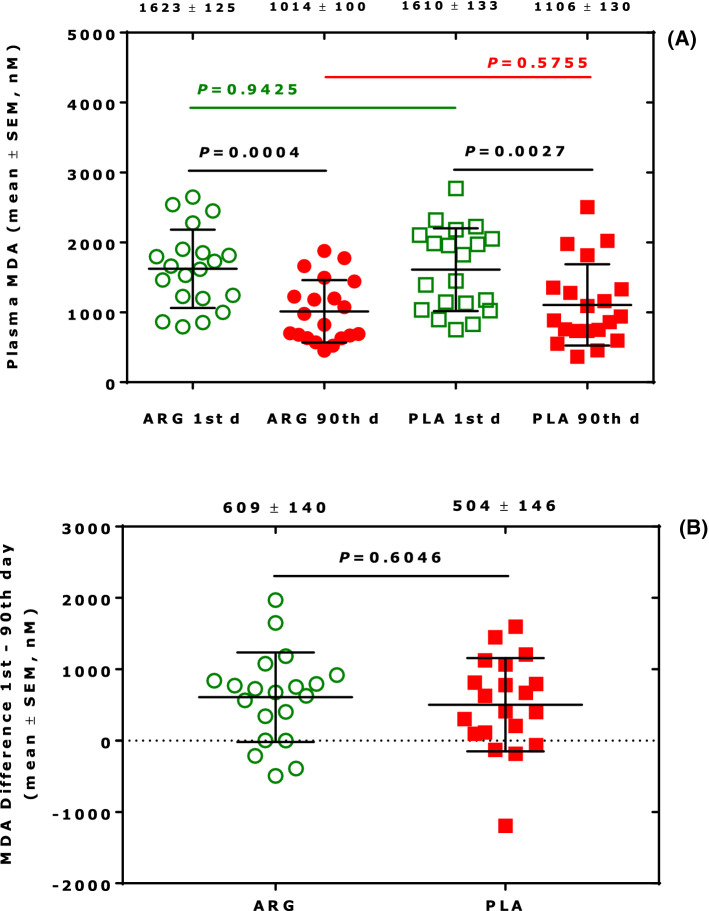
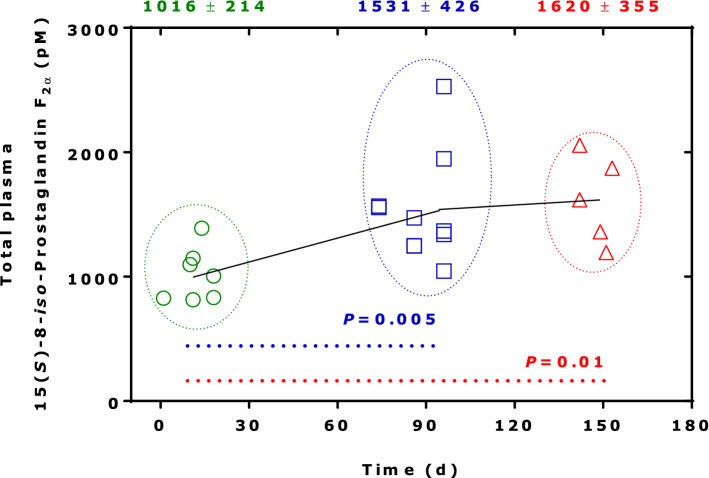
N-Acetyl-L-cysteine (NAC) is an endogenous cysteine metabolite. The drug is widely used in chronic obstructive pulmonary disease (COPD) and as antidote in acetaminophen (paracetamol) intoxication. Currently, the utility of NAC is investigated in rheumatoid arthritis (RA), which is generally considered associated with inflammation and oxidative stress. Besides clinical laboratory parameters, the effects of NAC are evaluated by measuring in plasma or serum nitrite, nitrate or their sum (NOx) as measures of nitric oxide (NO) synthesis. Malondialdehyde (MDA) and relatives such as 4-hydroxy-nonenal and 15(S)-8-iso-prostaglandin F serve as measures of oxidative stress, notably lipid peroxidation. In this work, we review recent clinico-pharmacological studies on NAC in rheumatoid arthritis. We discuss analytical, pre-analytical and clinical issues and their potential impact on the studies outcome. Major issues include analytical inaccuracy due to interfering endogenous substances and artefactual formation of MDA and relatives during storage in long-term studies. Differences in the placebo and NAC groups at baseline with respect to these biomarkers are also a serious concern. Modern applied sciences are based on data generated using commercially available instrumental physico-chemical and immunological technologies and assays. The publication process of scientific work rarely undergoes rigorous peer review of the analytical approaches used in the study in terms of accuracy/trueness. There is pressing need of considering previously reported reference concentration ranges and intervals as well as specific critical issues such as artefactual formation of particular biomarkers during sample storage. The latter especially applies to surrogate biomarkers of oxidative stress, notably MDA and relatives. Reported data on NO, MDA and clinical parameters, including C-reactive protein, interleukins and tumour necrosis factor α, are contradictory in the literature. Furthermore, reported studies do not allow any valid conclusion about utility of NAC in RA. Administration of NAC patients with rheumatoid arthritis is not recommended in current European and American guidelines.
N-乙酰-L-半胱氨酸(NAC)是内源性半胱氨酸代谢物。该药物广泛用于慢性阻塞性肺疾病(COPD)和对乙酰氨基酚(扑热息痛)中毒的解毒剂。目前,NAC 在类风湿关节炎(RA)中的应用正在研究中,RA 通常被认为与炎症和氧化应激有关。除了临床实验室参数外,还通过测量血浆或血清中亚硝酸盐、硝酸盐或它们的总和(NOx)来评估 NAC 的作用,作为衡量一氧化氮(NO)合成的指标。丙二醛(MDA)及其相关物质,如 4-羟基壬烯醛和 15(S)-8-异前列腺素 F,作为氧化应激的指标,特别是脂质过氧化的指标。在这项工作中,我们回顾了最近关于 NAC 在类风湿关节炎中的临床药理学研究。我们讨论了分析、分析前和临床问题及其对研究结果的潜在影响。主要问题包括由于干扰内源性物质和 MDA 及其相关物质在长期研究中储存过程中人为形成而导致的分析不准确性。这些生物标志物在安慰剂和 NAC 组之间的基线差异也是一个严重的问题。现代应用科学基于使用商业上可获得的仪器理化和免疫学技术和测定法生成的数据。科学工作的出版过程很少对研究中使用的分析方法的准确性/真实性进行严格的同行评审。迫切需要考虑以前报告的参考浓度范围和间隔,以及特定的关键问题,例如在样品储存过程中特定生物标志物的人为形成。后者特别适用于氧化应激的替代生物标志物,特别是 MDA 和相关物质。文献中关于 NO、MDA 和临床参数(包括 C 反应蛋白、白细胞介素和肿瘤坏死因子 α)的数据相互矛盾。此外,报告的研究不允许对 NAC 在 RA 中的应用得出任何有效结论。目前的欧洲和美国指南不建议在类风湿关节炎患者中使用 NAC。