Department of Pediatric Infectious Diseases, Medical University of Białystok, Waszyngtona 17, 15-274 Białystok, Poland.
Department of Pediatrics and Infectious Diseases, Regional Hospital in Szczecin, Szczecin, Poland.
Int J Infect Dis. 2022 Sep;122:703-709. doi: 10.1016/j.ijid.2022.07.021. Epub 2022 Jul 10.
Multisystem inflammatory syndrome in children (MIS-C) is the result of an immune response triggered by a previous exposure to SARS-CoV-2. The clinical presentation of MIS-C overlaps with other life-threatening bacterial infections, in which antimicrobials are the mainstay therapy. The aim of study was to describe the use of antibiotics in children with MIS-C in Poland.
The analysis of 345 children reported from 42 Polish cities to the national MultiOrgan Inflammatory Syndromes COVID-19 Related Study (MOIS-CoR Study) from June 2020 to April 2021.
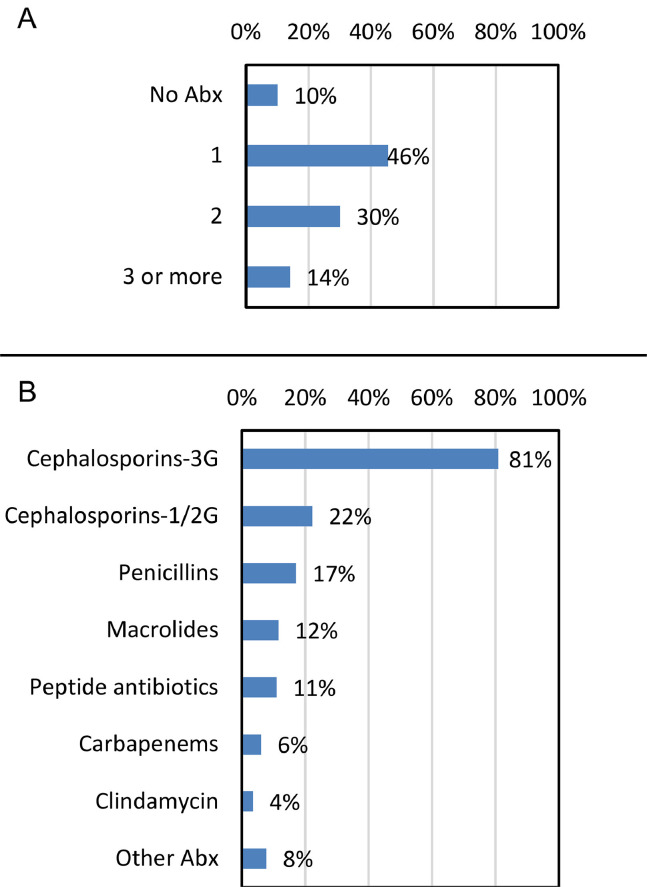
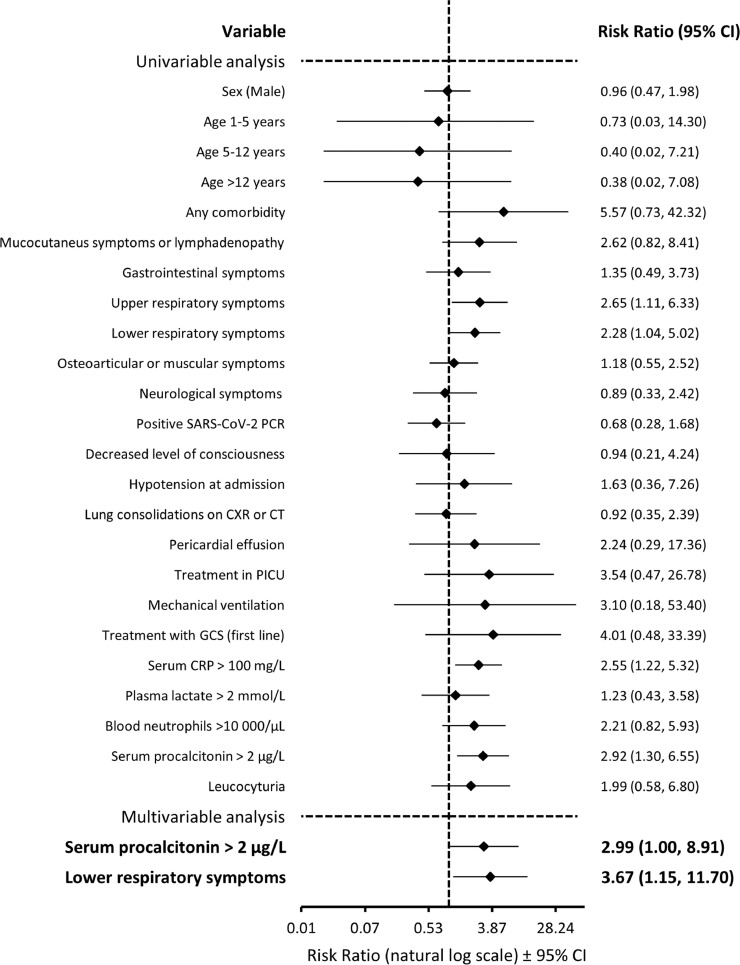
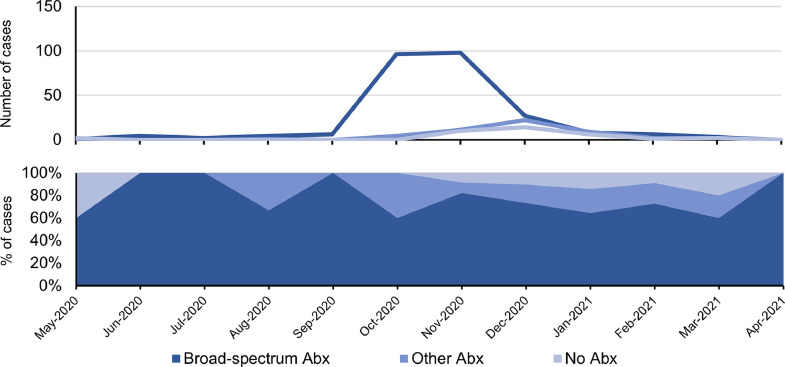
At least one antibiotic was used in 310 (90%) children, mainly third-generation cephalosporin (251/310). Broad-spectrum antibiotics were used in 258 (75%) children and 224 (87%) received this treatment for more than 3 days. Concentrations of serum procalcitonin >2 µg/l and the presence of lower respiratory symptoms were associated with increased odds of receiving any antibiotic.
Although bacterial infections in patients with MIS-C are uncommon, we show that MIS-C poses a challenge to clinicians who are faced with the decision to start, continue, or stop antimicrobial therapy. Antibiotic stewardship in patients with MIS-C should be improved to ensure that likely pathogens are treated and that antimicrobials are stopped when bacterial infections are excluded and the diagnosis of MIS-C is made.
儿童多系统炎症综合征(MIS-C)是先前接触 SARS-CoV-2 引发的免疫反应的结果。MIS-C 的临床表现与其他危及生命的细菌感染重叠,而抗生素是主要的治疗方法。本研究旨在描述波兰儿童 MIS-C 中抗生素的使用情况。
对 2020 年 6 月至 2021 年 4 月期间来自波兰 42 个城市的 345 名儿童向国家多器官炎症综合征 COVID-19 相关研究(MOIS-CoR 研究)报告的数据进行分析。
至少使用了一种抗生素的患儿有 310 名(90%),主要是第三代头孢菌素(251/310)。258 名患儿(75%)使用了广谱抗生素,224 名患儿(87%)接受了超过 3 天的治疗。血清降钙素原浓度>2 µg/l 和存在下呼吸道症状与使用任何抗生素的可能性增加有关。
尽管 MIS-C 患儿的细菌感染并不常见,但我们表明,MIS-C 对临床医生来说是一个挑战,他们需要决定开始、继续或停止抗菌治疗。应改善 MIS-C 患儿的抗生素管理,以确保对可能的病原体进行治疗,并在排除细菌感染且诊断为 MIS-C 时停止使用抗生素。