Department of Orthopedics, The First Affiliated Hospital of Nanjing Medical University, 300 Guangzhou Road, Nanjing, Jiangsu Province, China.
Department of Orthopaedics, Dongtai Hospital Affiliated to Nantong University, Dongtai City, Jiangsu, China.
Stem Cell Res Ther. 2022 Jul 13;13(1):291. doi: 10.1186/s13287-022-02963-4.
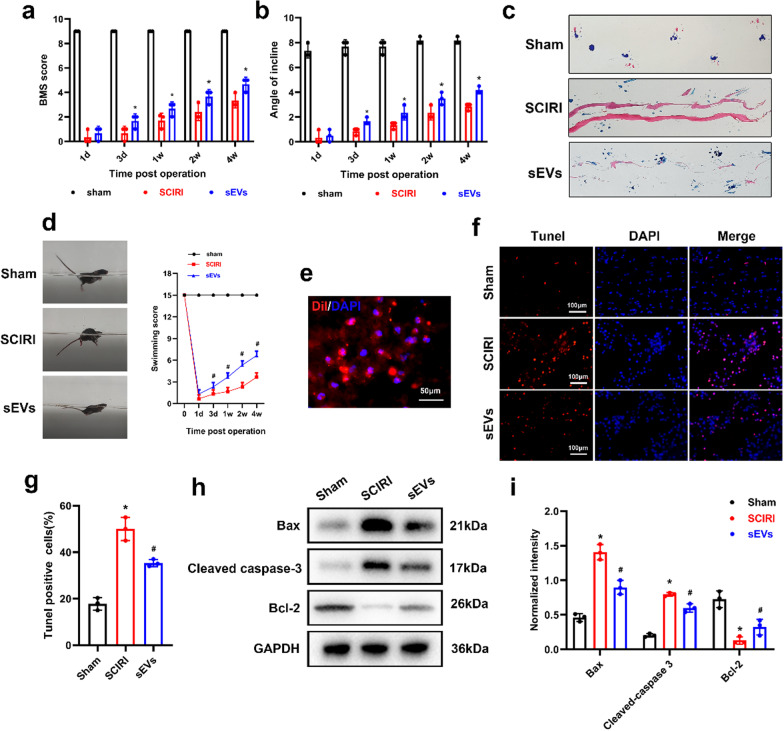
Spinal cord ischemia reperfusion injury (SCIRI) is a complication of aortic aneurysm repair or spinal cord surgery that is associated with permanent neurological deficits. Mesenchymal stem cell (MSC)-derived small extracellular vesicles (sEVs) have been shown to be potential therapeutic options for improving motor functions after SCIRI. Due to their easy access and multi-directional differentiation potential, adipose-derived stem cells (ADSCs) are preferable for this application. However, the effects of ADSC-derived sEVs (ADSC-sEVs) on SCIRI have not been reported.
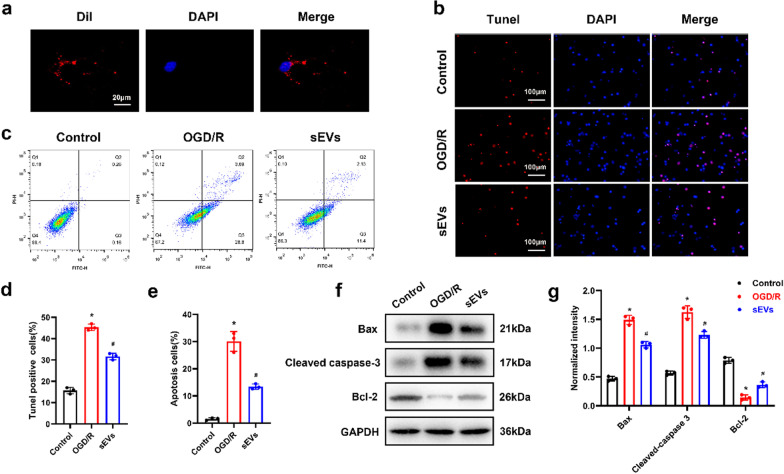
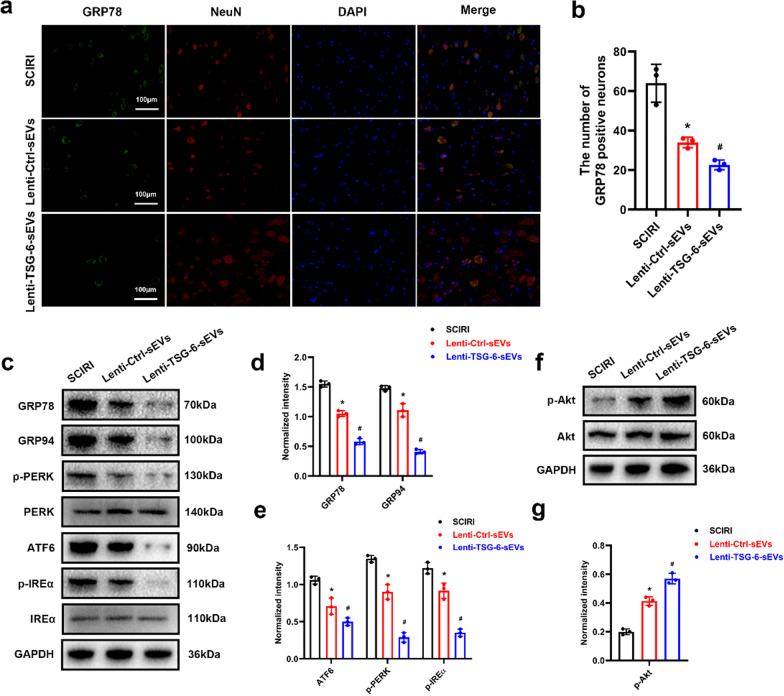
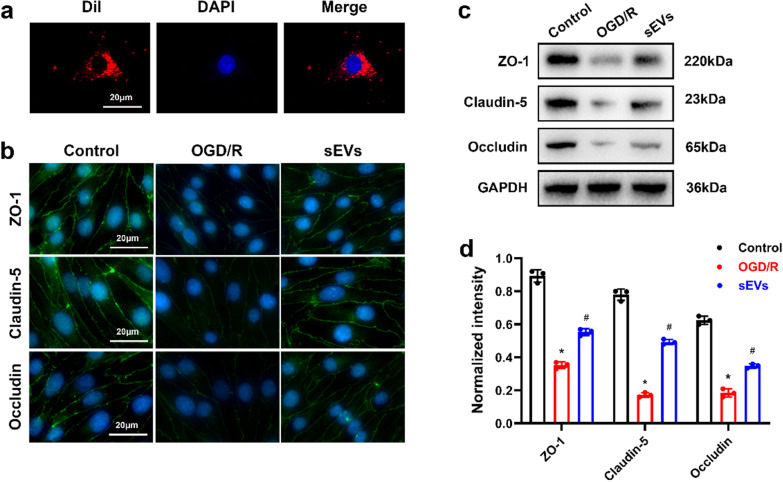
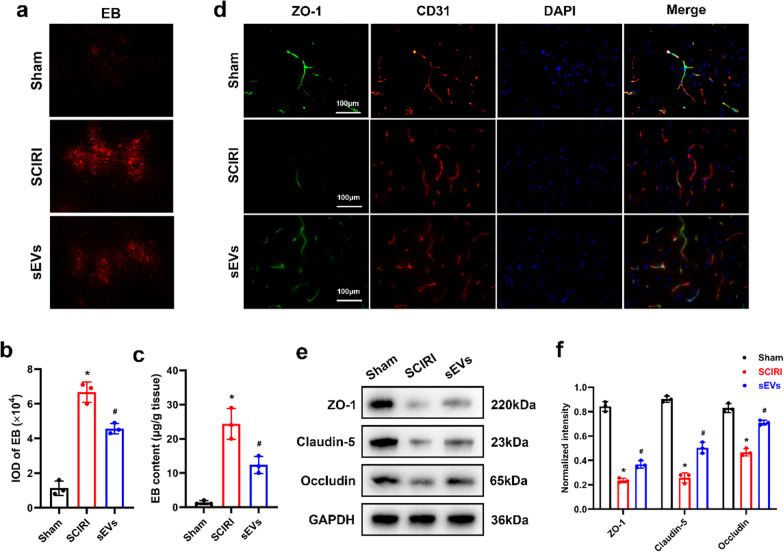
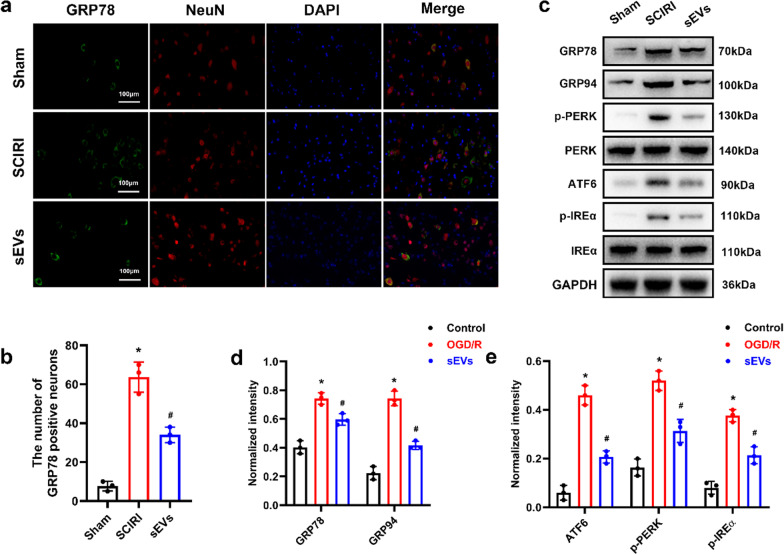
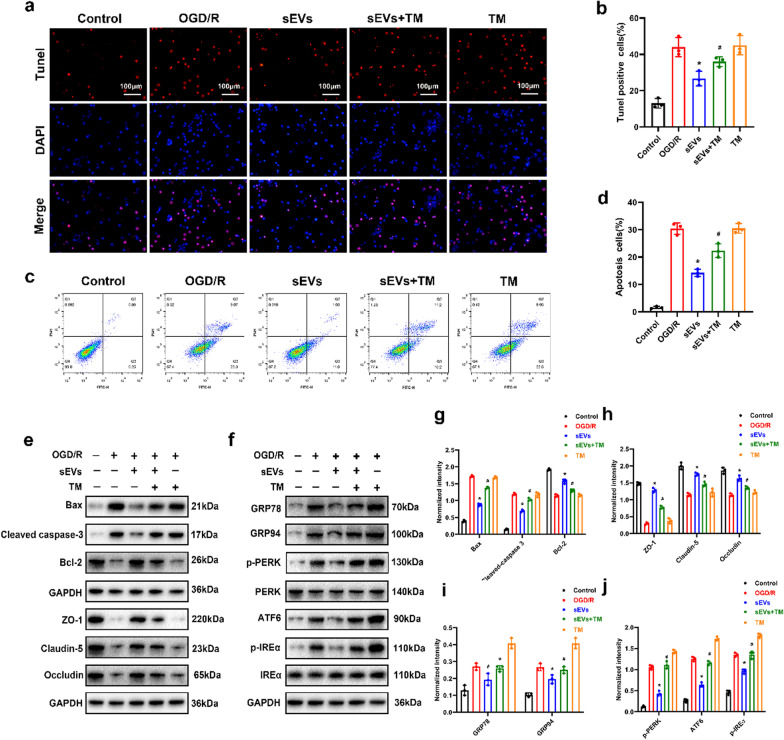
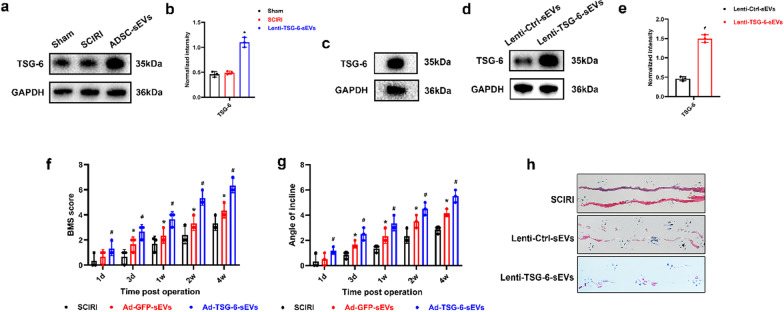
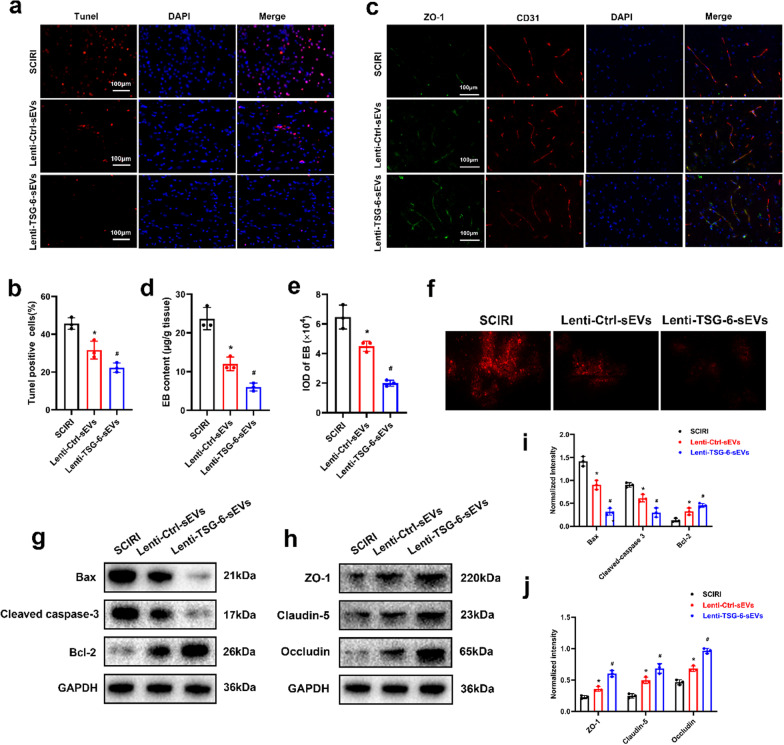
We found that ADSC-sEVs inhibited SCIRI-induced neuronal apoptosis, degradation of tight junction proteins and suppressed endoplasmic reticulum (ER) stress. However, in the presence of the ER stress inducer, tunicamycin, its anti-apoptotic and blood-spinal cord barrier (BSCB) protective effects were significantly reversed. We found that ADSC-sEVs contain tumor necrosis factor (TNF)-stimulated gene-6 (TSG-6) whose overexpression inhibited ER stress in vivo by modulating the PI3K/AKT pathway.
ADSC-sEVs inhibit neuronal apoptosis and BSCB disruption in SCIRI by transmitting TSG-6, which suppresses ER stress by modulating the PI3K/AKT pathway.
脊髓缺血再灌注损伤(SCIRI)是主动脉瘤修复或脊髓手术的并发症,与永久性神经功能缺损有关。间充质干细胞(MSC)衍生的小细胞外囊泡(sEVs)已被证明是改善 SCIRI 后运动功能的潜在治疗选择。由于其易于获取和多向分化潜能,脂肪来源的干细胞(ADSCs)更适合这种应用。然而,ADSC 衍生的 sEVs(ADSC-sEVs)对 SCIRI 的影响尚未报道。
我们发现 ADSC-sEVs 抑制了 SCIRI 诱导的神经元凋亡、紧密连接蛋白的降解,并抑制了内质网(ER)应激。然而,在存在 ER 应激诱导剂,衣霉素的情况下,其抗凋亡和血脊髓屏障(BSCB)保护作用显著逆转。我们发现 ADSC-sEVs 含有肿瘤坏死因子(TNF)刺激基因-6(TSG-6),其过表达通过调节 PI3K/AKT 通路抑制体内 ER 应激。
ADSC-sEVs 通过传递 TSG-6 抑制 SCIRI 中的神经元凋亡和 BSCB 破坏,通过调节 PI3K/AKT 通路抑制 ER 应激。